Plant-Based Milk Makers
A complete, data-grounded guide to plant-based milk makers — how they work, what to buy, how to use them, and which models earn the best marks from verified buyers. Buying guides and explainers come first; ranked picks and comparisons follow as review data is gathered and analyzed.
How they work
Buying guides and explainers — start here if you are new to the category.
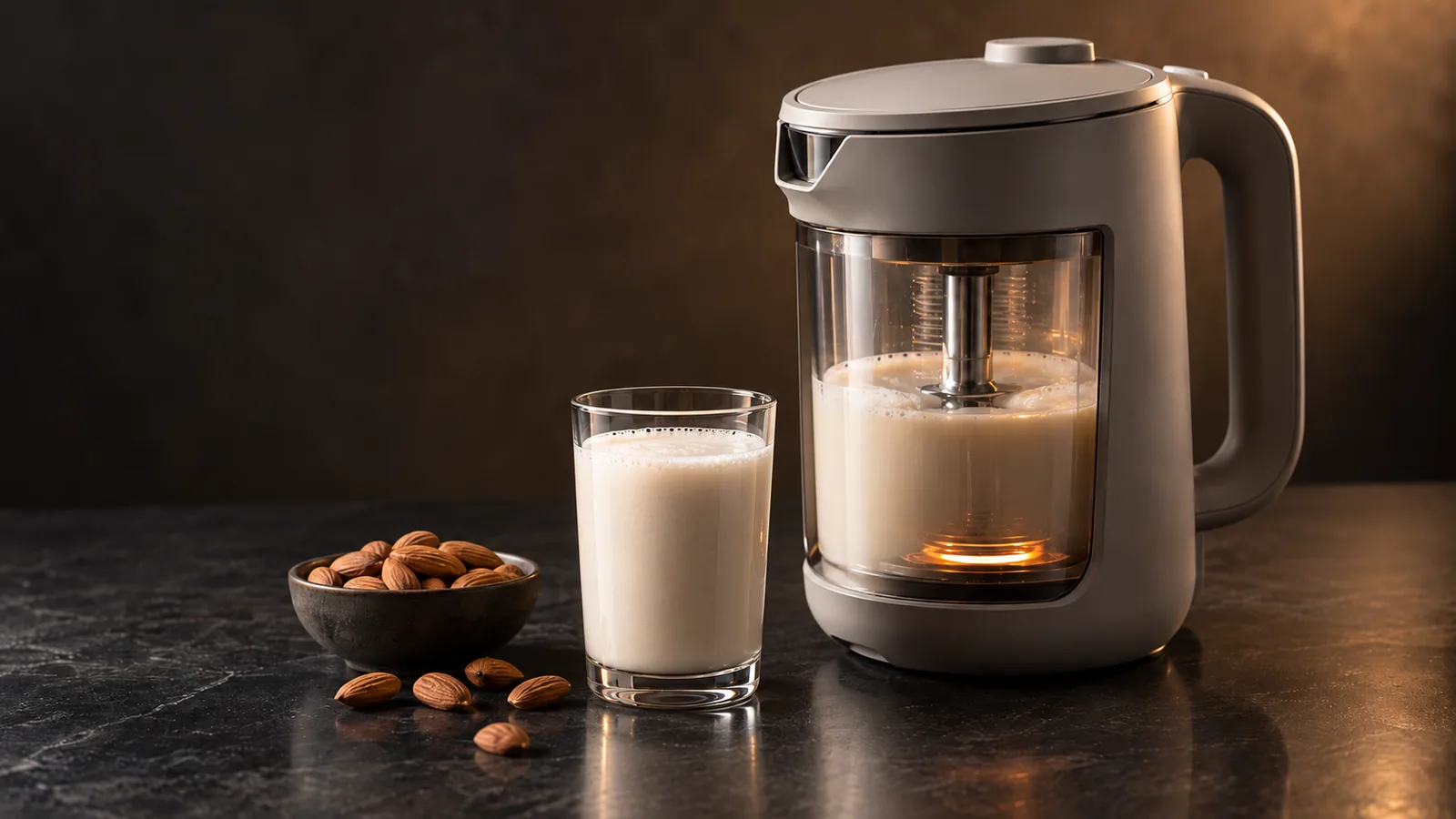
How Plant-Based Milk Makers Work: Heated vs Cold-Extraction
Heated machines extract more solids and suit soy milk. Cold-extraction designs taste fresher and avoid the plastic-smell problem. Understanding which is which determines whether the machine works for your use.
Read →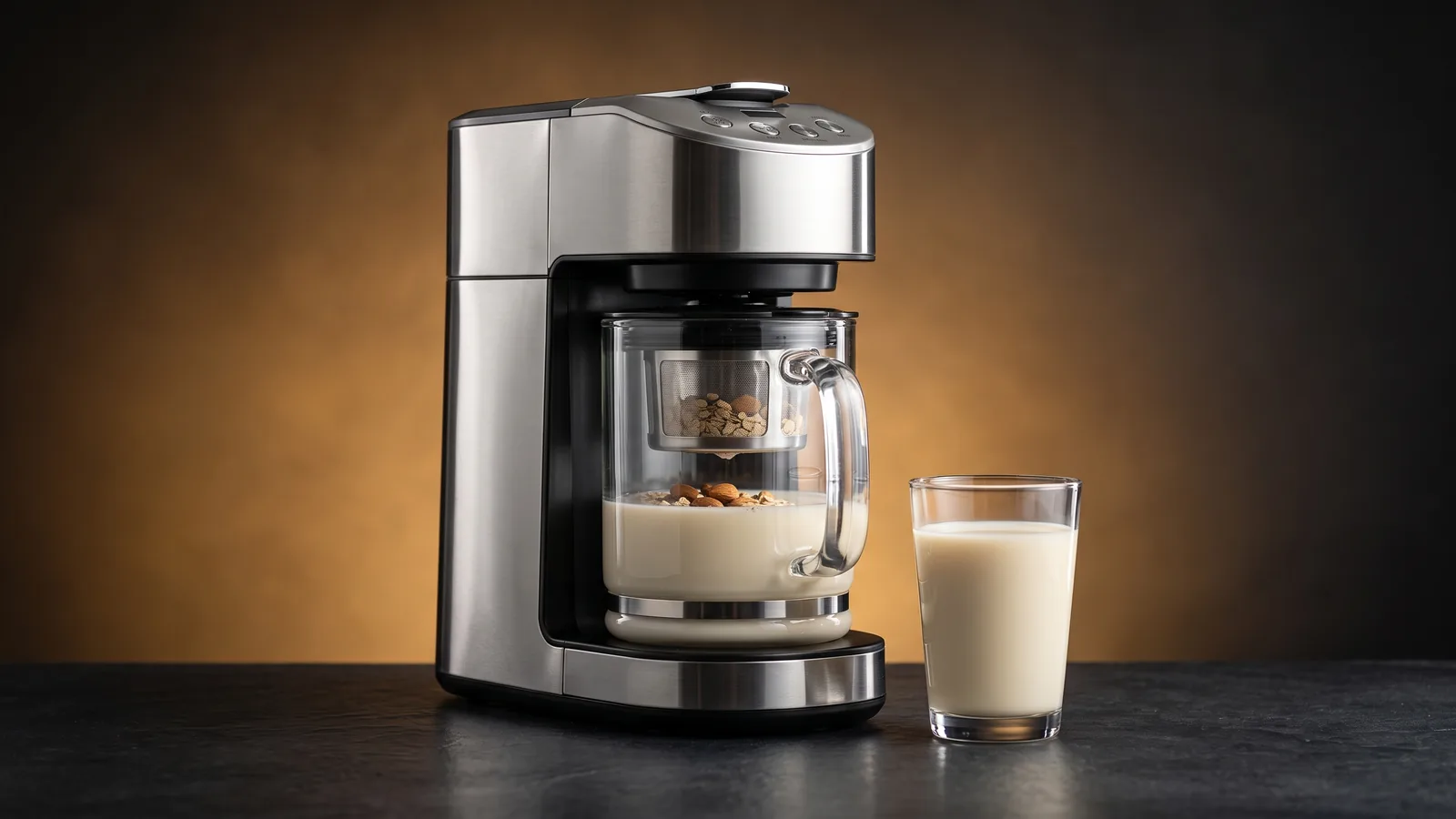
How to Choose a Plant-Based Milk Maker
Most buyers focus on wattage and preset count. Verified-buyer reviews show neither predicts satisfaction — filter quality and interior material do.
Read →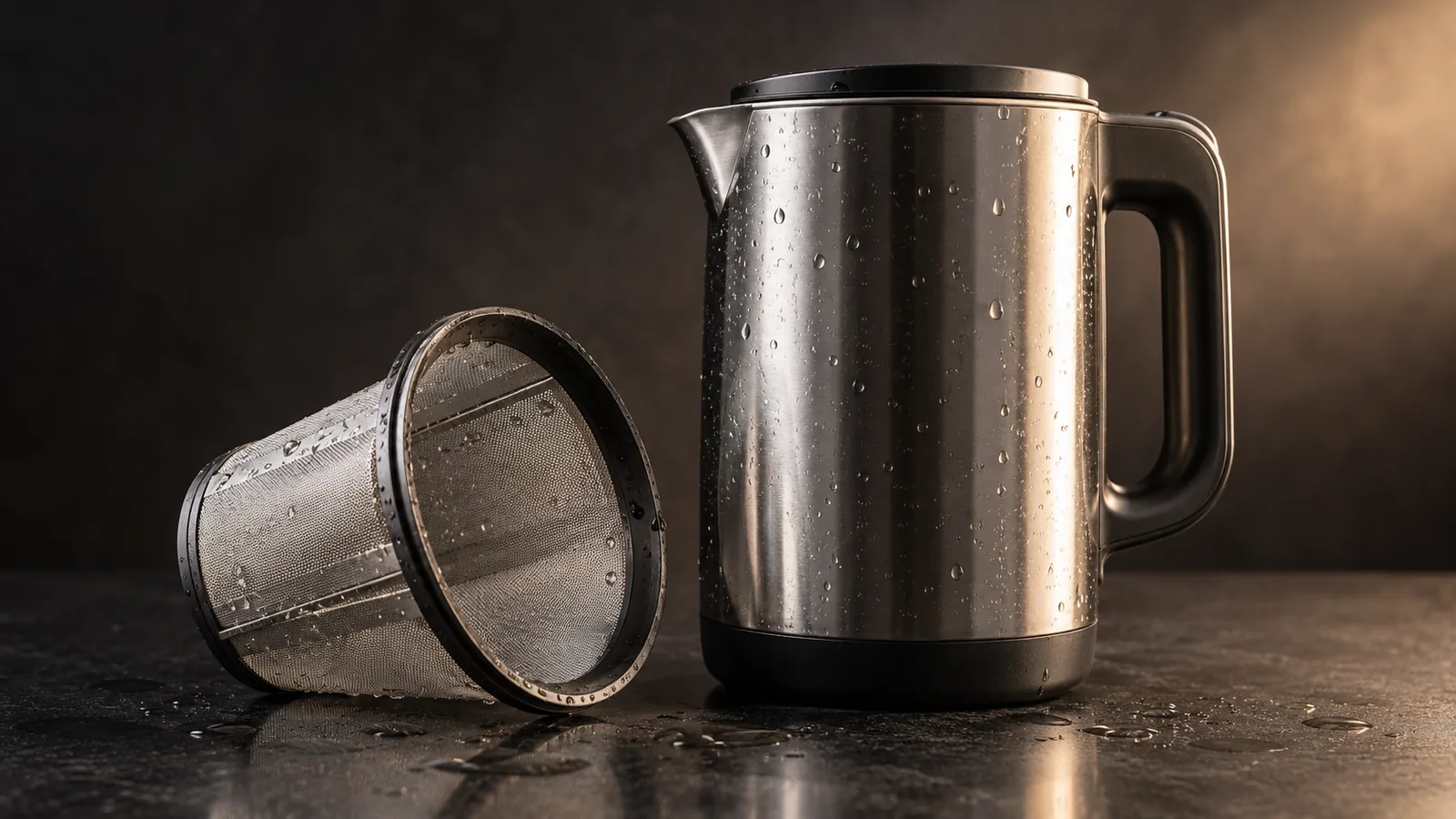
How to Clean a Nut Milk Maker (and What Causes the Plastic Smell)
The self-cleaning cycle handles surface residue. It does not remove embedded nut oil, the primary cause of off-taste after a few weeks of daily use.
Read →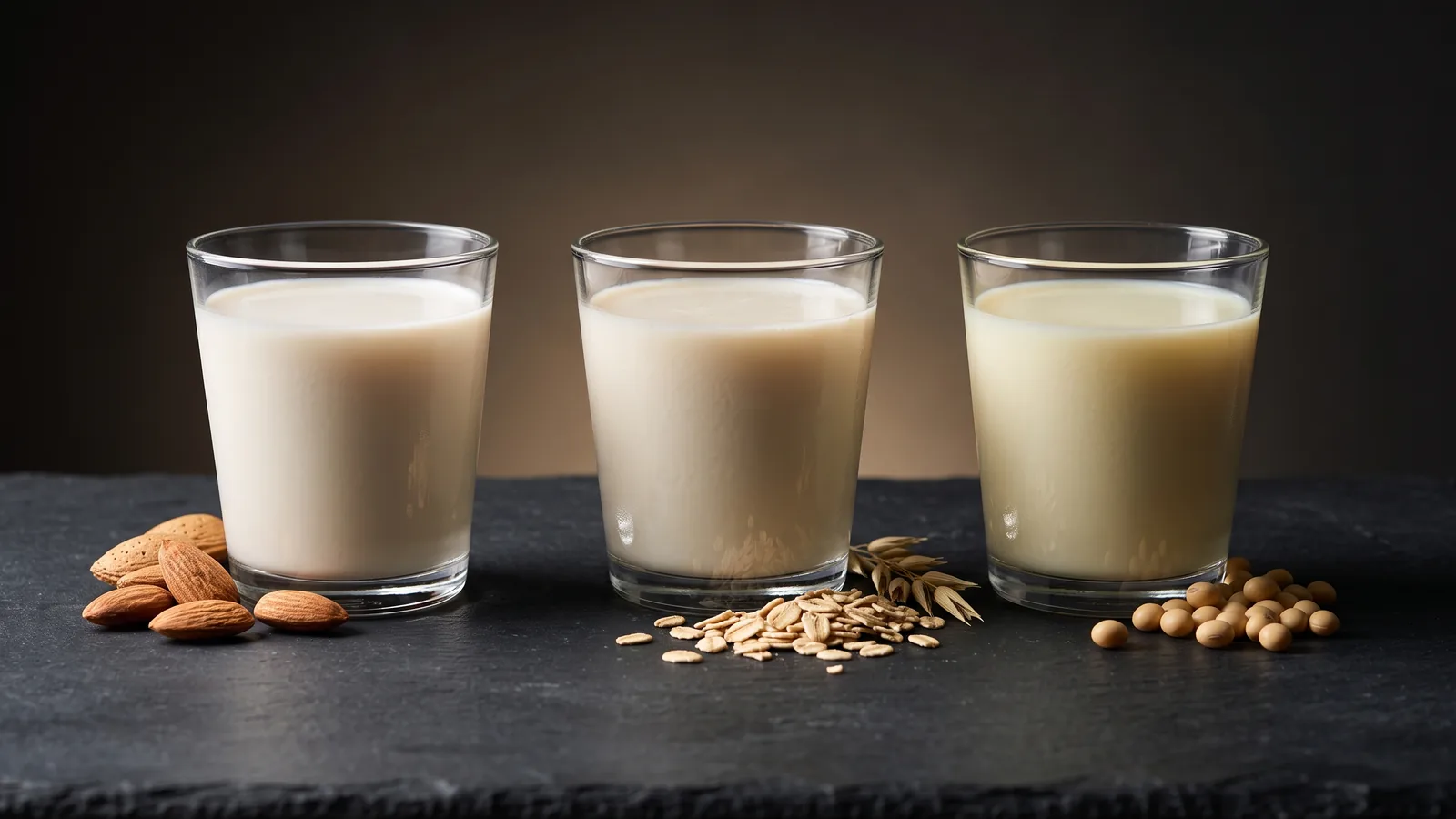
Nut Milk Maker Recipes: Every Milk Type, Ratios, and What Actually Works
Almond, oat, soy, cashew, hemp, and macadamia milk each has a different ratio, soak time, and — critically — temperature requirement. Oat milk must be made cold. Soy milk must use heat.
Read →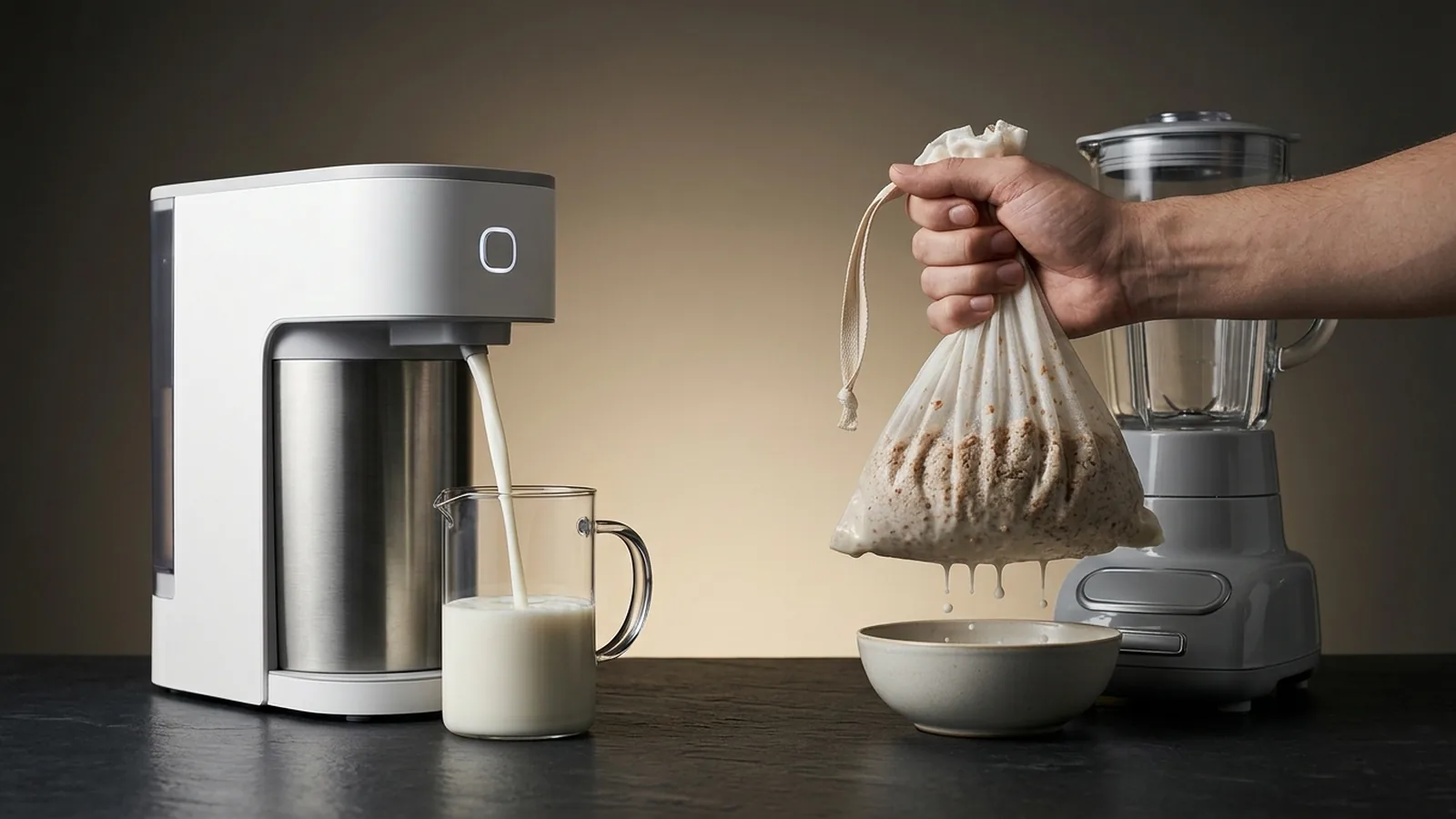
Nut Milk Maker vs Blender + Nut-Milk-Bag: Which One You Actually Need
A Vitamix owner asking if they need a milk maker is asking the wrong question. The right question is whether they will actually wash the bag every day.
Read →Oat vs Soy in a Milk Maker: Why Heat Ruins One and the Other Needs It
Oat and soy pull a milk maker in opposite directions. Oat needs cold or gentle blending — heat gelatinizes its starch and turns the milk slimy and gluey. Soy needs the opposite: sustained heat to cook off the raw, beany taste and the compounds that make uncooked soy unpleasant and hard to digest. That single divergence decides which machine you should buy: a heated 'soy' cycle wrecks oat milk, and a cold-only machine makes poor soy milk. Here is what each one needs, and how to pick a maker for what you actually drink.
Read →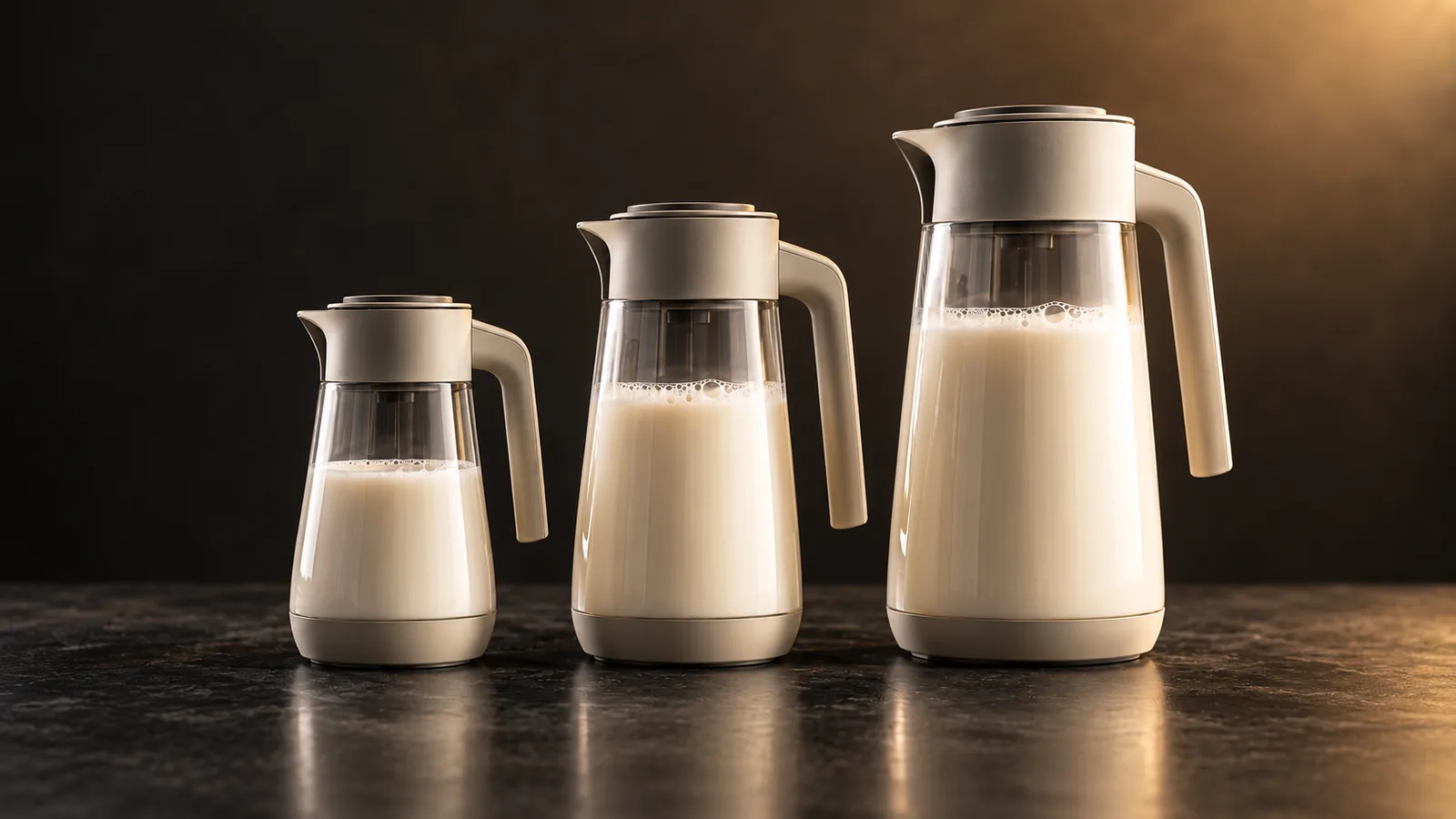
Plant-Based Milk Maker Sizes Explained: 20oz to 40oz+
Rated capacity and actual drinkable output are not the same number. A 32oz machine typically yields 24–26oz of finished milk per batch.
Read →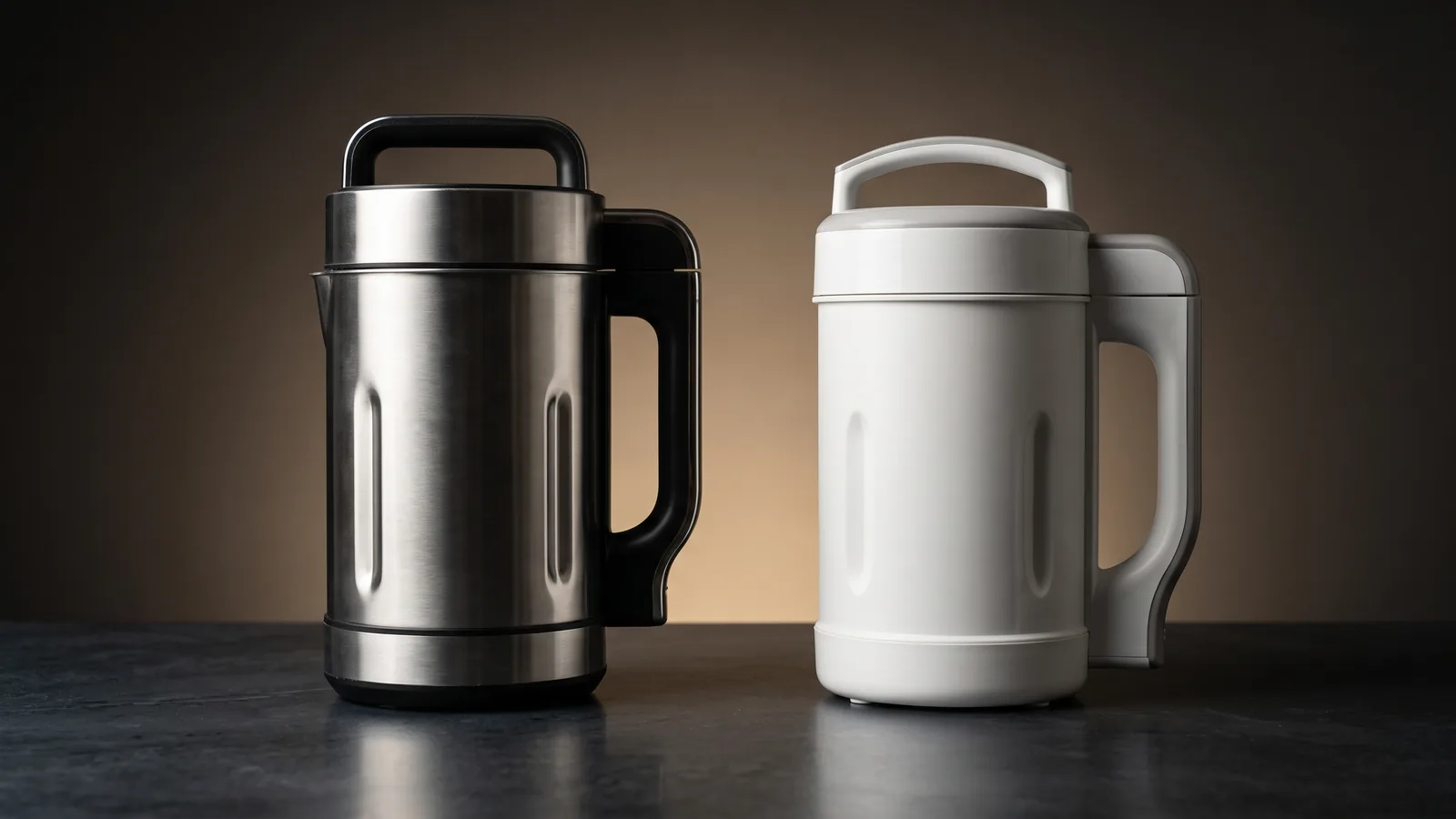
Premium vs Budget Plant-Based Milk Maker: What You Actually Pay More For
A budget nut milk maker makes cold almond and oat milk just fine. What the money buys is heating (for soy and warm grain milks), stainless steel food-contact surfaces instead of plastic, strain-free operation, and easier cleaning. Here is exactly where the price goes — and why the right pick depends on which milks you make.
Read →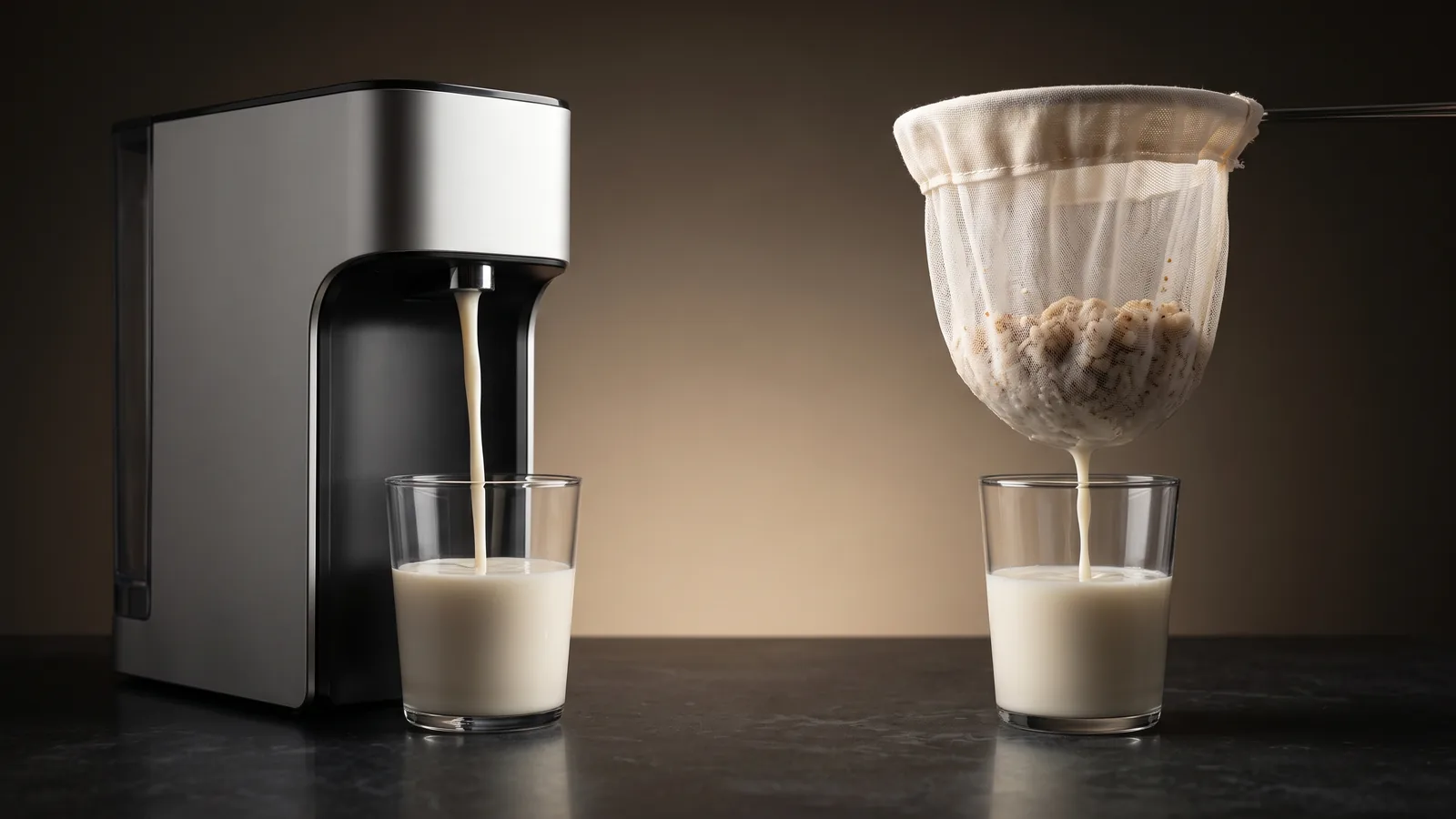
Strain-Free vs Bag-Strain Milk Makers: The Convenience Trade-Off Buyers Miss
Strain-free machines are faster per batch. Bag-strain designs are faster to clean thoroughly. Which matters more depends entirely on how you use the machine.
Read →
Best for specific uses
Ranked picks for each use case, grounded in verified buyer review data.
AlfaBot Nut Milk Maker Review: The Plastic-Smell Problem to Know About
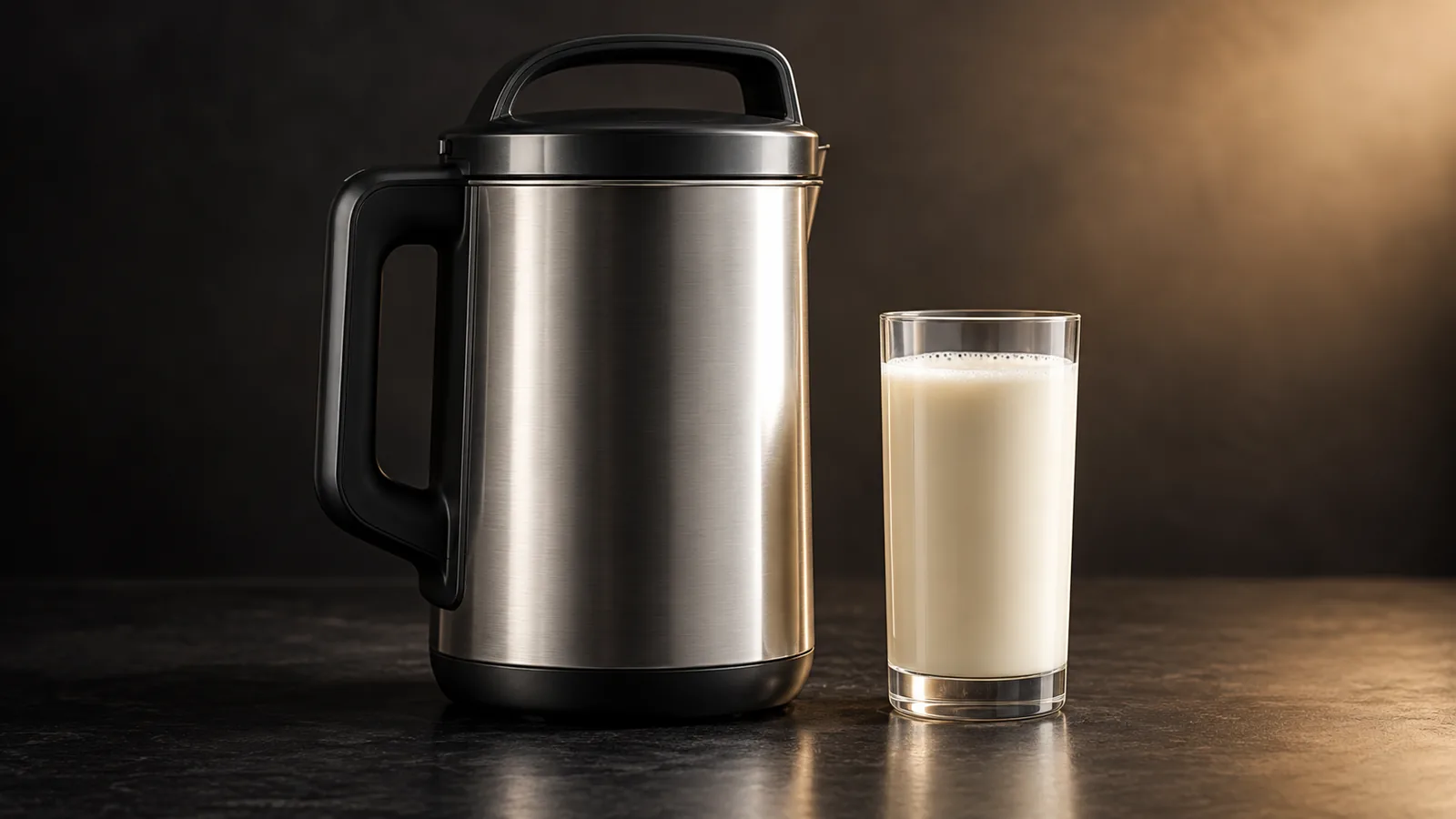
The AlfaBot N2 works well for owners who get a good one, but the complaint that recurs most in its reviews is a strong plastic or burning smell, alongside some early failures. On a limited but consistent set of feedback, that smell pattern is the thing to know before buying — and the reason the Kidisle is the safer budget nut milk maker.
Read →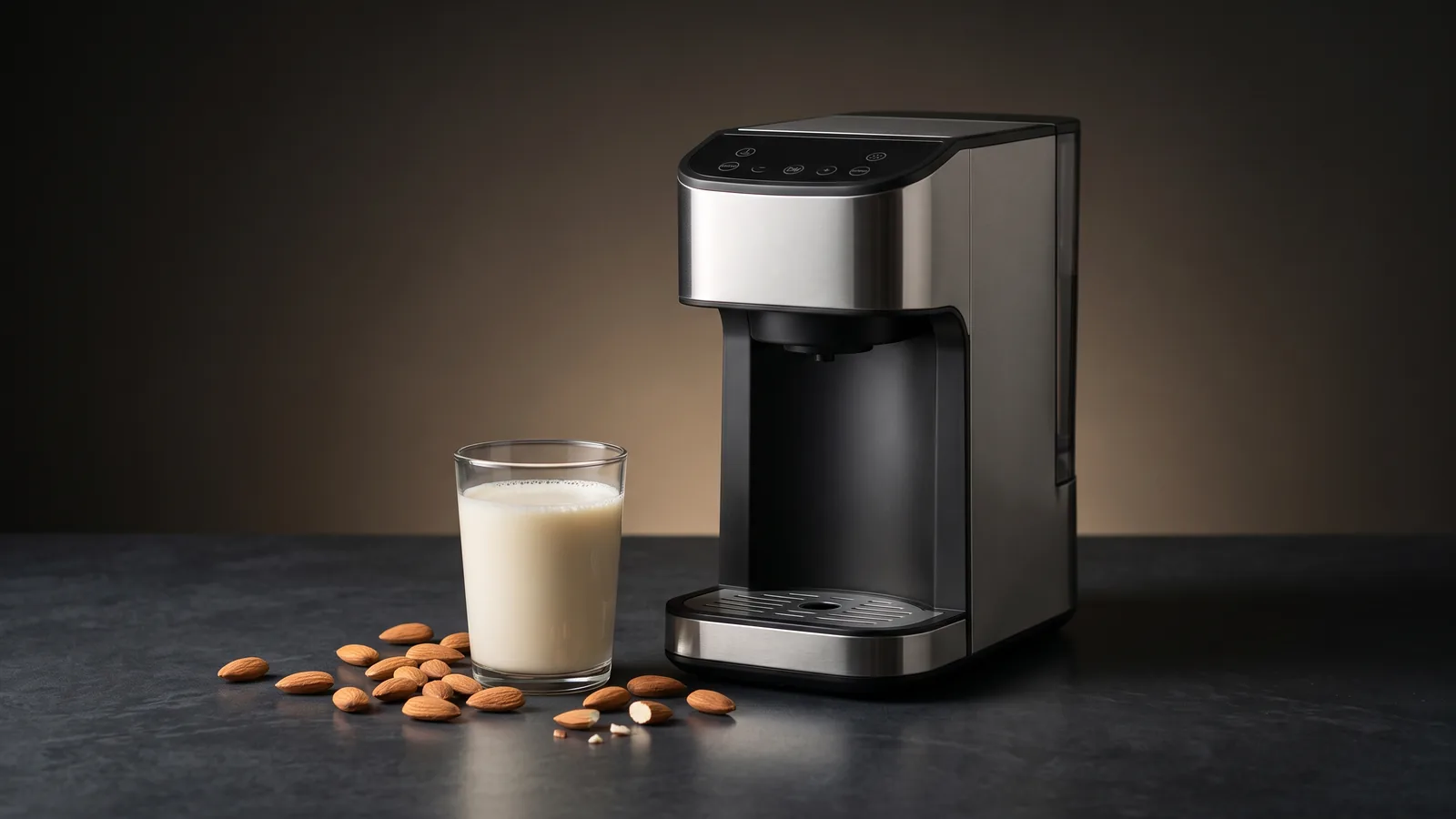
Almond Cow Review: The Value Favorite With One Real Weakness
Owners reward the Almond Cow for value, overall quality, clear setup, and easy cleaning more than they do most machines in its class — it earns unusually strong price-to-satisfaction trust. Its one signature weakness is filtration: a coarser strain that owners penalize it for more than the category. Cold-extraction only, so no soy or heated milks.
Read →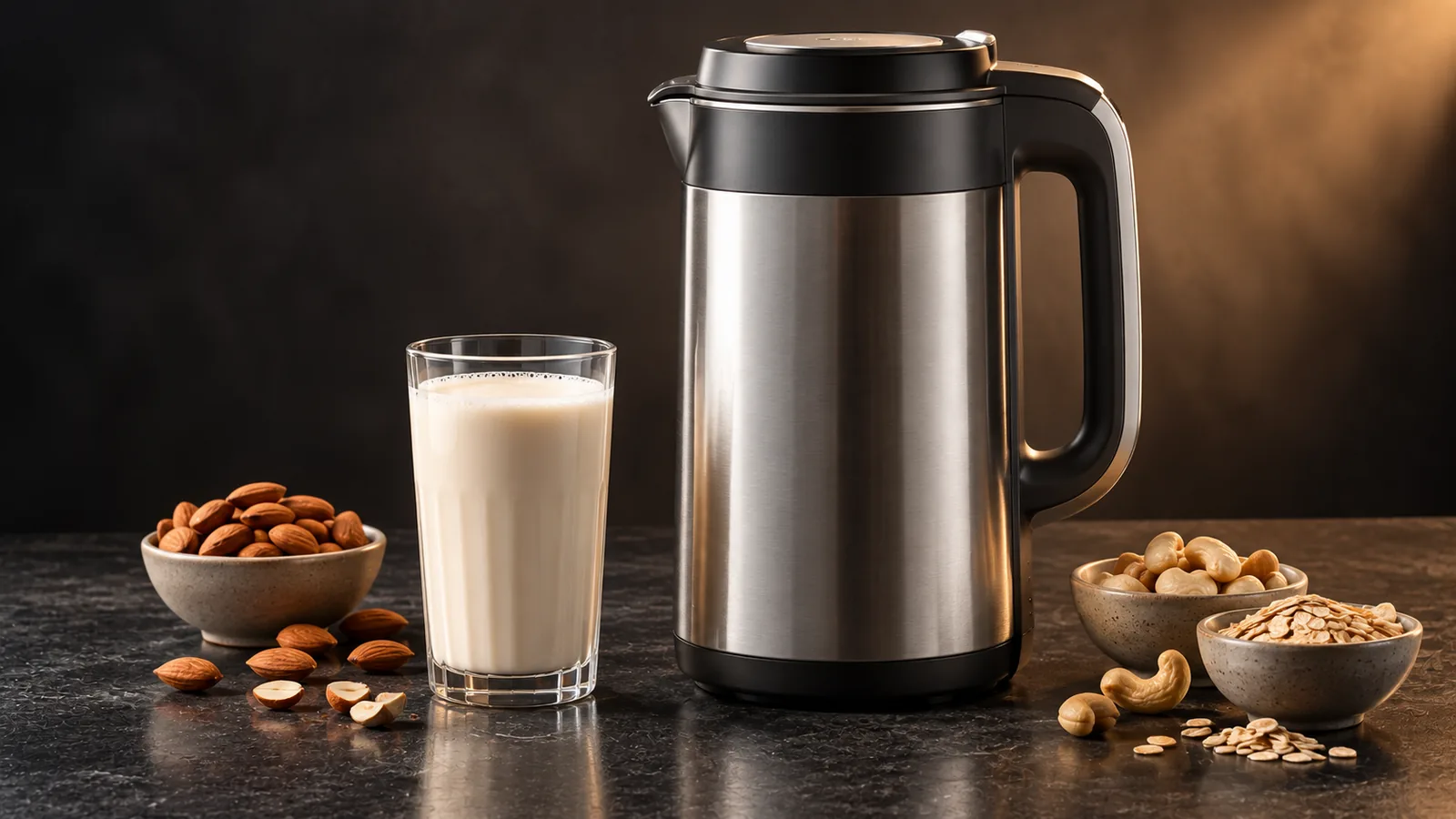
Arcmira Nut Milk Maker Review: Compact and Easy, But Watch the Quality Reports
The Arcmira 6-in-1 is a compact 20oz machine that owners find easy to use and self-clean — its small size is a genuine niche for one or two people. But on a limited sample the quality reports are concerning, including a unit that started smoking, leaks, and 'the quality is terrible.' The compact size is the reason to consider it; the quality signal is the reason to buy with a return policy.
Read →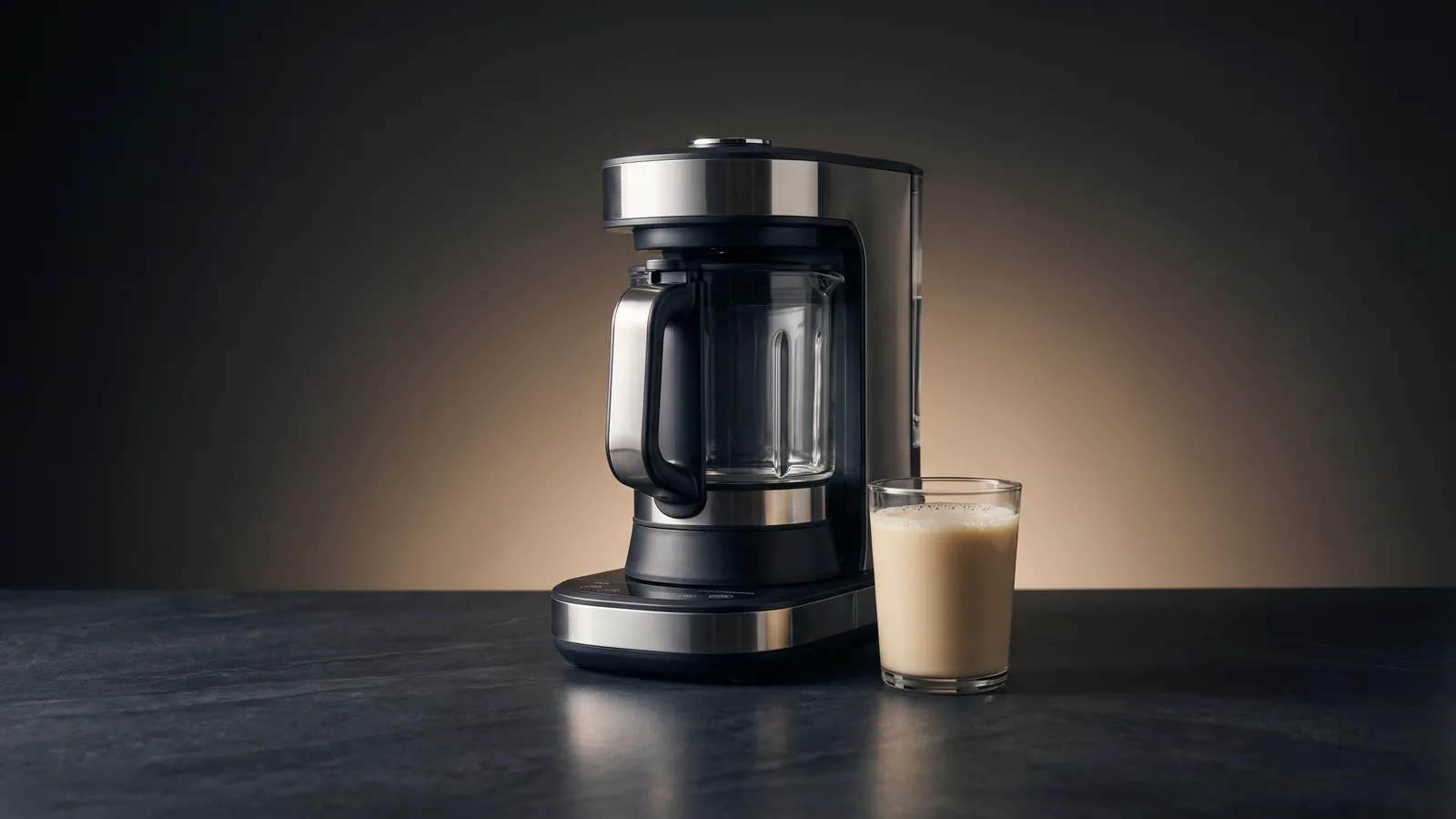
ChefWave Milkmade Review: What Owners Reward and Penalize It For
The ChefWave Milkmade is the easiest-to-clean machine in the mid-range segment — cleaning is what owners reward it for more than almost any competing machine. Its weak point is durability: it is the fault owners penalize most, and more than the category norm. A capable six-program machine for buyers who prioritize cleanup, with longevity as the honest trade-off.
Read →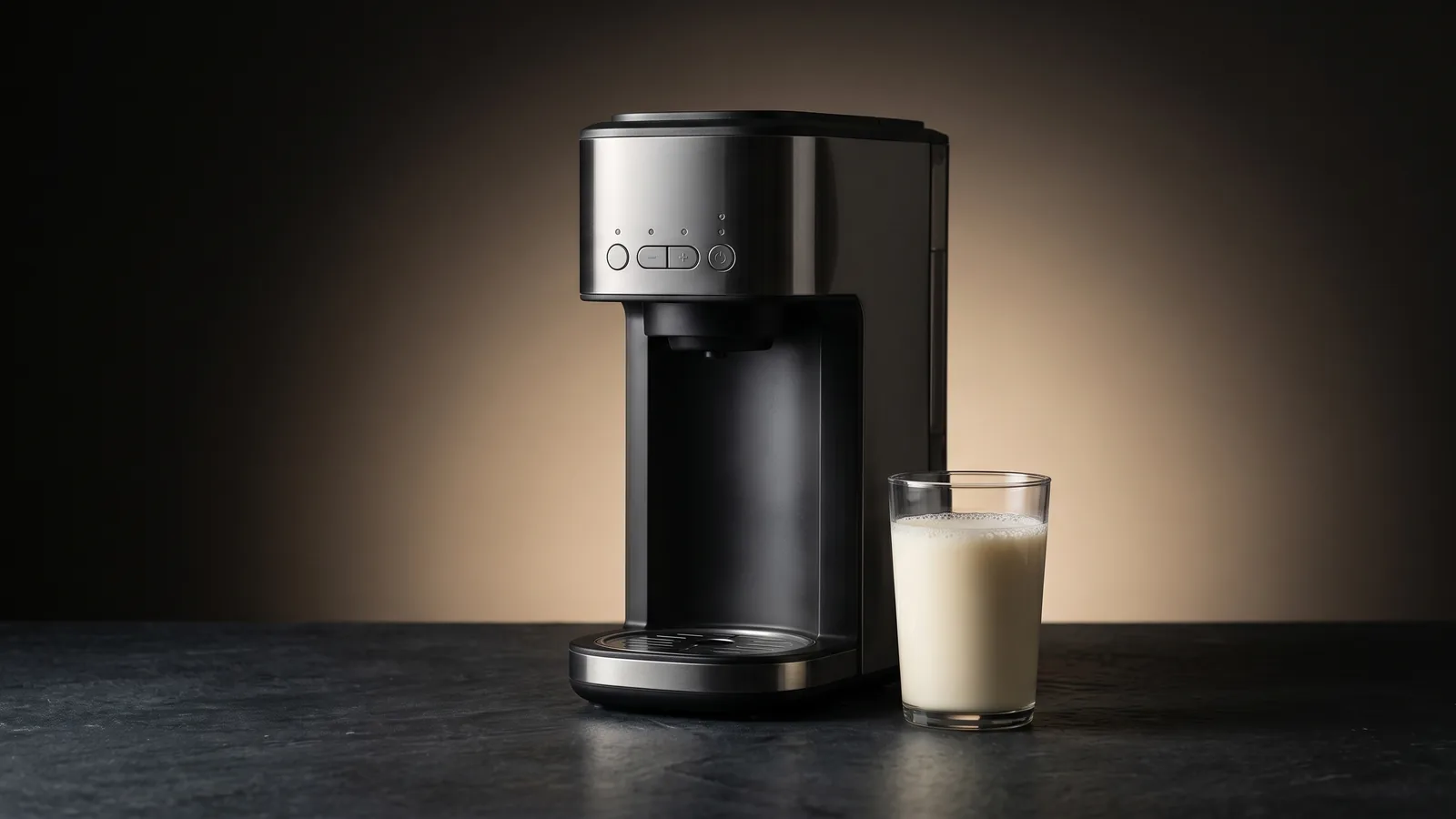
IAGREEA Nut Milk Maker Review: Easy to Use, But a Reliability Gamble
The IAGREEA is genuinely easy to use and set up, and owners who get a good unit are satisfied. But the review evidence carries a real, repeated early-failure pattern — units that break within weeks or never work. It is a budget machine you might love or might have to return, which makes the Kidisle the safer budget bet.
Read →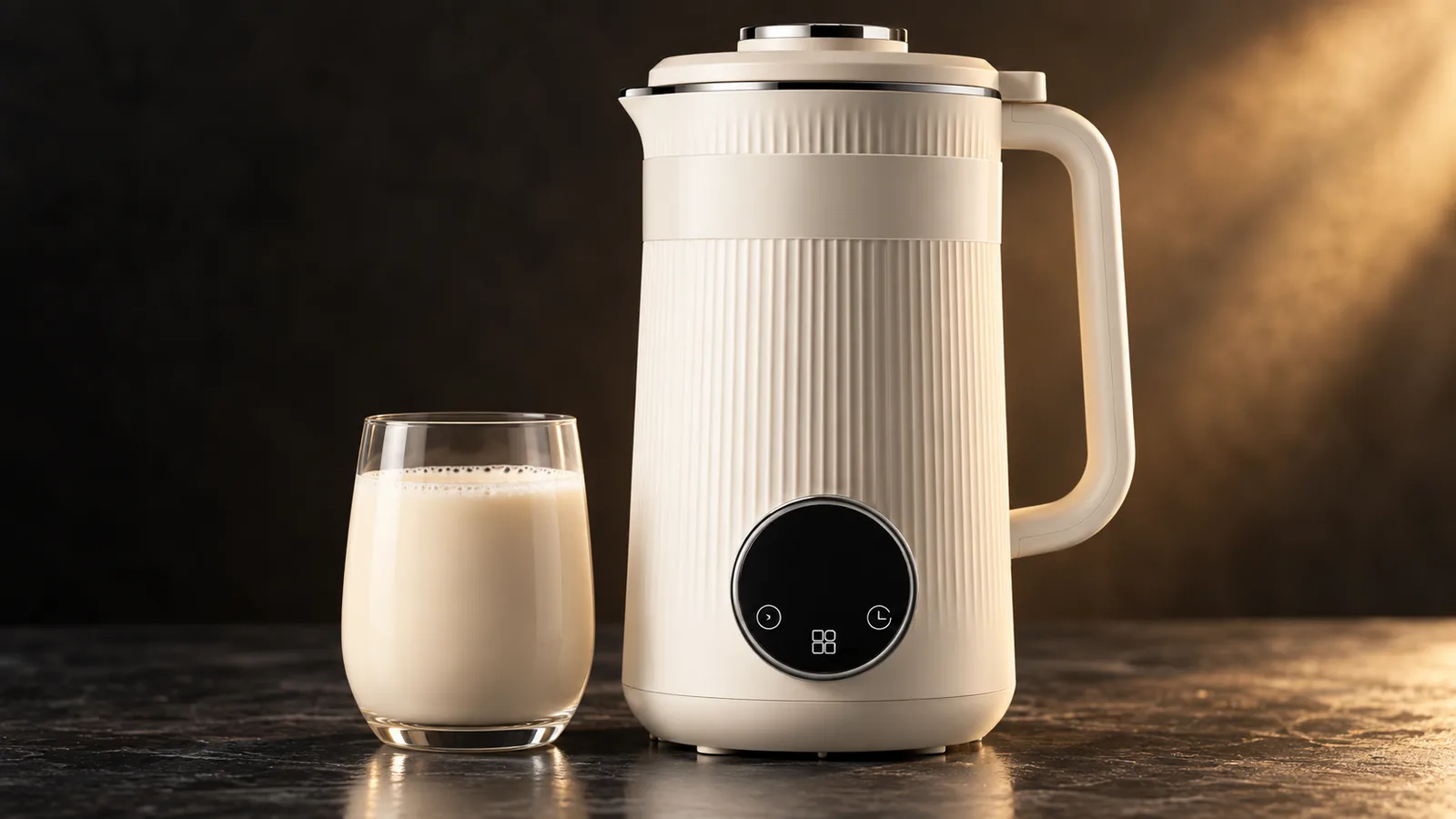
Kidisle Nut Milk Maker Review: The Strongest Budget Pick, With One Caveat
Among the budget nut milk makers, the Kidisle has the strongest owner signal: it is consistently rewarded for ease of use, quality for the price, and value. The honest caveat is a real minority who report a unit arriving not-as-advertised or stopping work — a quality-control lottery to weigh against the low price.
Read →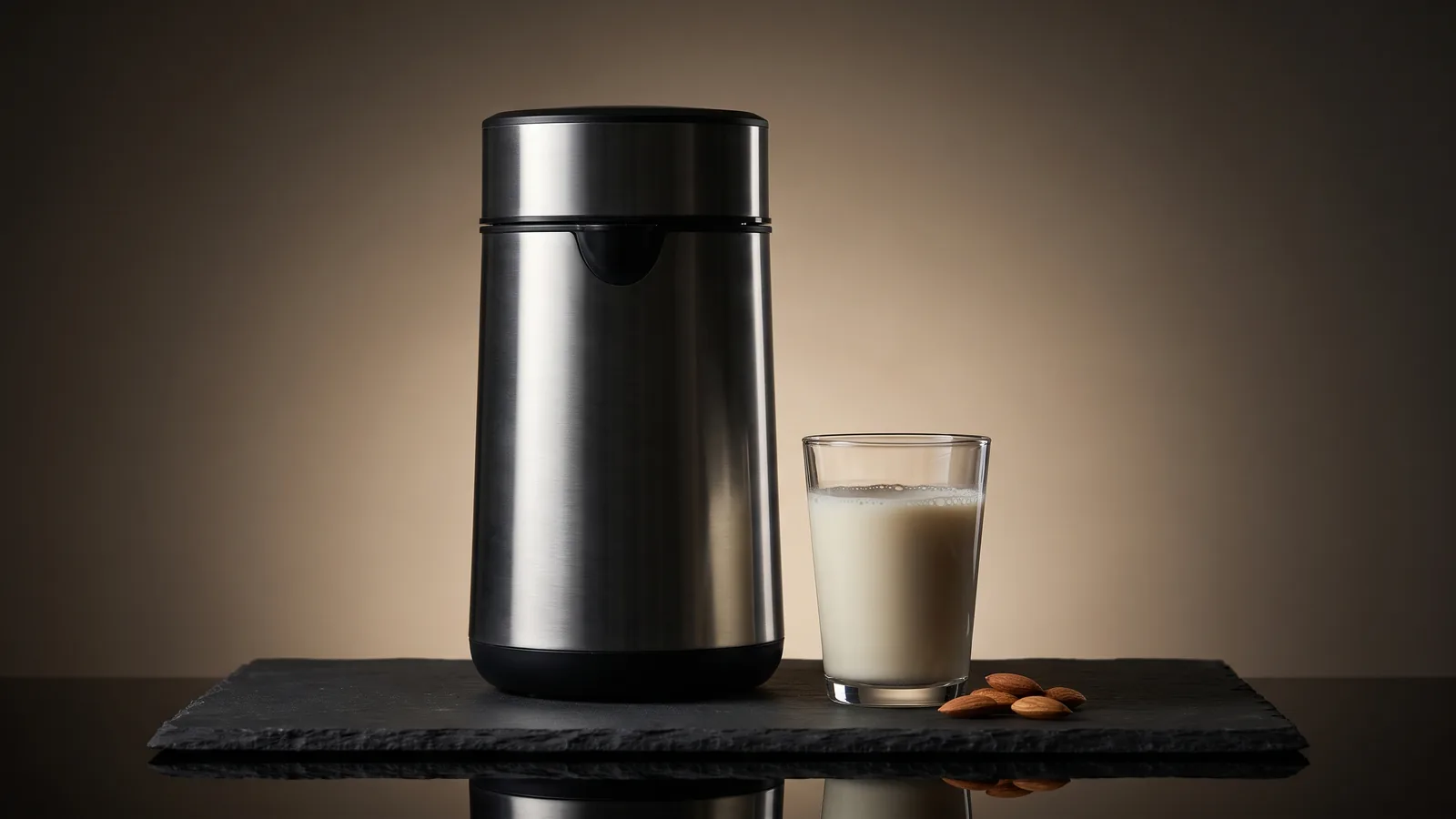
Nama M1 Review: The Durability and Value Leader of the Category
The Nama M1 is the machine whose owners most feel the price is justified — despite being the most expensive option, it is rewarded for value-for-money more than almost any competitor, and durability, the category's biggest weakness, is where the M1 is strongest. The one divergent concern is mixing, where a minority report motor or blend issues.
Read →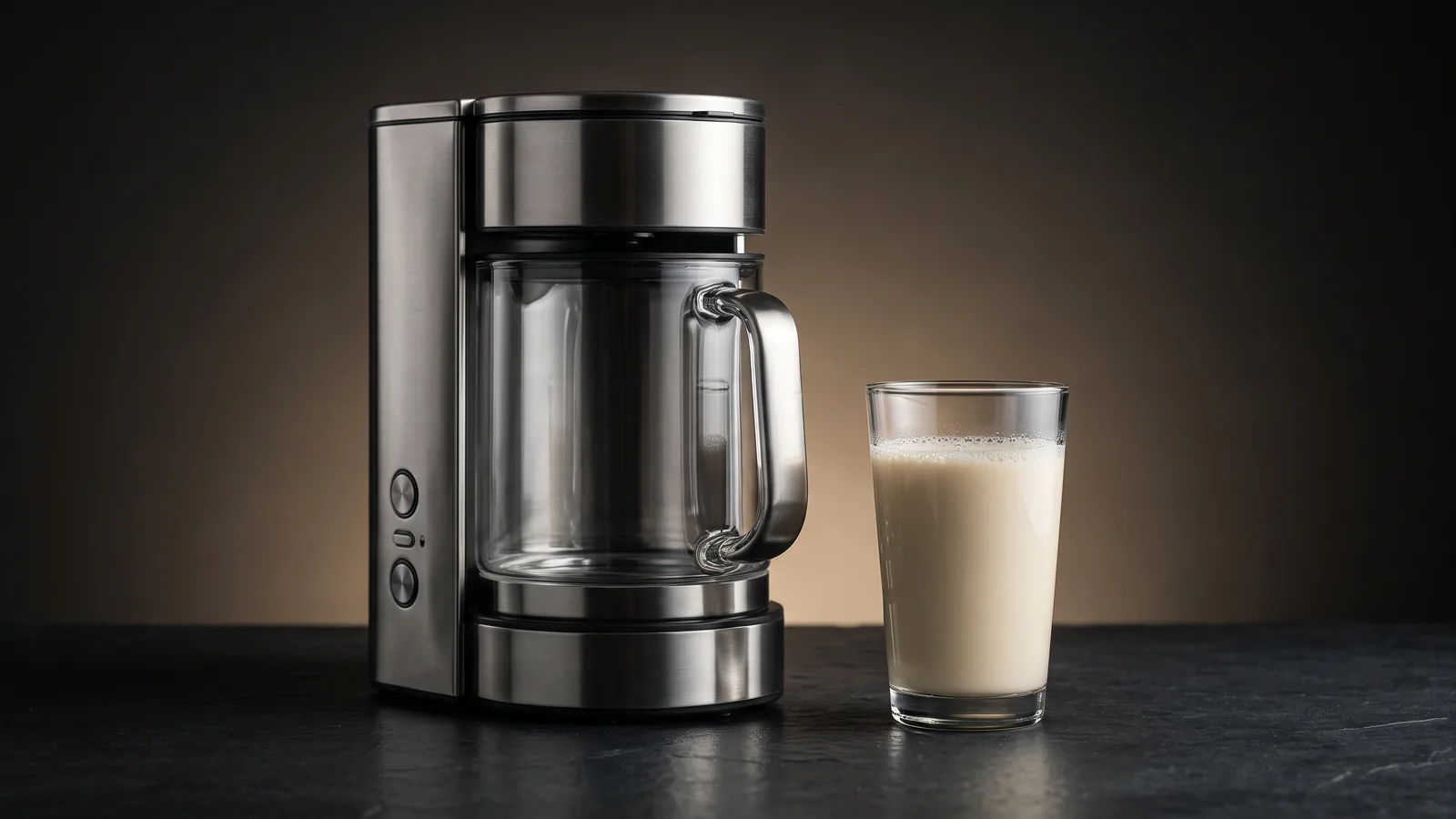
The Best Non-Toxic Nut Milk Makers: Stainless Steel and Glass Options
The material that touches your milk during processing matters more than the machine's exterior. For cold-extraction milks, the Almond Cow keeps all food contact surfaces to stainless steel. For heated milks like soy, the ChefWave Milkmade adds a glass pitcher and stainless interior. Both eliminate the heated-plastic contact that drives most non-toxic concerns.
Read →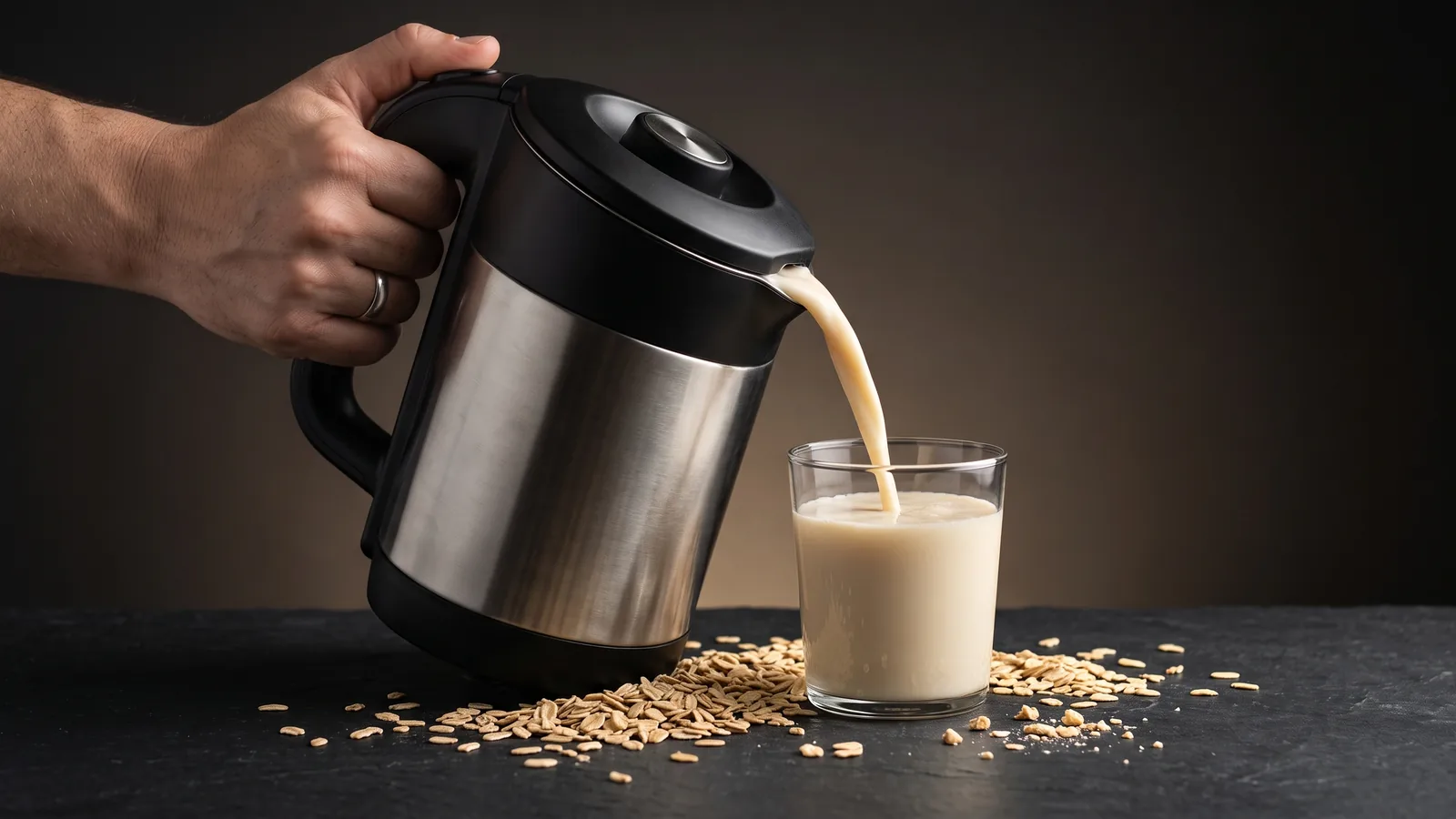
The Best Oat Milk Makers of 2026: Cold Extraction Machines That Actually Work
Oat milk requires cold extraction only — heat gelatinizes oat starch and produces slimy, paste-like milk. The machines in this guide all use cold or room-temperature processing. The Nama M1 leads for oat milk quality; the Almond Cow is the proven workhorse for volume.
Read →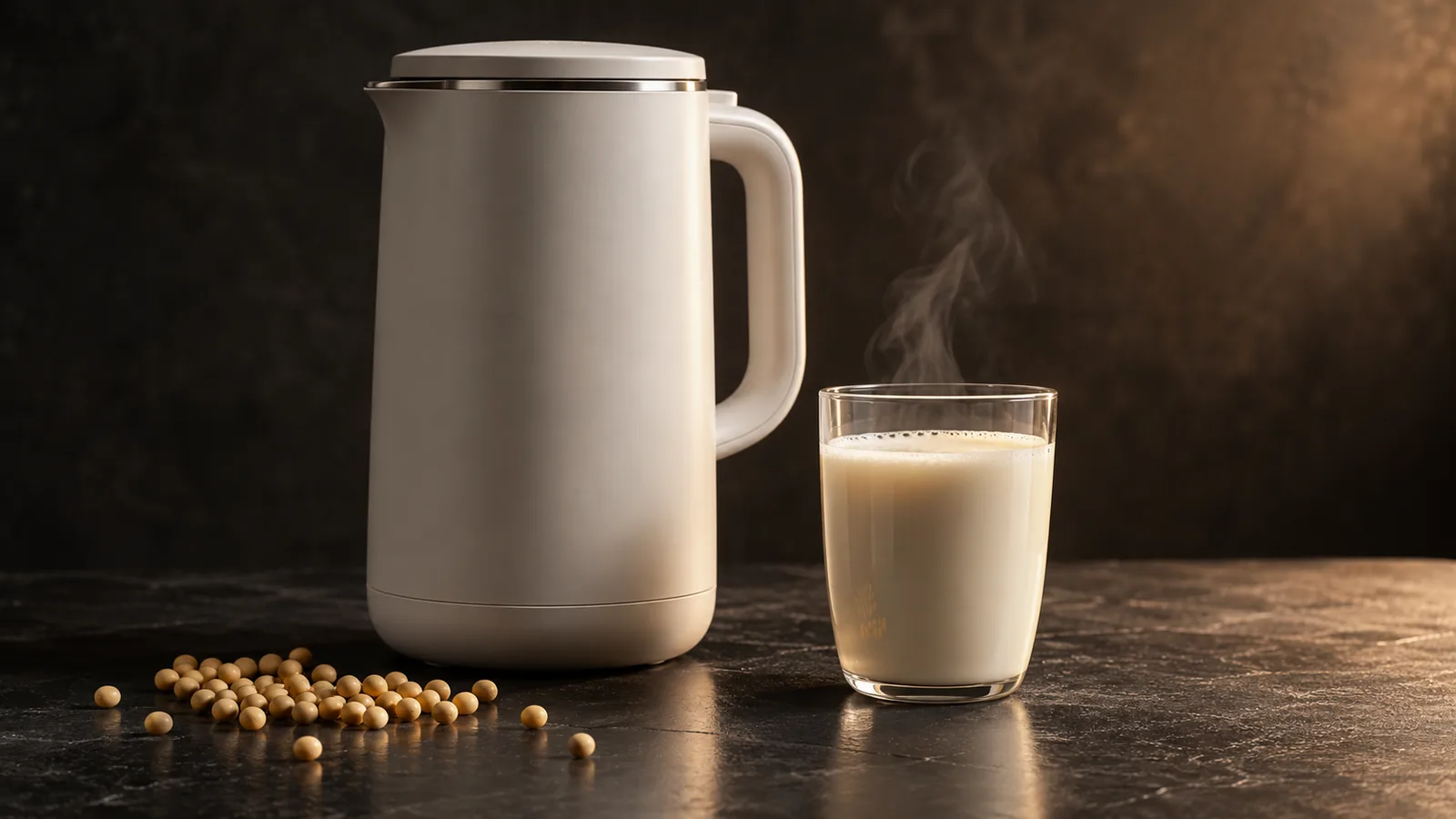
The Best Soy Milk Makers of 2026, by Buyer Evidence
Soy milk needs a machine that heats to boiling — cold-extraction nut milk makers cannot safely make it from raw soybeans. Among heated machines, the Kidisle Soy Milk Maker is the value standout owners reward for worth-the-price value and easy cleaning, while the ChefWave Milkmade is the versatile choice for buyers who also want almond and oat milk.
Read →
Head-to-head comparisons
Direct comparisons between specific brands and models.
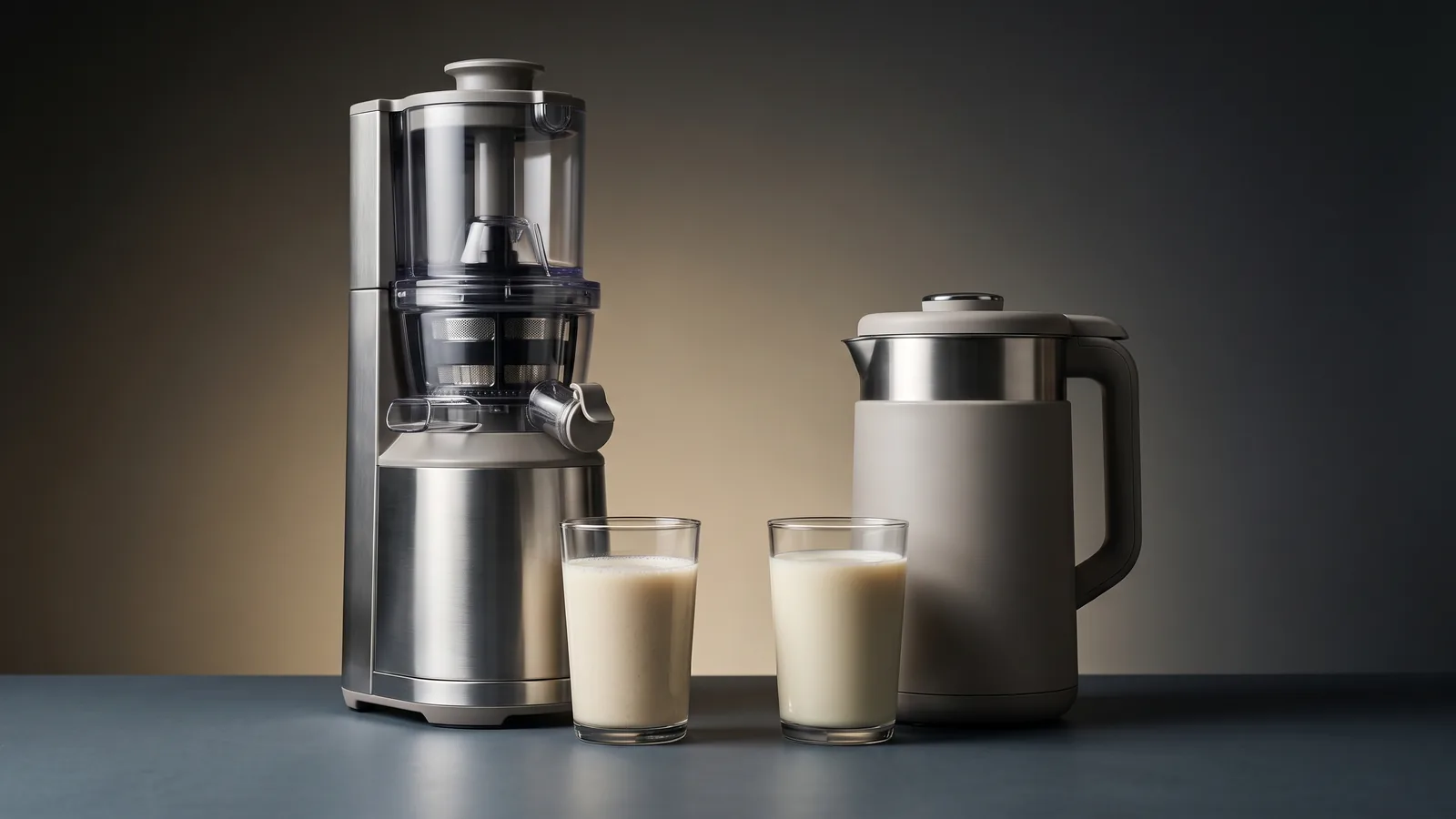
Almond Cow vs ChefWave Milkmade: Cold-Only Value or Versatile Heated?
The decision is mostly about one thing: do you need heated milks? The ChefWave Milkmade makes soy, oat, and heated milks across six programs and is the cleaning champion of the category — with durability as its weak point. The Almond Cow is cold-only (no soy) but wins on value, batch size, and simplicity, with a coarser strain its trade-off. Need soy: ChefWave. Cold nut milk on a budget: Almond Cow.
Read →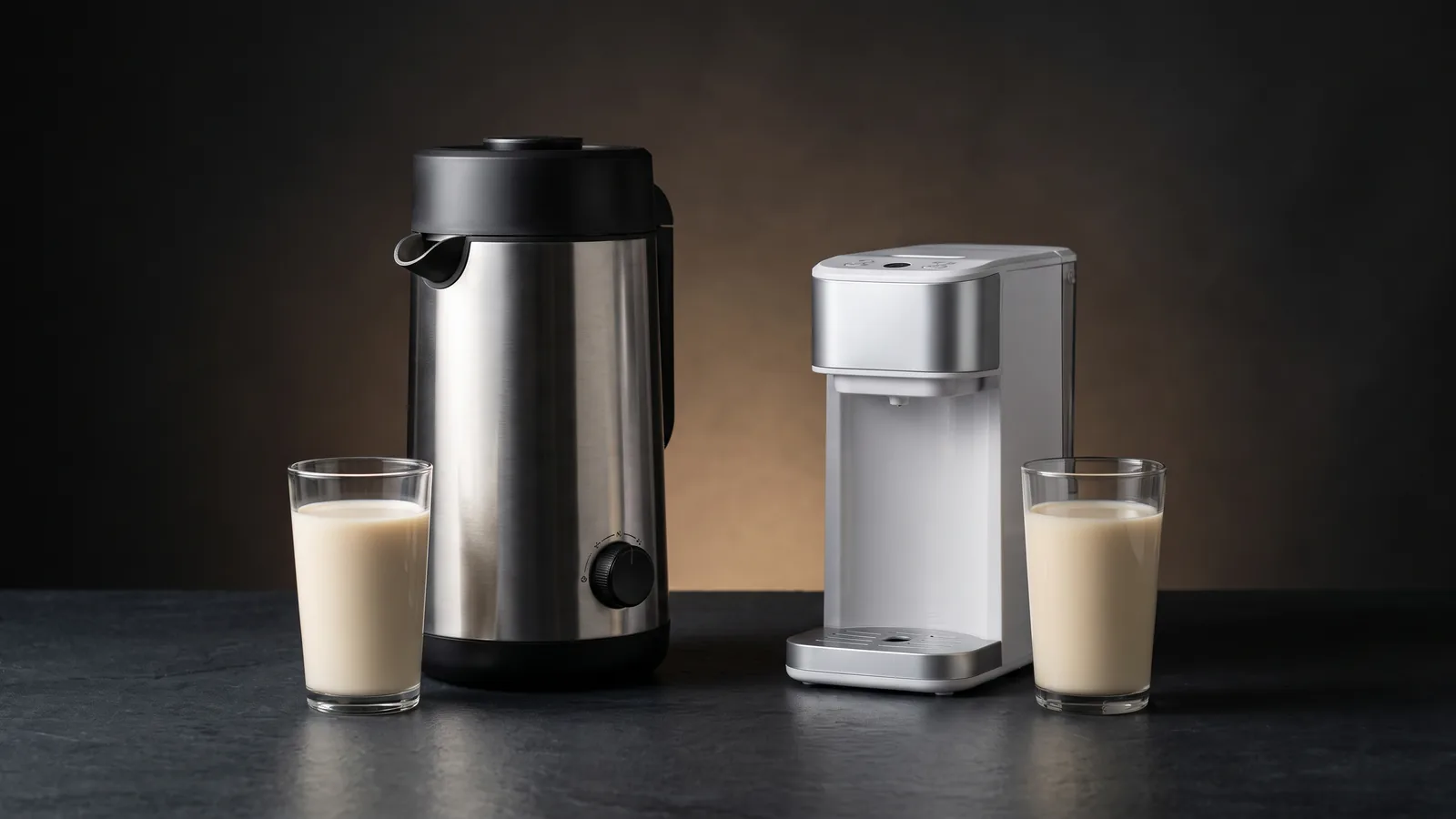
Nama M1 vs Almond Cow: Which Plant-Based Milk Maker Should You Buy?
Both are cold-only machines (neither makes soy) that owners reward strongly on value. The Nama M1 wins on durability, build, and a more refined result — and is the machine owners trust most to last. The Almond Cow wins on price, batch size, and simplicity, with a coarser strain as its one real weakness. Pick by budget and how much a fine, effortless strain matters.
Read →
The complete ranking
The definitive guide across the full category.