Food Processors
A complete, data-grounded guide to food processors — how to choose one, full-size vs mini, what a food processor can and cannot do, blade and disc explained, and which models earn the best marks from verified buyers. Buying guides and explainers come first; ranked picks and comparisons follow as review data is gathered and analyzed.
How they work
Buying guides and explainers — start here if you are new to the category.
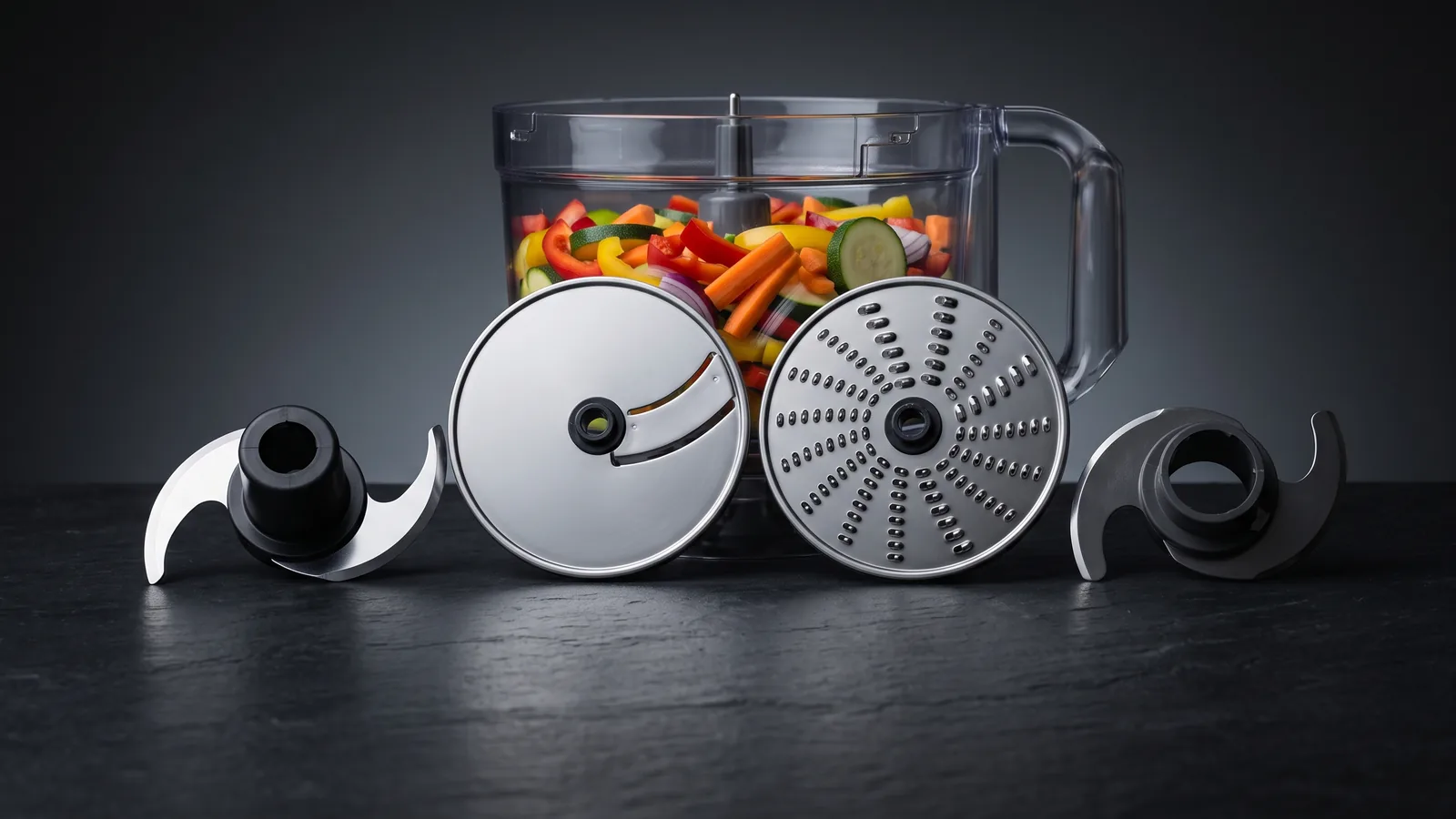
Food Processor Blades Explained: Every Type and Its Use (2026)
Most food processor owners use the S-blade for almost everything and never touch the discs — which means they are leaving 40% of the machine's capability unused. Understanding which blade or disc matches which task is the difference between a machine that transforms your kitchen and one that lives in a cabinet.
Read →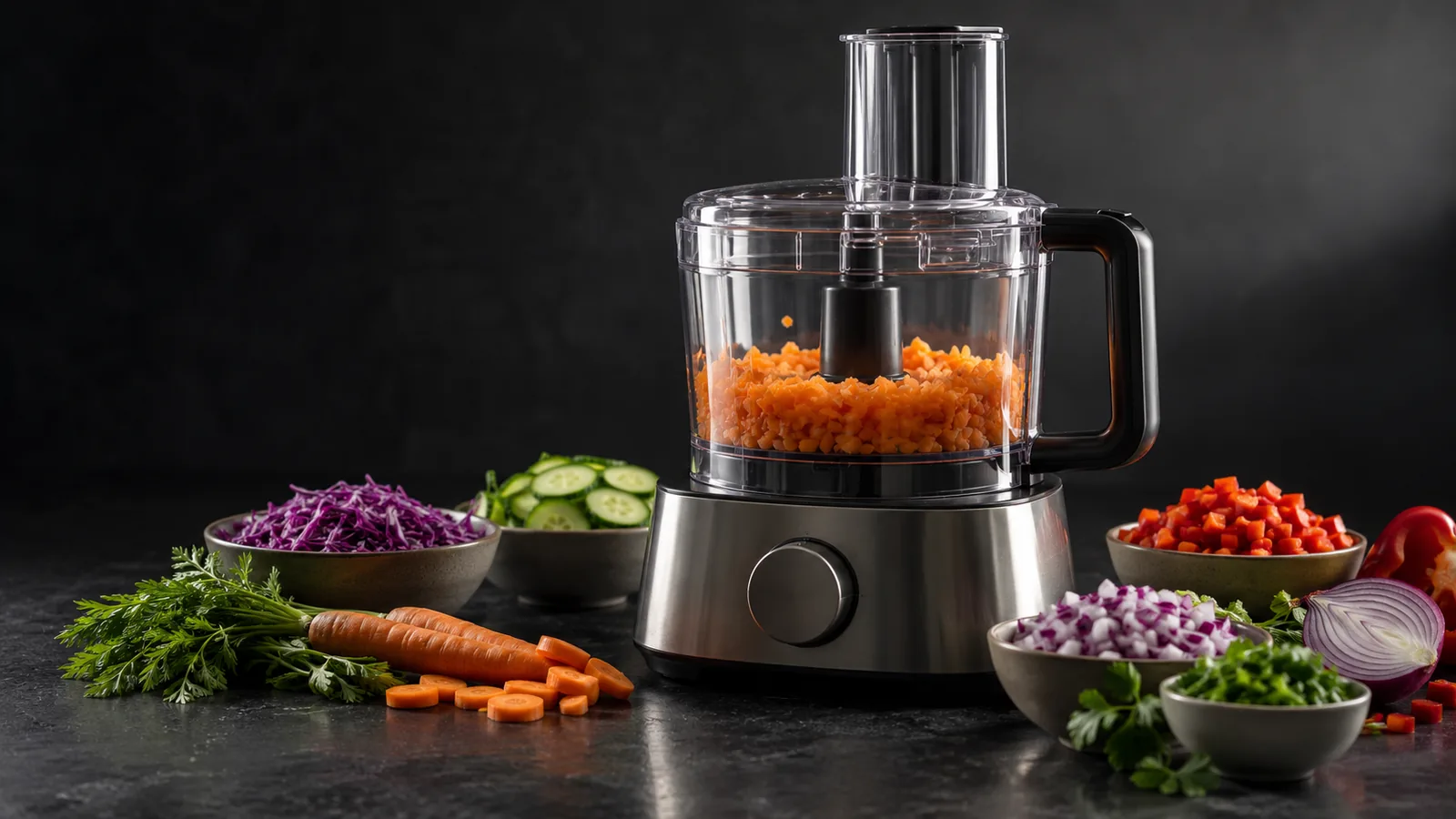
Food Processor Buyer Report 2026: What 1,188 Owner Reviews Reveal
We analyzed 1,188 verified owner-review mentions across 12 of the most-reviewed food processors to find what buyers consistently praise and criticize. The headline is counterintuitive: the category's most common weak point is blending — a job a food processor was never built for. On its actual work, it not only delivers, it beats its own marketing claims. The real fault line is value: buyers split harder on whether a processor is worth its price than on anything else.
Read →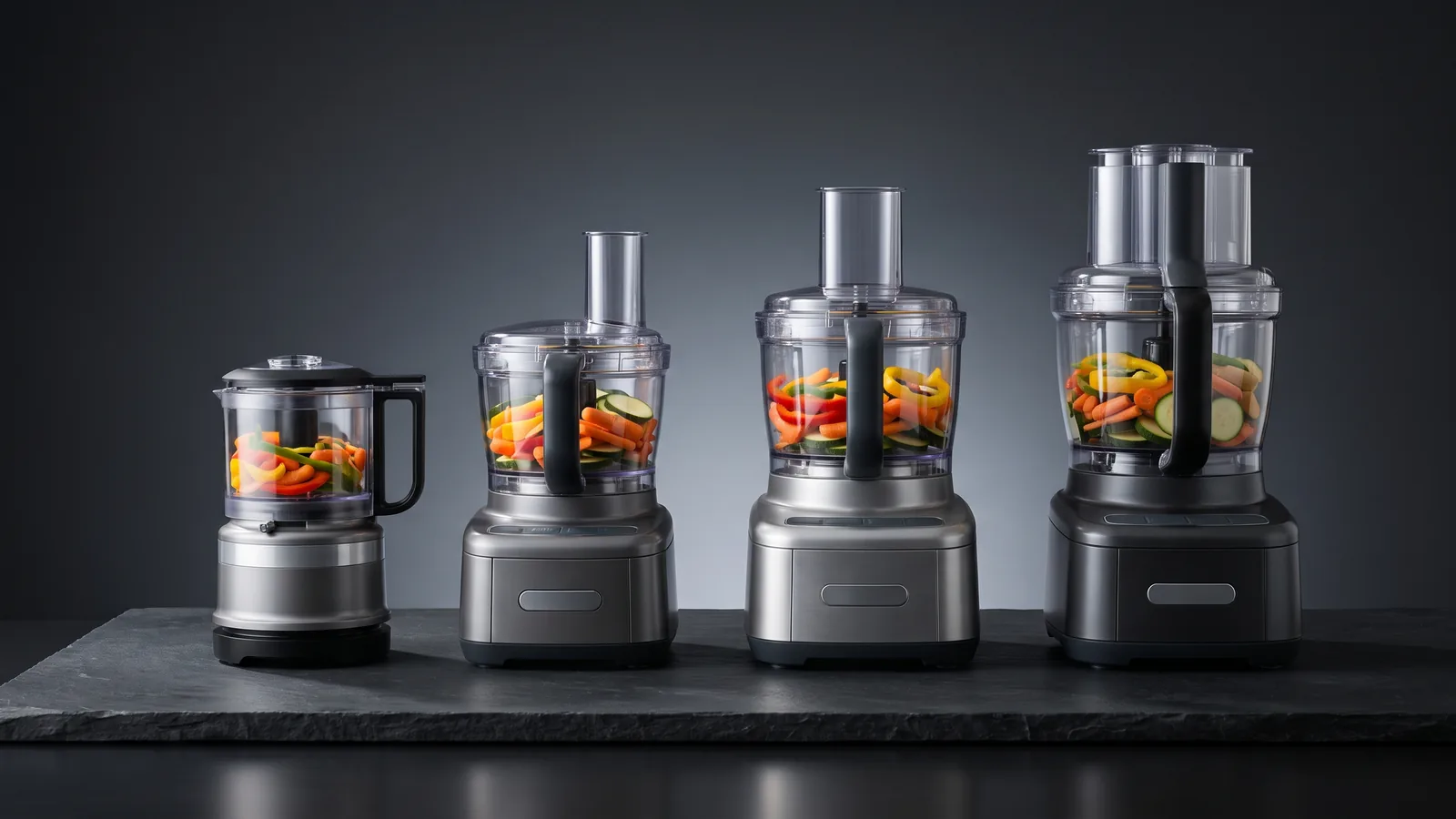
Food Processor Sizes: What Size Do You Need? (2026 Guide)
Food processor size is the bowl's dry capacity in cups. Most one- to two-person kitchens are best served by a 3-4 cup mini or a 7-9 cup midsize; a family of four wants 9-11 cups, and batch cooks want 12-14. The catch: the rated number is for dry ingredients, liquid capacity is far lower, and an oversized bowl processes small amounts poorly.
Read →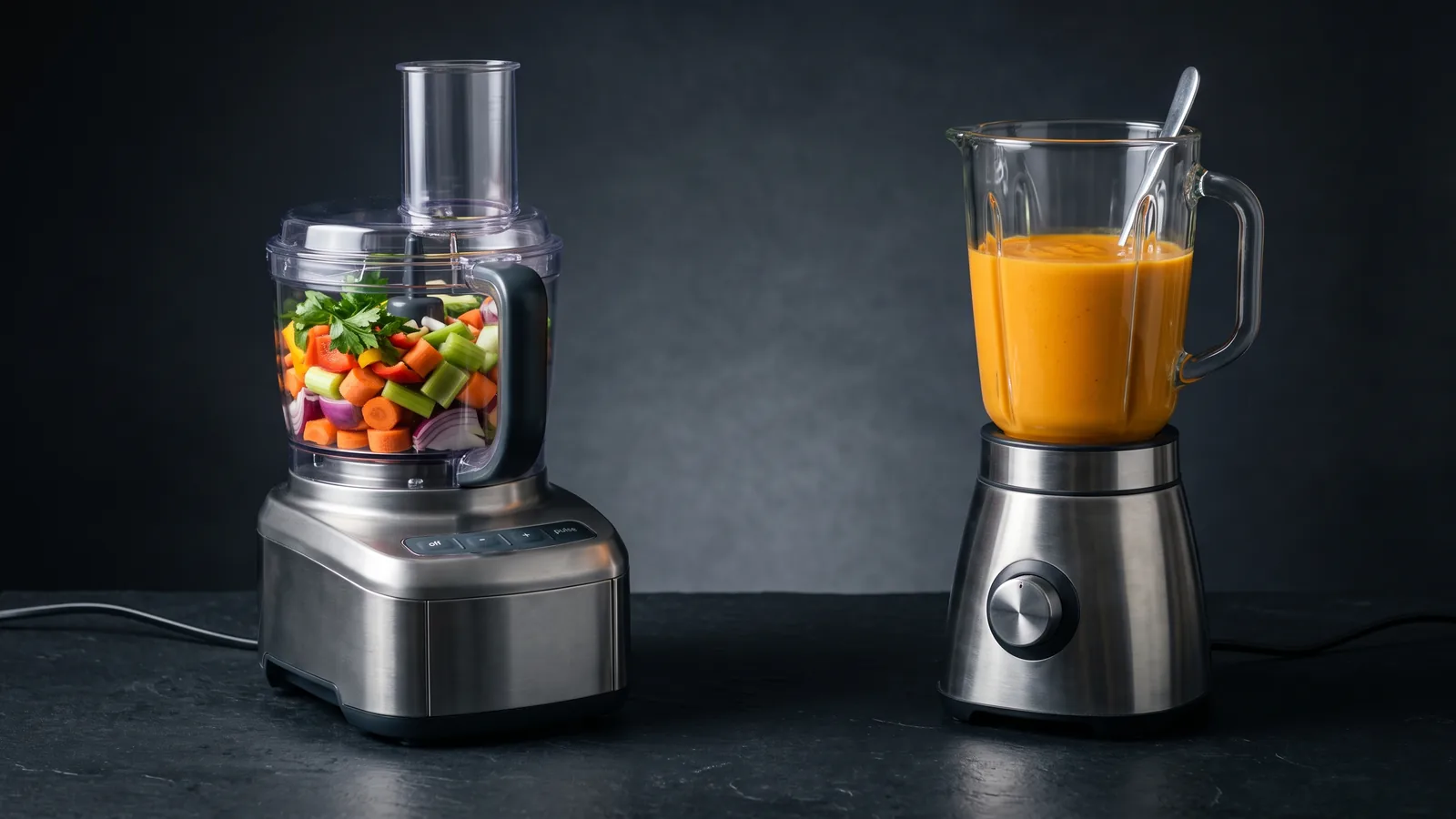
Food Processor vs Blender: Which One to Buy (and When You Need Both)
A food processor and a blender are not interchangeable — they process food differently and each handles tasks the other does poorly or cannot do at all. Understanding what you cook determines which you buy first, and most regular cooks end up needing both.
Read →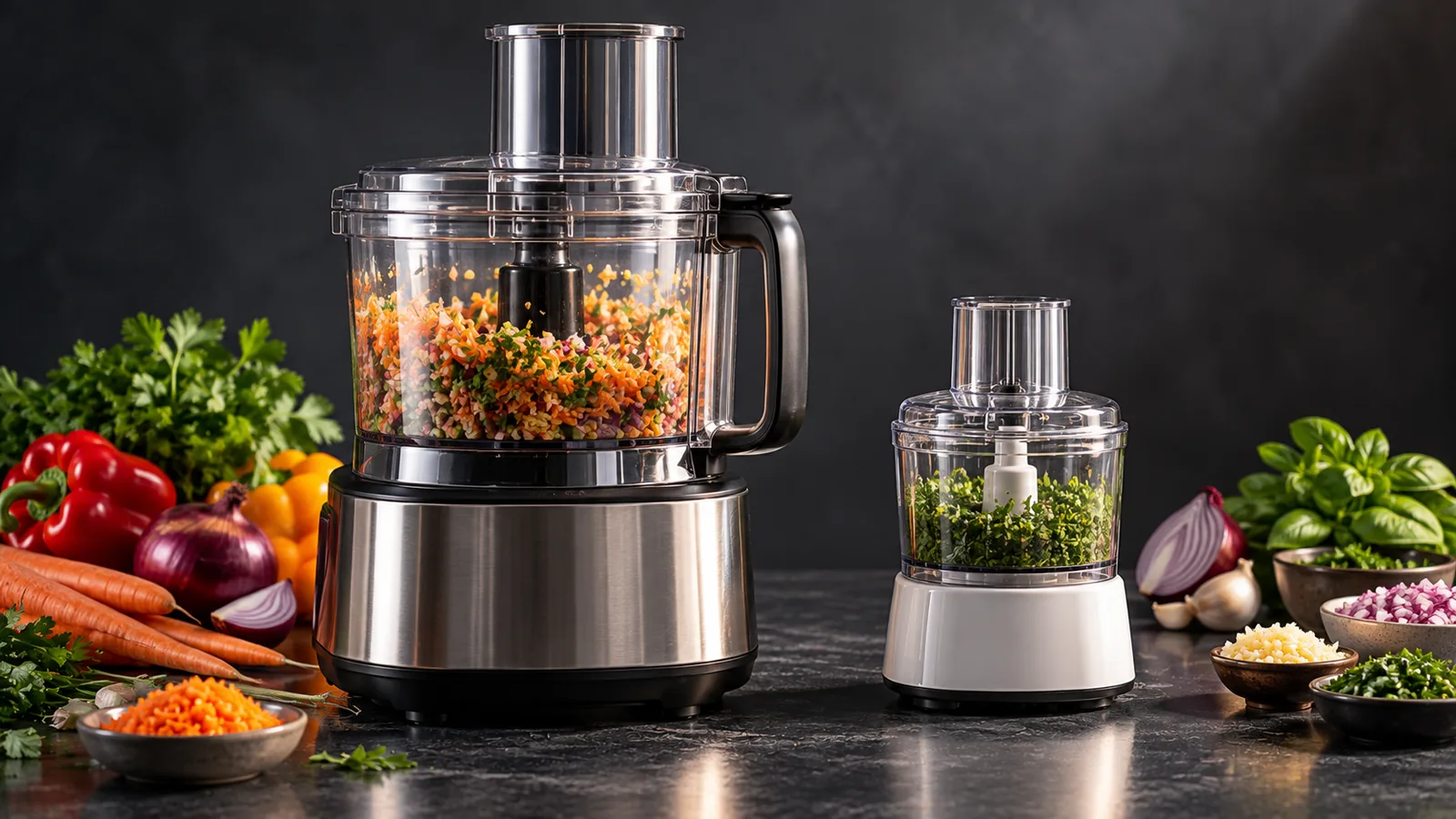
Full-Size vs Mini Food Processor: Which Do You Actually Need
Full-size and mini food processors are not the same tool at different scales — they have different use cases that do not substantially overlap. Buyers who own both consistently report using each for tasks the other handles poorly. The question is not which is better but which tasks you actually cook.
Read →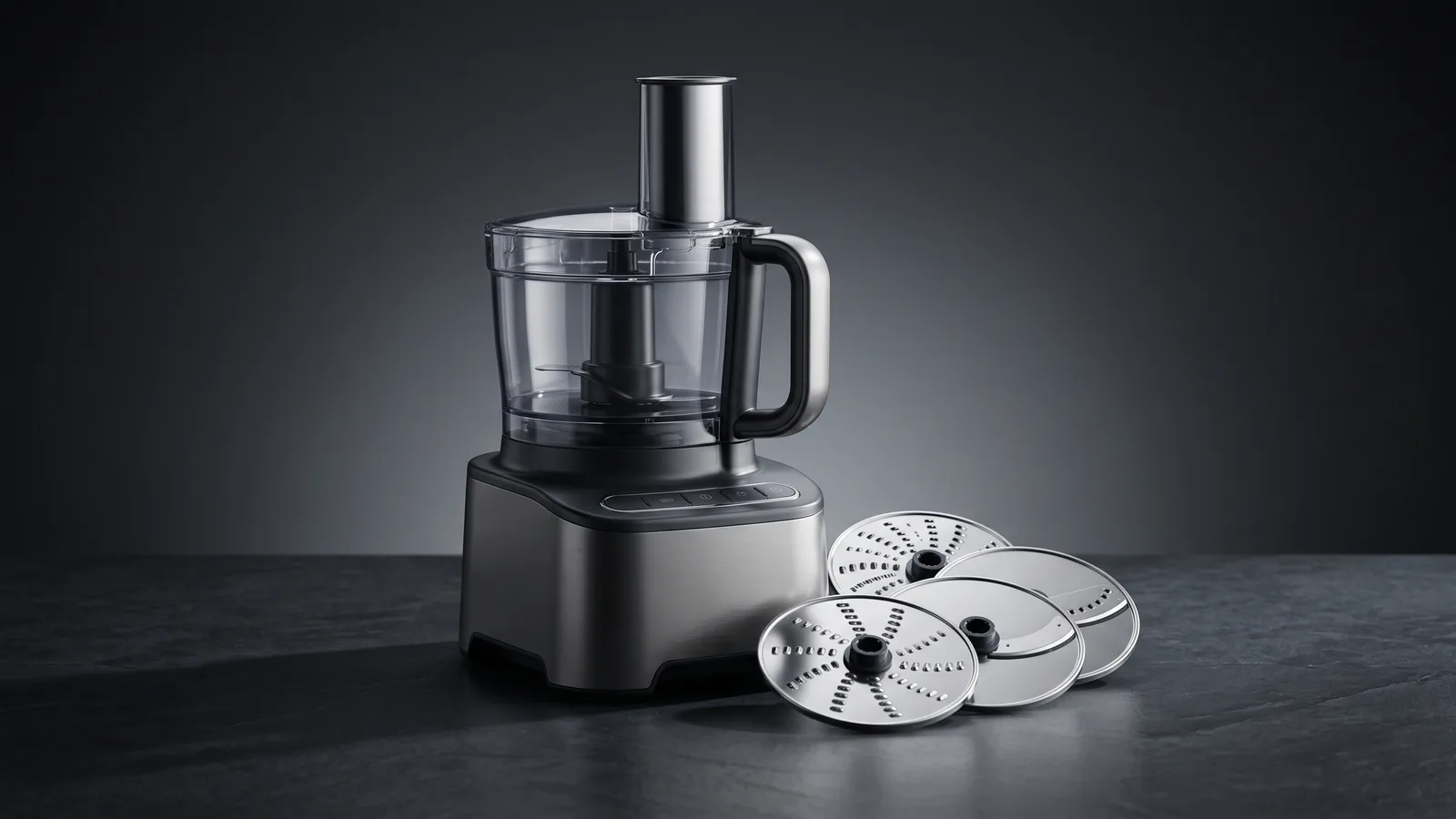
How to Choose a Food Processor: Capacity, Motor, and What Actually Matters
Most food processor buying decisions come down to two questions: what capacity you actually use (buyers almost universally regret buying too large), and whether the motor is powerful enough for the tasks you specifically intend. Everything else — brand, accessories, color — is secondary.
Read →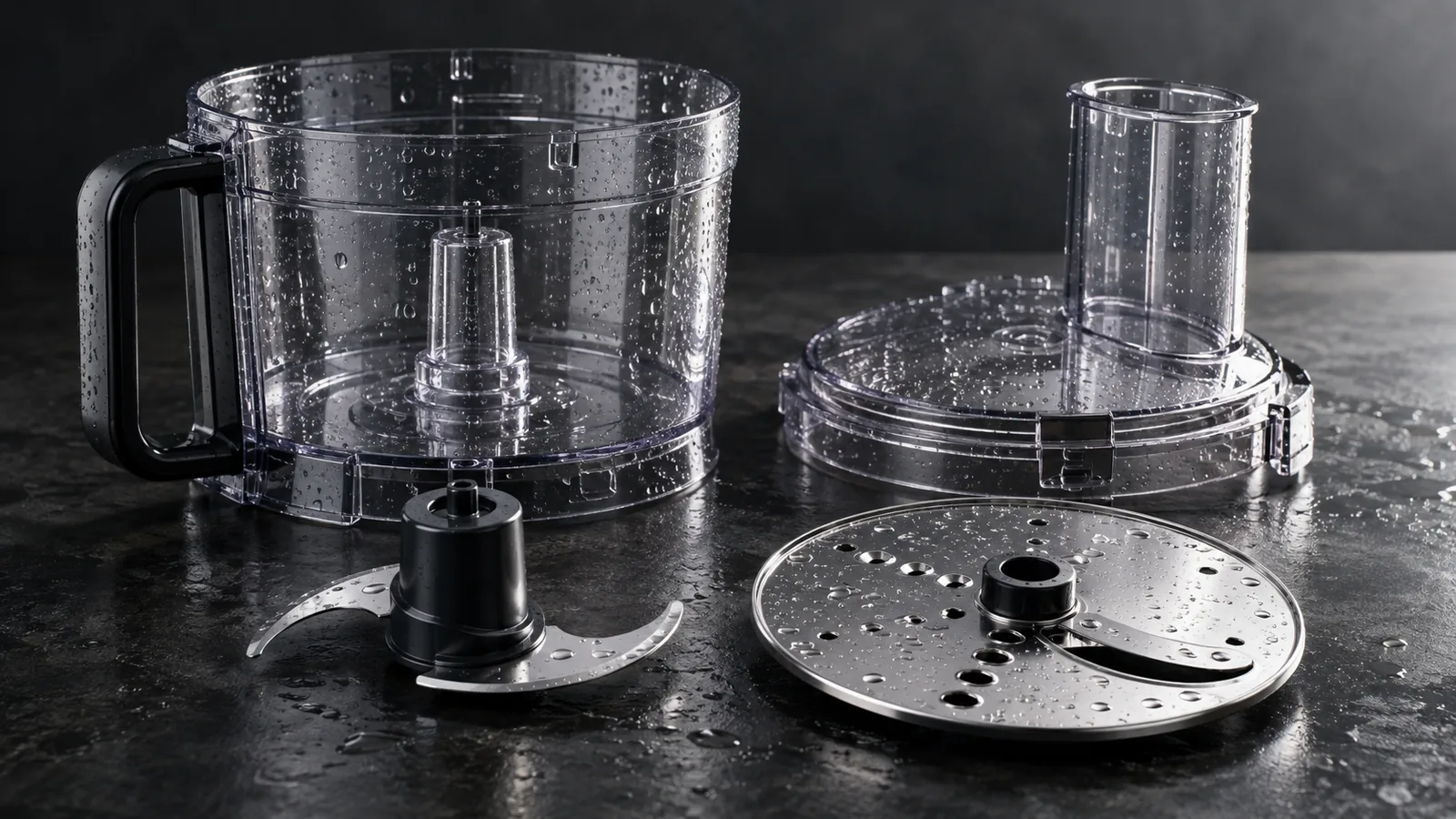
How to Clean a Food Processor Without Damaging the Blade or Bowl
Food processor cleaning has two specific risks that cause damage: reaching into the bowl while the blade is in place (cuts), and putting non-dishwasher-safe parts through the dishwasher repeatedly (dulled blades, clouded bowls, cracked seals). Both are easy to avoid with the right sequence.
Read →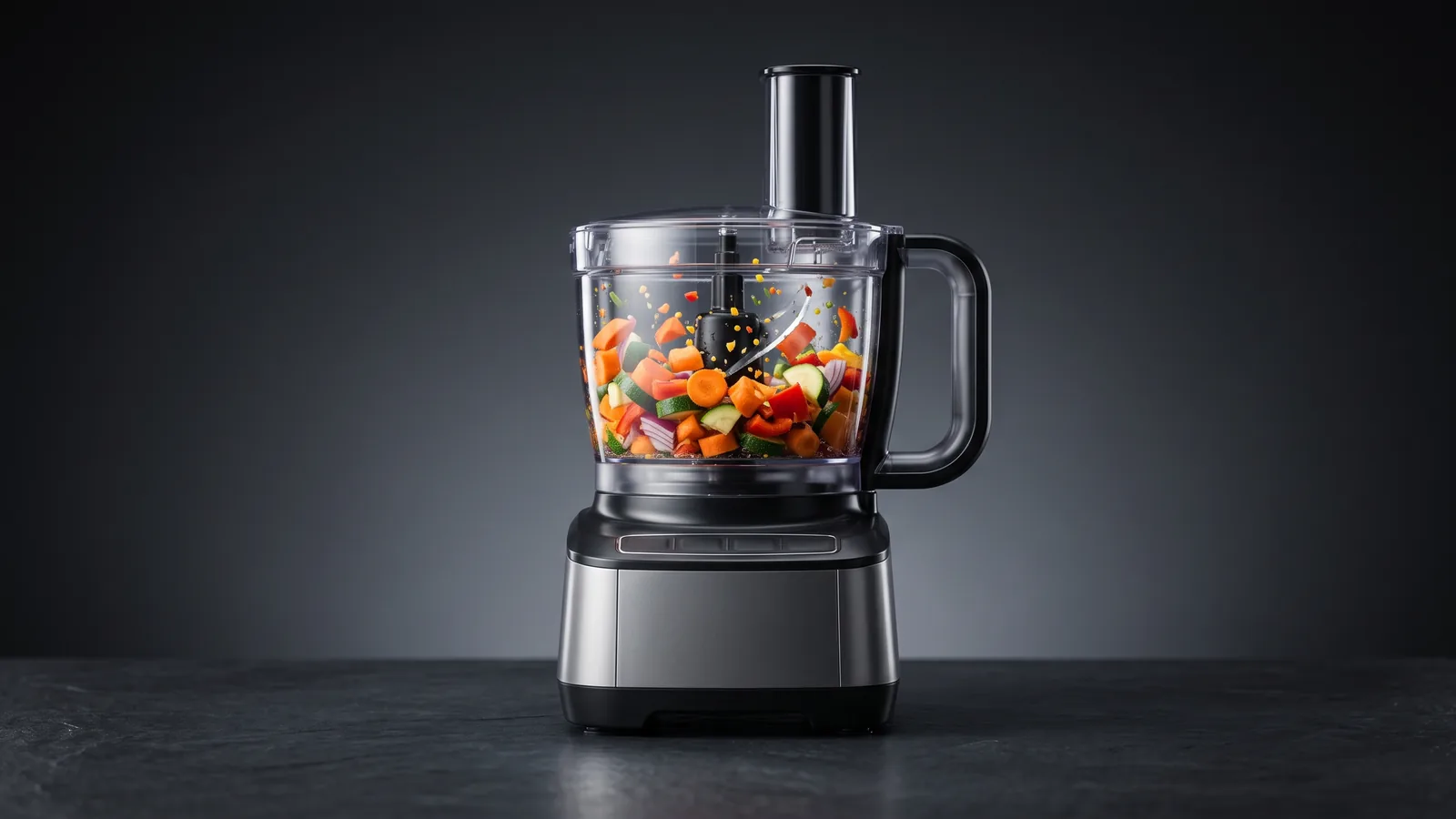
How to Use a Food Processor: A Beginner's Guide
Using a food processor is simple once you know three things: assemble it in the right order (bowl, blade, food, then lock the lid), pulse instead of running it continuously for most jobs, and never fill past the bowl's limits. Every brand — Cuisinart, KitchenAid, Ninja — works on the same principles.
Read →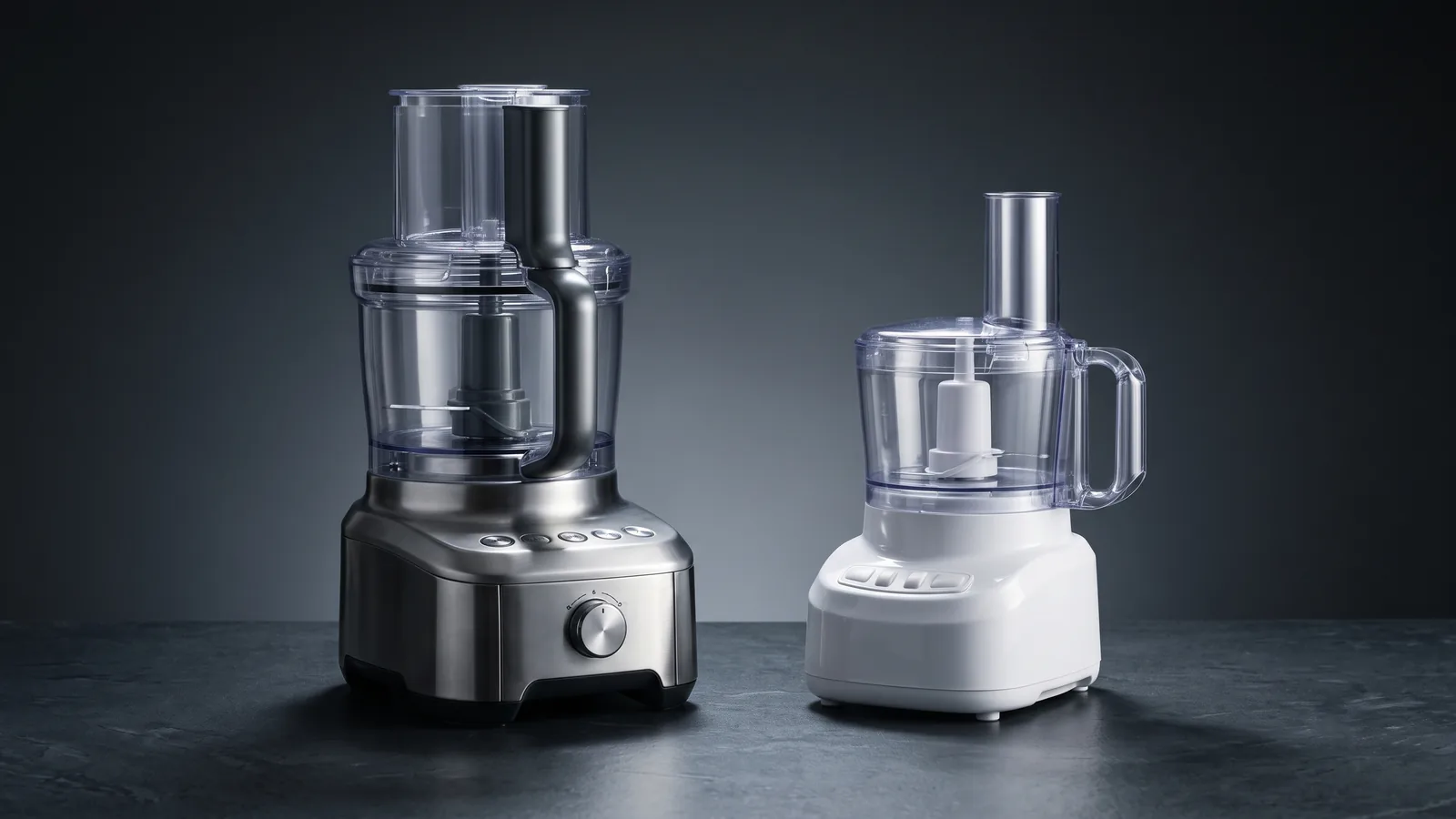
Premium vs Budget Food Processor: What You Actually Pay More For
A $40 food processor and a $250 one both chop an onion. What the extra money buys is a motor that survives dough and nut butter, a bowl and lid that do not crack, sharper and more numerous discs, and quieter operation. For chopping and basic prep, budget is fine. For endurance tasks, the cheap one is the one that breaks.
Read →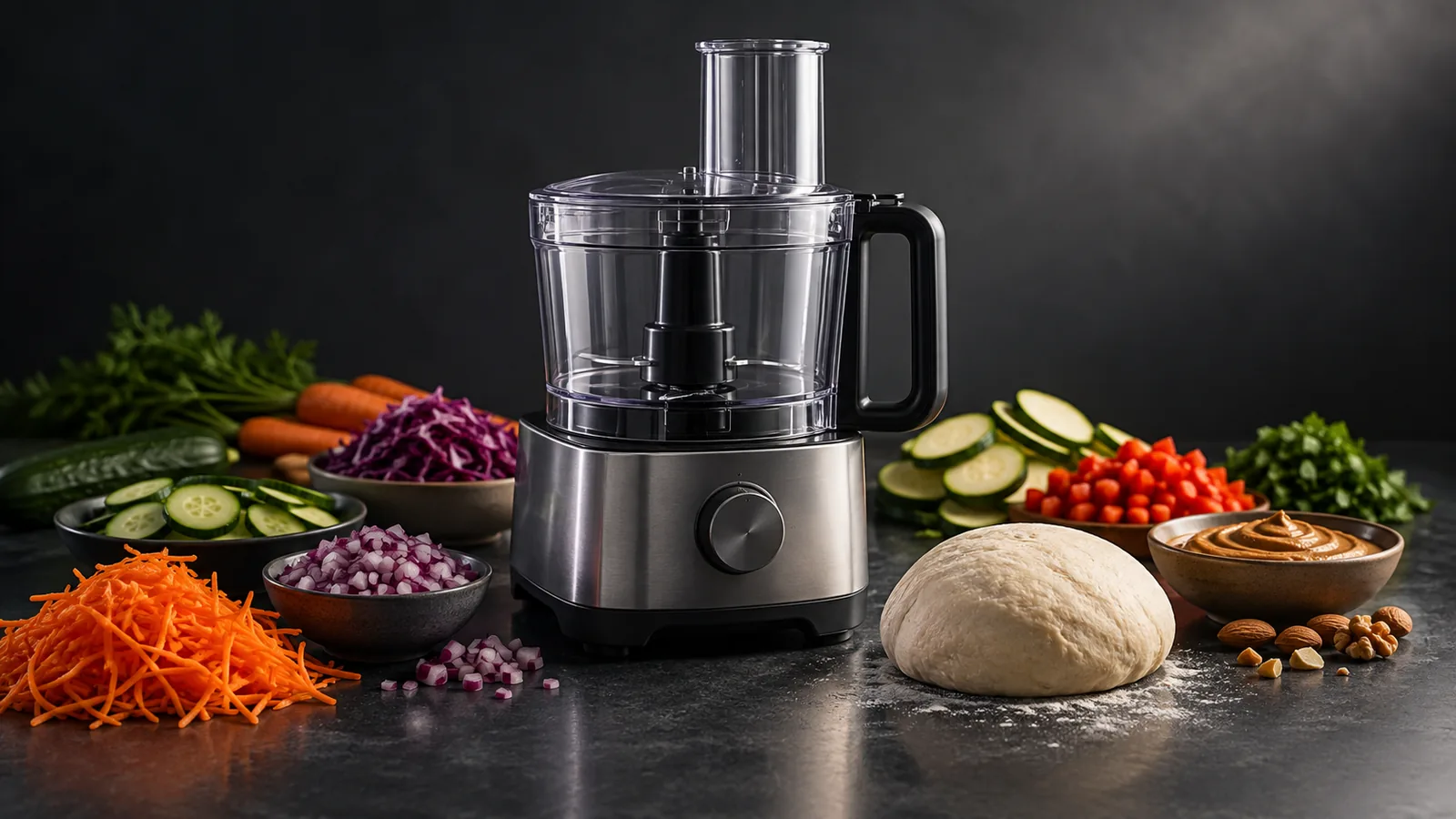
What Can a Food Processor Actually Do: Tasks, Limits, and When to Use a Different Tool
A food processor excels at tasks requiring rapid, uniform mechanical action on solid or semi-solid food: chopping, slicing, shredding, mixing doughs, and pureeing. It does these tasks faster and more consistently than any knife or hand method. It handles smooth liquid processing, whipping, and ice poorly or not at all.
Read →
Best for specific uses
Ranked picks for each use case, grounded in verified buyer review data.
Breville Sous Chef Review: The Refined Premium Processor
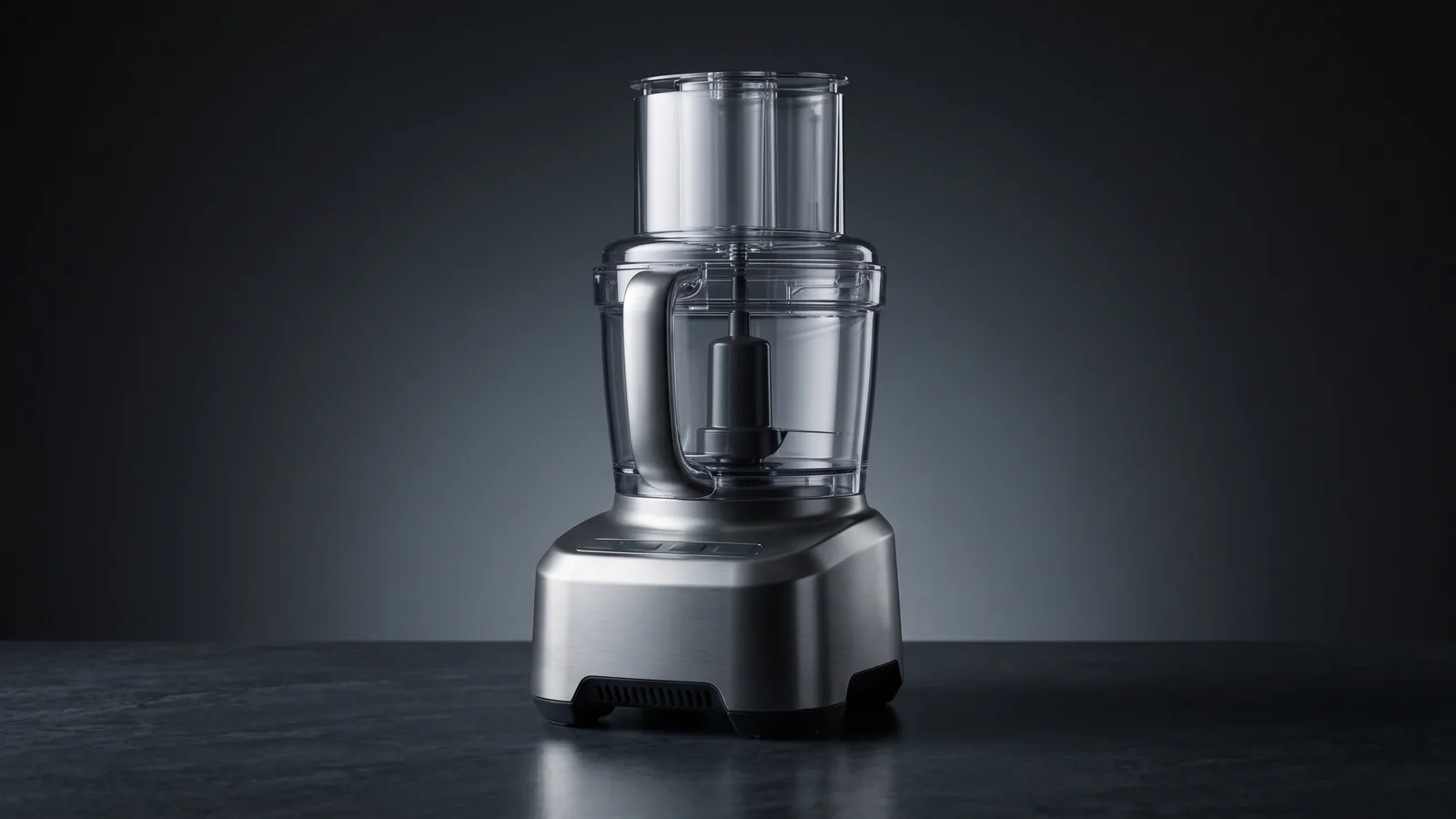
On a smaller (moderate-confidence) review base, owners reward the Breville Sous Chef for overall quality, for over-delivering on expectations, fast processing, adjustability, and easy cleaning — it reads as the most refined food processor in its group. The honest trade-offs are price (value is penalized) and a mild durability note. Worth it if you want the most capable, best-finished machine and will pay the premium; for most people, a cheaper machine does the everyday job.
Read →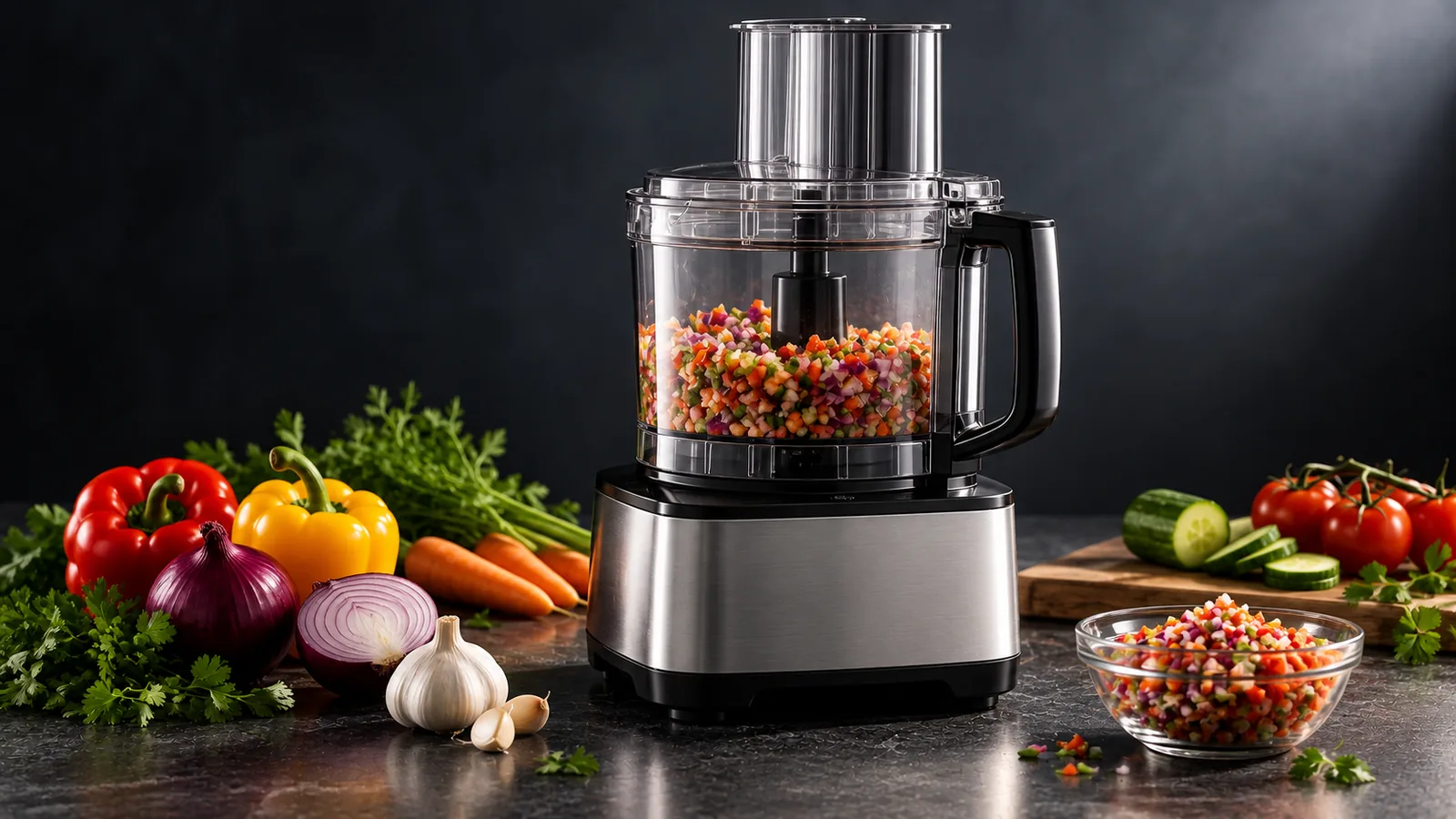
Cuisinart 14-Cup Food Processor Review: The Powerful Workhorse (With a Learning Curve)
Owners reward the Cuisinart 14-Cup for overall quality and processing strength above almost anything in the category — it's the workhorse that chops, slices, shreds, and powers through dough and nut butter. The honest trade-offs are real: ease of use is its weak point (owners find the bowl-and-lid locking fiddly), value is penalized, and the category's breakage risk applies. The best food processor for most people who cook seriously and will accept a learning curve.
Read →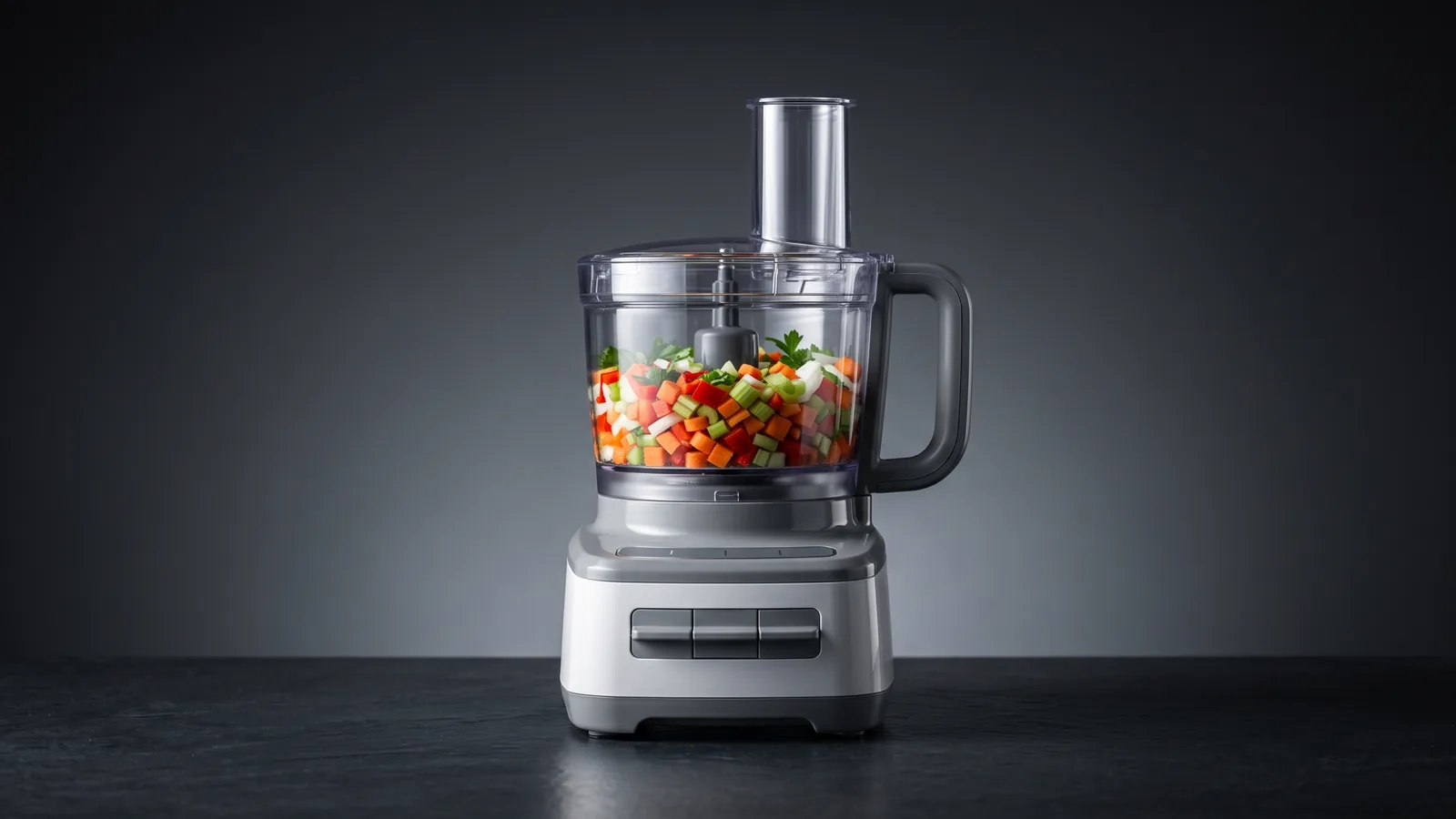
Hamilton Beach Stack & Snap Food Processor Review: The Easy, Value Full-Size Pick
Owners reward the Hamilton Beach Stack & Snap for ease of use and ease of cleaning — its no-twist-lock design sidesteps the category's biggest frustration — plus value, cut precision, and a full-size bowl. It's the easy, capable, well-priced full-size processor, and the antidote to the fiddly assembly that plagues pricier machines. Its one real caveat is mild durability, so buy from a seller with an easy return window.
Read →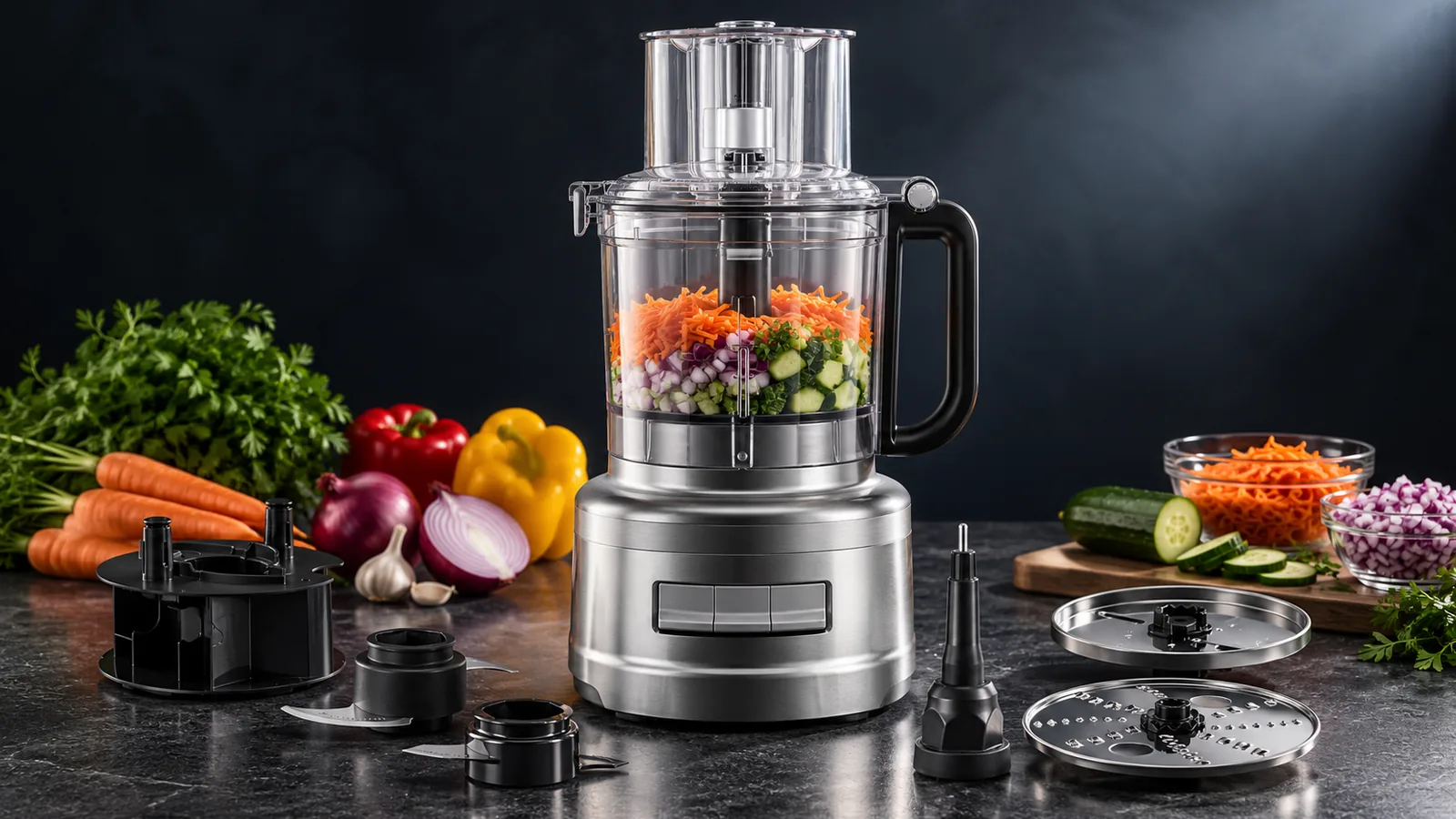
KitchenAid 13-Cup Food Processor Review: Big Capacity, Watch the Plastic
Owners reward the KitchenAid 13-Cup for storage capacity, processing experience, strength, and value — a big-bowl machine that handles large batches and demanding prep. The honest, specific caveat is durability: owners report flimsy plastic parts and early failures, some describing it as 'built to break.' The pick if you need the large capacity, bought from a seller with an easy return window and treated gently.
Read →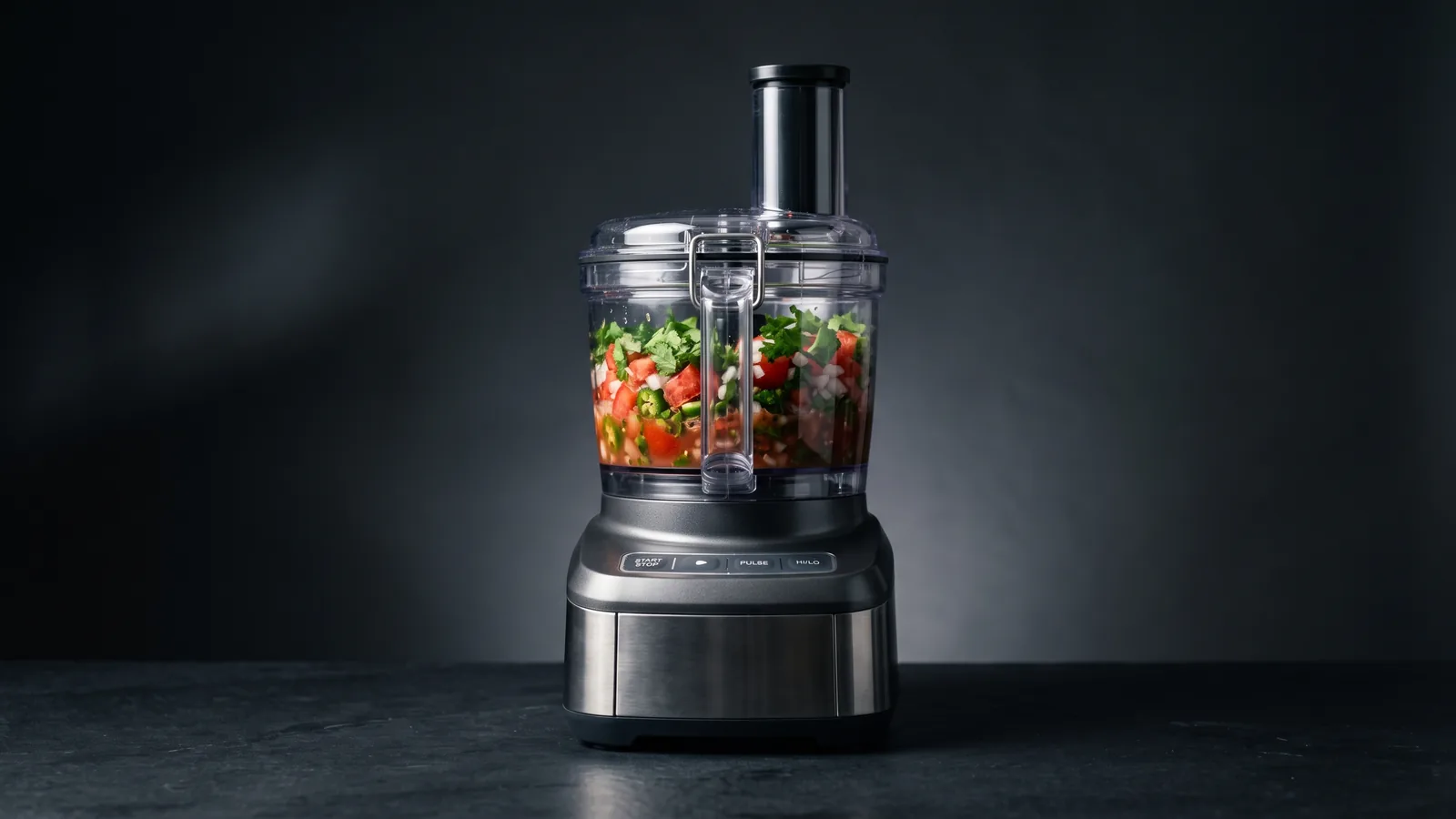
Ninja Professional Plus Food Processor Review: Powerful and Well-Liked, Mind the Lid
Owners reward the Ninja Professional Plus food processor for overall quality, value, and motor power on the deepest review base of the full-size machines — it's powerful, well-liked, and strong enough for dough and nut butter. The honest caveat is a real breakage pattern: owners repeatedly report the lid (and occasionally the motor) failing, sometimes within months. Excellent when it lasts; buy with an easy return window and treat the lid gently.
Read →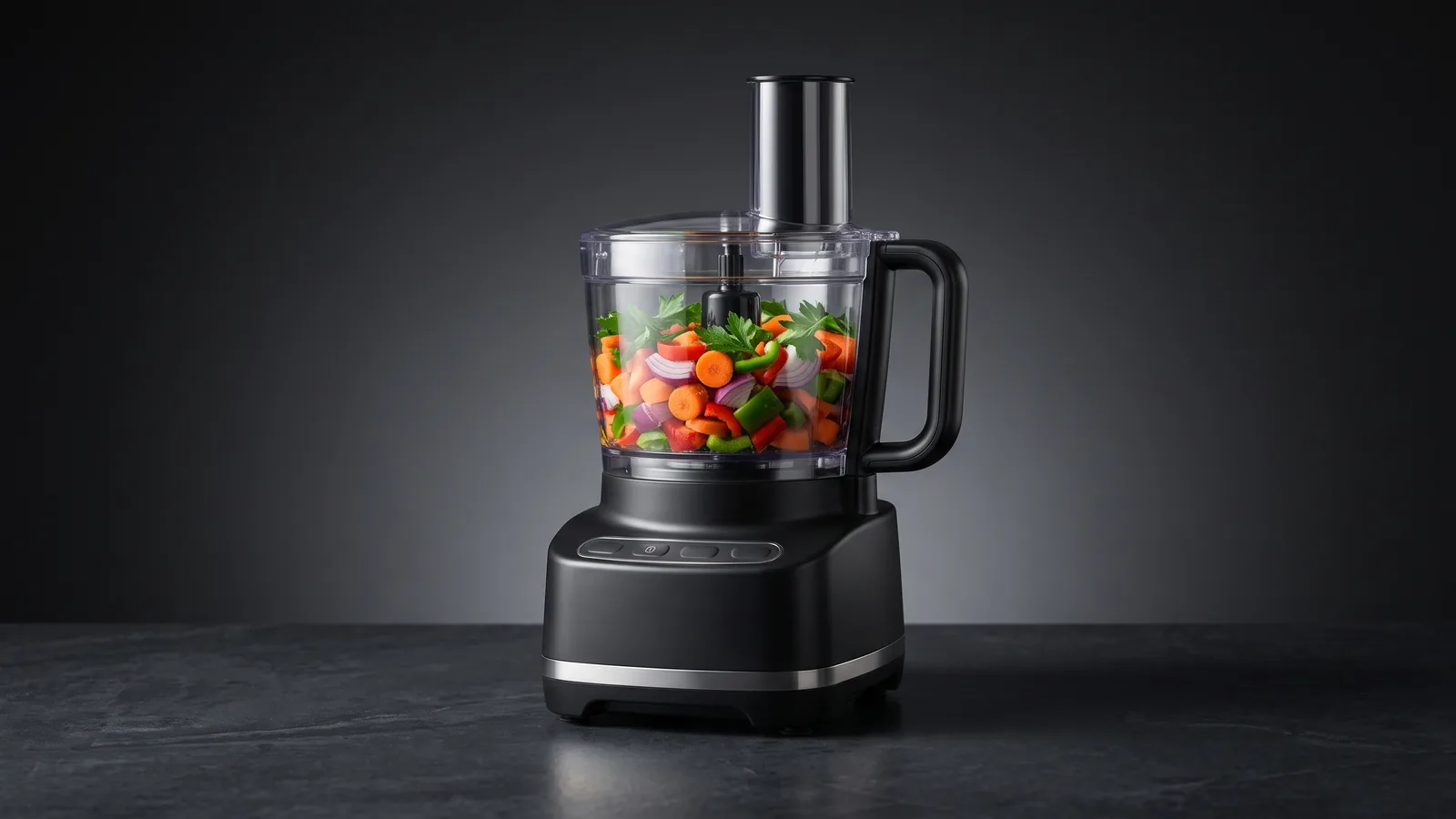
The Best Budget Food Processors of 2026
The best budget food processor is the Hamilton Beach Stack & Snap — owners reward it for ease of use, ease of cleaning, and value, a genuinely capable full-size machine that skips the fiddly twist-lock. For a small budget mini, the Cuisinart Mini-Prep Plus is the value classic; the Black+Decker 1.5-cup is the cheapest. All share the category caveat: parts break, so buy from a seller with an easy return window.
Read →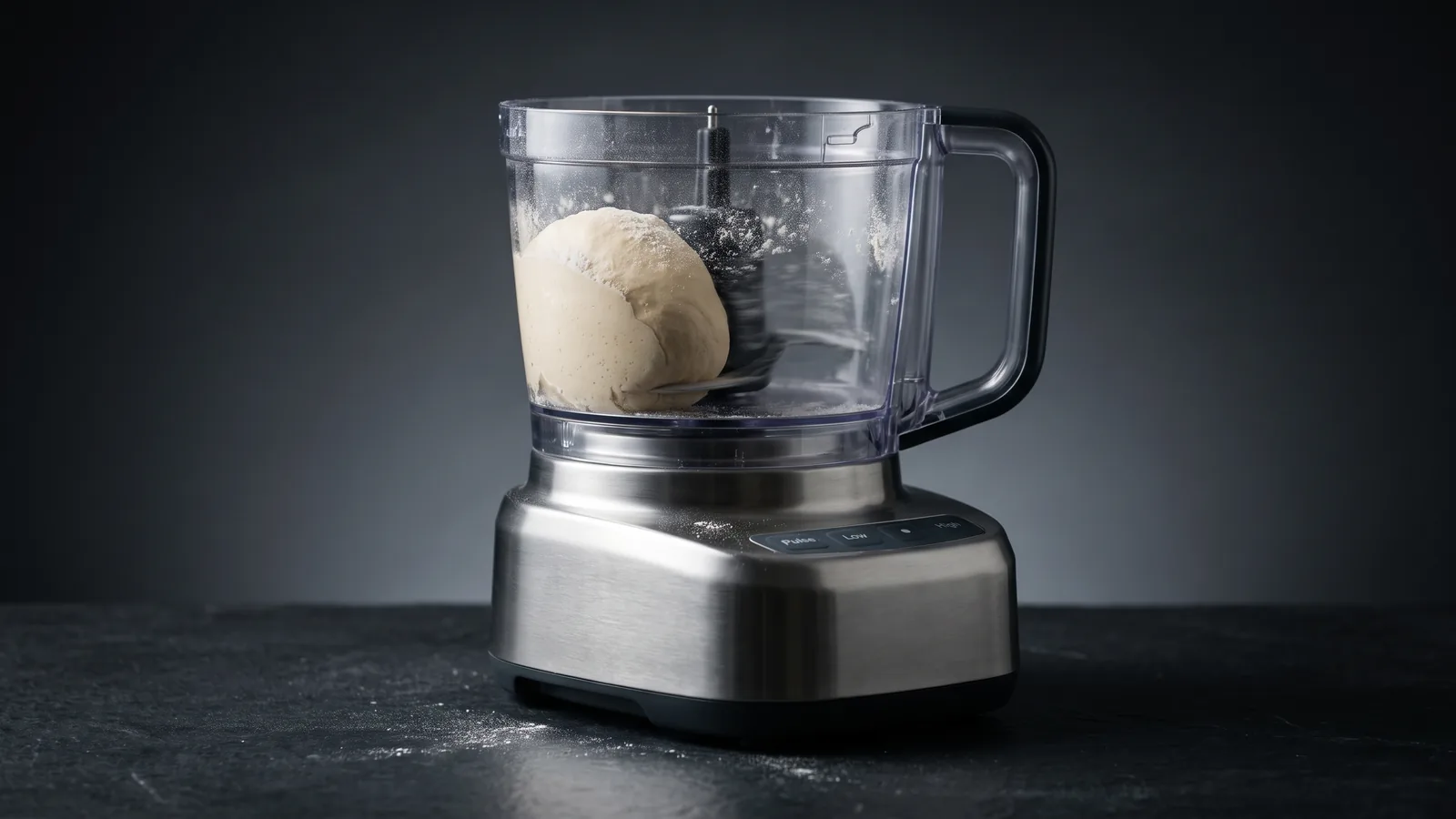
The Best Food Processors for Bread Dough and Pastry (2026)
Dough is a torque test, and the best food processor for it is the Cuisinart 14-Cup — owners reward it for processing strength and quality above almost anything in the category, so it powers through stiff dough where weaker machines stall. The KitchenAid 13-Cup is the big-batch alternative (with a flimsy-plastic durability caveat); the Ninja Pro Plus is powerful too (watch the lid); the Breville Sous Chef is the premium. Pulse, don't run continuously — that's what protects the motor.
Read →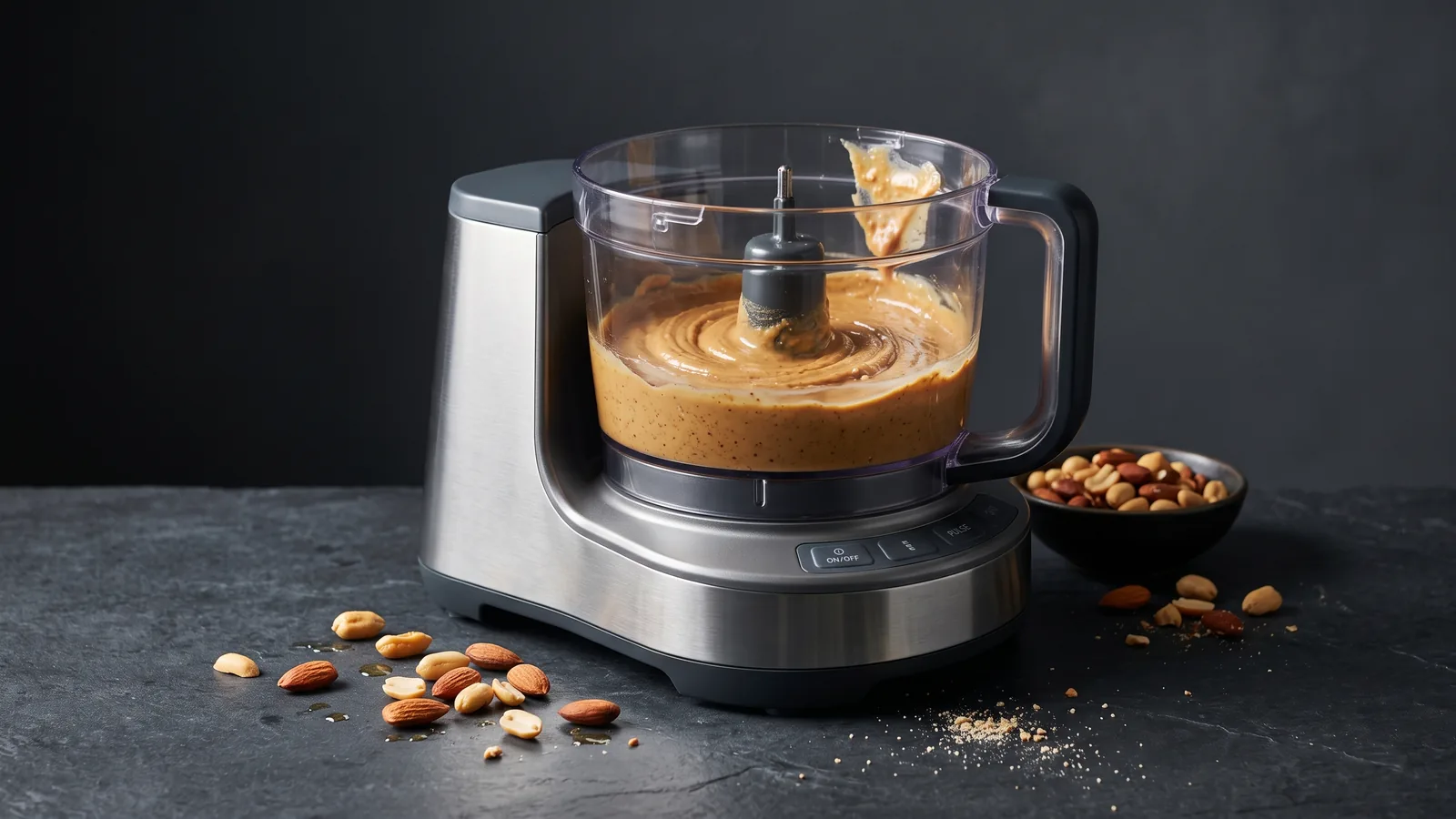
The Best Food Processors for Nut Butter (2026)
Nut butter is the endurance test — minutes of continuous high-torque running — and the best food processor for it is the Cuisinart 14-Cup, which owners reward for processing strength and quality above almost anything in the category. The Ninja Pro Plus is another strong-motor pick (mind the lid); the Breville Sous Chef is the premium. Whatever you buy, run in intervals and let the motor rest — that's how you make nut butter without burning it out.
Read →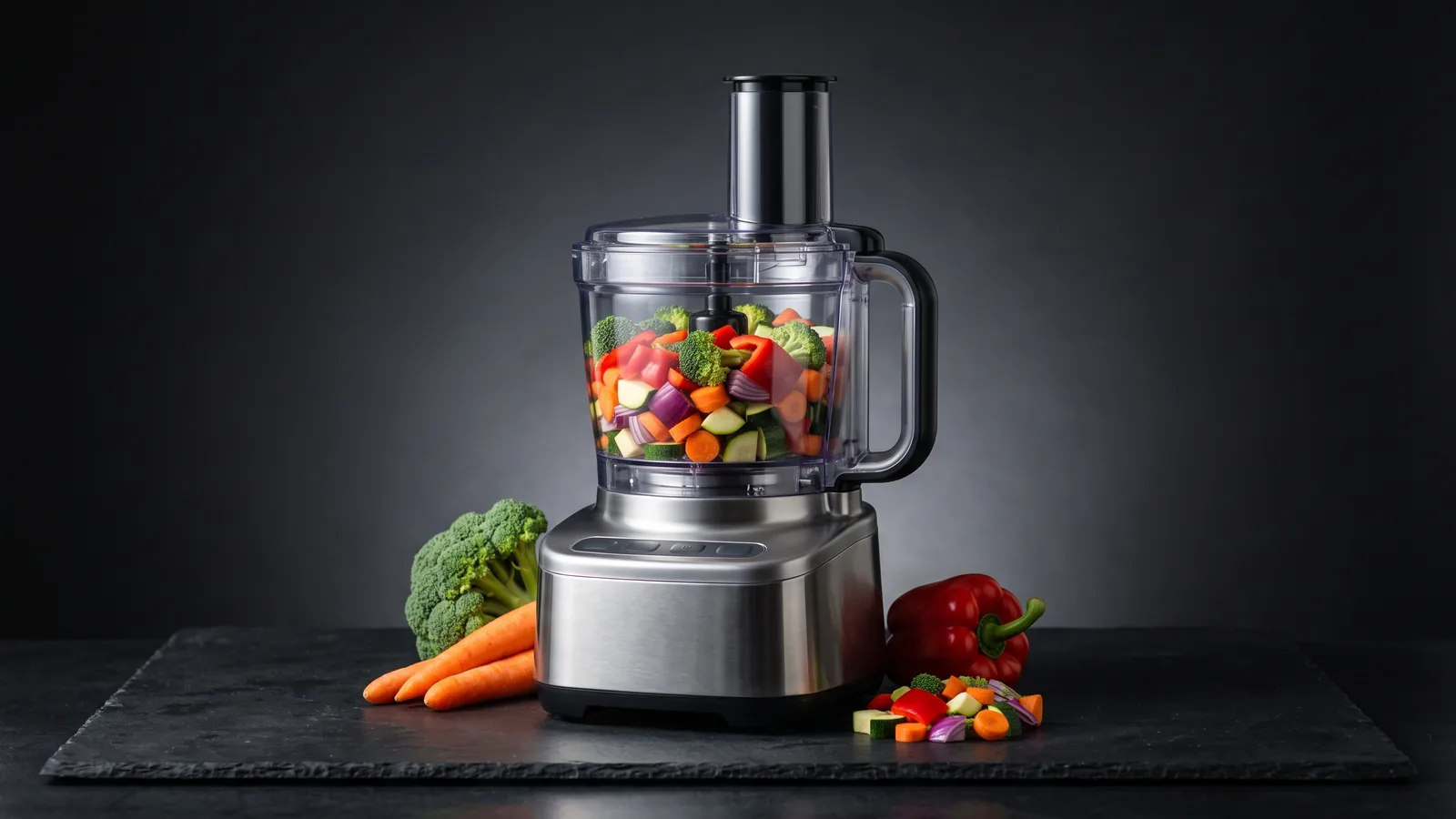
The Best Food Processors of 2026
The best food processor for most people is the Cuisinart 14-Cup — owners reward it for overall quality and processing power above almost anything in the category, the workhorse that chops, slices, and shreds without complaint. Its honest trade-offs are a learning curve (owners find it fiddly to assemble) and price. The Hamilton Beach Stack & Snap is the easy, value pick; the Ninja Pro Plus is the versatile one; the Breville Sous Chef is the premium. One flaw runs through the whole category: parts break.
Read →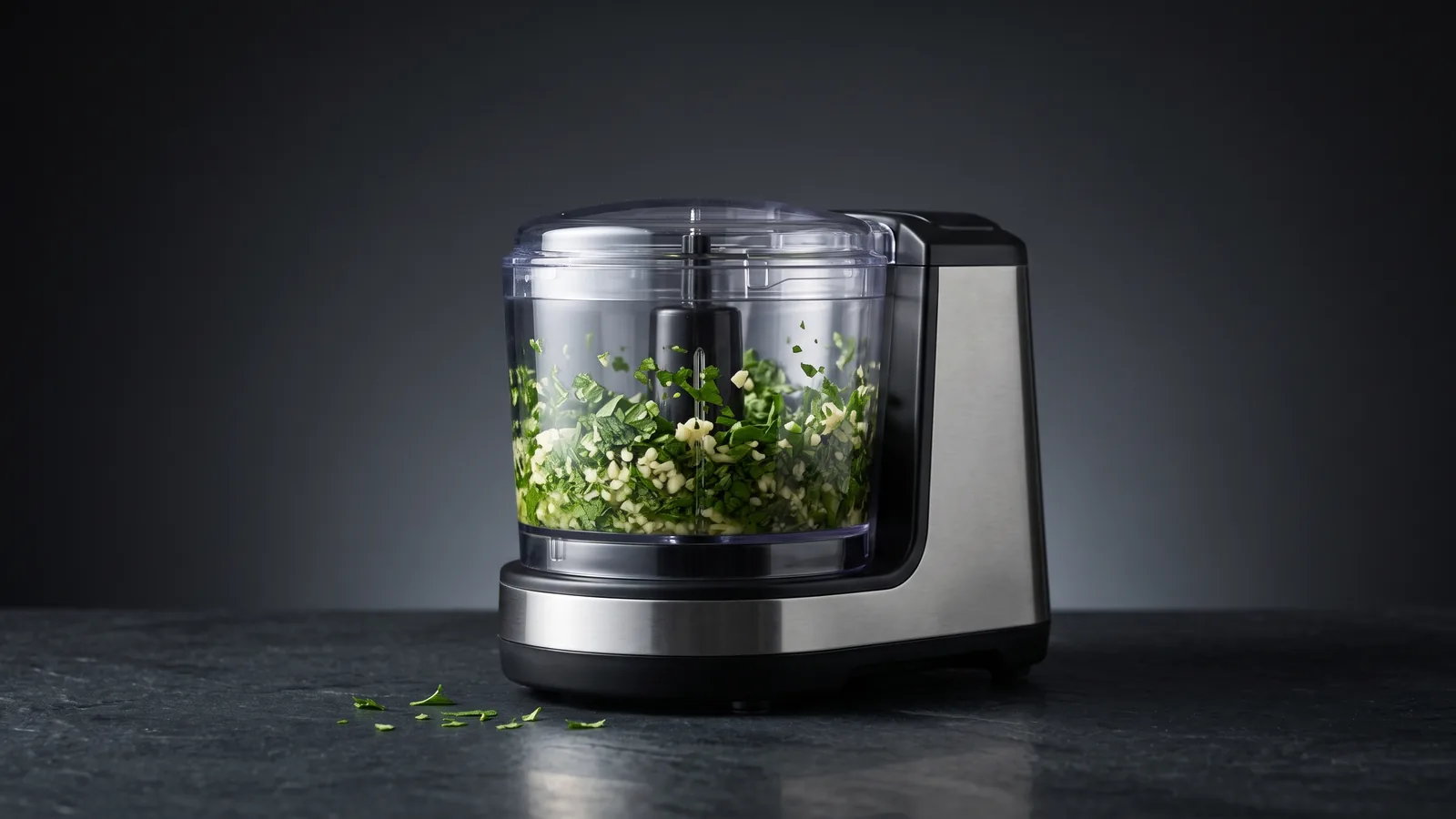
The Best Mini Food Processors of 2026
The best mini food processor is the Cuisinart Mini-Prep Plus — owners reward it for value and compactness on the deepest review base in the category, the go-to for dressings, small chops, and light prep. The KitchenAid 3.5-cup is the slightly bigger, better-blending step up; the Black+Decker 1.5-cup is the cheapest. Minis are for small jobs by design — match the size to how much you actually make.
Read →
Head-to-head comparisons
Direct comparisons between specific brands and models.
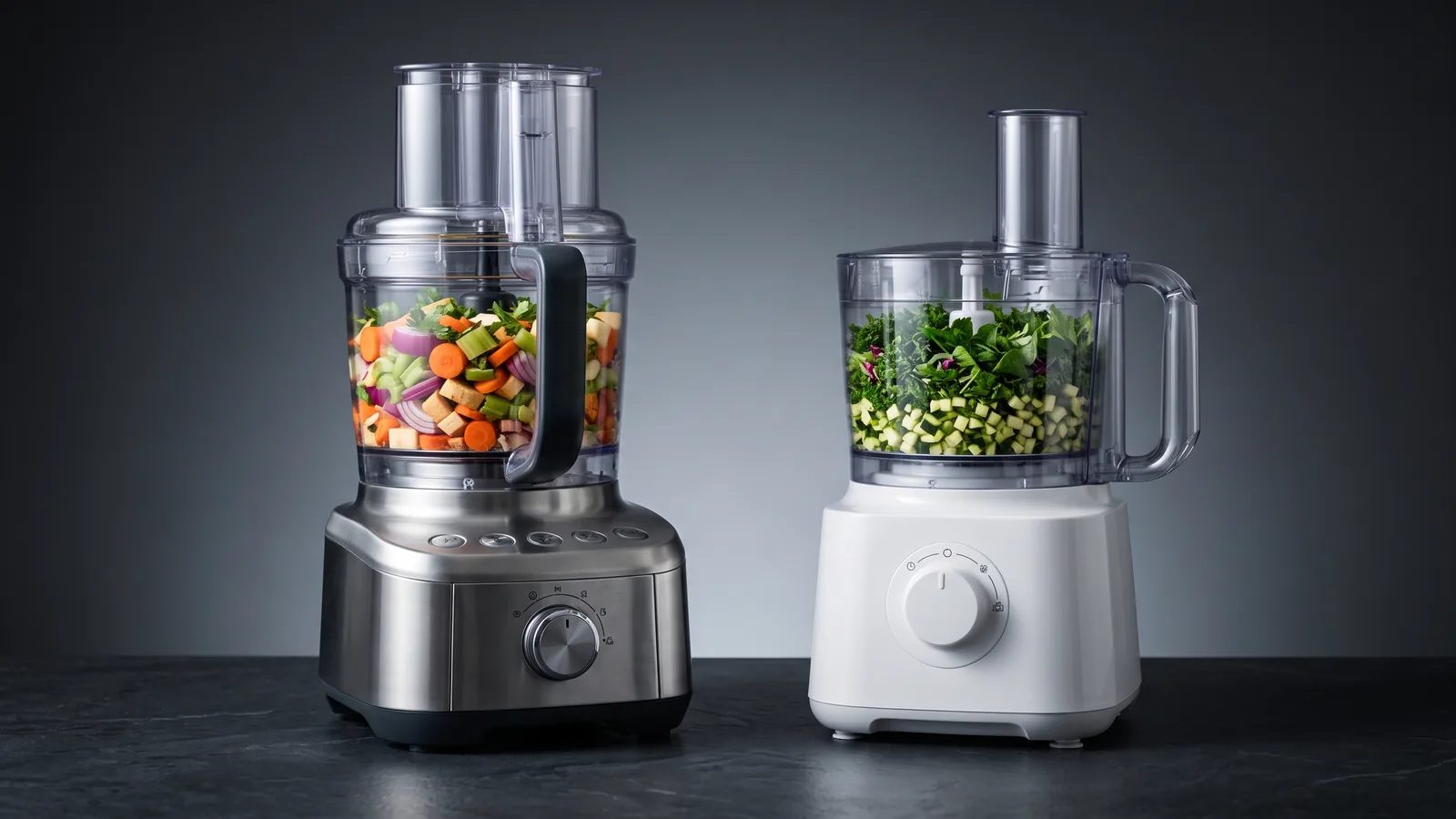
Cuisinart 14-Cup vs Hamilton Beach Stack & Snap: Power or Simplicity?
This is a clean trade: power versus simplicity. The Cuisinart 14-Cup is the powerful workhorse owners reward for quality and strength — but assembly is fiddly and it costs more. The Hamilton Beach Stack & Snap is the easy, cheap machine owners reward for ease of use and value, with its no-twist-lock design — but less raw power and a mild durability caveat. Want to power through dough and nut butter: Cuisinart. Want easy, capable, and cheap: Hamilton Beach.
Read →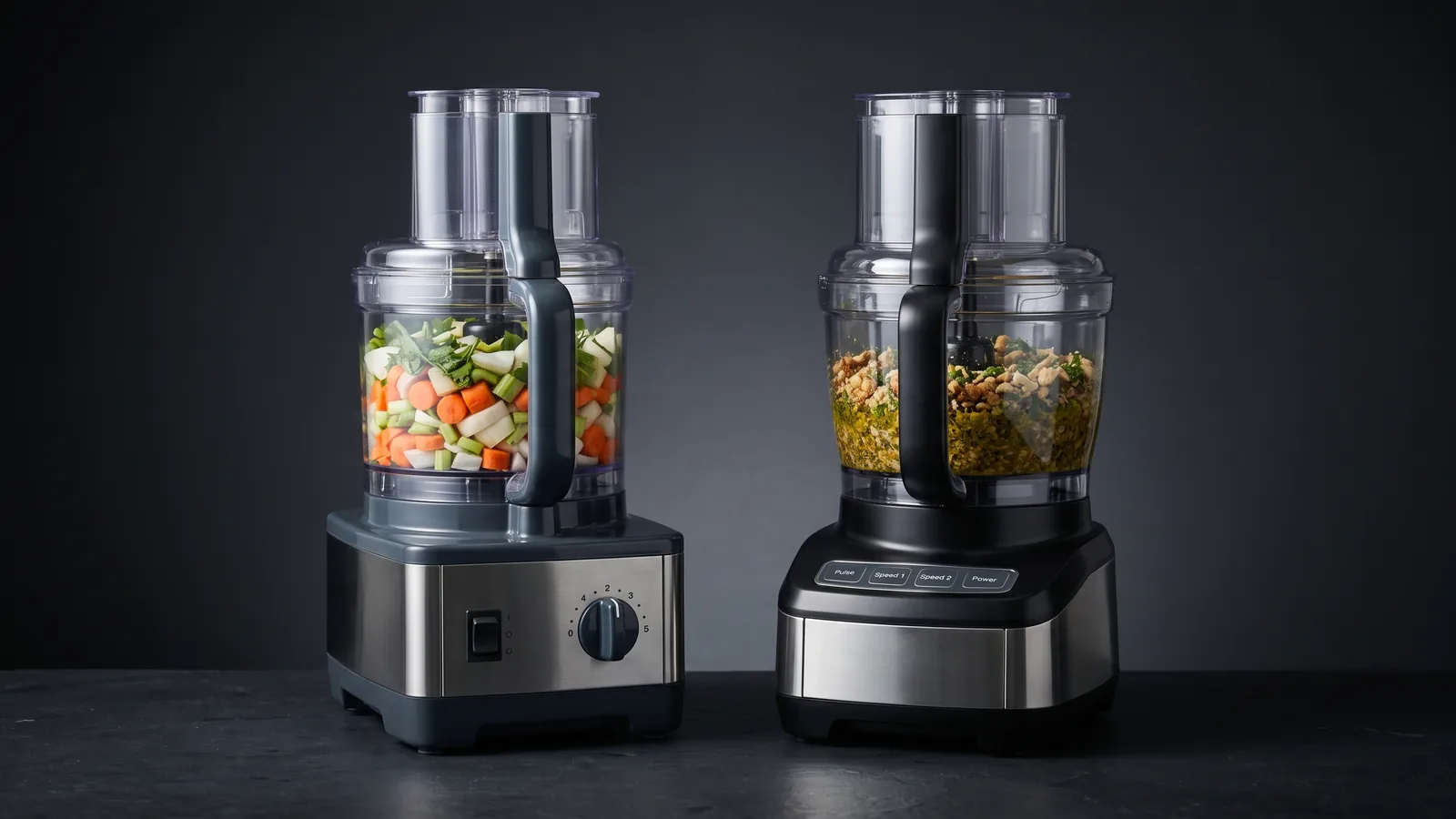
Cuisinart 14-Cup vs Ninja Pro Plus: Proven Workhorse or Value Power?
Both are powerful and well-rated — the split is build versus value. The Cuisinart 14-Cup is the proven workhorse: owners reward it for quality and processing strength, though assembly is fiddly. The Ninja Pro Plus matches the power at a better value on a deeper review base, but carries a real lid-breakage pattern. Want the more durable, higher-quality machine: Cuisinart. Want strong performance for less: Ninja, handled gently.
Read →
The complete ranking
The definitive guide across the full category.
The Best Food Processors in Ireland (2026)
The food processor most Irish and UK kitchens buy is a Ninja or a Kenwood — the two brands that dominate the shelves here — with Magimix the one people keep for a lifetime. This guide ranks the best food processors you can actually buy in Ireland: a best-overall Ninja, a value Kenwood, a premium Magimix, and a processor-and-blender all-rounder — all 230V models on Amazon UK, which ships to Ireland, so the links go to the right store rather than a US listing that won't run on Irish mains.
Read →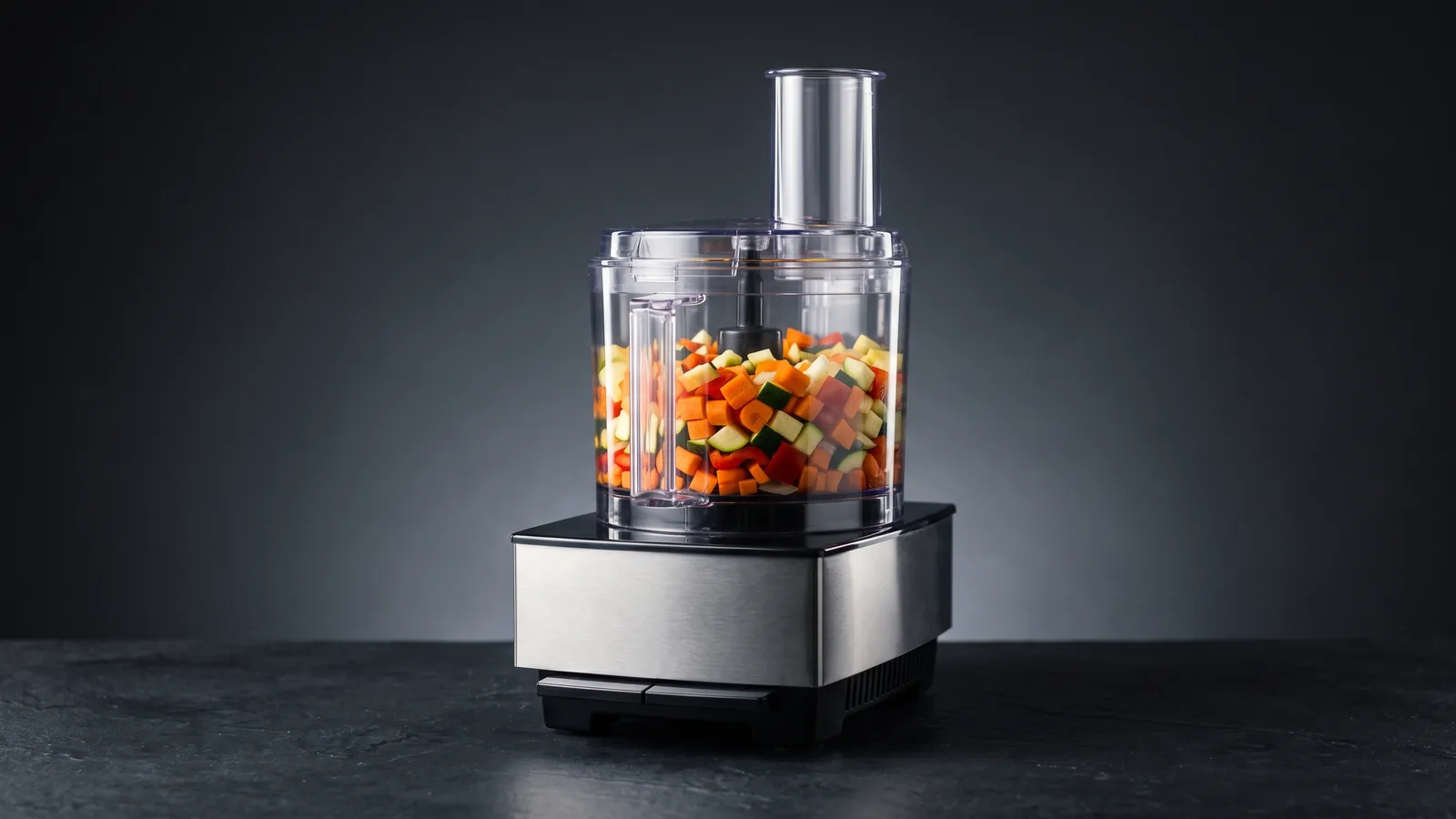
The Best Food Processors of 2026
The best food processor for most people is the Cuisinart 14-Cup — owners reward it for quality and processing power above almost anything in the category, though it's fiddly to assemble. The Hamilton Beach Stack & Snap is the easy, value pick; the Ninja Pro Plus is the versatile one (mind the lid); the KitchenAid 13-Cup is for big batches; the Breville Sous Chef is the premium; the Cuisinart Mini-Prep Plus is the best mini. One decision comes first — full-size or mini — and one flaw runs through the whole category: parts break.
Read →