Yogurt Makers
A complete, data-grounded guide to yogurt makers — how they work, what to buy, how to make Greek and plant-based yogurt, and which models earn the best marks from verified buyers. Buying guides and explainers come first; ranked picks and comparisons follow as review data is gathered and analyzed.
How they work
Buying guides and explainers — start here if you are new to the category.
24-Hour SCD Yogurt: Why the Long Ferment Needs the Right Machine
The Specific Carbohydrate Diet calls for yogurt fermented a full 24 hours — roughly two to four times longer than ordinary yogurt — so the cultures have time to consume nearly all of the lactose. That long, low, unbroken hold is exactly where most basic yogurt makers fail: a fixed-wattage warmer with no thermostat tends to drift or creep hot over a full day, and a batch that overshoots or stalls at hour 18 is a wasted 24 hours. Here is what the 24-hour ferment actually requires of a machine, and how to tell whether yours can do it.
Read →Curd Maker vs Yogurt Maker: Are They the Same Machine?
In Indian and South Asian English, a 'curd maker' and a 'yogurt maker' are the same machine — curd here means dahi, the set, cultured yogurt you make with a spoon of existing curd as starter, not the cheese-making curds that come from curdling milk. So any yogurt maker makes curd, and what to look for is identical: a machine that holds a steady warm temperature long enough to set the batch. Here is why the two names mean one appliance, how to set curd in one, and what actually matters when buying.
Read →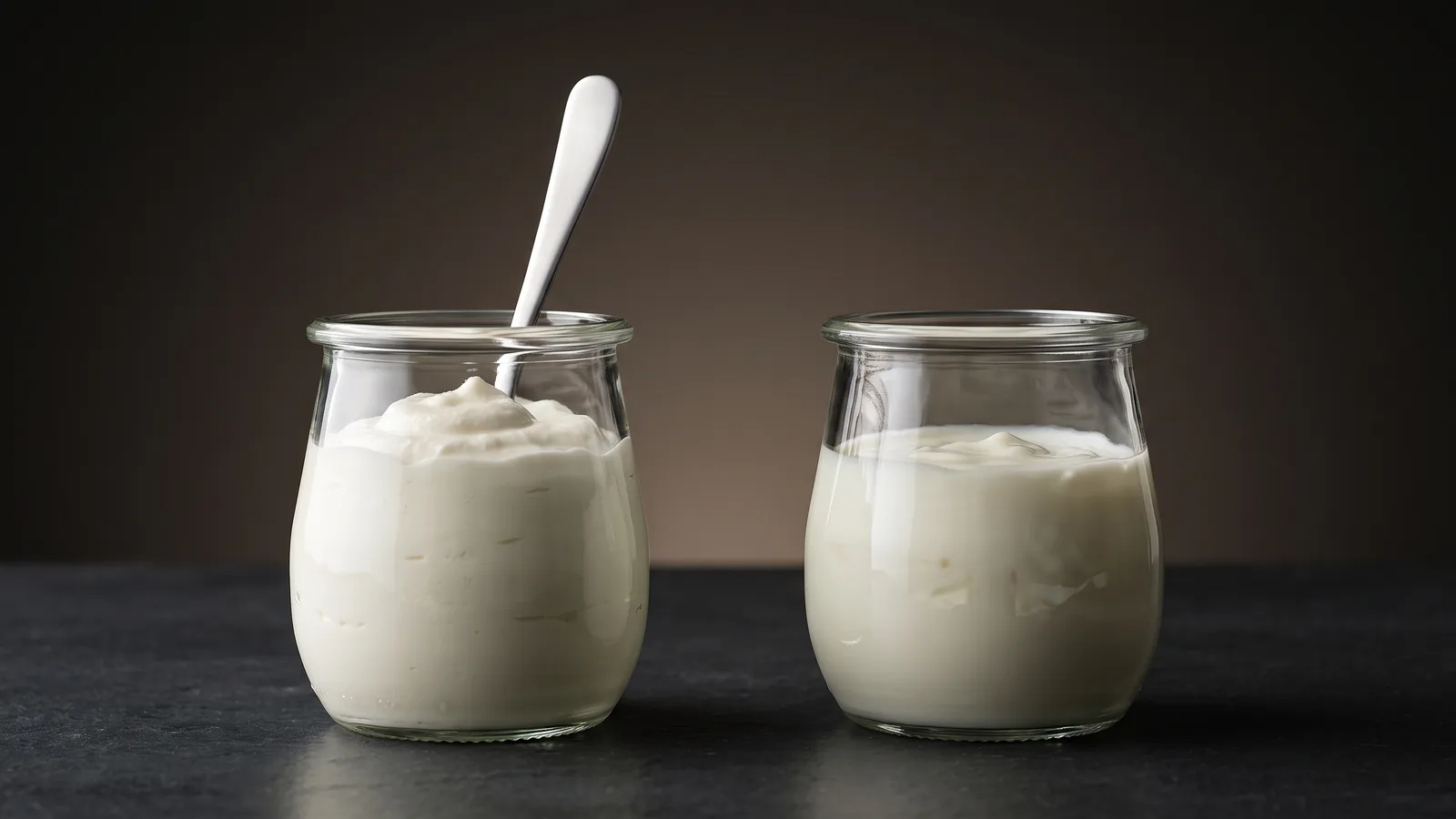
Greek Yogurt vs Regular Yogurt: What Your Machine Needs to Handle Both
Greek yogurt is strained regular yogurt. Any yogurt maker can produce it — the machine incubates, the strainer does the rest. The differences in texture, nutrition, and production time come from straining, not from any machine feature.
Read →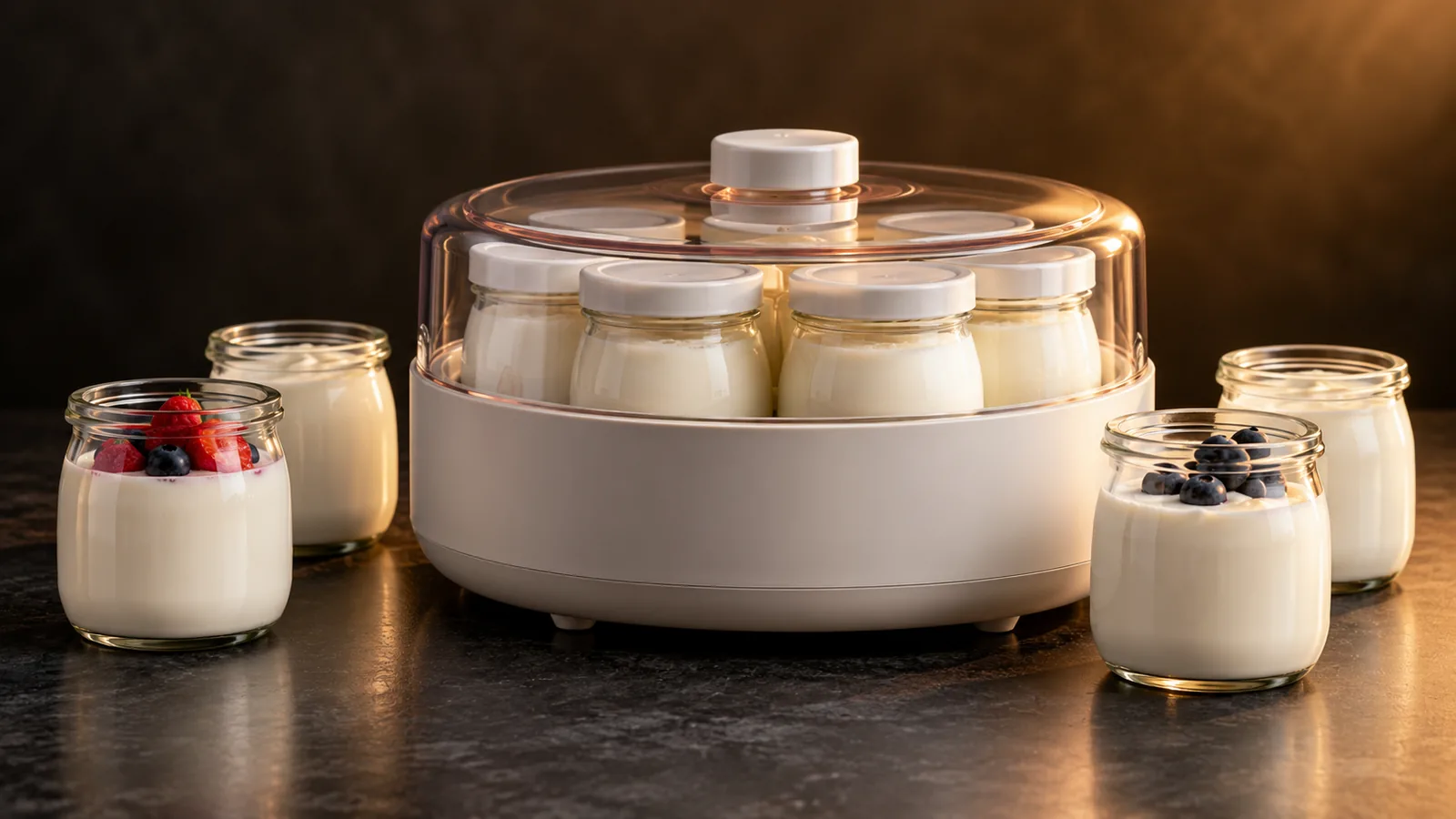
How Does a Yogurt Maker Work? The Simple Answer (2026)
A yogurt maker does one thing: hold milk at 110°F for long enough that bacterial cultures convert it to yogurt. Everything else — jars, timers, lids — is secondary. Understanding the mechanism explains why some machines produce consistent results and others don't.
Read →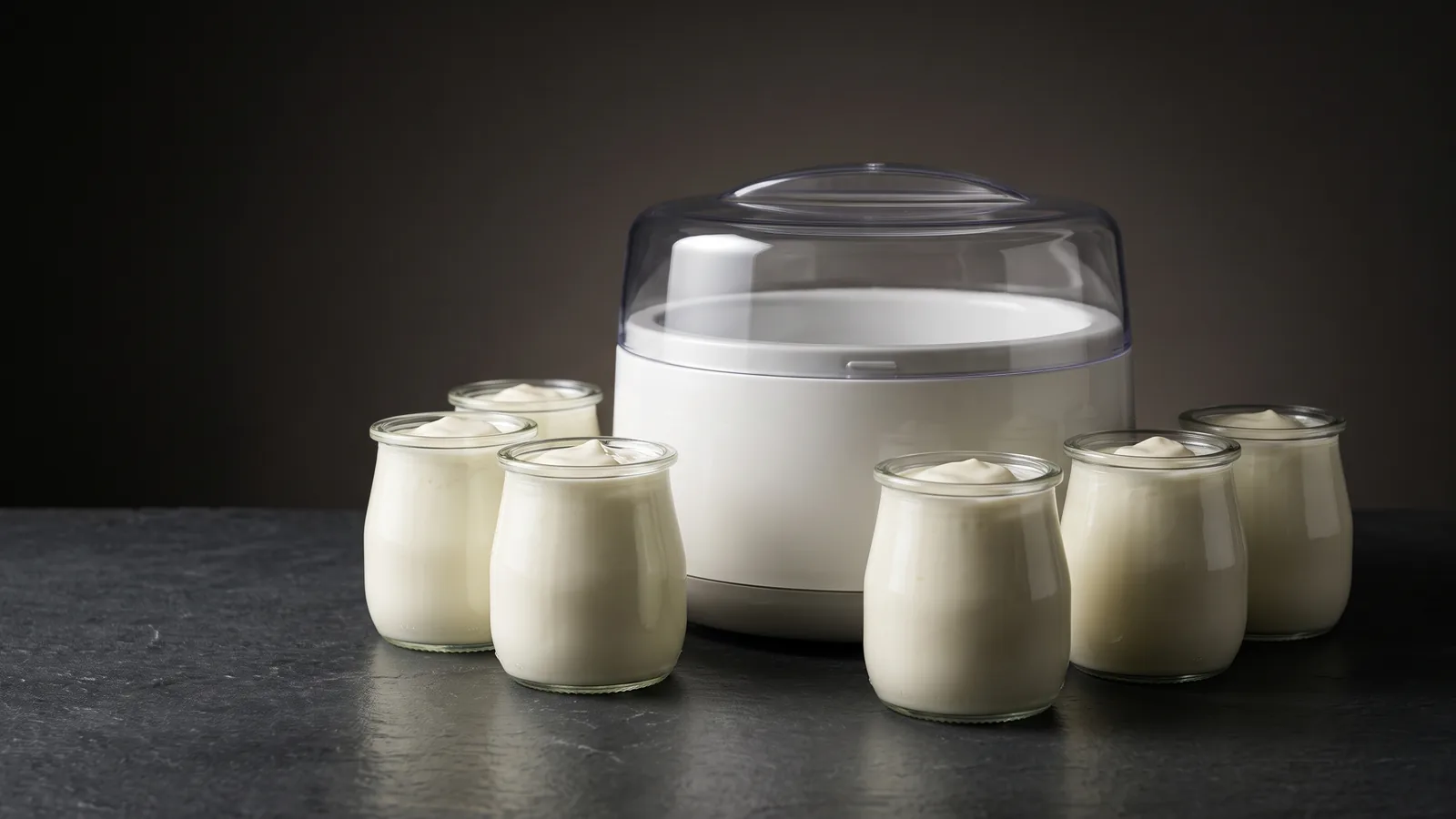
How to Choose a Yogurt Maker: Jars vs Single Container, Capacity, and What Actually Matters
The decision between individual jars and a single container determines nearly everything else about how a yogurt maker fits into a routine. Get that right, then check temperature consistency. Everything else is secondary.
Read →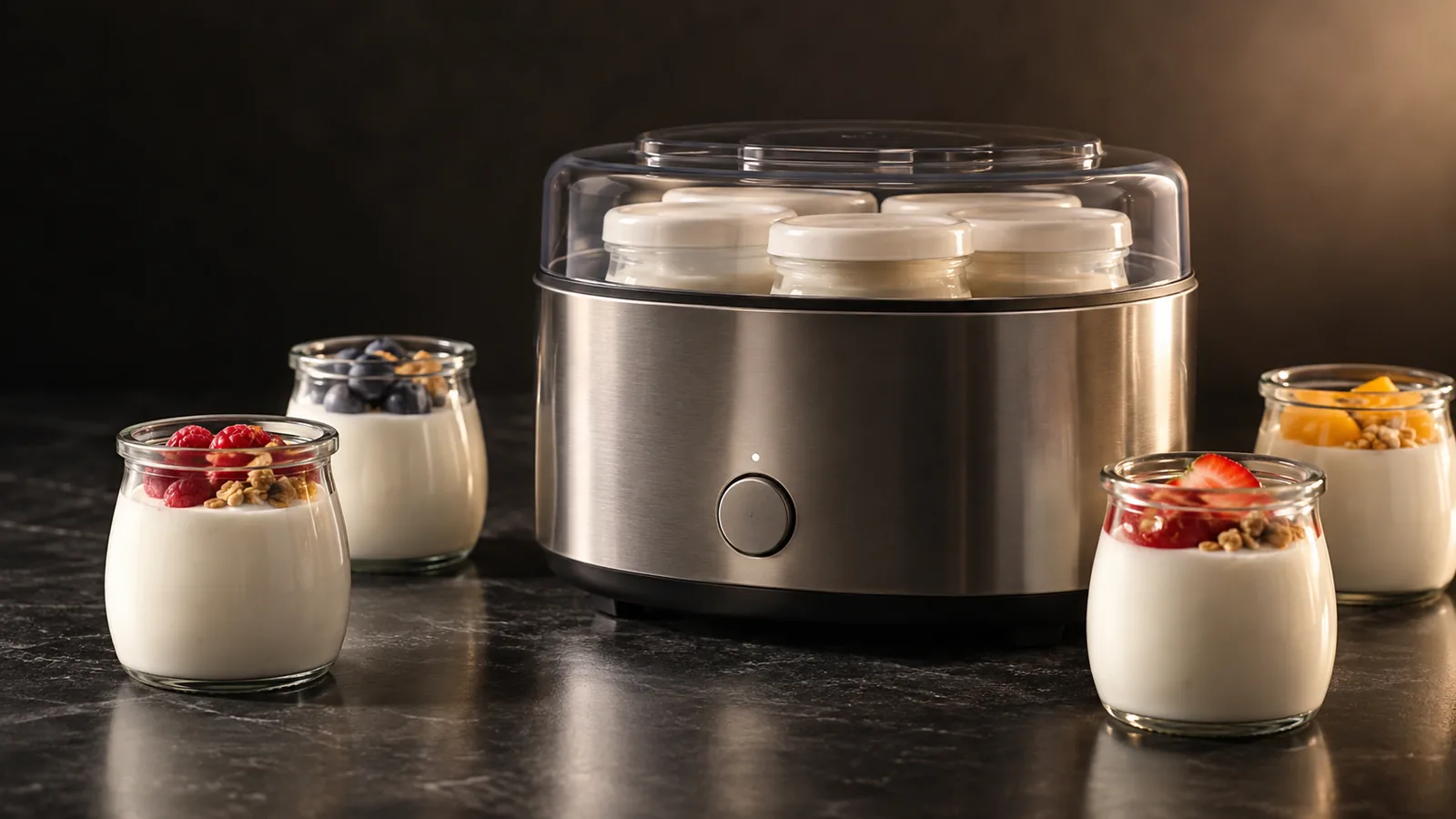
How to Clean a Yogurt Maker (and Prevent Contamination Between Batches)
Cleaning a yogurt maker is simple, but contamination between batches is the most common cause of failed yogurt that isn't a temperature problem. The jar seal and the starter carry more bacteria than most buyers realize — preventing cross-contamination is more important than deep-cleaning the base.
Read →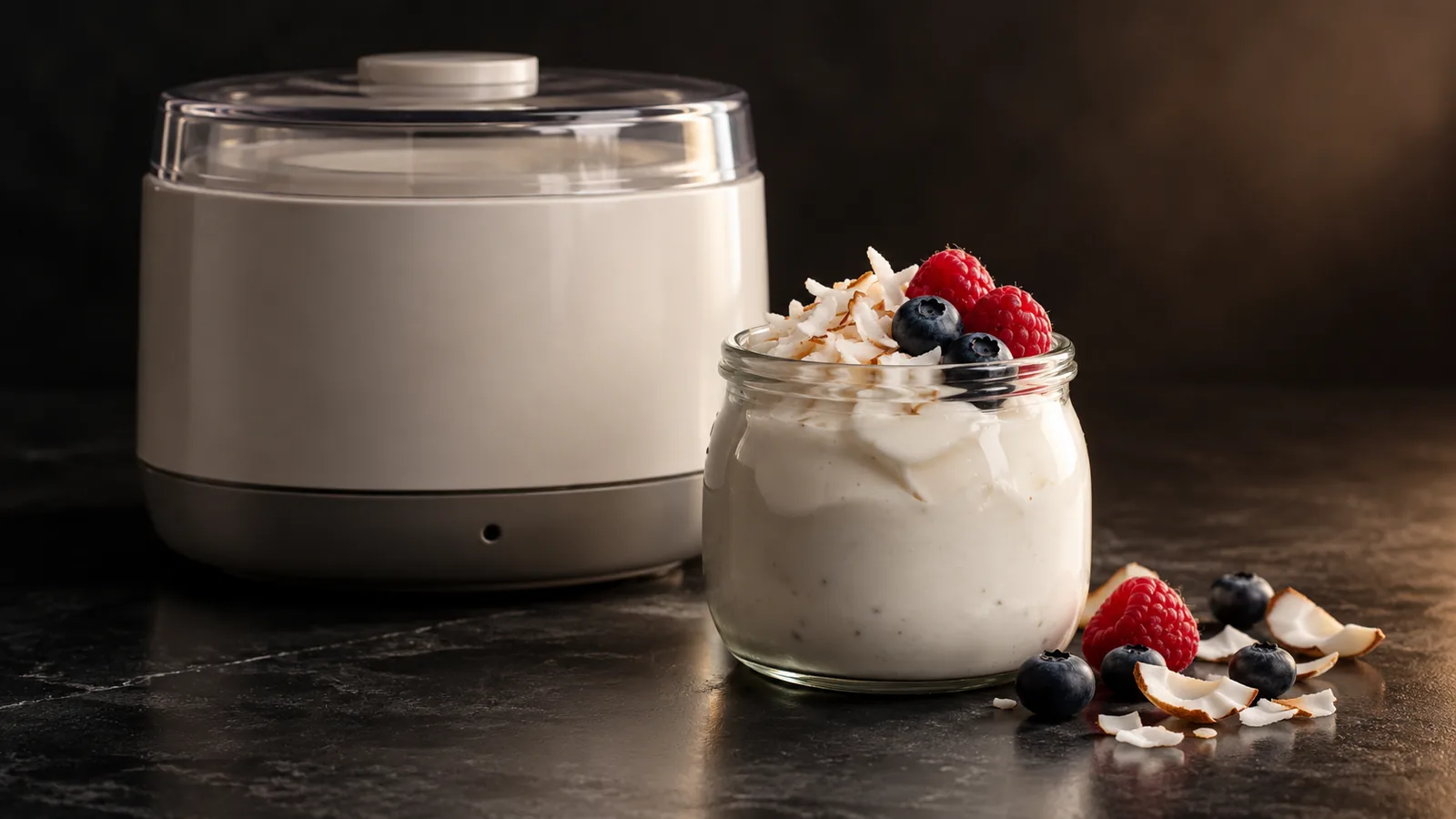
How to Make Plant-Based Yogurt in a Yogurt Maker
Plant-based yogurt is possible in a standard yogurt maker, but the process differs from dairy in ways that matter. Base selection, thickeners, and starter compatibility all affect whether the batch sets — or stays liquid.
Read →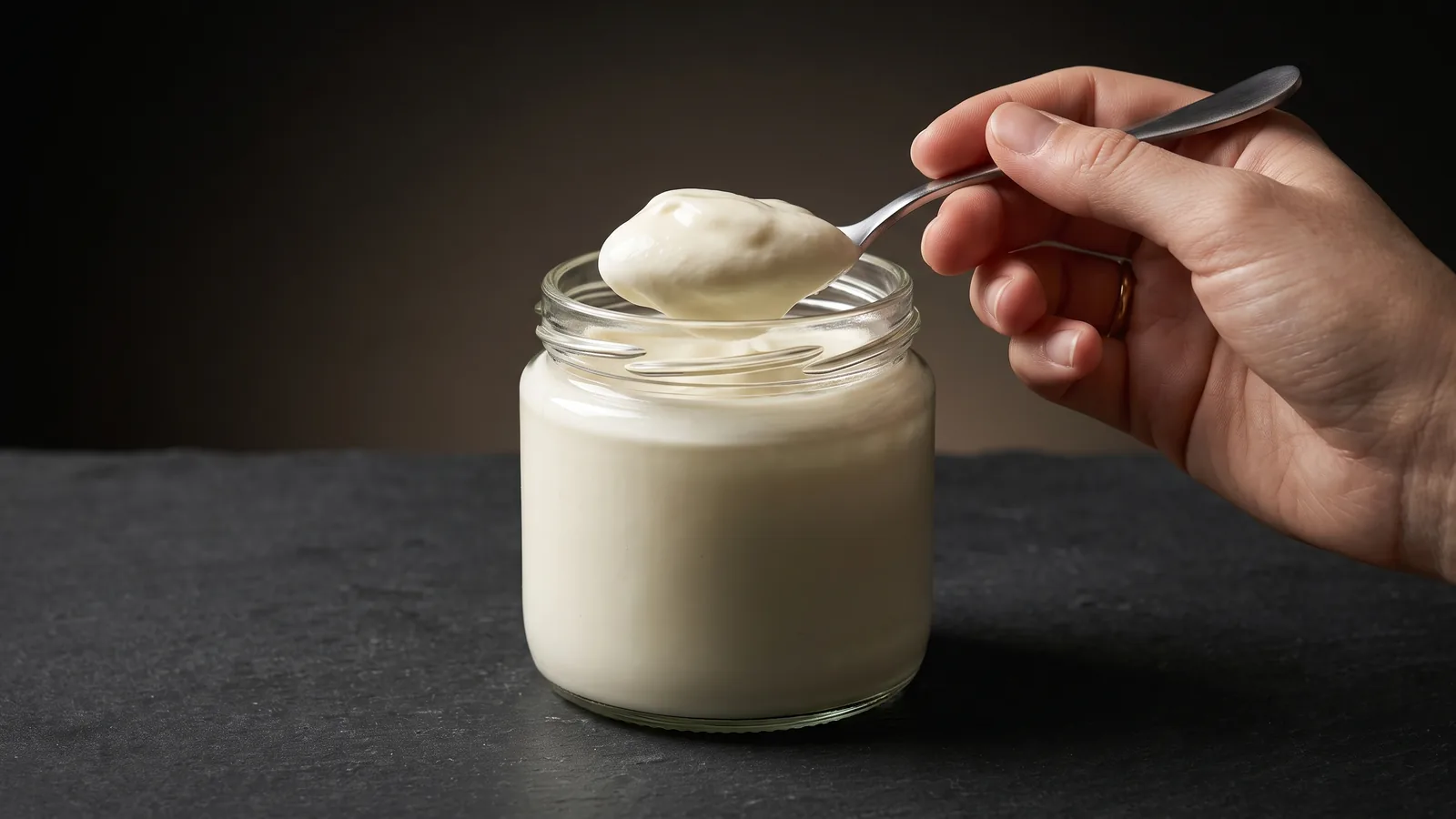
How to Make Yogurt at Home: The Method, the Temperatures, and Why It Fails
Making yogurt at home is four steps: heat the milk to about 180°F, cool it to 110°F, stir in a spoonful of live-culture yogurt, and hold it at 110°F for 6 to 12 hours. Temperature is the whole game — too hot kills the culture, too cool stalls it. A yogurt maker's only real job is holding that 110°F steadily so the set is reliable.
Read →Is Your Yogurt Maker Too Hot? How to Test for Temperature Drift
Most 'failed' yogurt is a temperature problem, not a technique problem — and owners tend to blame themselves before they check the machine. A yogurt maker only has to hold about 110°F, but many hold it poorly, especially as they age or when the kitchen is cold. Here is how to test your machine's real temperature with a kitchen thermometer, what the two failure patterns look like in the jar, and when drift means it is time to return or replace the unit.
Read →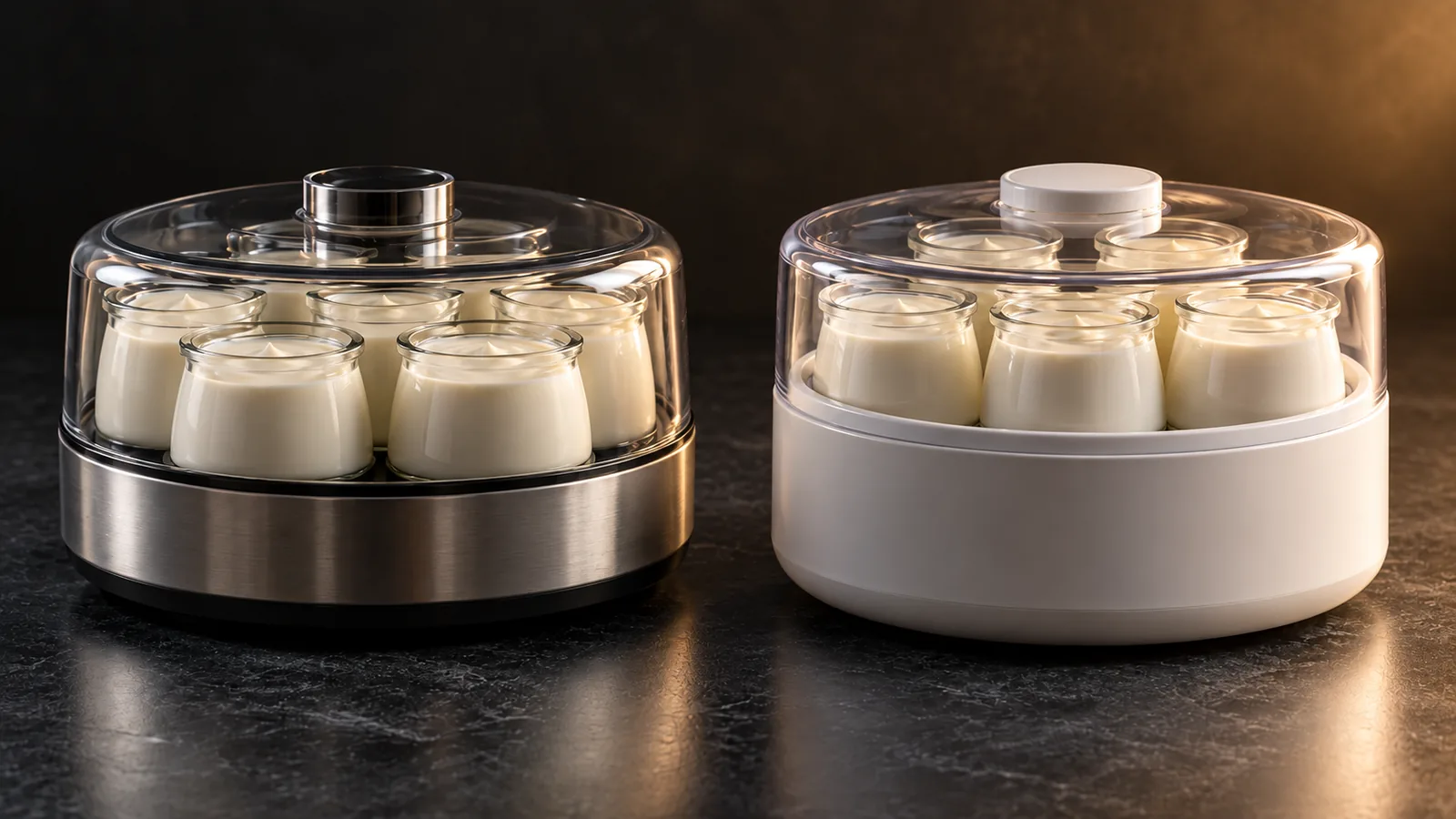
Premium vs Budget Yogurt Maker: What You Actually Pay More For
A yogurt maker has one job — hold ~110°F steadily — and a $30 model does it well enough for everyday dairy yogurt. What the money buys is adjustable, precise temperature control for long or specialty ferments (SCD, plant-based), even heating across the batch, and a single-container format for easy Greek straining. Here is when the budget one is all you need, and when it isn't.
Read →Why Does My Yogurt Maker Smell Like Hot Plastic? What's Normal and What Isn't
A faint warm-plastic smell on a new yogurt maker's first few runs is one of the most common things owners report — it's the ordinary off-gassing of warmed plastic and manufacturing residue on the first heat cycles, and it usually fades. What matters is telling that harmless break-in smell apart from the ones that mean stop and return: a burning, acrid, or electrical smell, smoke, or a plastic taste that transfers into the yogurt itself. Here is how to tell them apart, how to break a new machine in, and when the smell is a reason to send it back.
Read →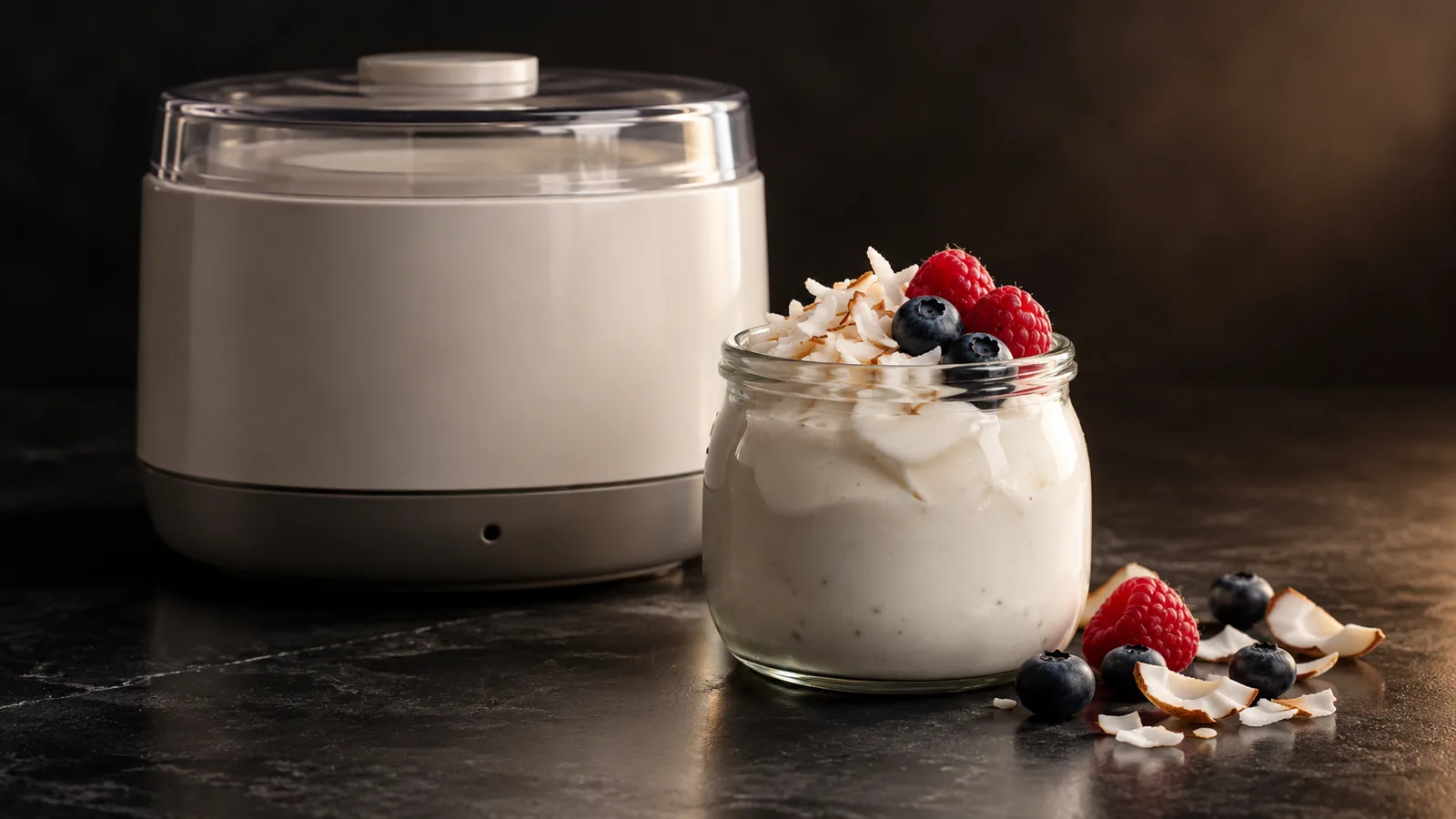
Yogurt Maker vs Instant Pot Yogurt Setting: Which Is Actually Better
The Instant Pot makes yogurt. A dedicated yogurt maker makes yogurt more reliably, in more portions, with less attention required. Which is right depends on whether you already own an Instant Pot and how seriously you take yogurt making.
Read →
Best for specific uses
Ranked picks for each use case, grounded in verified buyer review data.
Best Budget Yogurt Maker (2026): Under $50
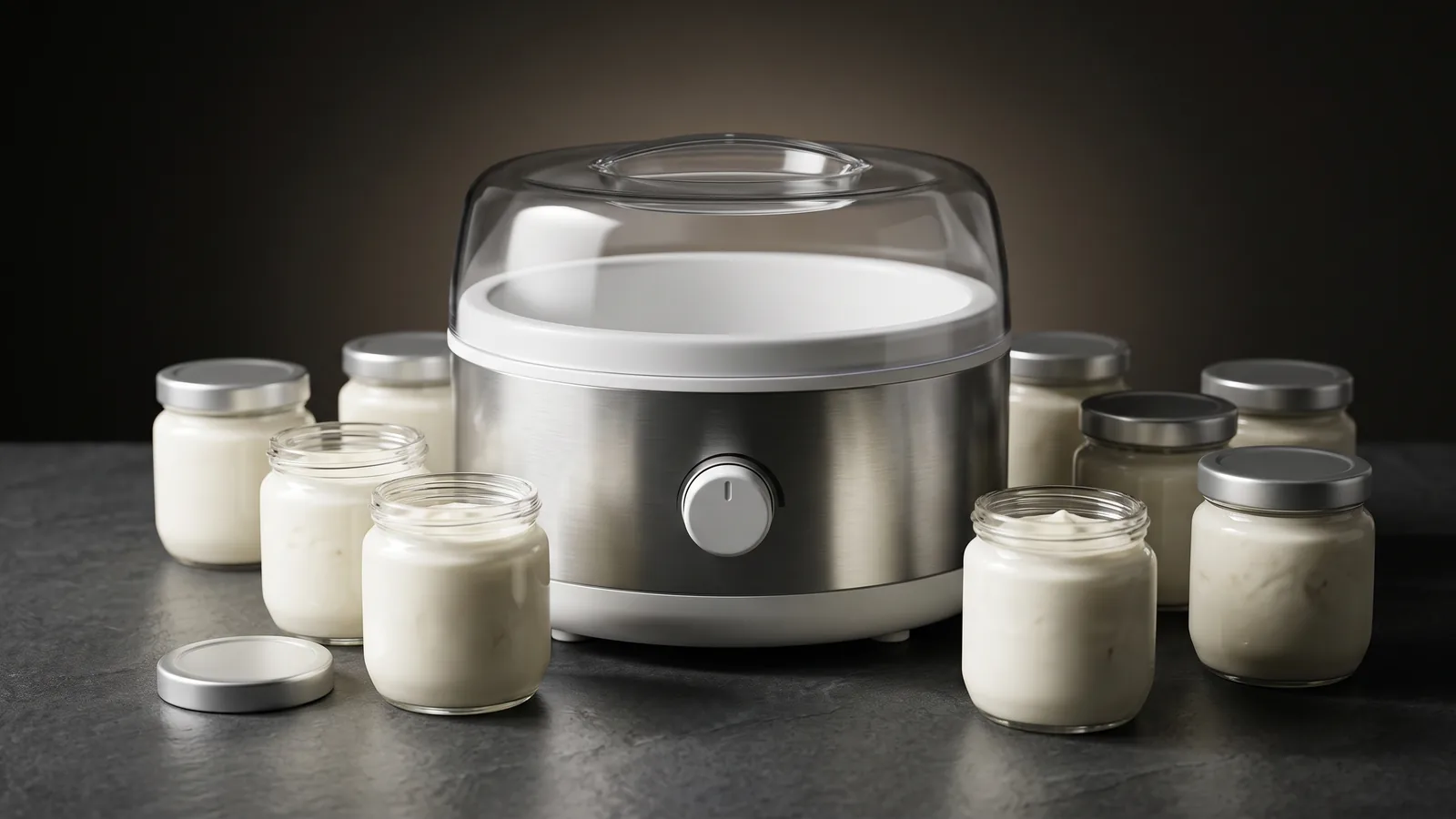
The best budget yogurt maker is the Euro Cuisine YM80 — fewer features than the YMX650 (no timer, no auto shutoff), but the same core fermentation performance at a lower price. For first-time yogurt makers testing whether home yogurt fits their routine, it is a low-risk entry point. The $20 savings over the YMX650 comes with a real trade-off: you need to time the fermentation manually.
Read →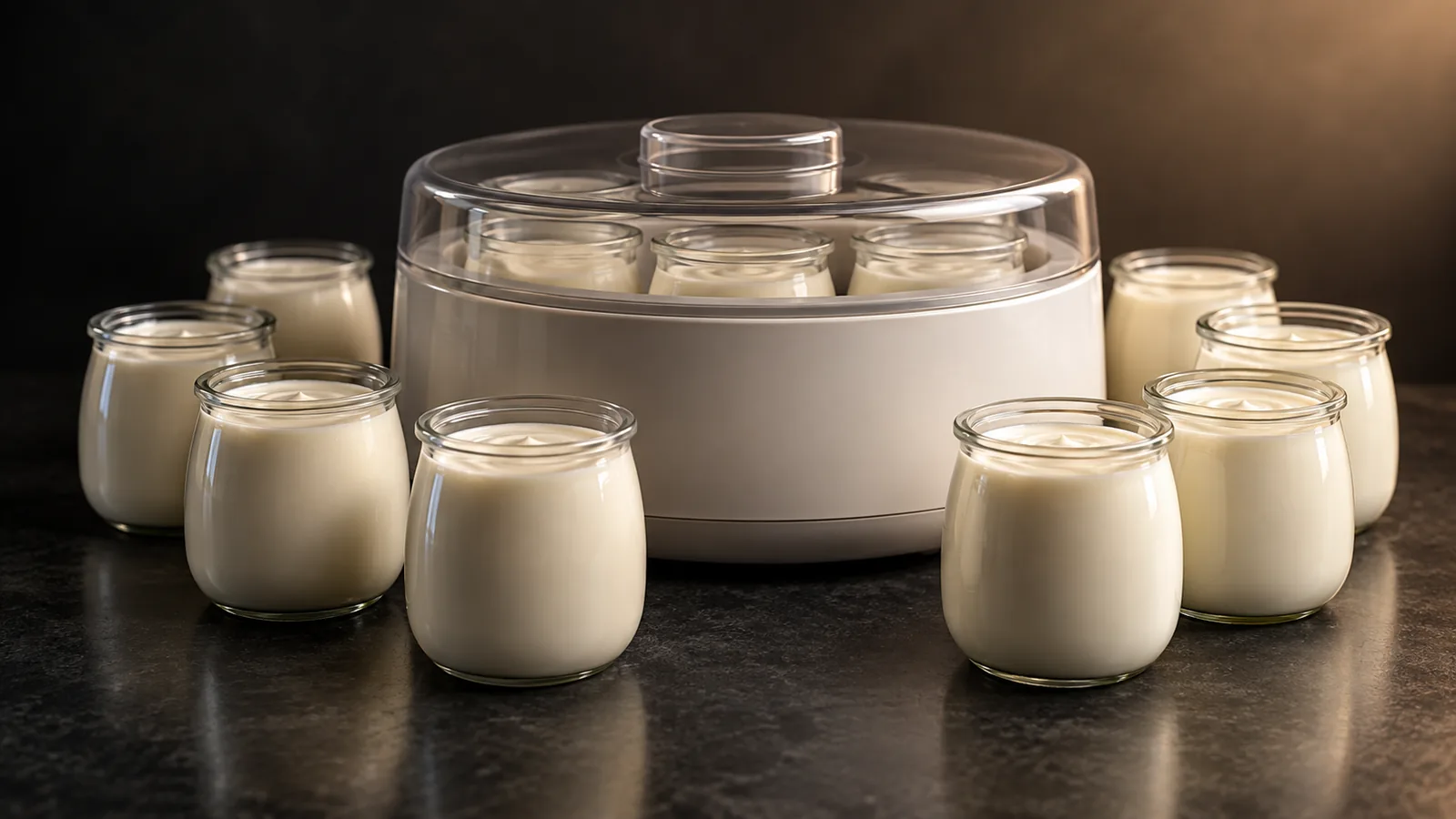
Best Yogurt Maker for Families: Large Batch Options (2026)
Family-size yogurt making is about total batch volume. The Euro Cuisine YMX650 (42oz / 1.25L) is the practical family pick — most families of 4 making yogurt daily run 3–4 batches a week. For one large batch in a single cycle, an Instant Pot's yogurt setting ferments the full inner pot and removes the volume ceiling entirely.
Read →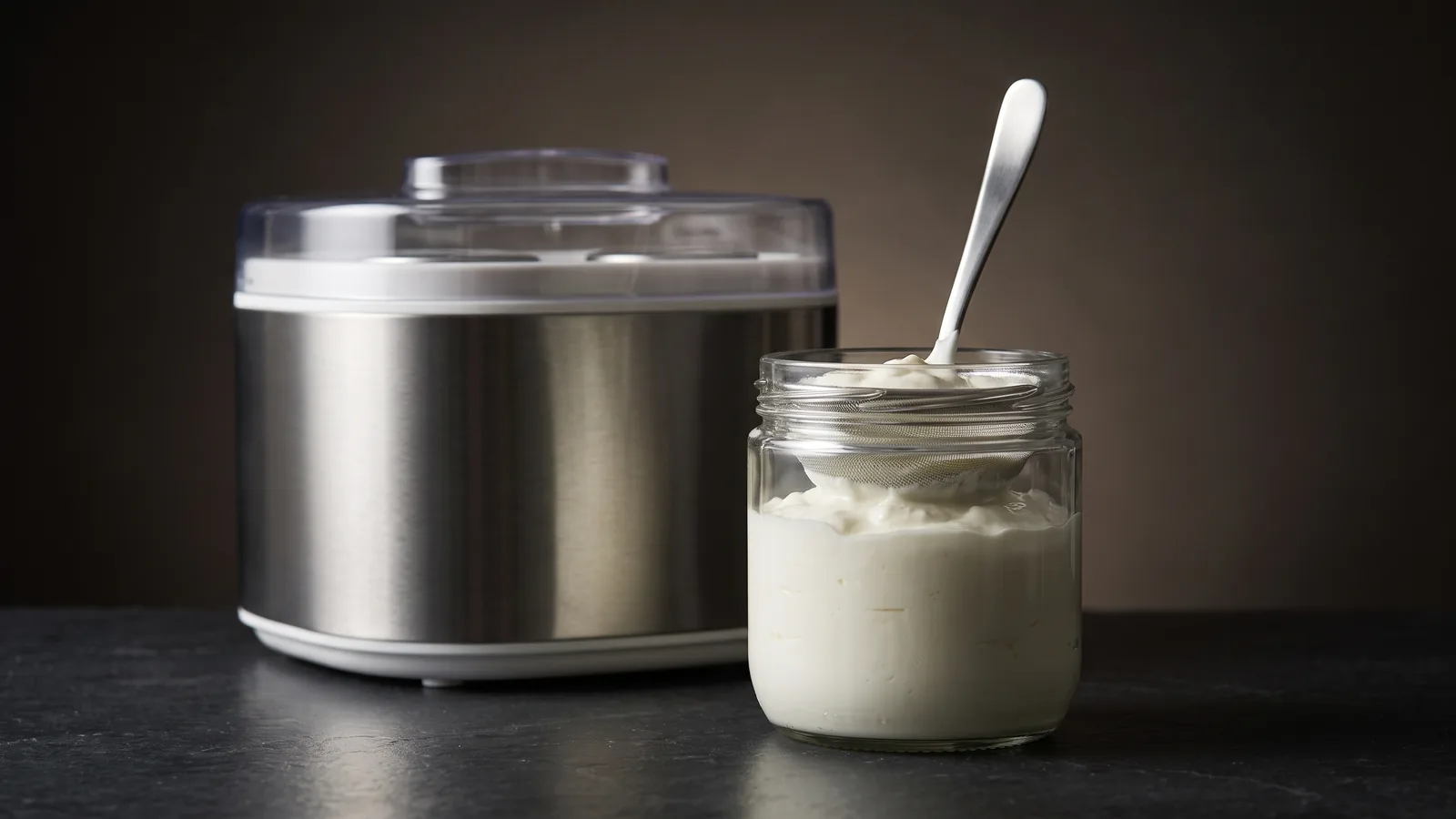
Best Yogurt Maker for Greek Yogurt (2026)
Greek yogurt requires two things from a machine: accurate temperature hold in the 105–115°F range for 8–12 hours, and a large enough batch to account for the volume lost to straining (typically 40–50%). Any yogurt maker with consistent temperature control can make Greek yogurt — the straining step is separate and does not require a dedicated Greek yogurt machine.
Read →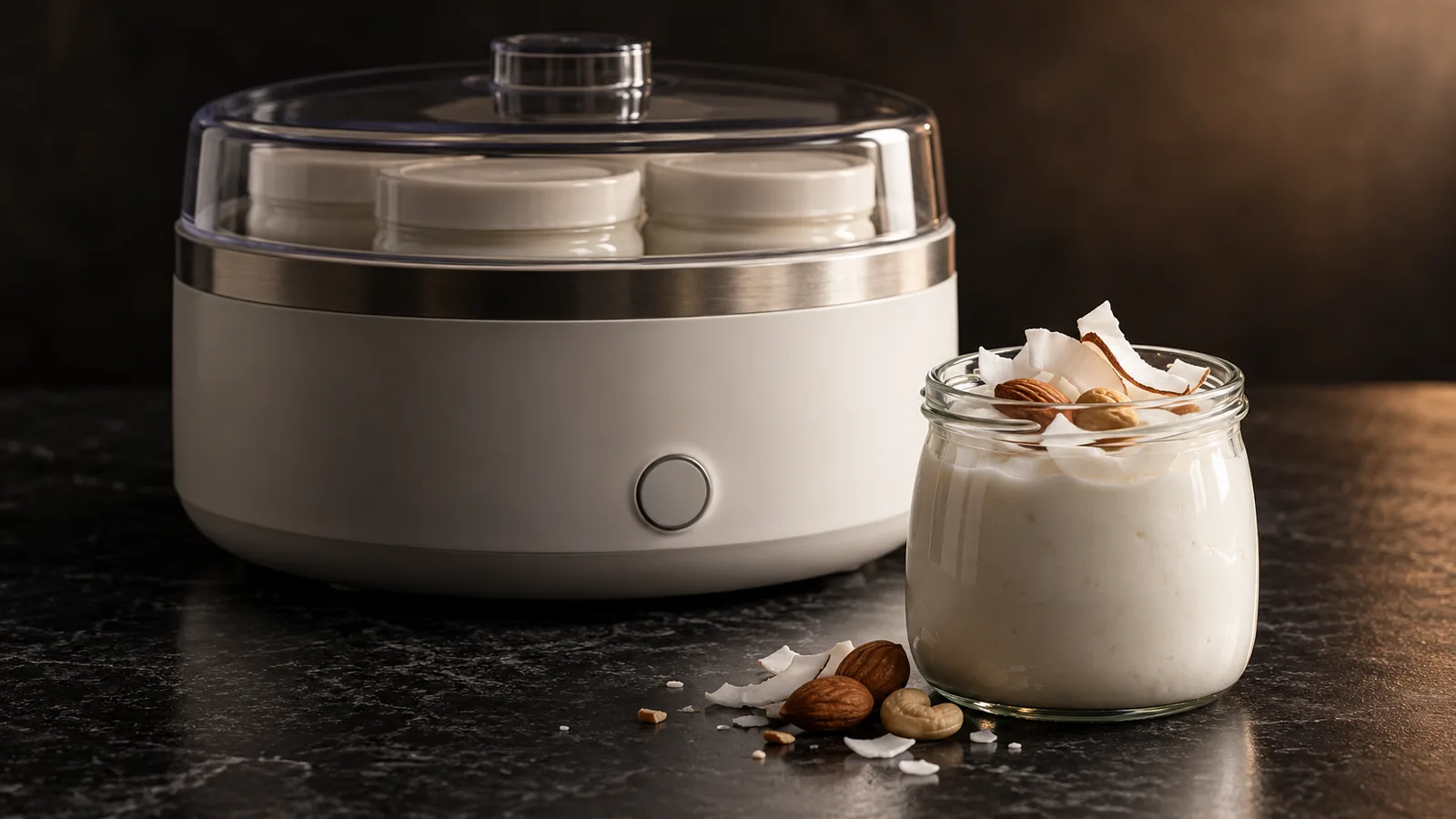
Best Yogurt Maker for Plant-Based and Non-Dairy Yogurt (2026)
Plant-based yogurt ferments at the same 105–115°F range as dairy yogurt, so any machine with accurate temperature hold works for the fermentation step. The real variable is the milk base — coconut, cashew, and soy ferment reliably; oat and almond require thickeners and specialty cultures. The machine is not the bottleneck; the base and starter culture are.
Read →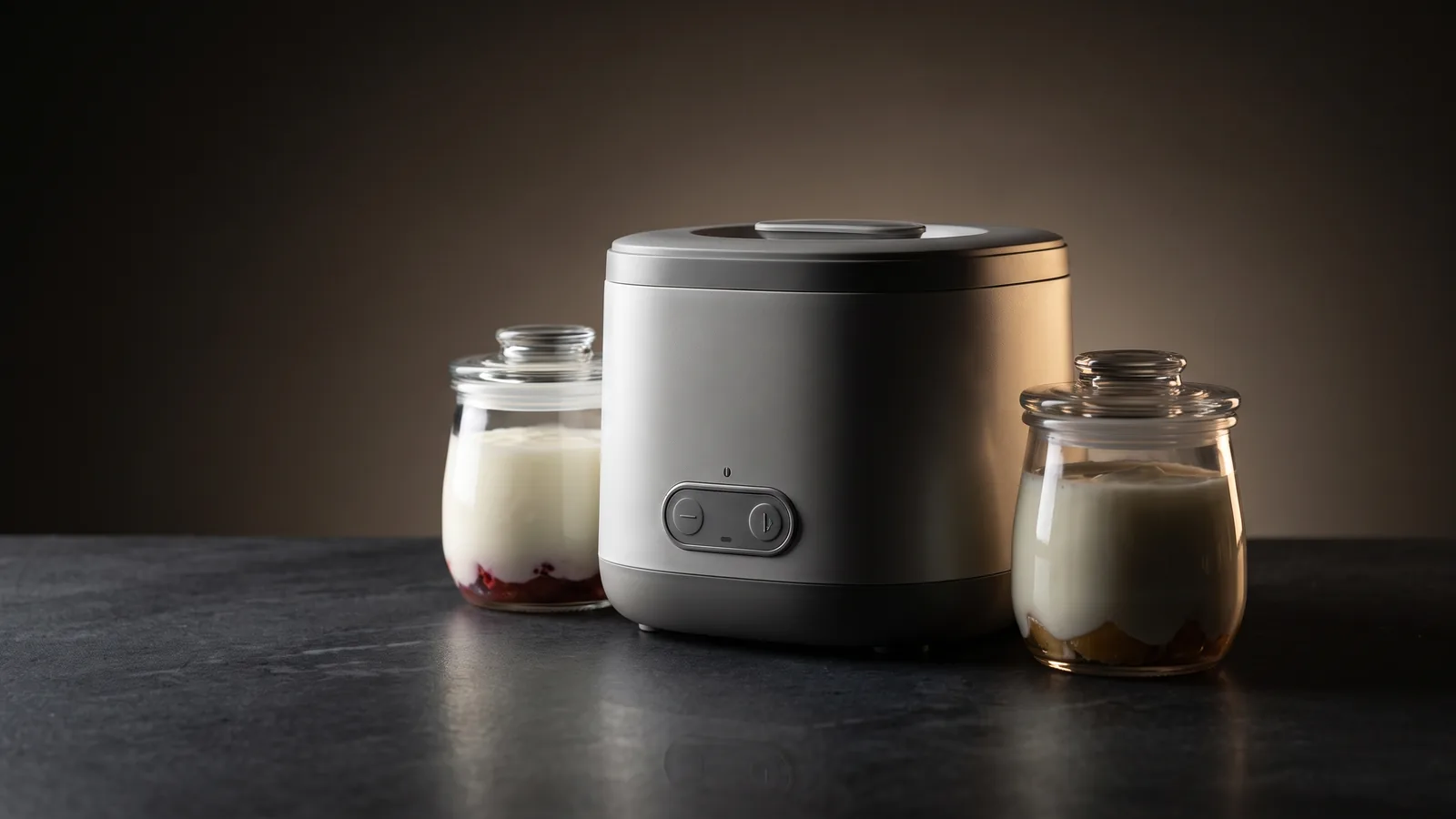
Best Yogurt Maker for Small Kitchens (2026)
The Euro Cuisine YM80 (8 jars, compact footprint) is the smallest full-featured yogurt maker widely available. For buyers with extremely limited counter space who want to store the machine between uses, the individual jar format means the jars can be stored in the refrigerator and the base stored elsewhere — unlike single-container machines where the whole unit must be stored.
Read →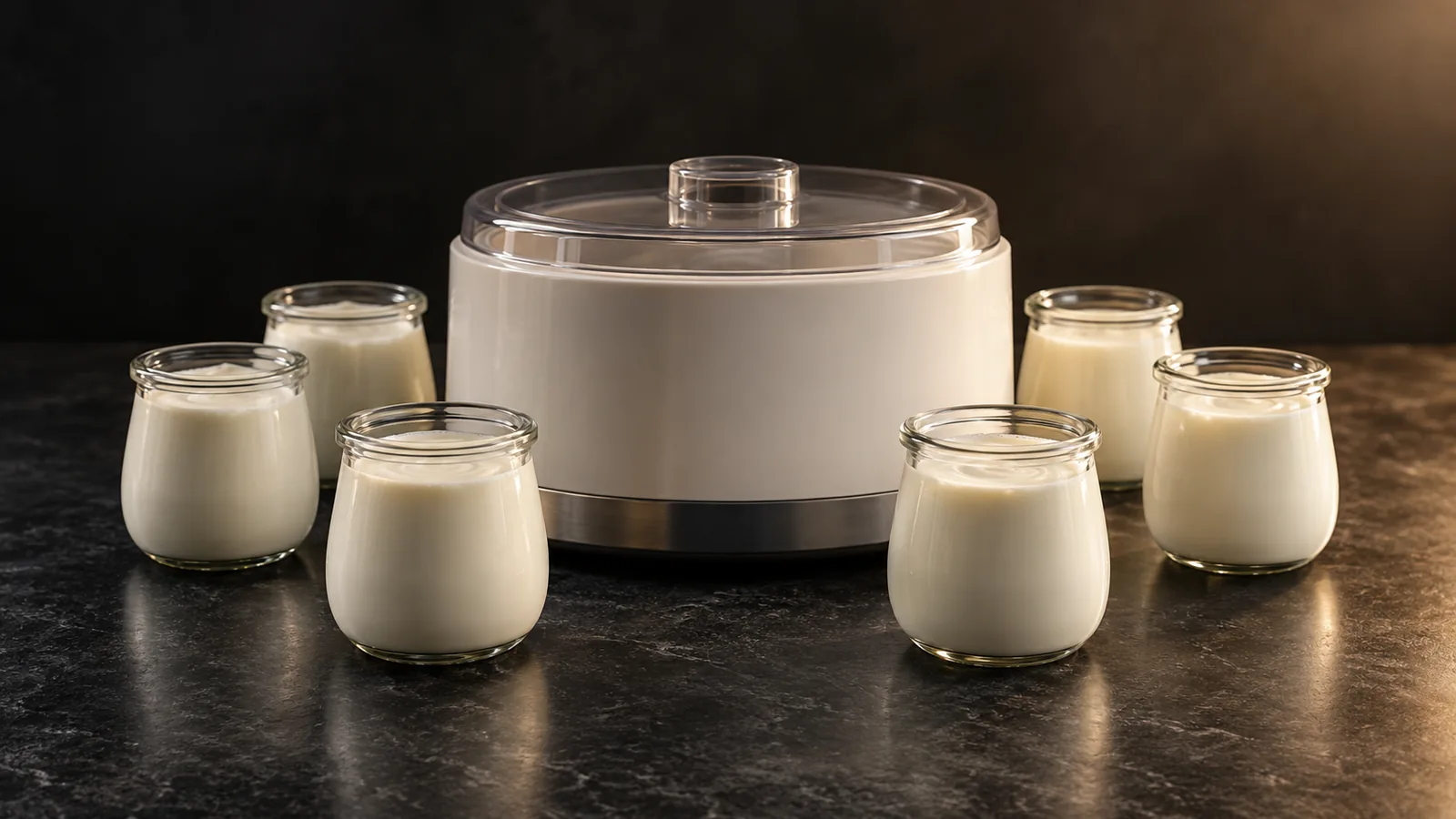
Euro Cuisine YMX650 Yogurt Maker Review (2026)
The Euro Cuisine YMX650 is the most reviewed yogurt maker on Amazon and the default recommendation for most buyers. At 4.3+ stars across more than 5,000 verified purchases, it has the largest real-world data set in the segment. The auto shutoff timer and seven glass jars make it a genuine set-it-and-walk-away machine for standard dairy yogurt.
Read →
Head-to-head comparisons
Direct comparisons between specific brands and models.
The complete ranking
The definitive guide across the full category.
The Best Yogurt Makers in Ireland (2026)
The yogurt maker most Irish and UK kitchens reach for is the EasiYo — a flask system that needs no electricity and no temperature dial, which is why it suits a cold Irish kitchen so well. But if you want individual glass jars, a Duronic does that; for thick Greek yogurt, the Euro Cuisine with its straining tub; and for kefir or a compact worktop, the Lékué. This guide ranks the best yogurt (yoghurt) makers you can actually buy in Ireland — all on Amazon UK, which ships here, so the links go to the right store rather than a US listing that won't run on Irish mains.
Read →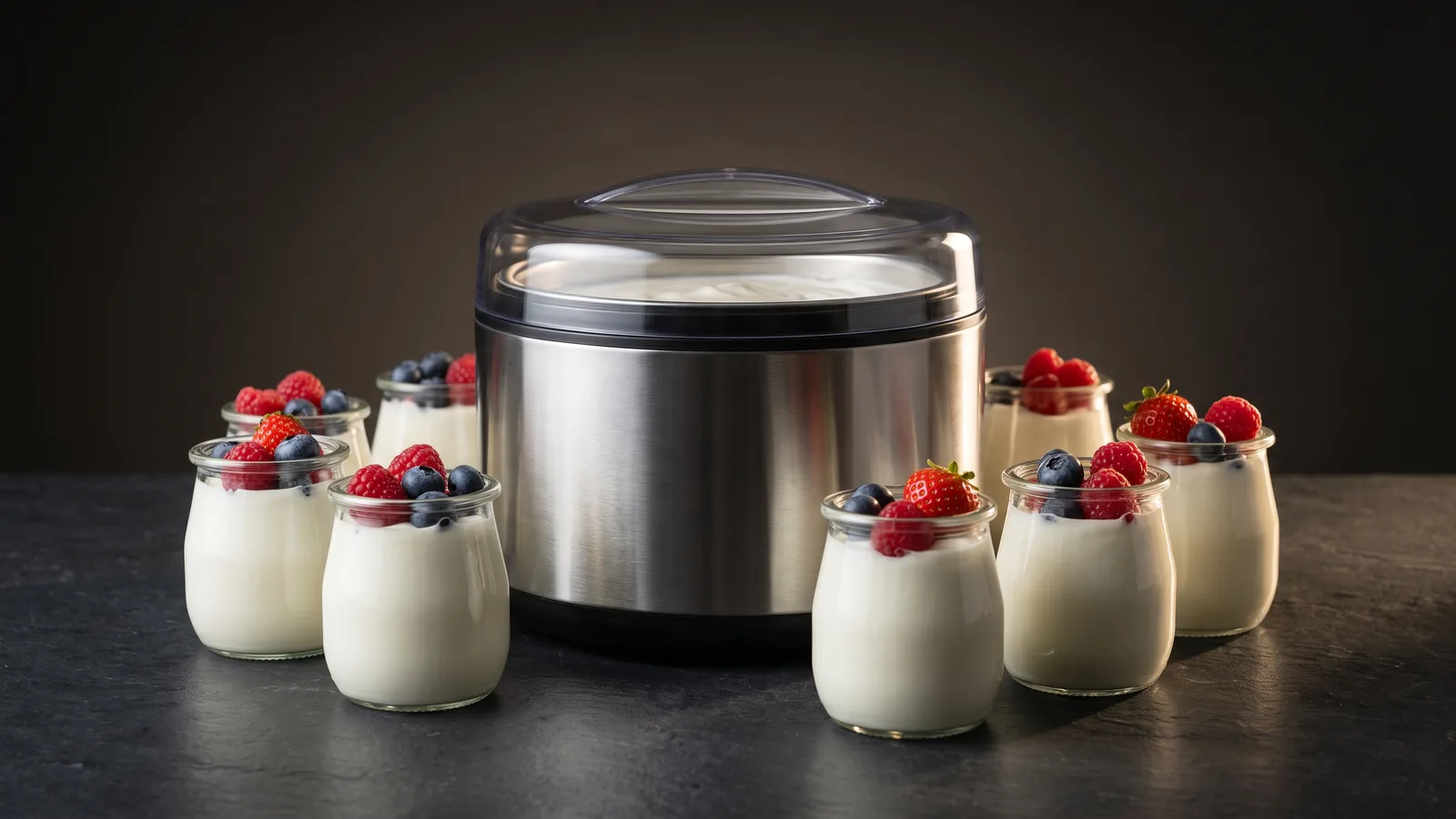
The Best Yogurt Makers of 2026
The best yogurt maker for most people is the Euro Cuisine YMX650 — affordable, hands-off, and it makes the same quality dairy yogurt as machines costing far more. The Euro Cuisine YM80 is the budget pick. For strict 24-hour SCD/GAPS or long plant-based fermentation, no budget dedicated maker reliably holds a precise temperature — an Instant Pot's yogurt setting is the dependable route. The first decision: standard dairy yogurt, or long/specialty fermentation?
Read →