Drip Coffee Makers
A complete, data-grounded guide to drip coffee makers — how to choose one, what SCA certification actually means, glass vs thermal carafe, programmability, and which models earn the best marks from verified buyers. Buying guides and explainers come first; ranked picks and comparisons follow as review data is gathered and analyzed.
How they work
Buying guides and explainers — start here if you are new to the category.
Coffee Maker Buyer Report 2026: What 2,399 Owner Reviews Reveal
We analyzed 2,399 verified owner-review mentions across 13 of the most-reviewed coffee makers to find what buyers consistently praise and criticize. The headline finding is counterintuitive: the category's most common weak point is design, not brewing performance. Machines mostly brew and hold heat well — where they lose owners is aesthetics, controls, and build.
Read →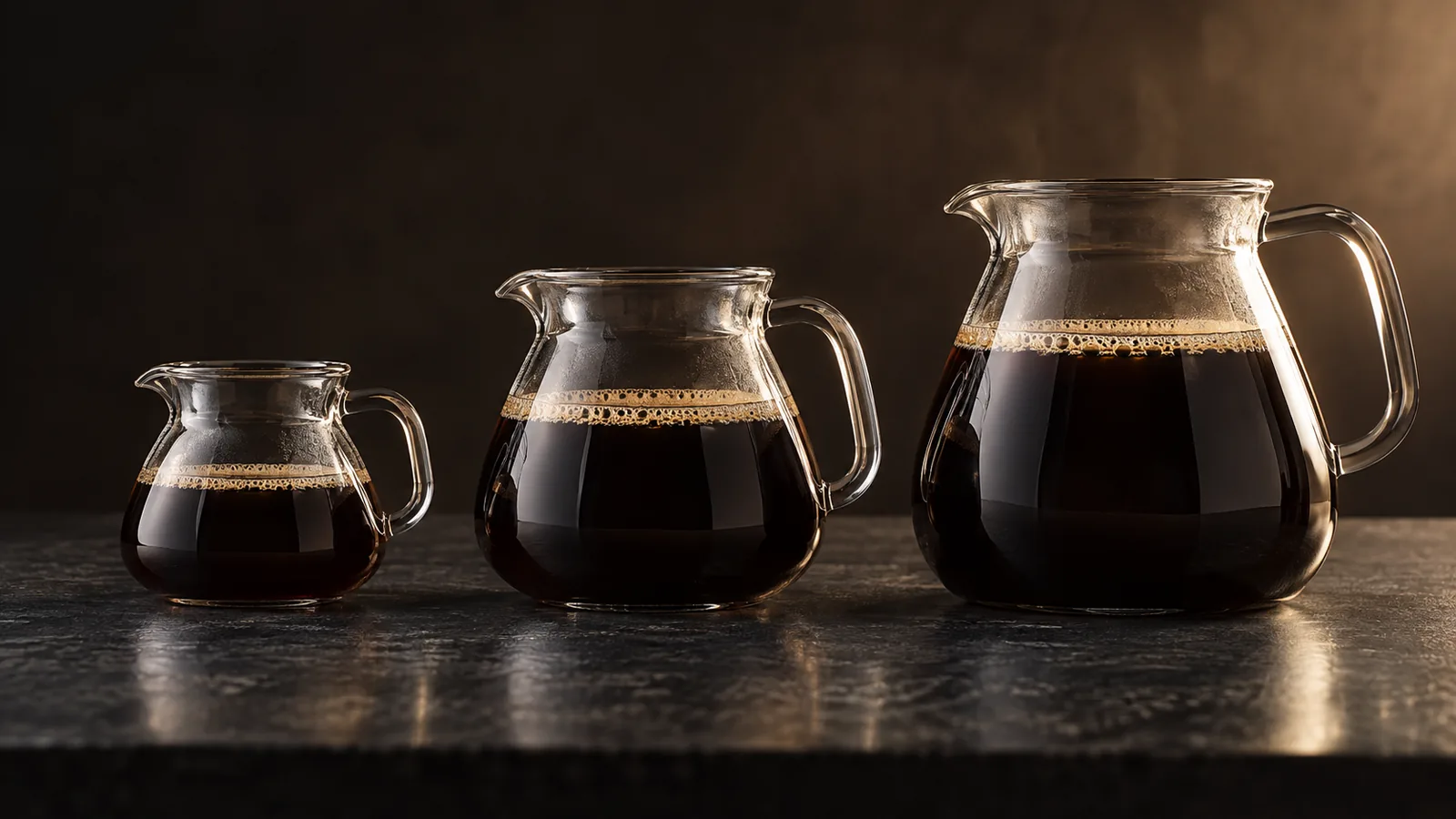
Coffee Maker Sizes: How Many Ounces Per Cup? (2026)
Coffee makers come in three broad sizes — 4-cup, 8–10-cup, and 12–14-cup — but a drip 'cup' is 5 ounces, not 8, so a 12-cup machine makes 60 oz. Capacity regret runs almost entirely toward buying too large: estimate your actual daily intake and buy one step above it, not two.
Read →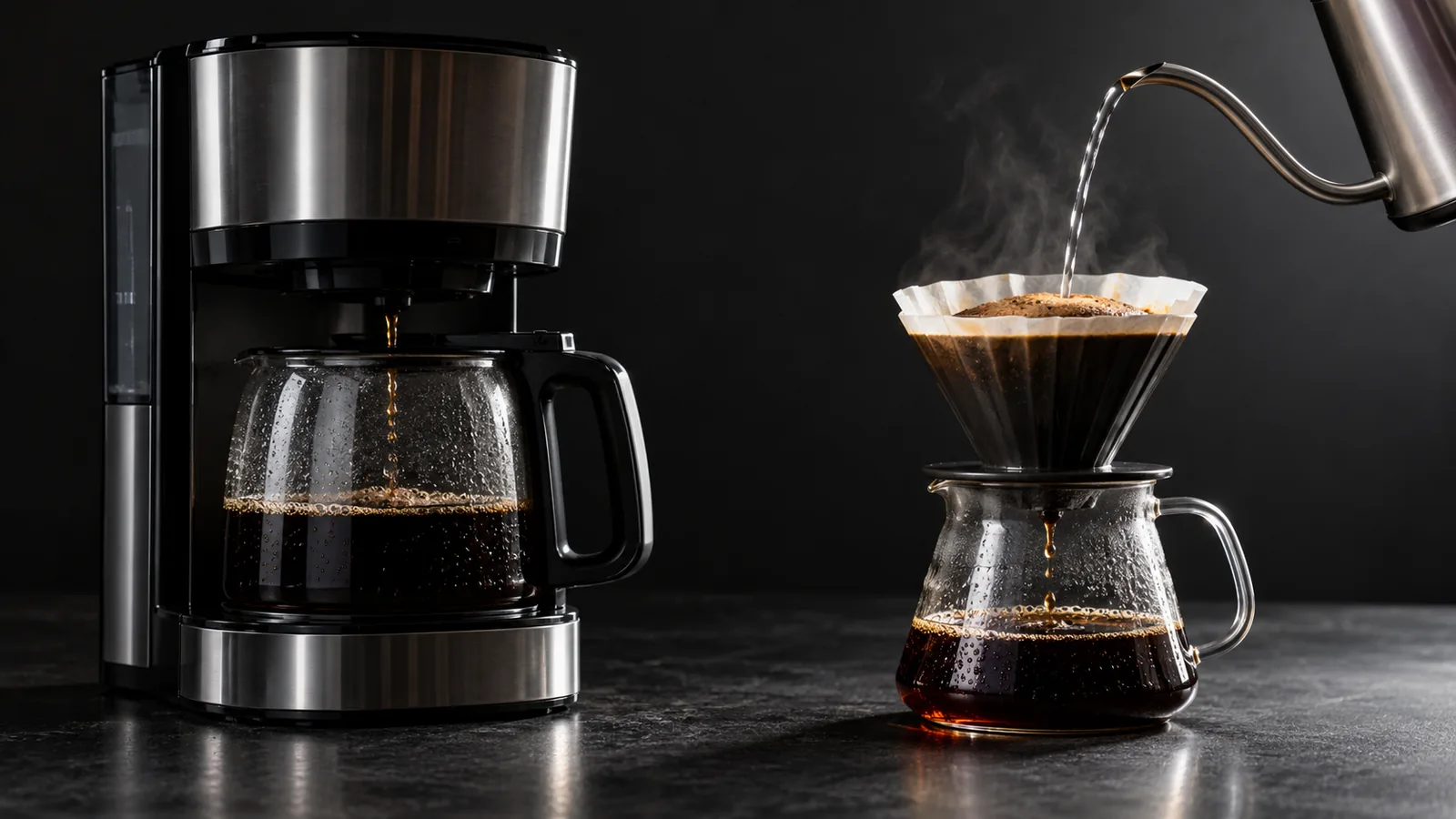
Drip Coffee Maker vs Pour-Over: Which Produces Better Coffee
Pour-over produces better coffee than most drip machines, but an SCA-certified drip machine narrows the gap significantly — and beats every pour-over on convenience. The real question is whether you want to be involved in the brewing process or get consistent coffee at the push of a button.
Read →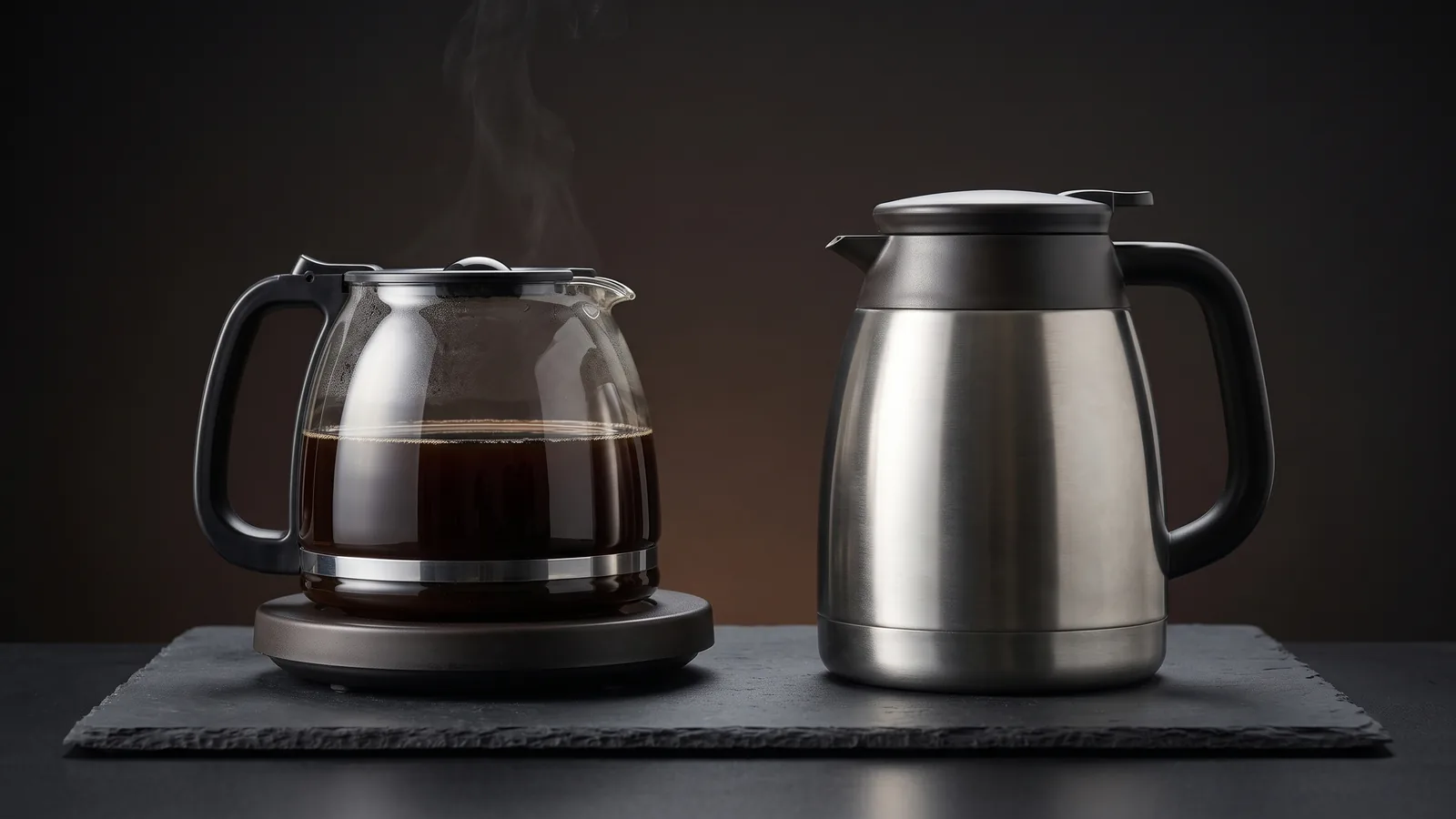
Glass Carafe vs Thermal Carafe: Which Is Better for Drip Coffee
Glass carafes with warming plates burn coffee after 20–30 minutes on heat, which is the primary complaint from buyers who brew and return to the pot later. Thermal carafes hold heat for 2–4 hours without burning. The right choice depends entirely on when you drink your second cup.
Read →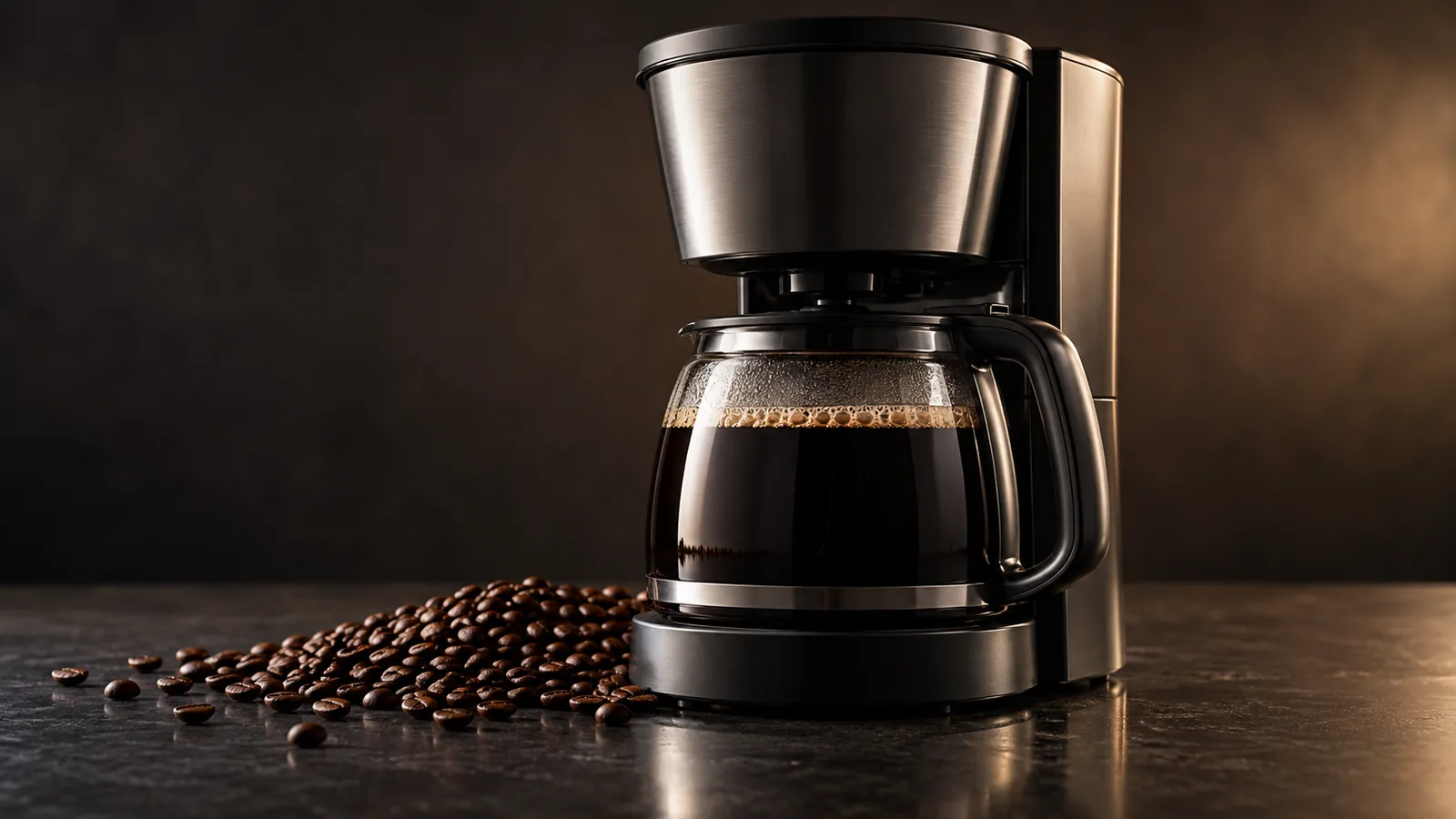
How to Choose a Drip Coffee Maker: Brew Temperature, Carafe Type, and What Actually Matters
Most drip coffee maker buying decisions come down to three questions: what temperature does it actually brew at, which carafe keeps coffee hotter for longer without burning it, and does the capacity match how much coffee you actually make. Everything else is secondary.
Read →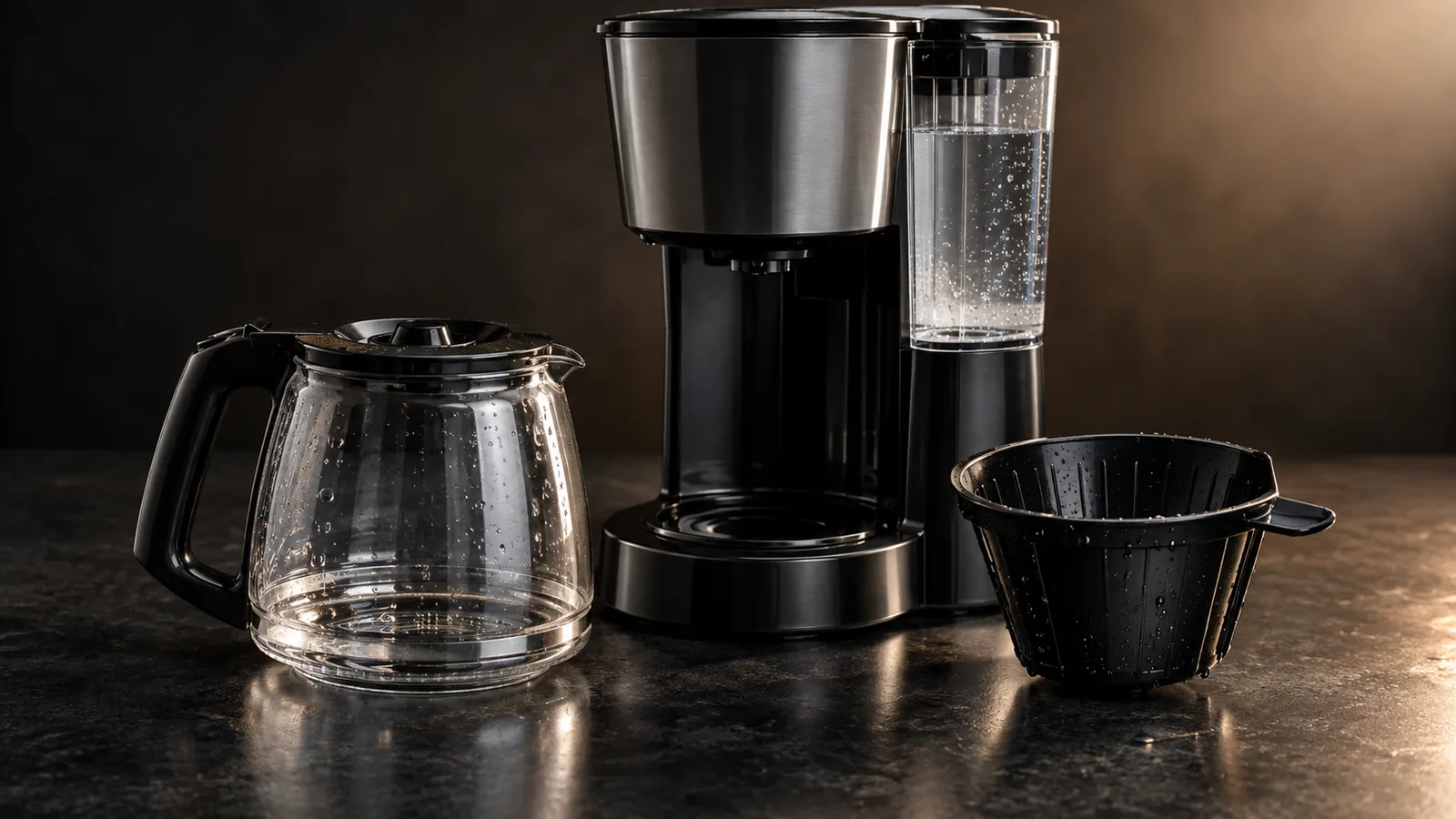
How to Clean a Drip Coffee Maker (and How Often to Descale)
Two separate cleaning tasks keep a drip coffee maker performing well: regular carafe and basket cleaning (weekly at minimum, or after every use for best results) and periodic descaling to remove mineral buildup from the heating element and water lines. The two are often confused but address different problems.
Read →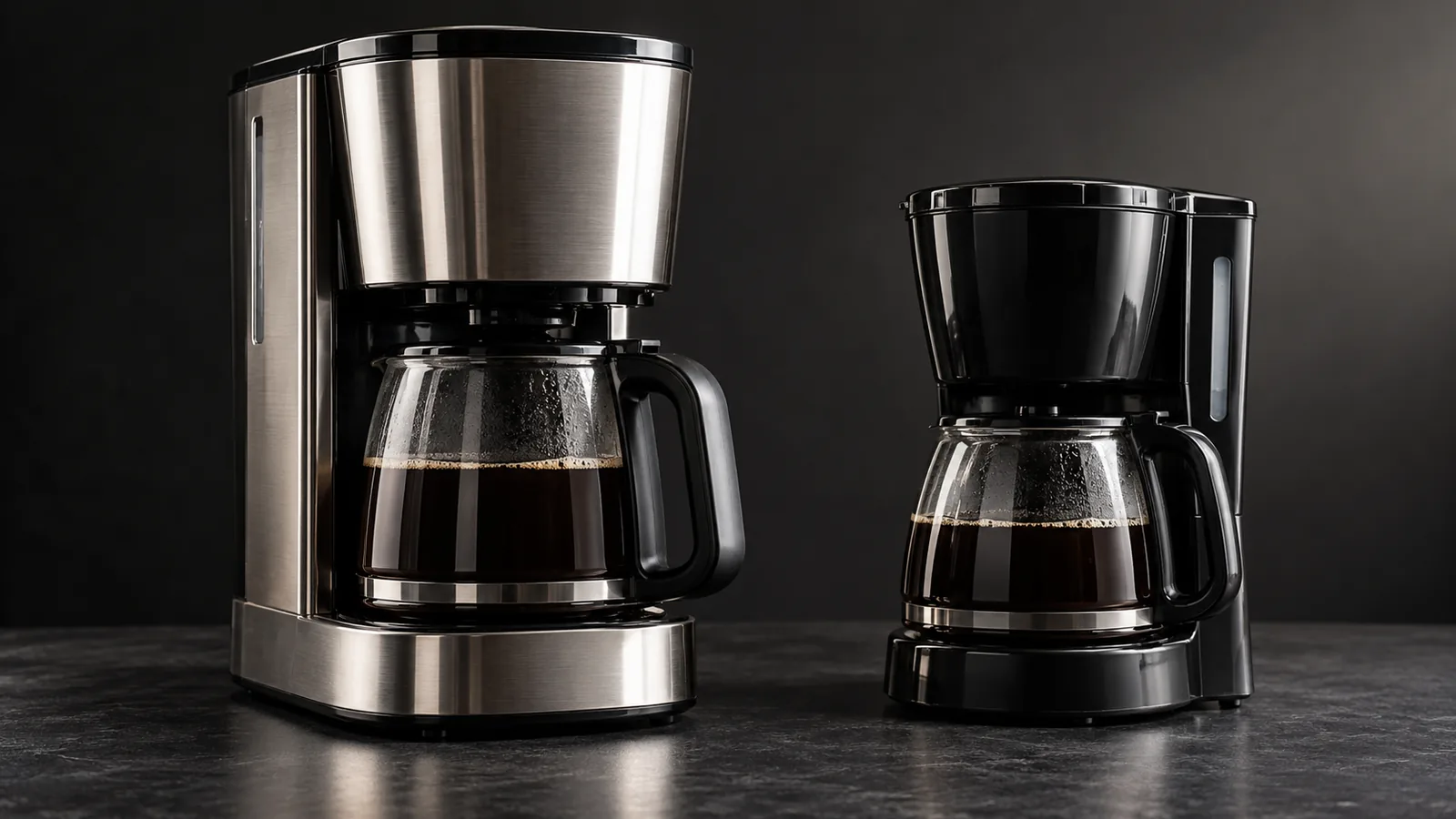
Premium vs Budget Drip Coffee Maker: What You Actually Pay More For
A $25 drip machine and a $200 one both make a pot of coffee — but not at the same temperature. The big thing you pay more for is brew heat: budget machines run 165–185°F and taste flat, while SCA-certified machines hit 195–205°F, where coffee actually extracts. Add even saturation, thermal carafes, and durability. Here is where the money goes.
Read →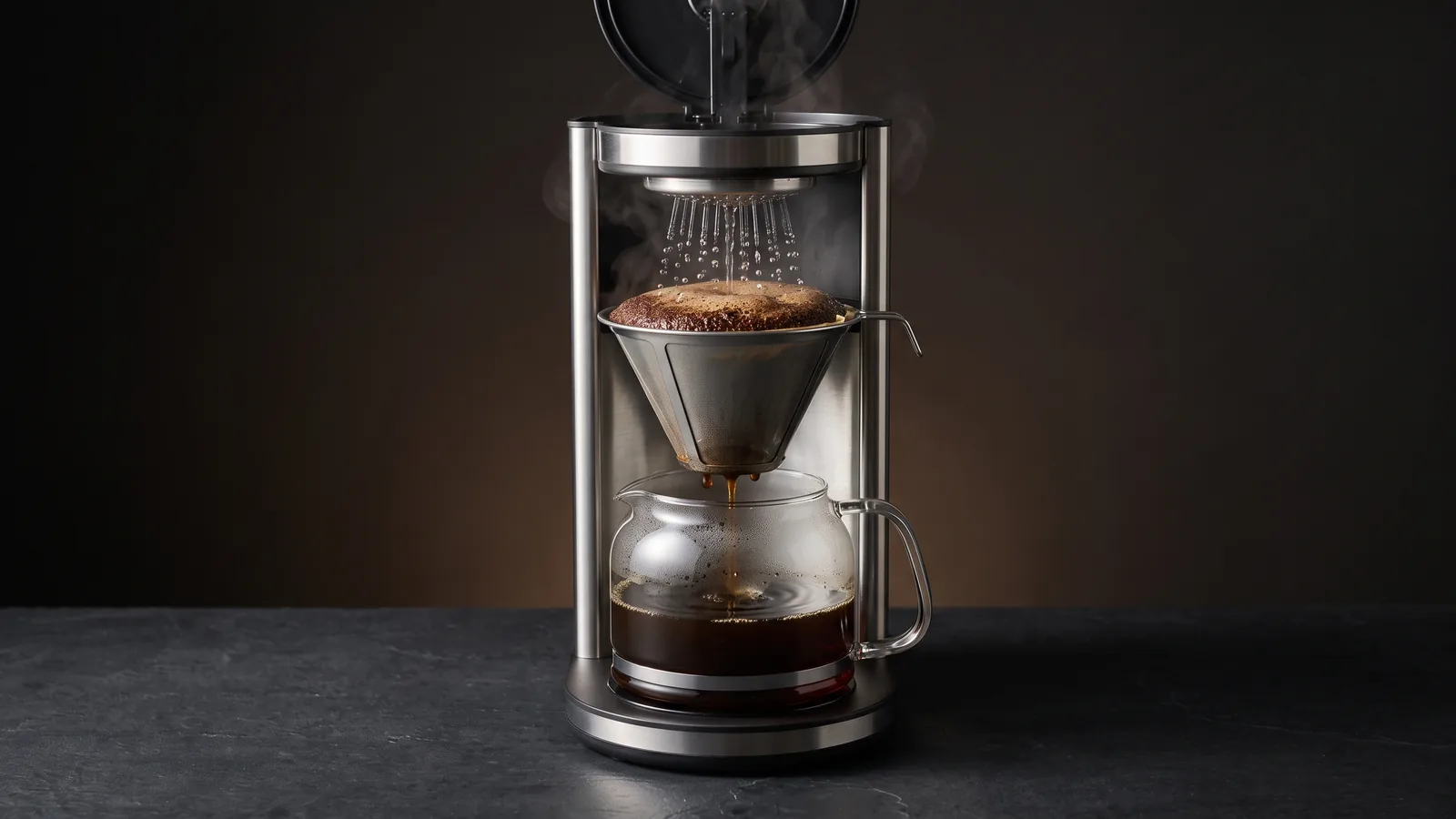
SCA-Certified Coffee Makers Explained: What the Certification Means and Whether It Matters
SCA certification is the most reliable proxy for drip coffee maker quality. It requires demonstrating 195–205°F brew temperature and correct contact time in third-party testing. No other consumer-facing label makes the same specific, tested claims about brew quality.
Read →
Best for specific uses
Ranked picks for each use case, grounded in verified buyer review data.
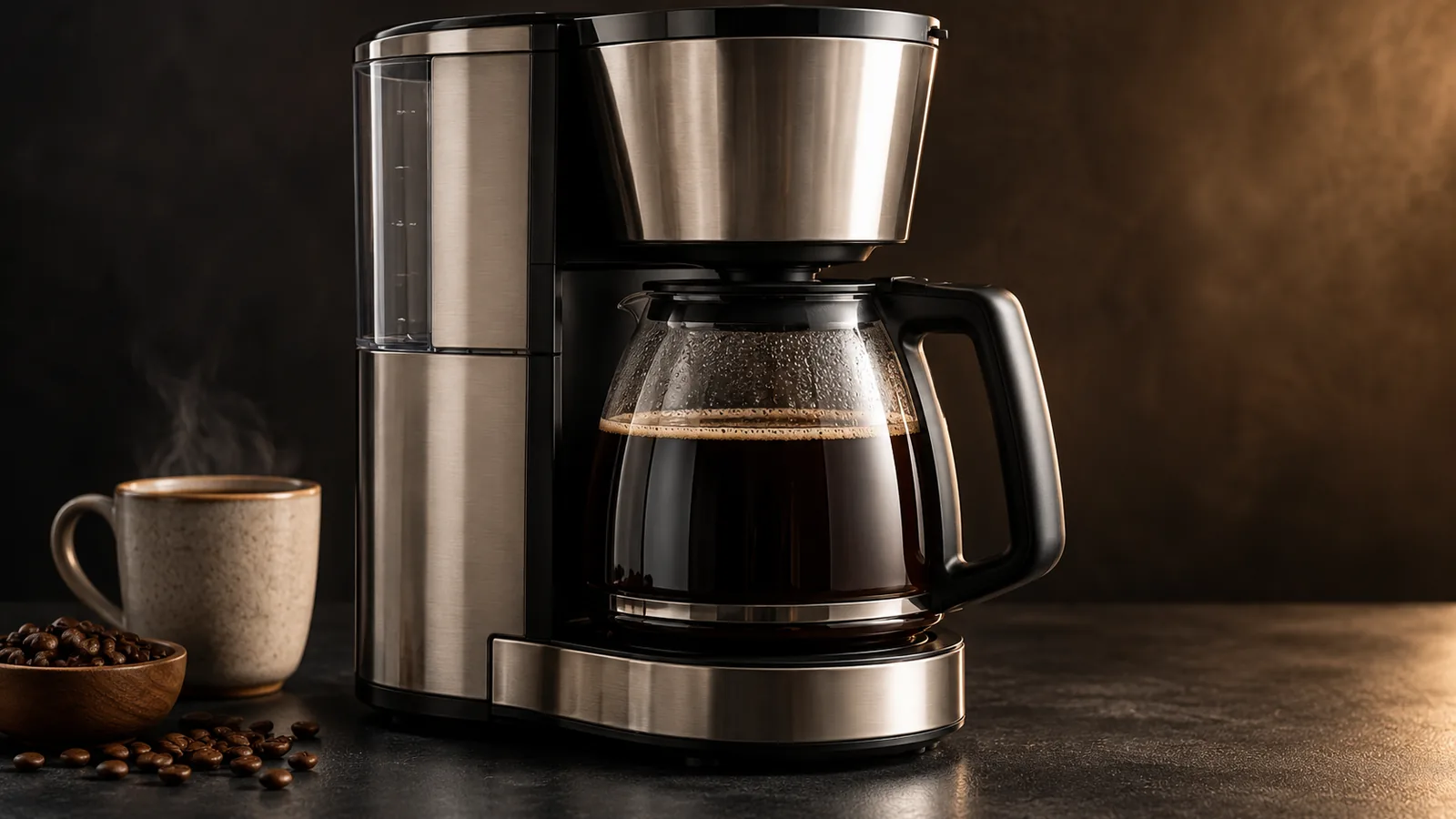
Breville Precision Brewer Review: The Flexible, Easy Certified Machine
Owners reward the Breville Precision Brewer above all for ease of use and adjustable brewing — it is the most flexible SCA-certified machine, with multiple brew modes and a programmable timer, and owners feel it over-delivers on expectations. The honest trade-offs are a premium price (value is its penalized quality) and a mild durability note. The best all-round certified machine if you want flexibility and ease, though for a great everyday cup a mainstream machine costs far less.
Read →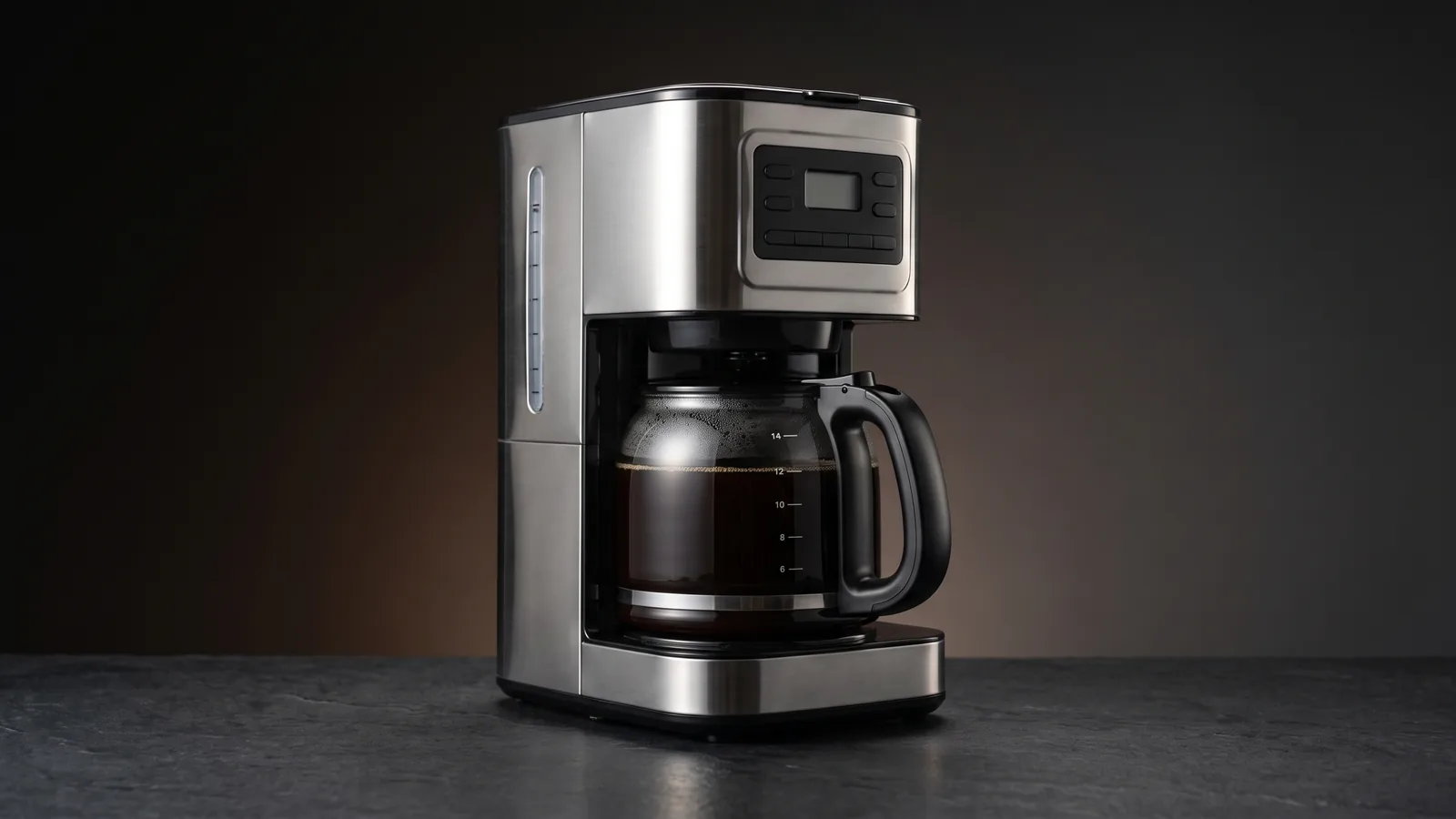
Cuisinart 14-Cup PerfecTemp Coffee Maker Review: Quality at Scale, With a Carafe Caveat
Owners reward the Cuisinart 14-Cup PerfecTemp for overall quality, brew experience, and temperature retention — it makes a genuinely good cup at the largest common capacity, with a programmable timer and keep-warm. The honest, well-documented weakness is the carafe: owners repeatedly report it leaking or dripping when pouring. The best pick for large households that want quality at scale, bought from a seller with an easy return window.
Read →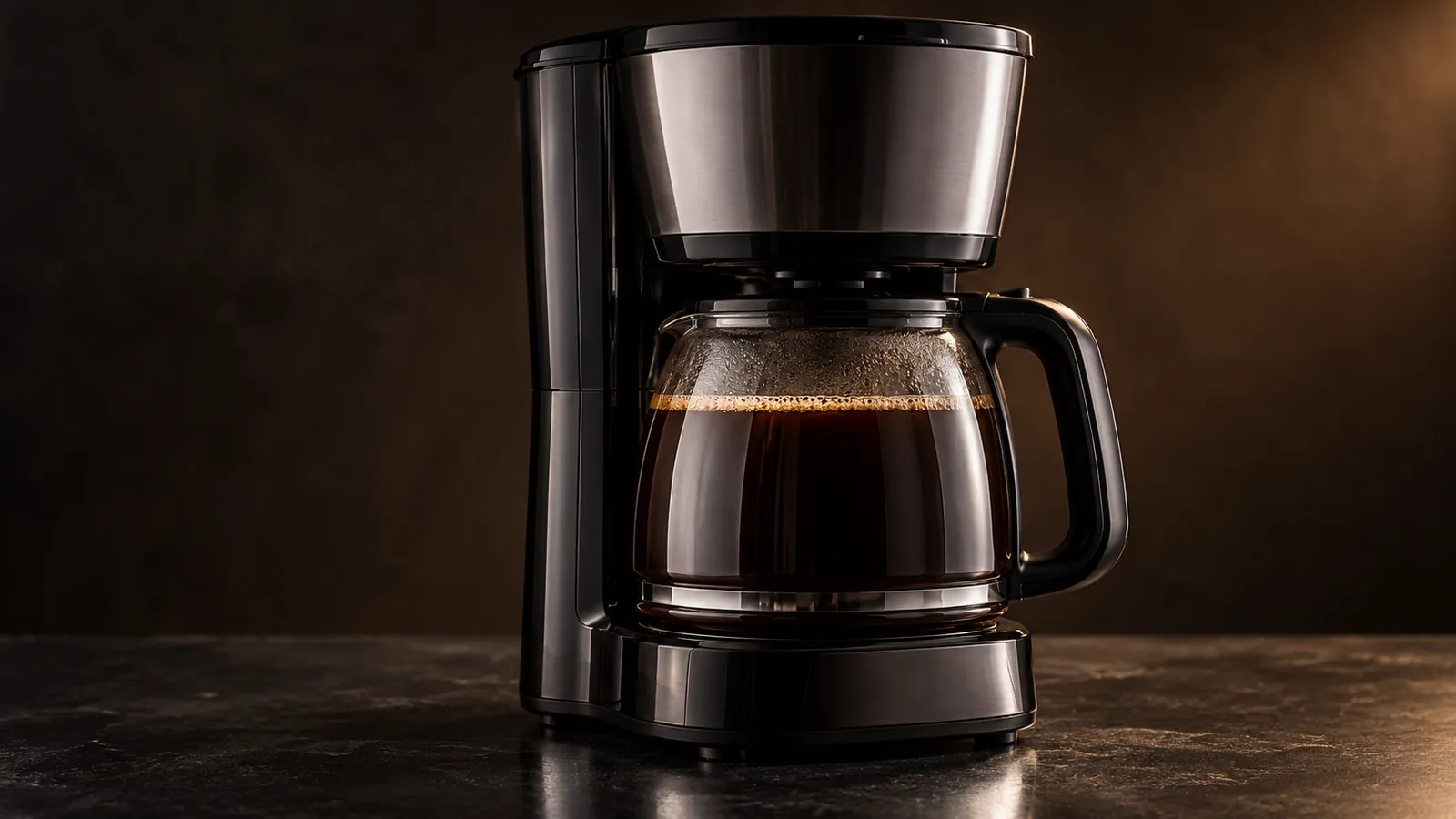
Hamilton Beach 12-Cup Programmable Coffee Maker Review: The Budget Quality Standout
Owners reward the Hamilton Beach 12-Cup Programmable for overall quality and ease of use far above what its price suggests — an unusually strong quality signal for a budget machine — along with brew strength and value. It is the budget quality standout: a full programmable 12-cup maker that punches well above its cost. Its one real caveat is durability, so buy from a seller with an easy return window.
Read →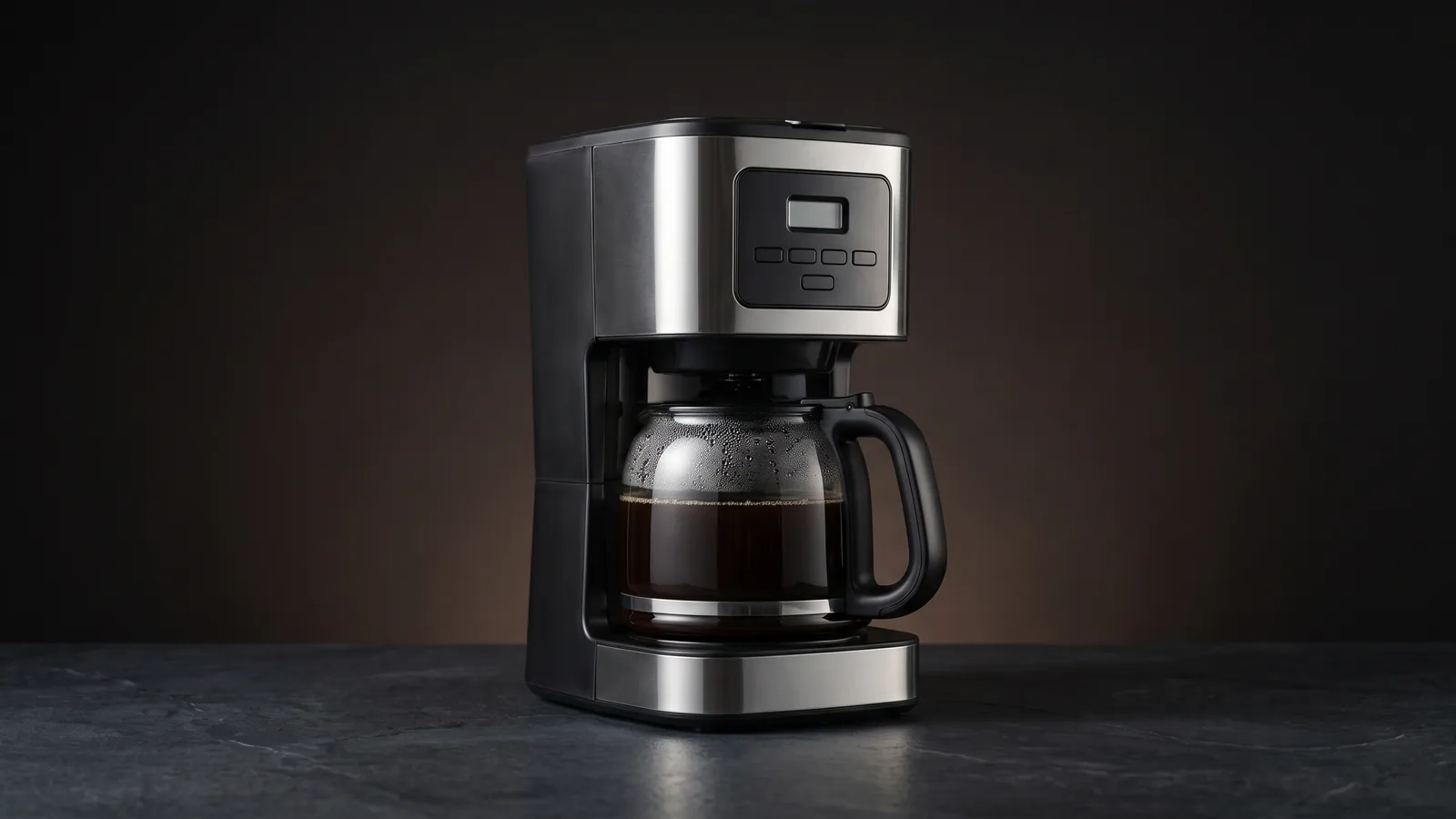
Ninja 12-Cup Programmable Coffee Maker Review: The Clean-Profile Best Overall
Owners reward the Ninja 12-Cup for temperature retention, ease of cleaning, ease of use, and quality — all above the category norm — on the largest ownership base among mainstream drip machines, and it carries no distinctive weakness in the buyer evidence. That clean profile makes it the best all-round drip coffee maker for most people. The one recurring complaint is a carafe that can drip when pouring — the category's shared flaw.
Read →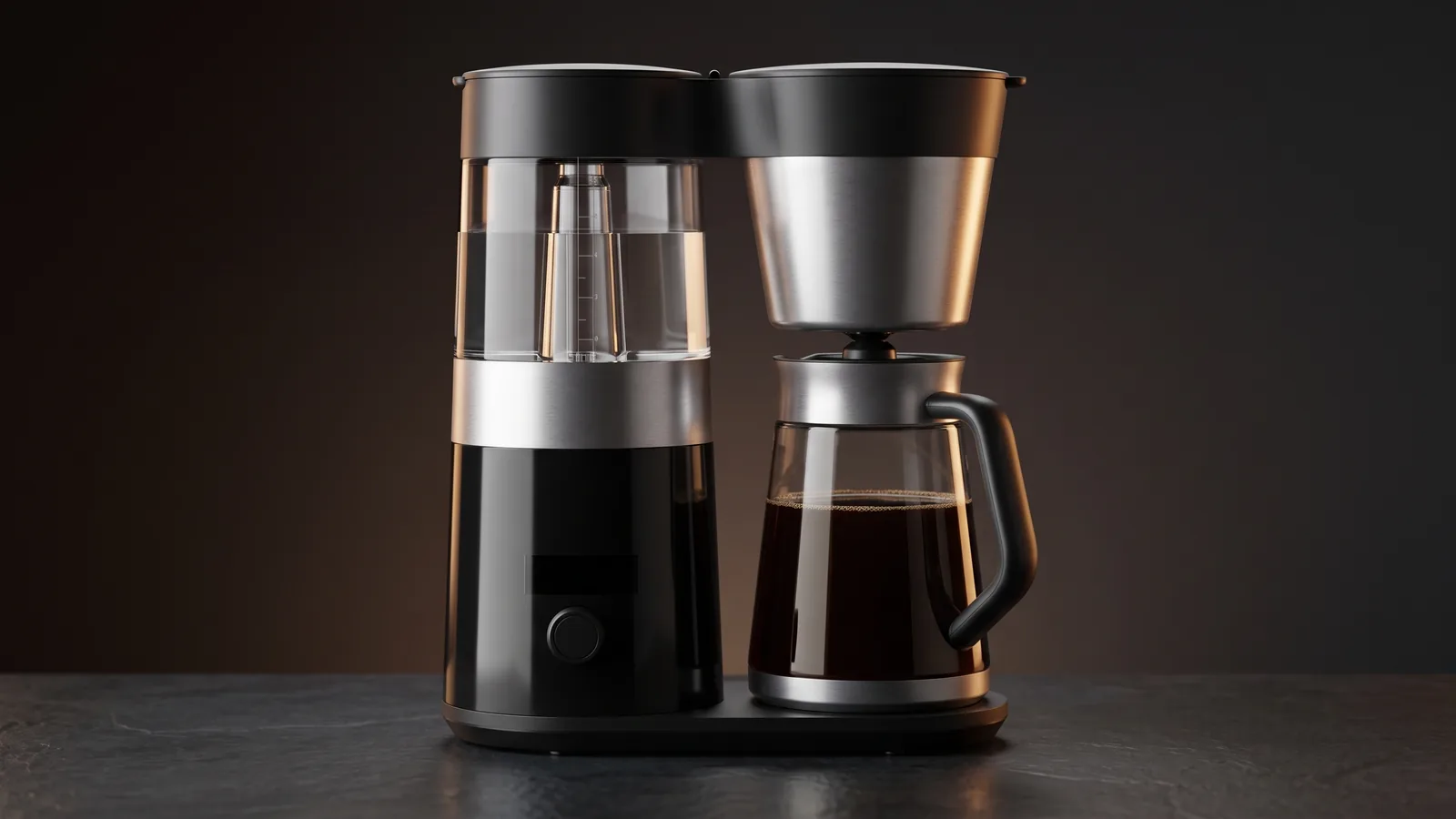
OXO Brew 9-Cup Review: Nails the Temperature, Owners Question the Price
Owners reward the OXO Brew 9-Cup most for temperature control — well above the category norm — plus heat retention from its thermal carafe, so it delivers the certified promise of hitting and holding the right brew temperature. The honest catch is value and quality: owners penalize both, with sharp 'absolutely not worth the price' sentiment. Right if temperature accuracy in a compact machine is your priority and you accept the value complaint.
Read →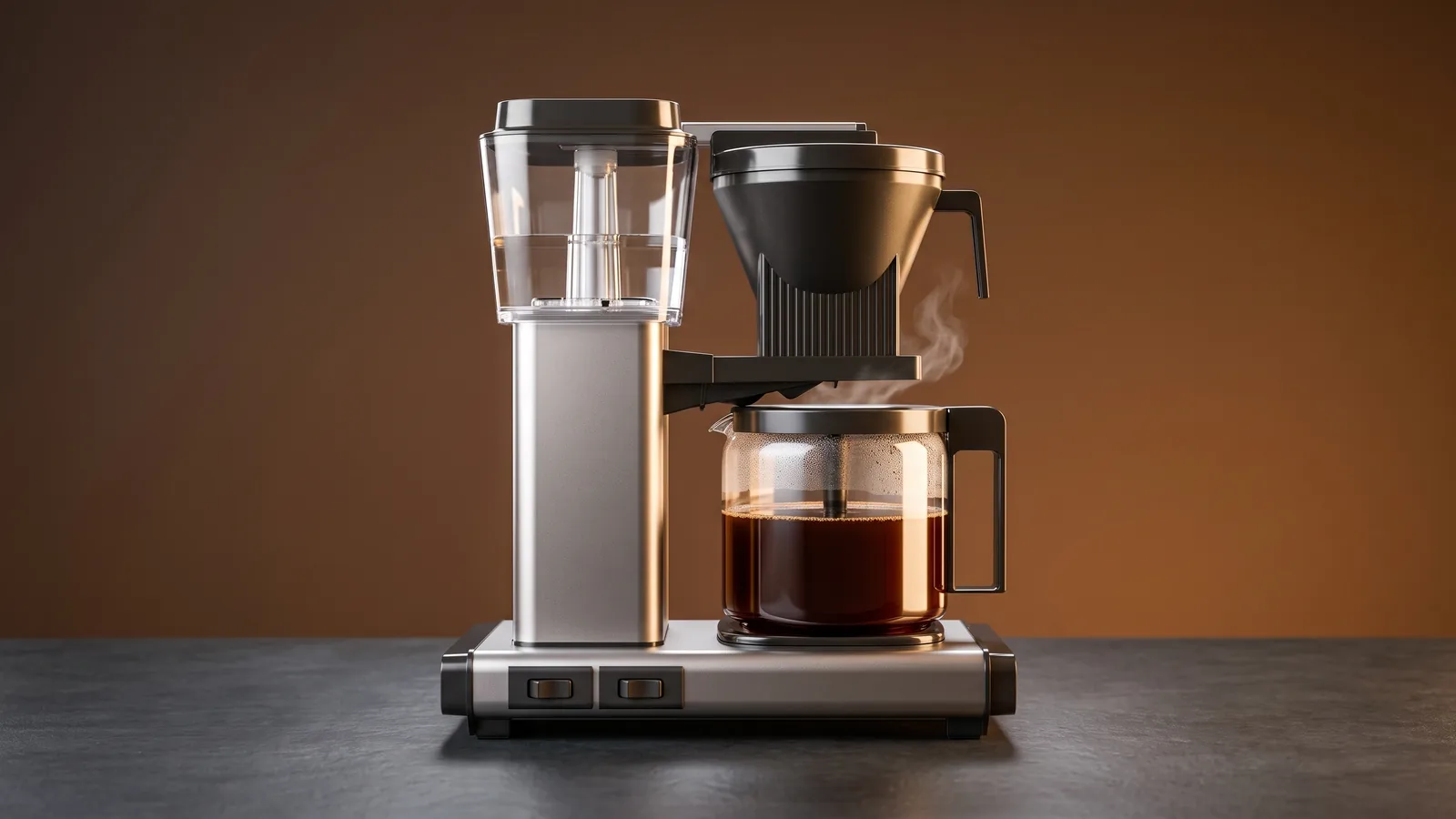
Technivorm Moccamaster Review: Durable, Iconic, and a Steep Premium
Owners reward the Technivorm Moccamaster for durability and easy cleaning — it is genuinely built to last and repairable, rare in this category — along with its iconic look and fast brew. But value-for-money is the quality they penalize most, more sharply than on any other certified machine, with 'not worth it for the quality' a recurring note and some finish-flaw reports. A buy-it-for-life design object, not better coffee than the cheaper certified machines.
Read →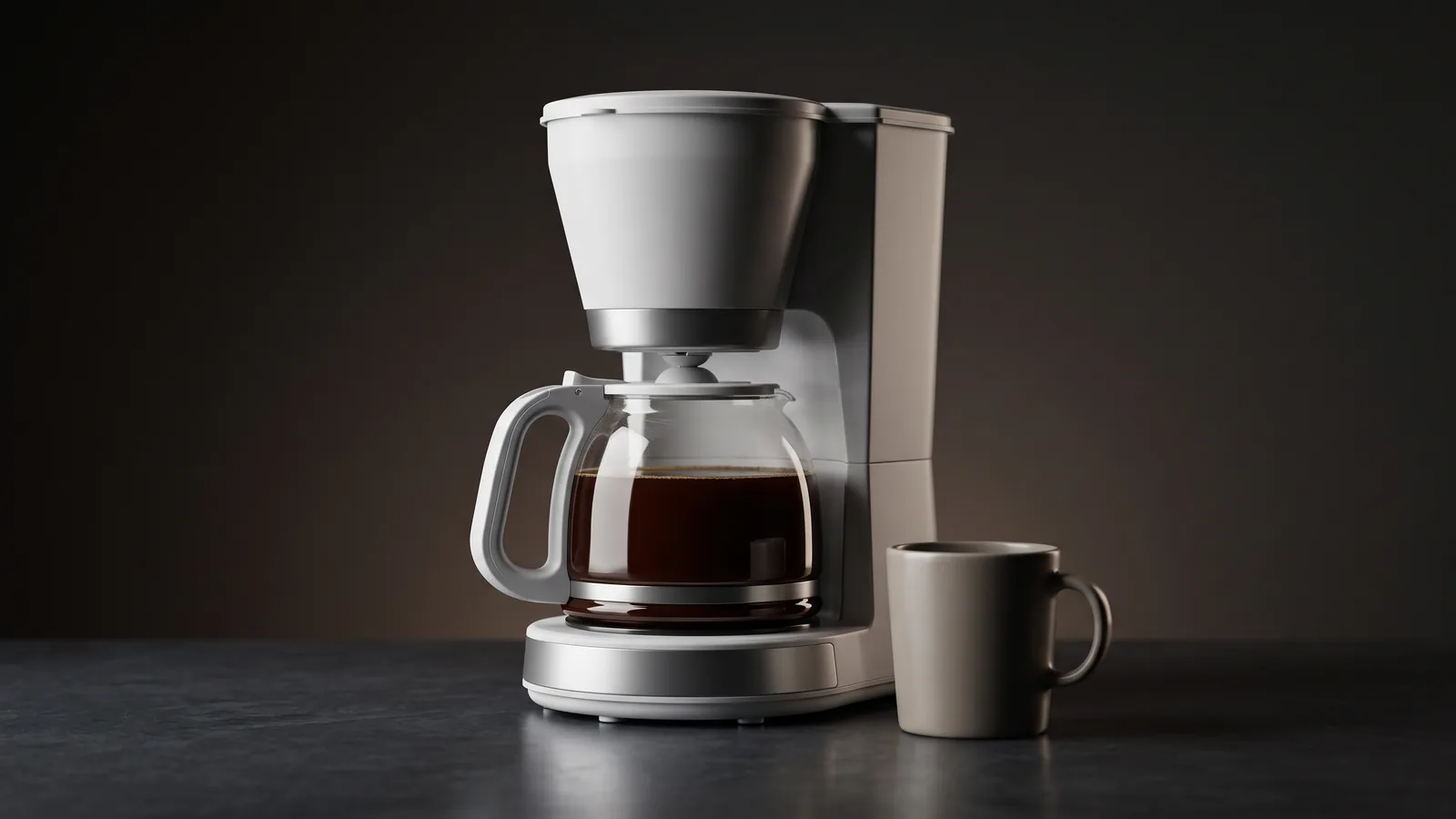
The Best Budget Drip Coffee Makers of 2026
The best budget drip coffee maker is the Hamilton Beach 12-Cup Programmable — owners reward it for quality and ease of use far above what its price suggests, a genuinely surprising standout. The Black+Decker 12-Cup Digital is the cheapest programmable, rewarded for value, with an early-failure caveat. The Mr. Coffee 5-Cup Mini is the compact pick. One caveat runs through the whole tier: durability — so buy from a seller with an easy return window.
Read →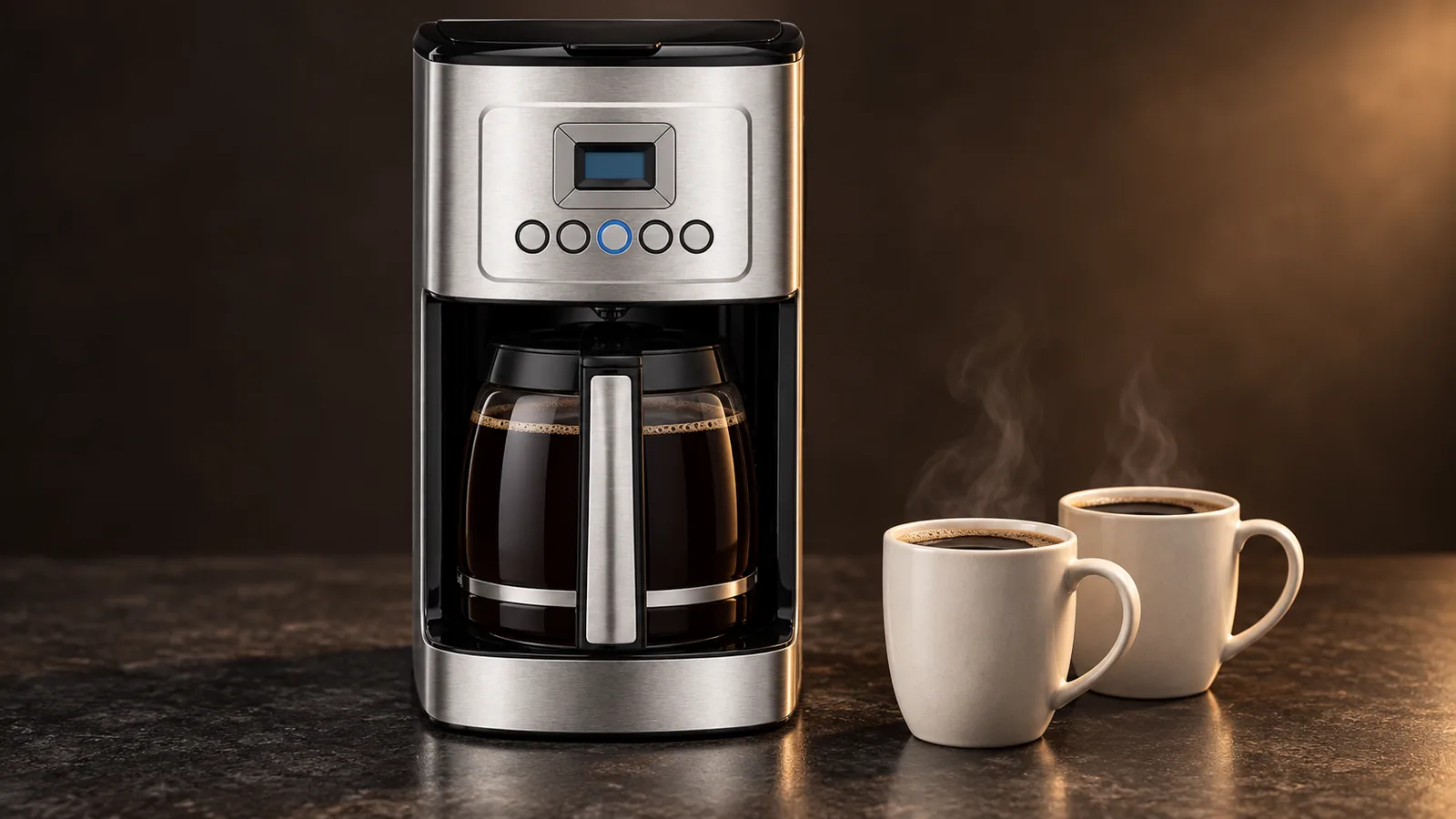
The Best Coffee Makers for Families (Drip Picks, 2026)
Family brewing needs capacity and a good cup at scale. The best drip coffee maker for families is the Cuisinart 14-Cup PerfecTemp — owners reward it for overall quality and brew experience at the largest common size, with a programmable timer. The Ninja 12-Cup is the cleaner all-round pick for most households; for staggered morning schedules, the Black+Decker Thermal keeps coffee hot longest. The shared caveat across the glass-carafe machines is a spout that can drip when pouring.
Read →
The Best Drip Coffee Maker for Small Kitchens (2026)
Small kitchens don't need a different kind of drip coffee maker — they need a smaller one. The best compact pick is the Mr. Coffee 5-Cup Mini: owners reward its small footprint above almost anything in the category, plus value and quick brewing. For the absolute smallest footprint with no electronics, the Bodum Pour Over is a manual glass option owners love for style and aroma — though it's fragile. Match capacity to how many cups you actually pour at once.
Read →
The Best Programmable Drip Coffee Makers of 2026
Programmability is table stakes — even cheap machines schedule a brew up to 24 hours ahead — so the best programmable drip coffee maker is really the best all-round machine that happens to have a timer. That is the Ninja 12-Cup: owners reward it for temperature retention, ease of cleaning, ease of use, and quality, with no distinctive weakness. The Cuisinart 14-Cup is the large-household pick; the Black+Decker Digital is the cheapest. The category's shared caveat is a carafe that can leak when pouring.
Read →
The Best SCA-Certified Drip Coffee Makers of 2026
Three certified machines cover the premium tier, and they pass the same brew-temperature standard — so the decision is about what else each offers. The Breville Precision Brewer is the best all-round pick: owners reward it for ease of use and adjustable brewing above all. The OXO 9-Cup nails temperature control but owners question its value. The Moccamaster is the durable, iconic object with the steepest premium. All three are penalized on value — for most people, a mainstream machine is the better buy.
Read →
Head-to-head comparisons
Direct comparisons between specific brands and models.
Hamilton Beach vs Black+Decker: Which Budget Coffee Maker Wins?
The Hamilton Beach for quality, the Black+Decker for the lowest price. Owners reward the Hamilton Beach for overall quality and ease of use far above its price, with only a mild durability caveat — the budget quality standout. The Black+Decker is cheaper and rewarded for value and for over-delivering on its listing, but owners penalize its quality more and report a clearer early-failure minority.
Read →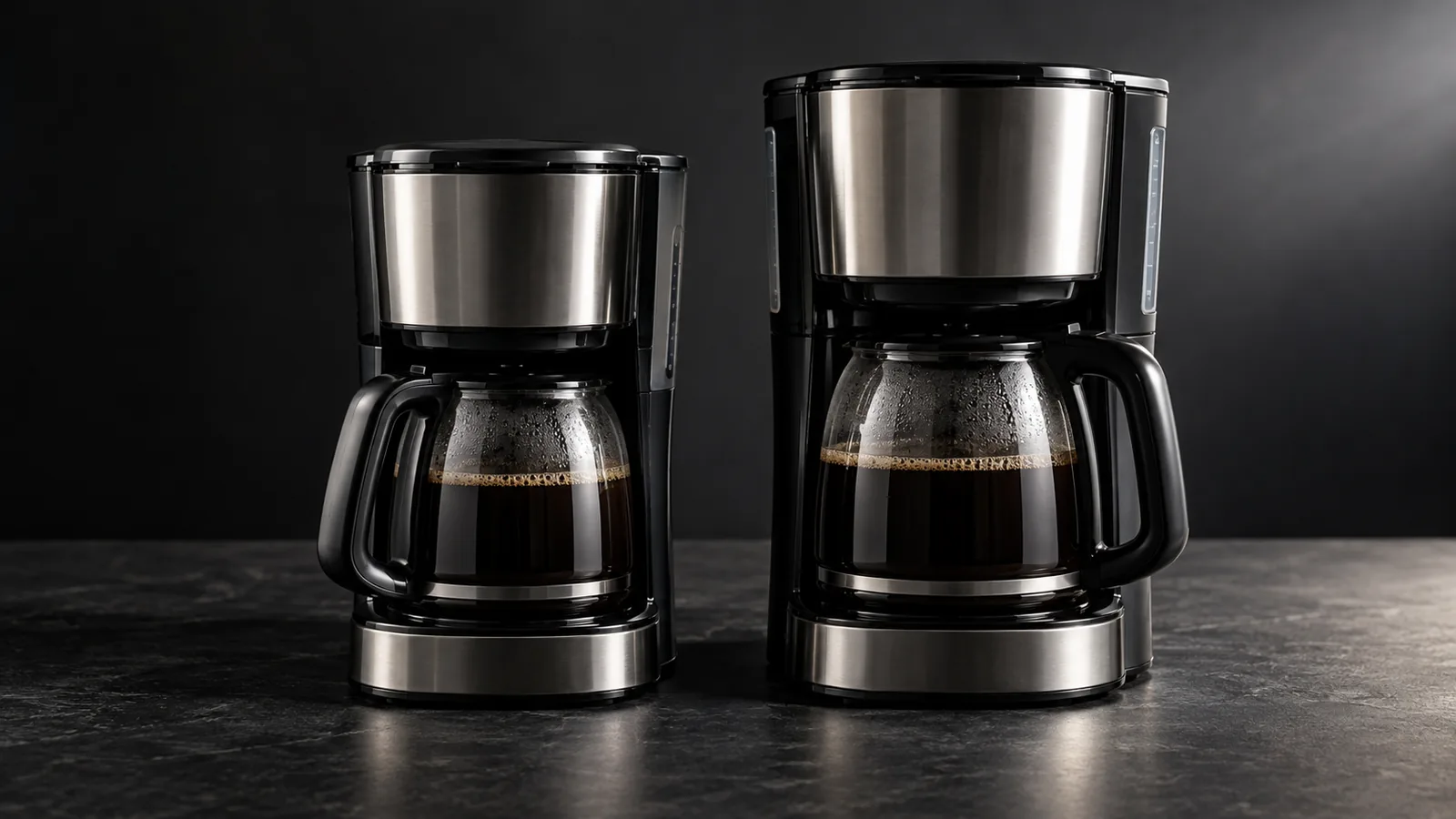
Ninja 12-Cup vs Cuisinart 14-Cup: Clean All-Rounder or Quality at Scale?
Both are rewarded for quality and both share the category's carafe-drip caveat — the split is the cleanest all-round experience versus capacity. The Ninja 12-Cup has no distinctive weakness and is a touch easier to live with; the Cuisinart 14-Cup gives you more capacity and a well-regarded brew at scale. For most households the Ninja is the pick; if you regularly brew for five or more, the Cuisinart earns its size.
Read →
The complete ranking
The definitive guide across the full category.
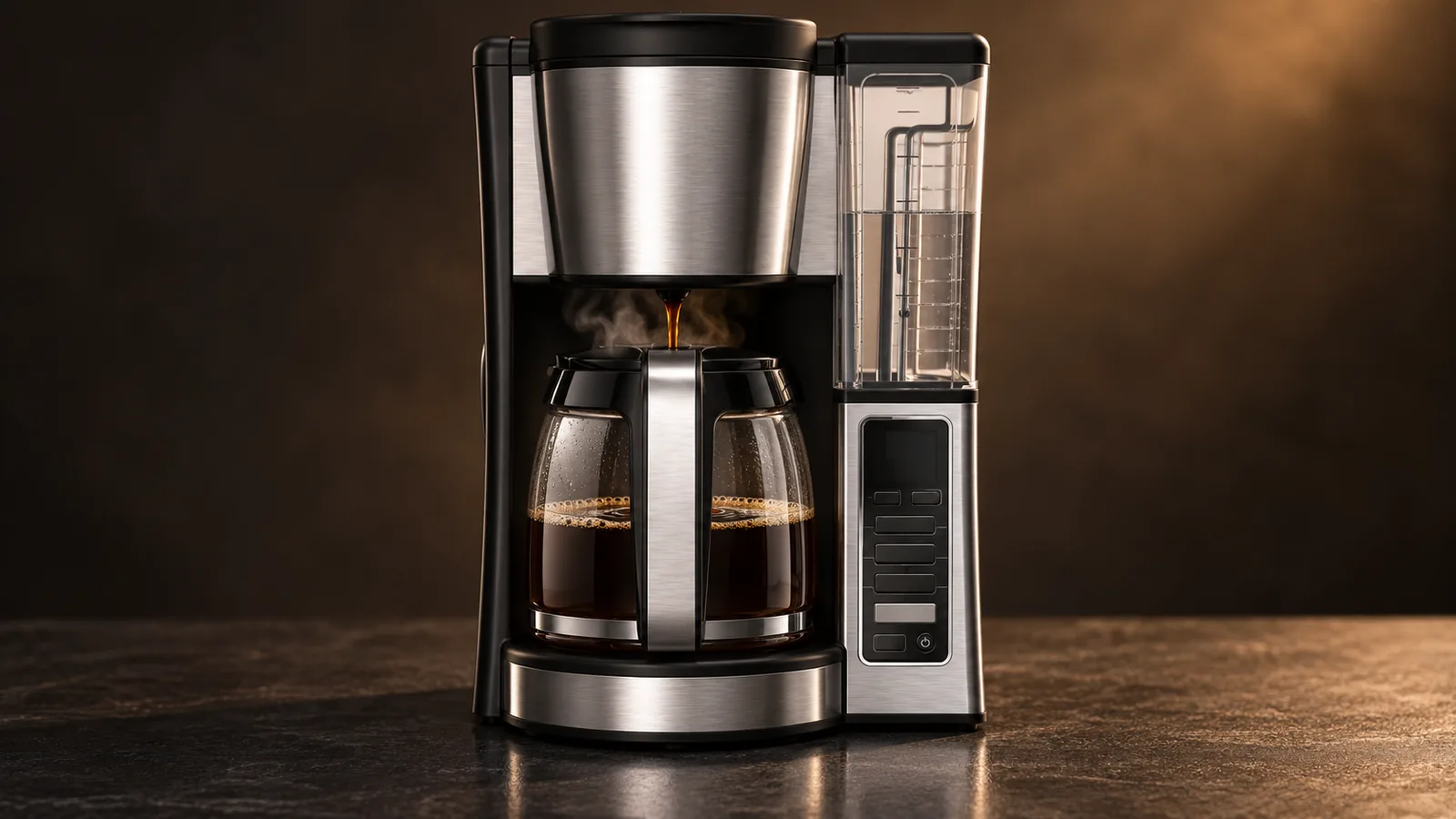
The Best Drip Coffee Makers of 2026
The best drip coffee maker for most people is the Ninja 12-Cup — owners reward it for temperature retention, ease of cleaning, ease of use, and quality, with no distinctive weakness. The Hamilton Beach 12-Cup is the budget quality standout; the Cuisinart 14-Cup is the pick for large households; the Black+Decker Thermal is best for staggered mornings; the Mr. Coffee Mini is the compact pick. Two flaws run through the category: carafe leaking and budget durability.
Read →The Best Filter Coffee Machines in Ireland (2026)
In Ireland and the UK it's a 'filter coffee machine', not a 'drip coffee maker' — same appliance, different name — and the one most kitchens buy is a Russell Hobbs. This guide ranks the best filter coffee machines you can actually buy in Ireland: a best-overall Russell Hobbs, a value Morphy Richards, and a Melitta for brew quality — all 230V models on Amazon UK, which ships to Ireland, so the links go to the right store rather than a US listing that won't run on Irish mains.
Read →