How each system works
Glass carafe with warming plate
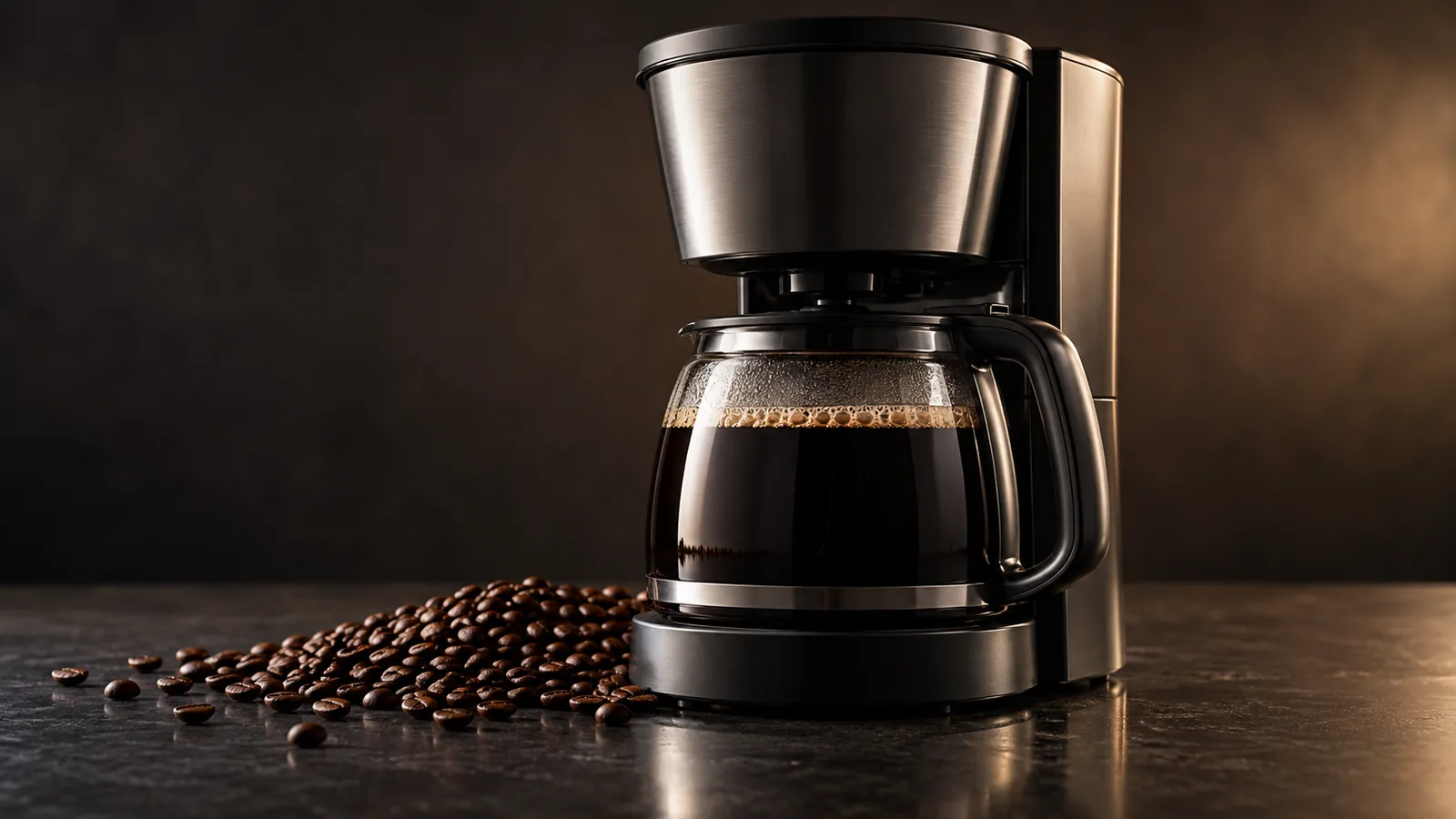
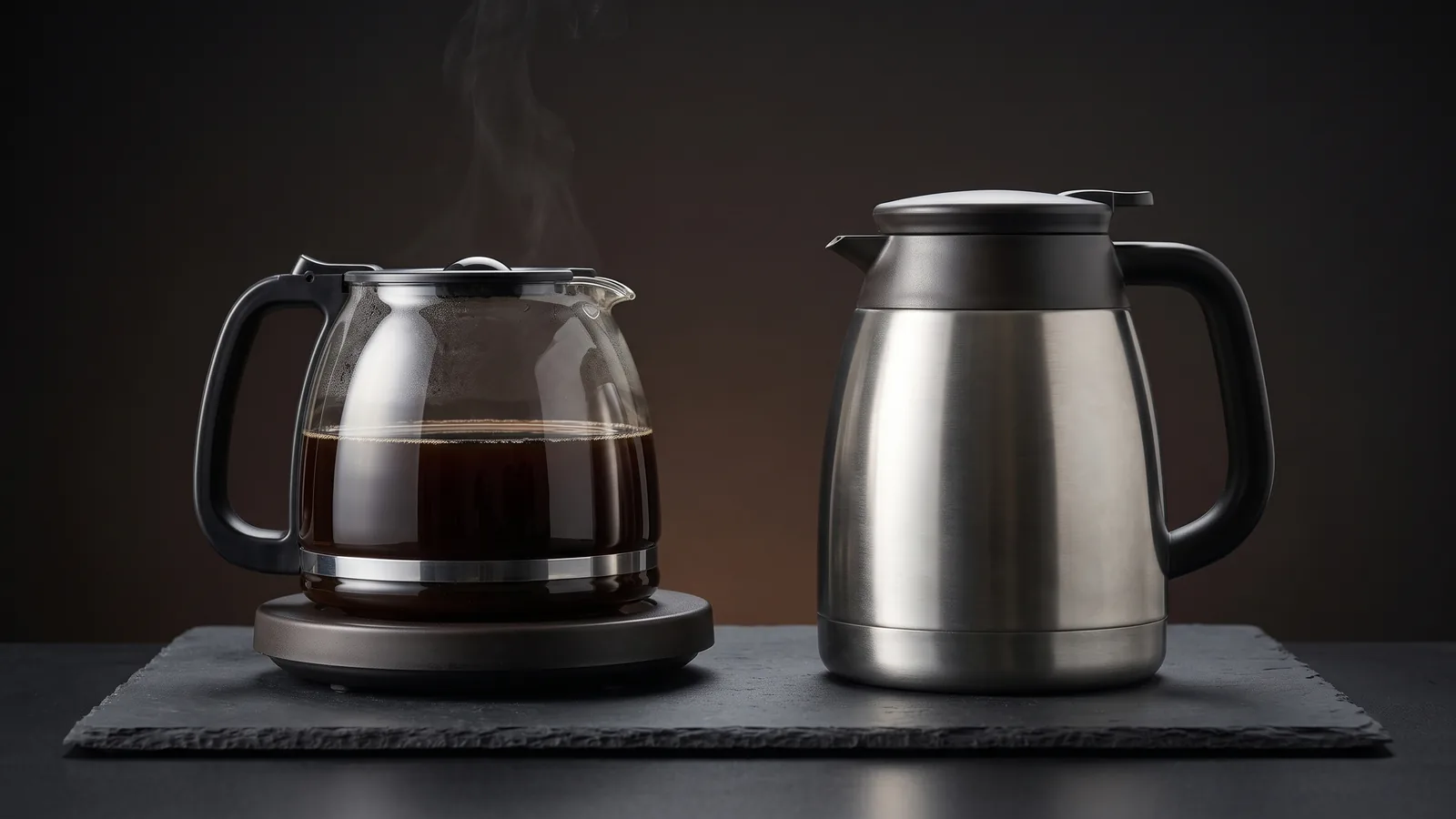
A glass carafe sits on a metal plate embedded in the machine’s base. The plate is electrically heated — typically to 140–175°F — and stays on as long as the machine is powered. The glass conducts heat from the plate into the coffee, maintaining a warm temperature.
The physics problem: a warming plate does not regulate to a consistent coffee temperature — it applies a constant heat level regardless of how much coffee remains, how long it has been sitting, or whether the coffee is already hot enough. Over time, the coffee at the bottom of the carafe heats significantly above the warming plate temperature through sustained contact. This drives a chemical process that degrades flavor.
Thermal carafe
A thermal carafe uses double-wall construction — two layers of stainless steel (or sometimes glass) with a vacuum or insulating gap between them — to trap the initial heat of freshly brewed coffee. No external heating involved; the carafe simply retains the heat that was already in the coffee at the time of brewing.
The trade-off: a thermal carafe can only retain heat, not add it. If the carafe starts cold, it absorbs heat from the coffee during the first few minutes of brewing. Pre-heating by rinsing the carafe with hot water before brewing is the standard workaround and materially extends heat retention.
This is also where owner sentiment splits. Buyers who choose thermal machines reward them for retention above almost anything else — coffee stays drinkable for hours without the warming-plate scorch. But a recurring, honest complaint on thermal machines is that the coffee arrives or holds cooler than they’d like: because there’s no plate topping up the heat, a thermal carafe is trading “never burnt” for “not piping hot.” If you like your coffee very hot right up to the last cup, that trade-off is worth knowing before you buy; if you value coffee that never tastes scorched over a long morning, it’s exactly what you want.
What actually happens on a warming plate
Consumer testing published by coffee publications has measured warming plate degradation in controlled conditions. The pattern is consistent:
- 0–20 minutes: coffee temperature and flavor stable; warming plate maintaining without significant burning
- 20–45 minutes: flavor degradation begins; the bottom layer of coffee is burning and mixing into the carafe; buyers sensitive to coffee quality begin to detect a change
- 45–90 minutes: clearly burned/stale flavor; widely detectable regardless of bean quality; the dominant flavor is the burning, not the original coffee character
- 90+ minutes: coffee is substantially degraded; the warming plate has been working against the coffee for over an hour
This pattern is the basis for the near-universal recommendation to avoid leaving coffee on a warming plate for more than 20–30 minutes. The issue is not the glass carafe — it is the constant-heat holding mechanism.
Buyer patterns and where satisfaction diverges
Analyzing buyer reviews by complaint type reveals a clear pattern:
Glass carafe buyers who are satisfied: predominantly buyers who brew and finish the pot within 20–30 minutes — a household that makes coffee when everyone is present and drinks it together, or a single buyer who makes a small batch and finishes it immediately.
Glass carafe buyers who are dissatisfied: buyers who brew a full pot in the morning and return to it over 1–3 hours — a common pattern for remote workers, parents with morning routines, or anyone who pours a first cup and returns for a second an hour later.
Thermal carafe buyers who are satisfied: buyers who specifically switched from glass after a negative warming-plate experience, or buyers who researched and selected thermal for the holding-without-burning property.
Thermal carafe buyers who are dissatisfied: primarily buyers who find the carafe difficult to clean, who find the opacity inconvenient, or who find the first cup slightly cooler than with a glass-plus-warming-plate setup (because the thermal carafe absorbs some heat during brewing if not pre-heated).
Practical comparison
| Factor | Glass + warming plate | Thermal carafe |
|---|---|---|
| Keeps coffee at optimal temp for | 20–30 minutes | 2–4 hours |
| Coffee after 1 hour | Typically burned/stale | Still drinkable (slightly cooler) |
| Heat retention mechanism | External electricity | Insulation; no electricity after brewing |
| Pre-heating required | No | Yes (rinse with hot water before brewing) |
| Visibility of coffee level | Easy (transparent) | Harder (opaque) |
| Ease of cleaning | Easy; usually dishwasher-safe | Moderate; requires brush for interior |
| Replacement cost | Lower ($15–$30) | Higher ($30–$80) |
| Machine cost premium | Baseline | Typically $15–$50 more |
| Best for | Drink-all-at-once pattern | Brew-and-return pattern |
A note on warming plate temperature control
Some machines offer an adjustable warming plate (low/medium/high, or a specific temperature dial). This allows reducing the burning rate — setting a lower warming plate temperature extends the window before the coffee flavor degrades significantly.
The limitation: even at the lowest setting, a warming plate does not eliminate the burning issue over a long enough time period — it delays it. A thermal carafe eliminates it by removing the warming mechanism entirely. If you want to drink good coffee two hours after brewing, a variable warming plate is a partial solution; a thermal carafe is the complete one.
The decision
Buy a glass carafe machine if:
- You and your household finish the entire pot within 20–30 minutes of brewing
- You prefer lower cost and ease of cleaning
- You will use the machine’s delay-brew feature and want coffee ready at a specific time (glass carafe machines more commonly include delay brew at lower price points)
- Carafe replacement cost is a consideration
Buy a thermal carafe machine if:
- You brew a pot and return to it over 1–2+ hours
- You work from home and want coffee available all morning
- You currently own a glass carafe machine and find yourself regularly disappointed by the second cup
- You are buying a machine at the $100+ price point where thermal carafe models are common
Know which carafe you want? See our top drip coffee maker picks for the best models of each type.
Our overall drip pick — Ninja 12-Cup Programmable. The all-rounder owners trust most, whichever carafe you choose:
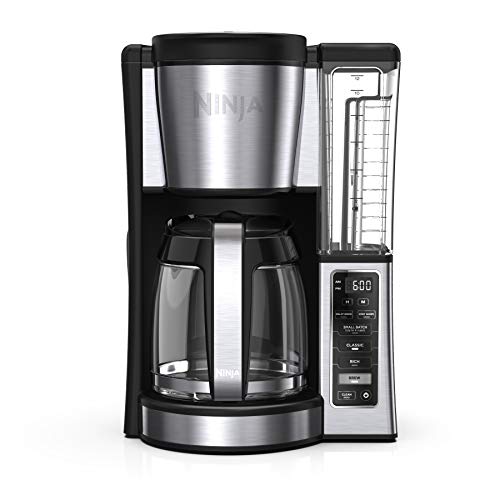
Ninja 12-Cup Programmable Coffee Brewer
The best all-round drip coffee maker. Owners reward it for temperature retention, ease of cleaning, ease of use, and quality — all above the norm — on the largest ownership base among mainstream machines, and it carries no distinctive weakness. Multiple brew styles plus a programmable timer cover the everyday routine. The one caveat is a carafe that can drip when pouring, so buy with an easy return window.
Prime Day Amazon Prime Big Deal Days is on — a good time to check the live price.
Check current price on AmazonWhat buyers praise
- No distinctive weakness — the cleanest profile in the category
- Rewarded for temperature retention, cleaning, ease of use, and quality
- Largest ownership base among mainstream machines — trustworthy signal
- Multiple brew styles plus a programmable timer
What buyers flag
- Carafe can drip when pouring — the category-wide caveat
- 12-cup — large households may want the Cuisinart 14-cup
- Not SCA-certified
How to choose a drip coffee maker · Drip coffee maker capacity guide