Electric Kettles
A complete, data-grounded guide to electric kettles — gooseneck vs standard, variable temperature vs single boil, the right heat for every tea and coffee style, and which models earn the best marks from verified buyers. Buying guides and explainers come first; ranked picks and comparisons follow as review data is gathered and analyzed.
How they work
Buying guides and explainers — start here if you are new to the category.
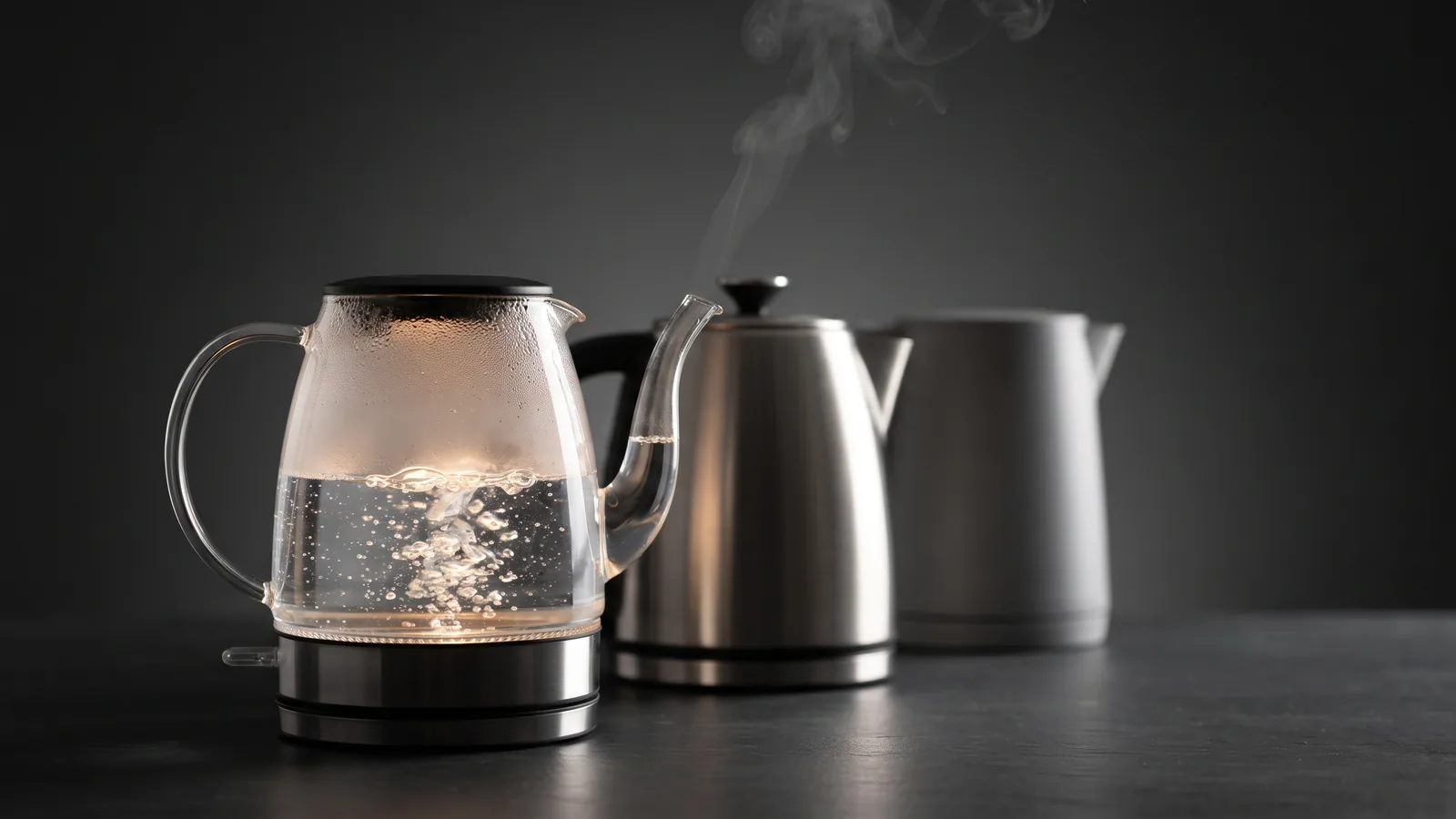
Electric Kettle Materials: Glass, Steel or Plastic? (2026)
Stainless steel is the most durable and taste-neutral material for a kettle. Glass lets you see inside but breaks and is heavier. Plastic is the cheapest and the most common source of off-taste complaints — the interior material matters more than the exterior.
Read →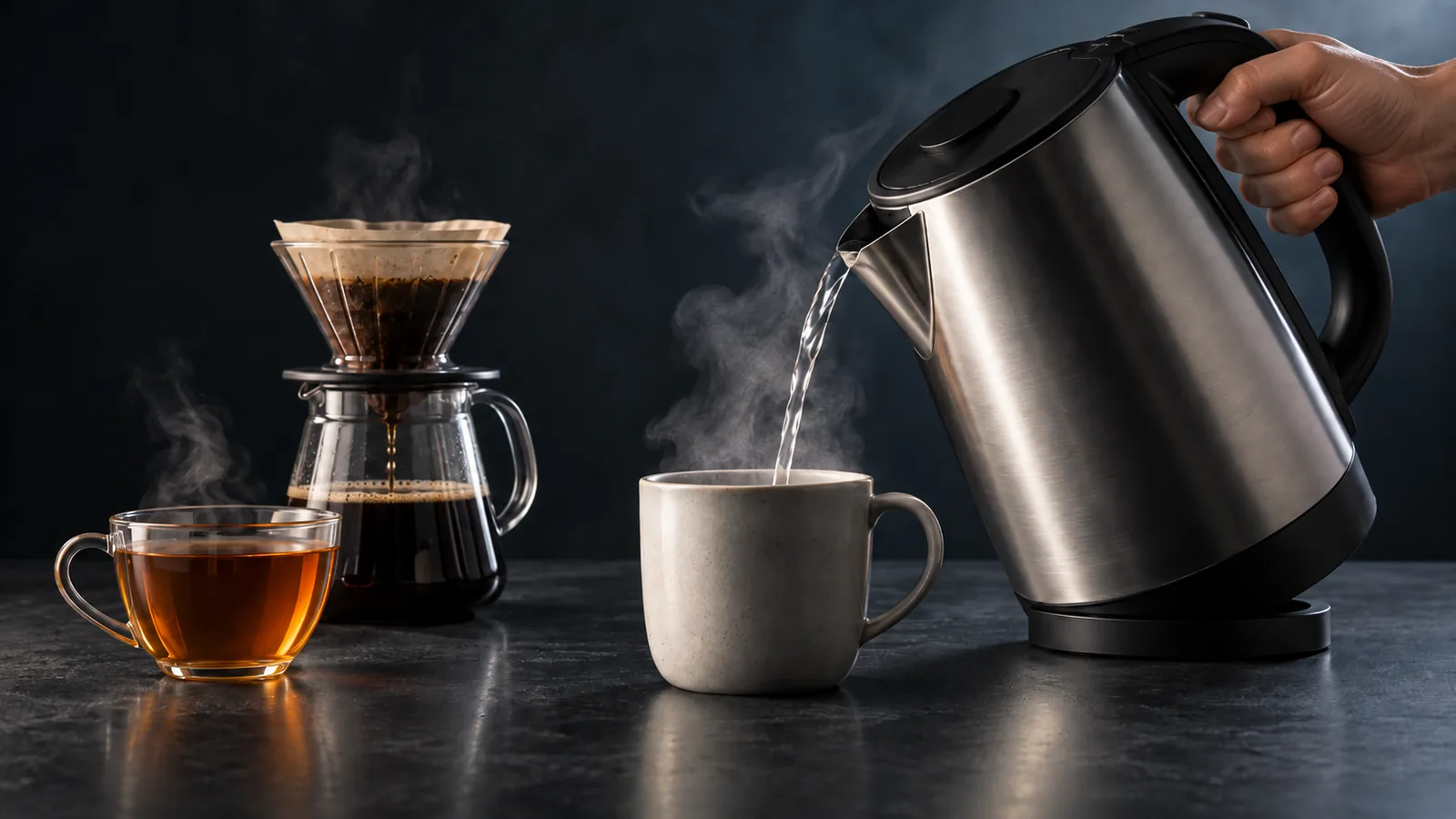
Electric Kettle Temperature Guide: The Right Heat for Tea, Coffee, and Baby Formula
Water temperature is the single most controllable variable in tea and coffee brewing. Boiling water ruins green tea and flattens pour-over coffee. The right temperature for each drink is specific, repeatable, and easy to hit with a variable-temperature kettle.
Read →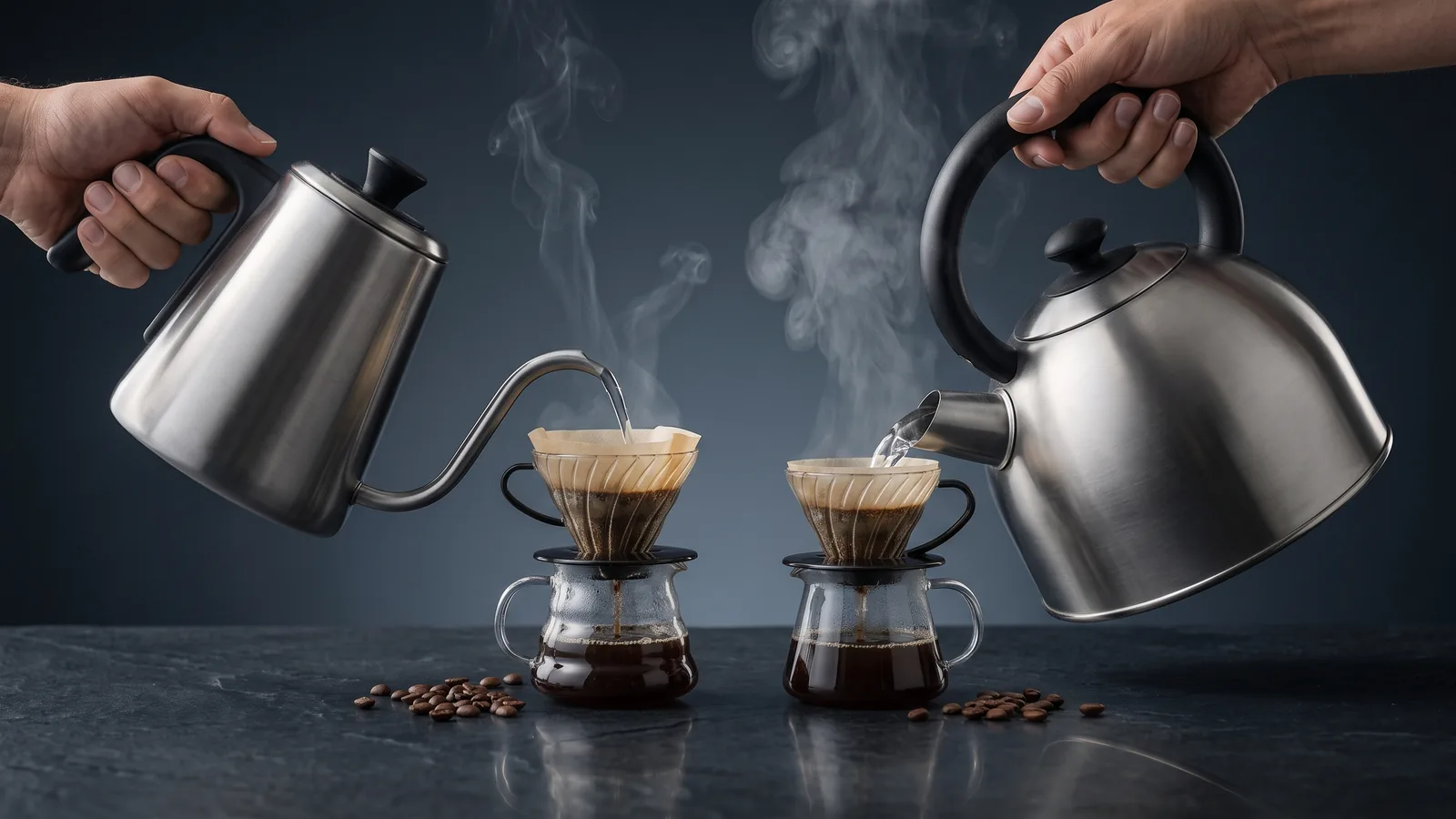
Gooseneck vs Standard Kettle Spout: Which Do You Actually Need
A gooseneck spout controls the pour rate. A standard spout maximizes flow speed. Which one matters depends entirely on whether your use requires a controlled, precise pour — and for most buyers, it doesn't.
Read →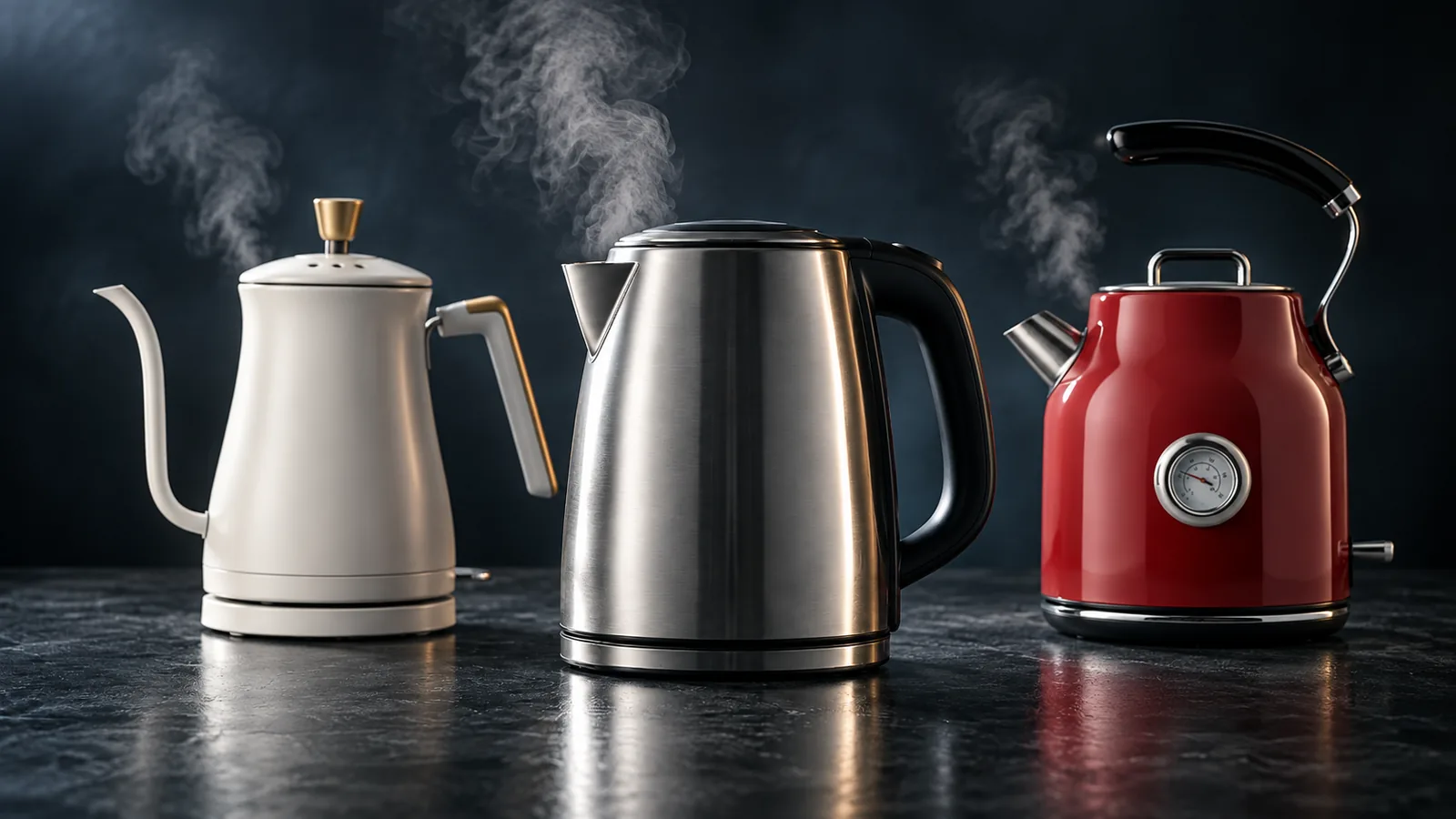
How to Choose an Electric Kettle: Temperature, Spout, and Size
Temperature control and spout type determine whether an electric kettle fits the way you actually use it. Everything else — wattage, display, keep-warm duration — is secondary. Get those two right and the rest of the decision is straightforward.
Read →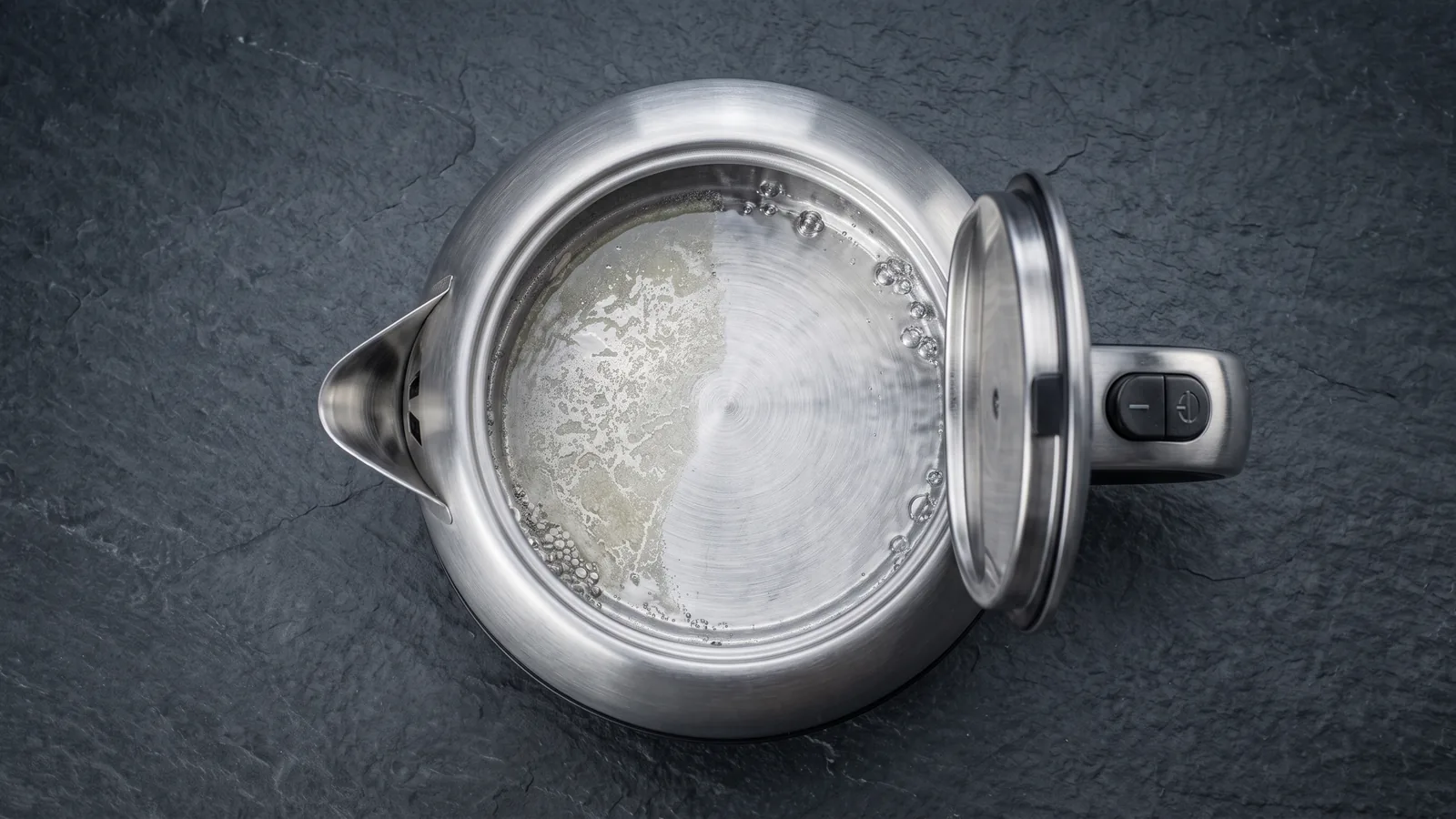
How to Descale an Electric Kettle (and How Often in Hard Water)
Limescale buildup slows boiling, affects water taste, and eventually damages the heating element. Descaling takes under 30 minutes with white vinegar or citric acid and extends kettle life significantly. Hard water households need to do it monthly; soft water households every 2–3 months.
Read →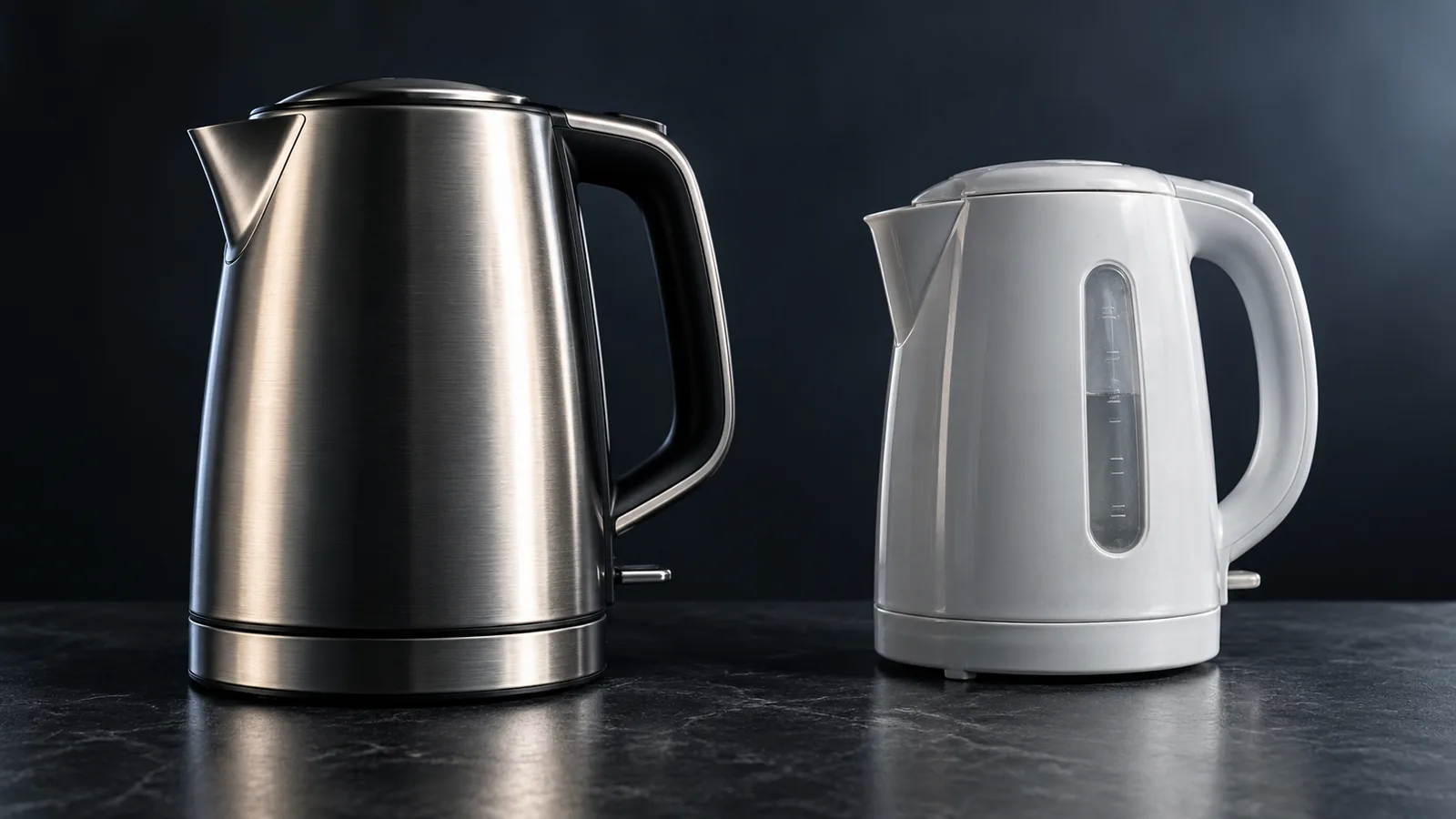
Premium vs Budget Electric Kettle: What You Actually Pay More For
A $20 kettle and a $120 kettle both boil water. What the extra money buys is a stainless interior instead of plastic, real temperature control, a quieter and more durable build, and a gooseneck spout for pour-over — not faster boiling. Here is exactly where the price goes, and when the cheap one is the smarter buy.
Read →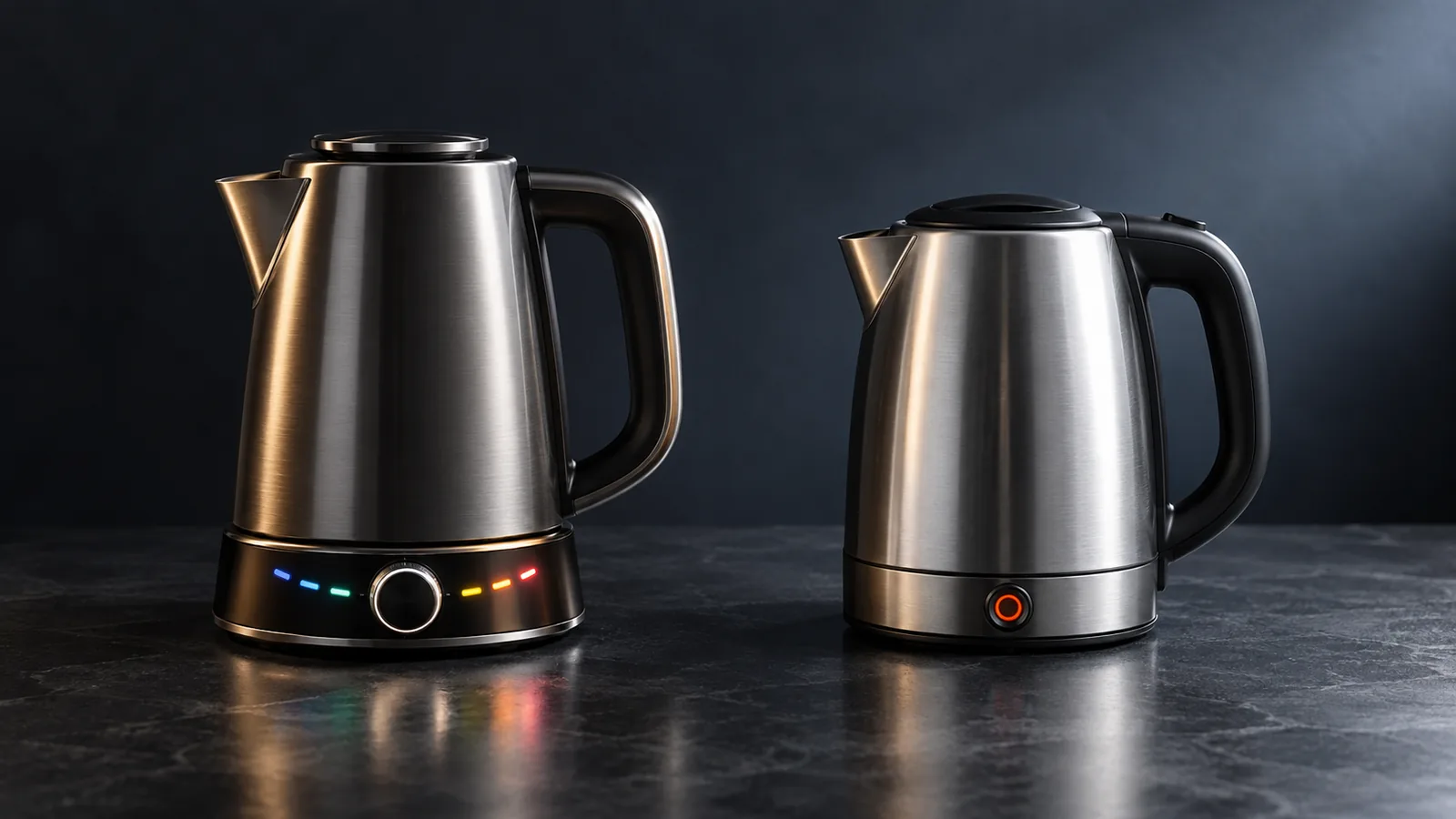
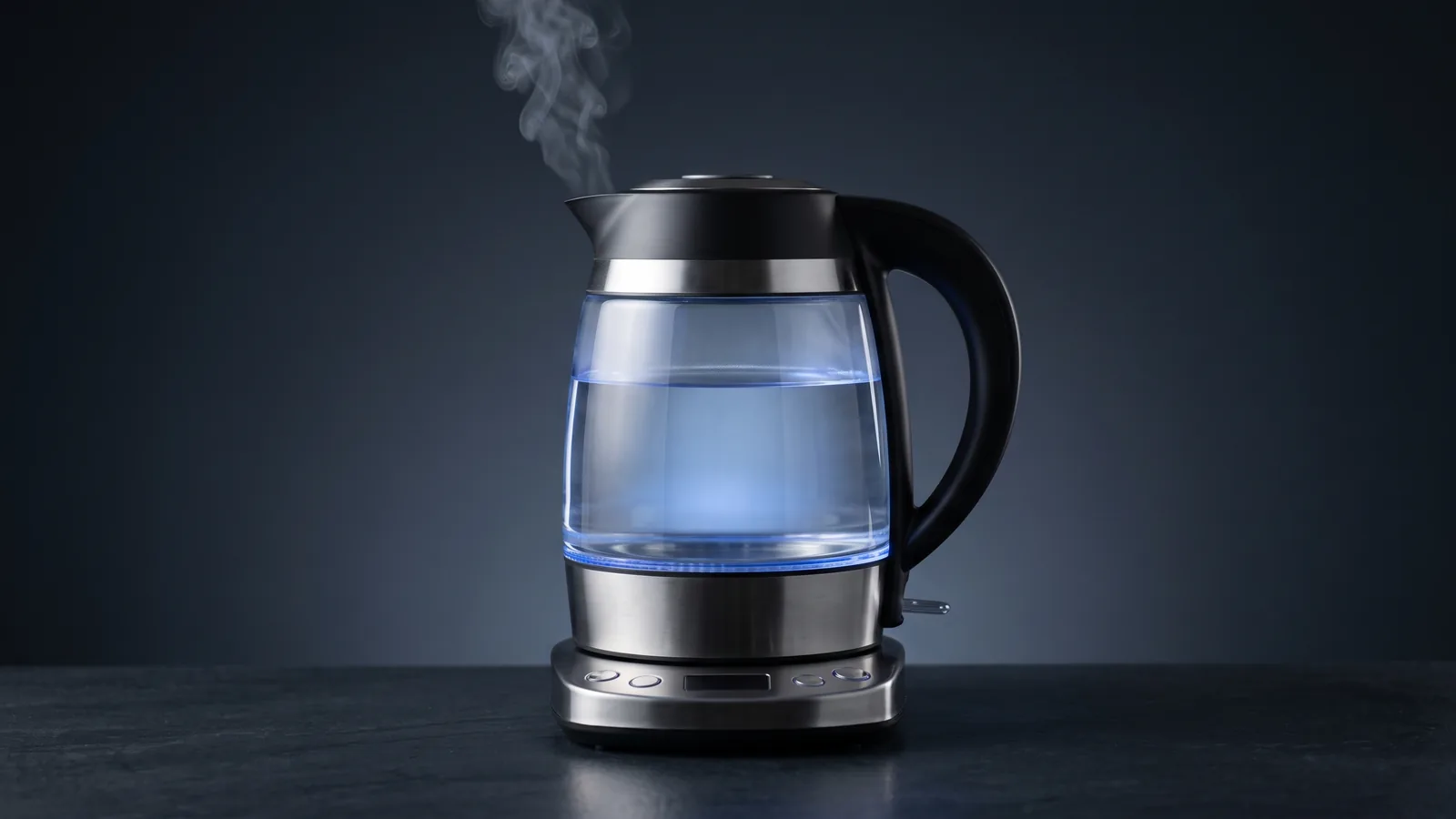
Variable Temperature vs Single Boil Electric Kettle: Does the Difference Matter for Your Use
Variable temperature costs more and matters for specific uses. Single boil is cheaper and sufficient for most households. Which is right depends on whether temperature precision actually changes the outcome in your cup — for black tea and most everyday uses, it doesn't.
Read →
Best for specific uses
Ranked picks for each use case, grounded in verified buyer review data.
Chefman Electric Kettle Review: The Value Temperature-Control Champion
Owners reward the Chefman temperature-control kettle for ease of use, value, and temperature control — more than a typical kettle, and on the largest ownership base in the variable-temp segment. It is the value champion: full temperature control for a low price. The honest caveat is durability — a real minority report it failing within months to a year — so buy from a seller with an easy return window.
Read →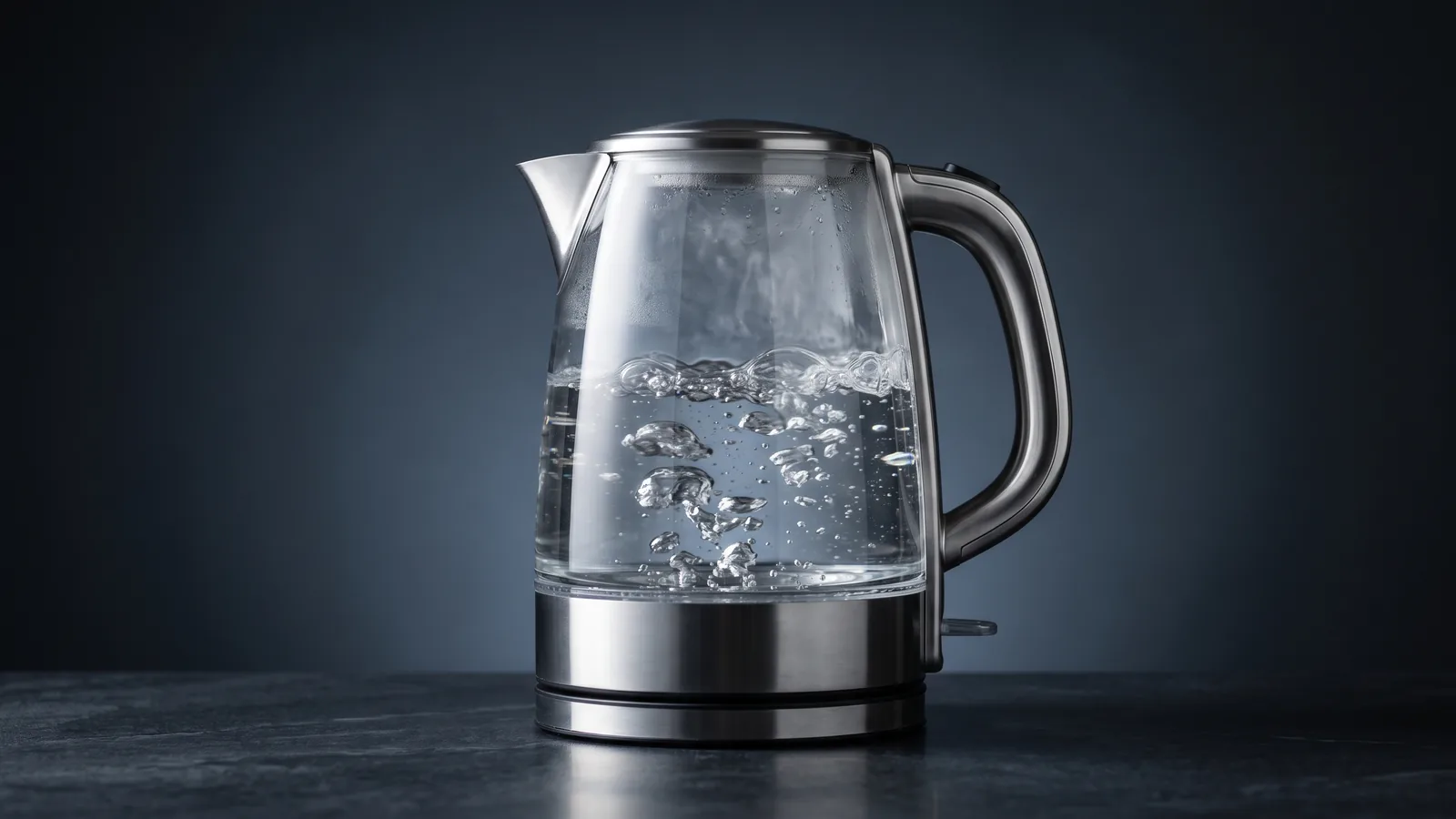
Cosori Electric Kettle Review: The No-Plastic Budget Pick
The Cosori Original is the budget kettle that keeps plastic away from the water — a stainless-steel interior that sidesteps the new-kettle off-taste most cheap kettles are known for. Owners reward it for fast heating and value on the largest ownership base at its price. The honest trade-offs: it is boil-only, with no temperature control, and the budget tier's durability caveat applies — a minority report an early failure. The best cheap pick if a clean-tasting, fast boil is what you want.
Read →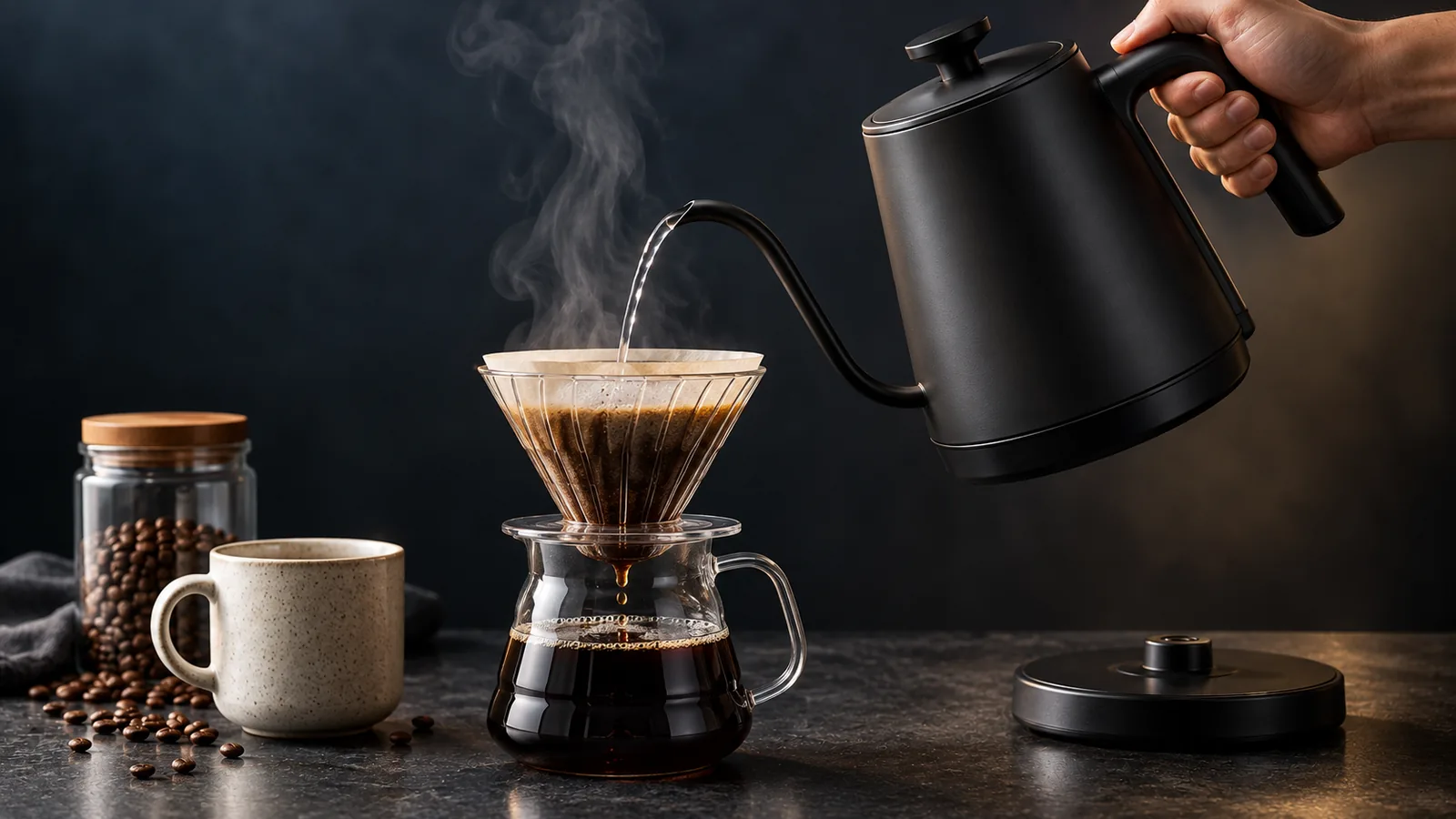
Cosori Gooseneck Kettle Review: The Temperature-Control Leader
Owners reward the Cosori gooseneck for temperature control above almost any competing kettle — the single quality that matters most for pour-over coffee and tea — on a large, well-established ownership base. It costs a fraction of the premium design kettles while matching their control performance. Its only real watch-point is category-normal durability. For pour-over results per dollar, it is the gooseneck to buy.
Read →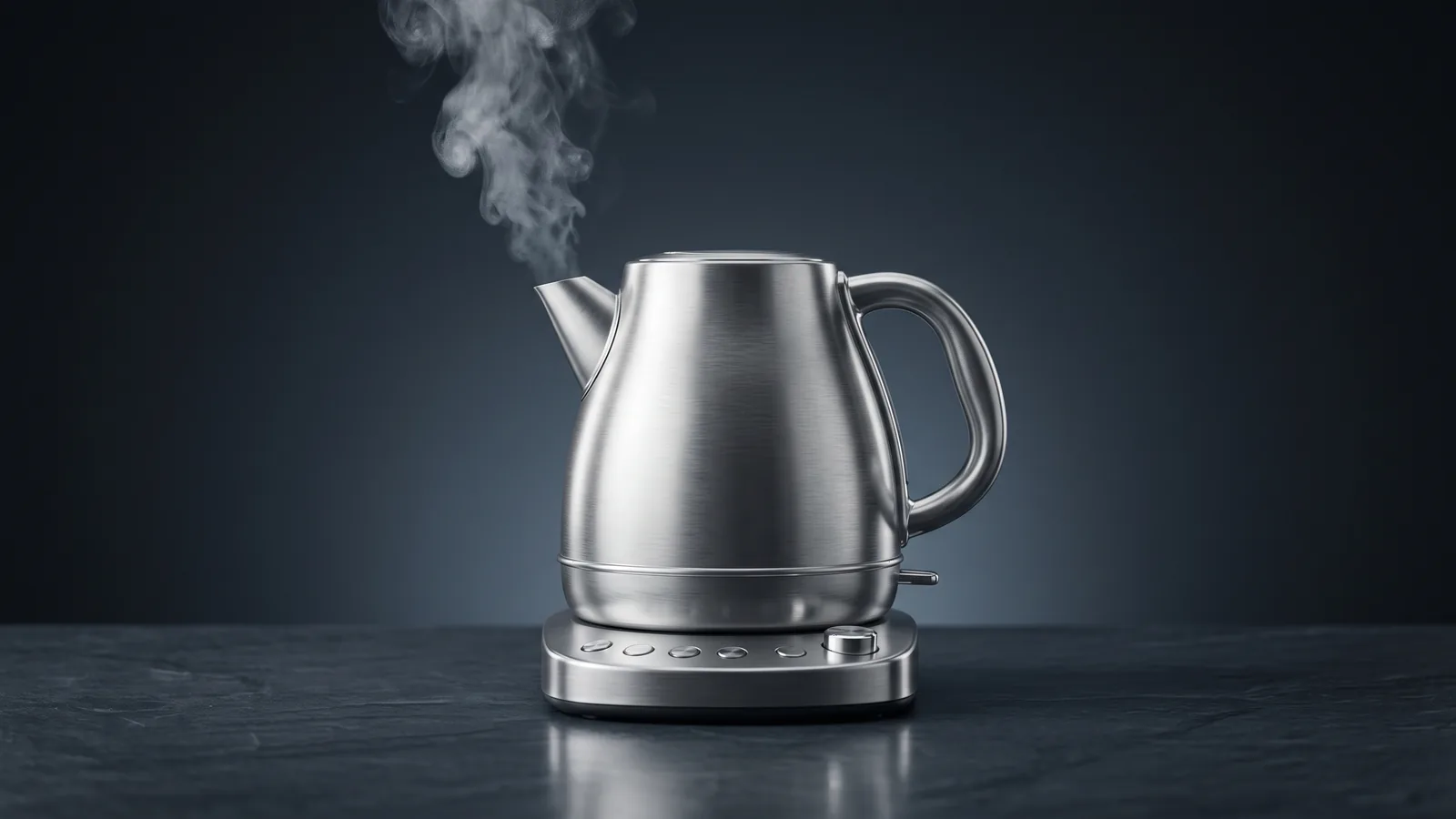
Cuisinart PerfecTemp Kettle Review: Premium Build, Durability Caveat
Owners reward the Cuisinart PerfecTemp for fast heating and a more solid, higher-quality build than budget kettles, with six preset temperatures and keep-warm. The honest trade-offs are real: it is penalized on value-for-money and ease of cleaning, and its recurring complaint is durability — a quality kettle that tends to die after a year or a few. Worth it if build and heating speed matter more than price.
Read →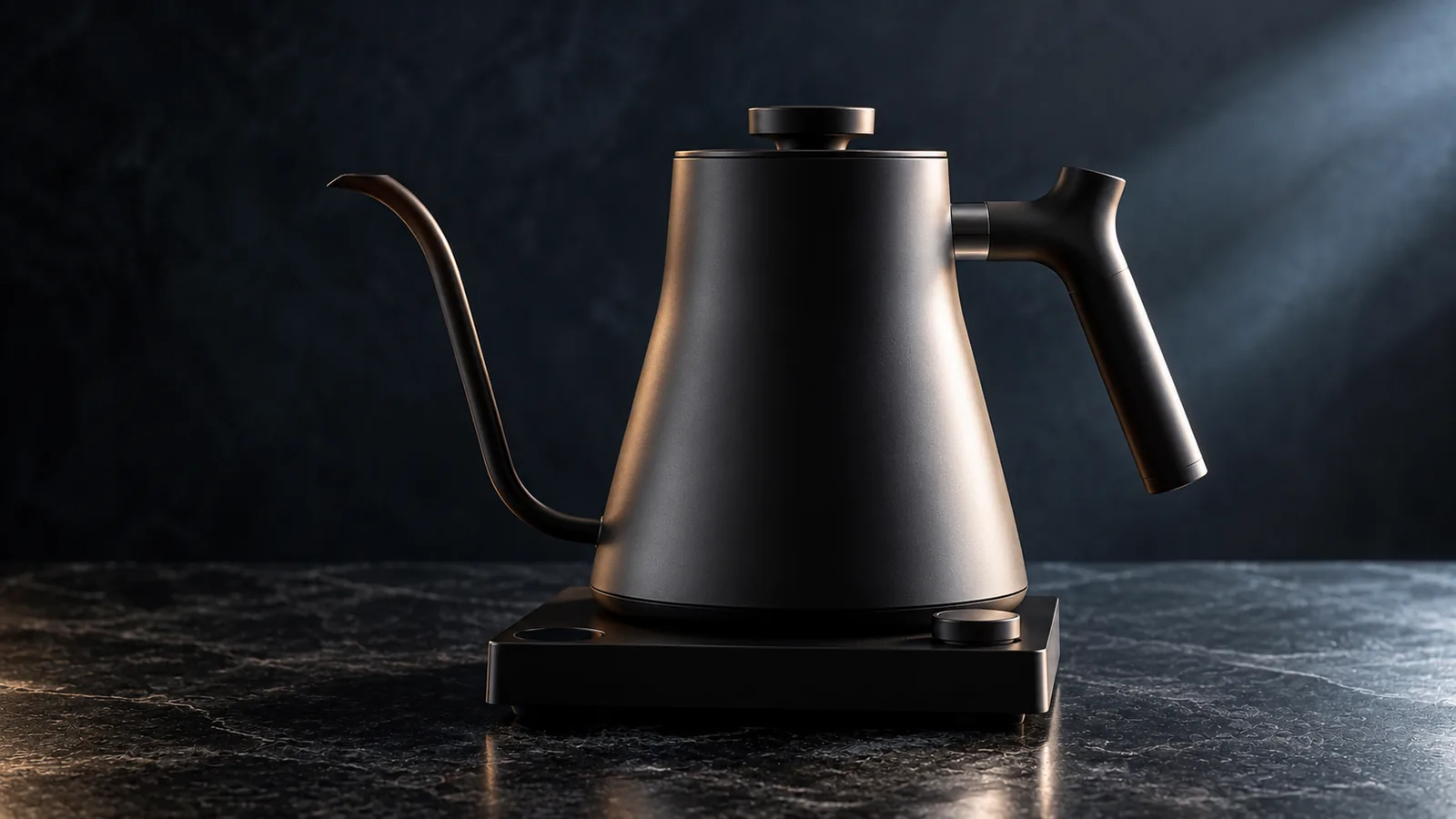
Fellow Stagg EKG Review: Beautiful and Precise, But Pay for It
Owners reward the Fellow Stagg EKG for its design, precise temperature control, and comfortable grip — it is the gooseneck kettle you want on the counter, and it arrives exactly as pictured. The honest trade-offs are real: owners penalize it on value-for-money and overall quality, and a minority report early failures. Buy it for the design and precision; the Cosori matches the temperature performance for far less.
Read →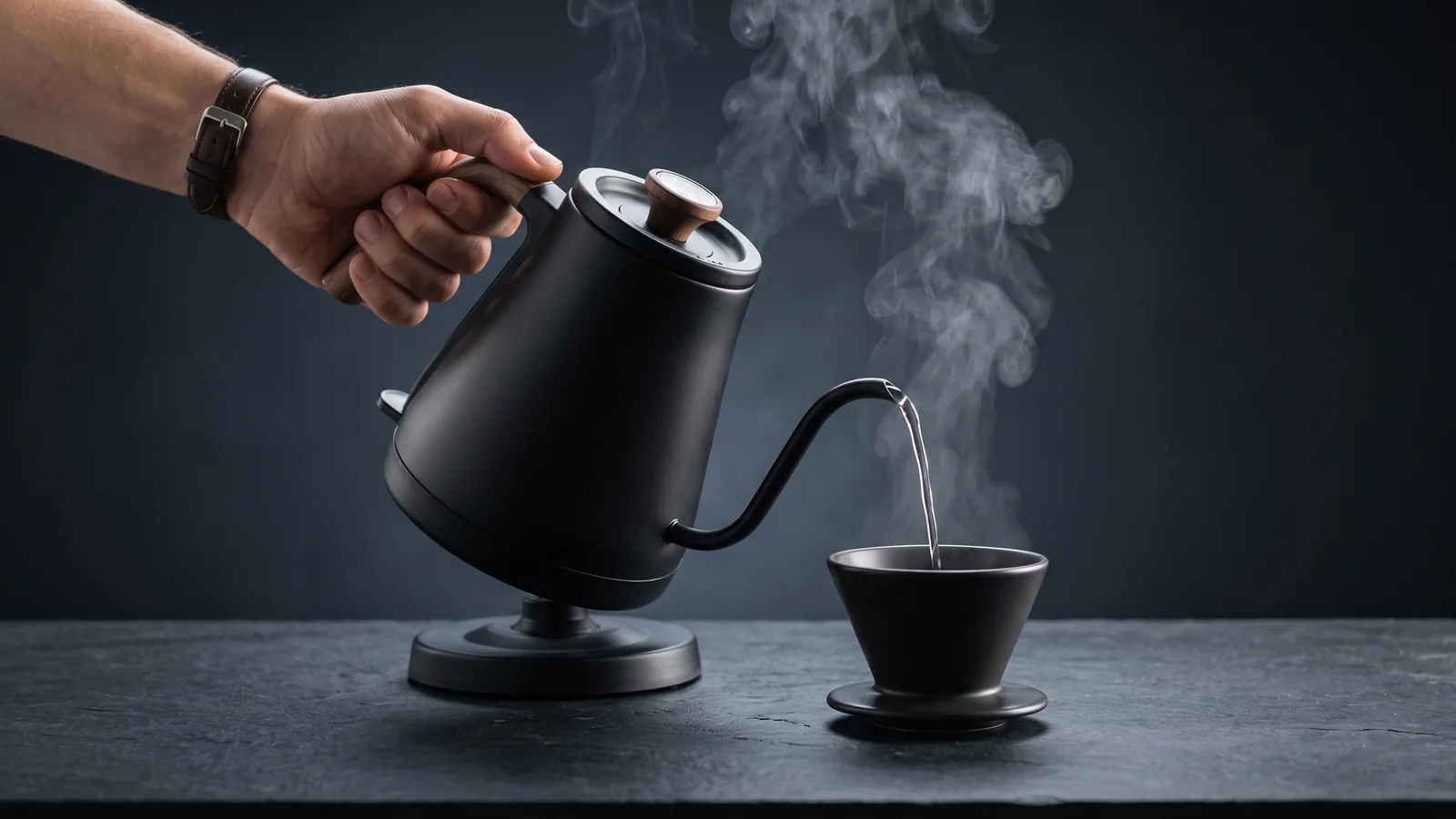
OXO Brew Pour-Over Kettle Review (2026)
The OXO Brew Pour-Over Kettle is a gooseneck kettle with a 30-minute hold function at approximately $55–$65. Its distinguishing feature is an integrated thermometer display and a design that defaults to boiling and holds there — it is not a variable temperature kettle in the traditional sense. For buyers who brew pour-over at or near full boil and want precise pour control with a hold function, it is a well-executed option.
Read →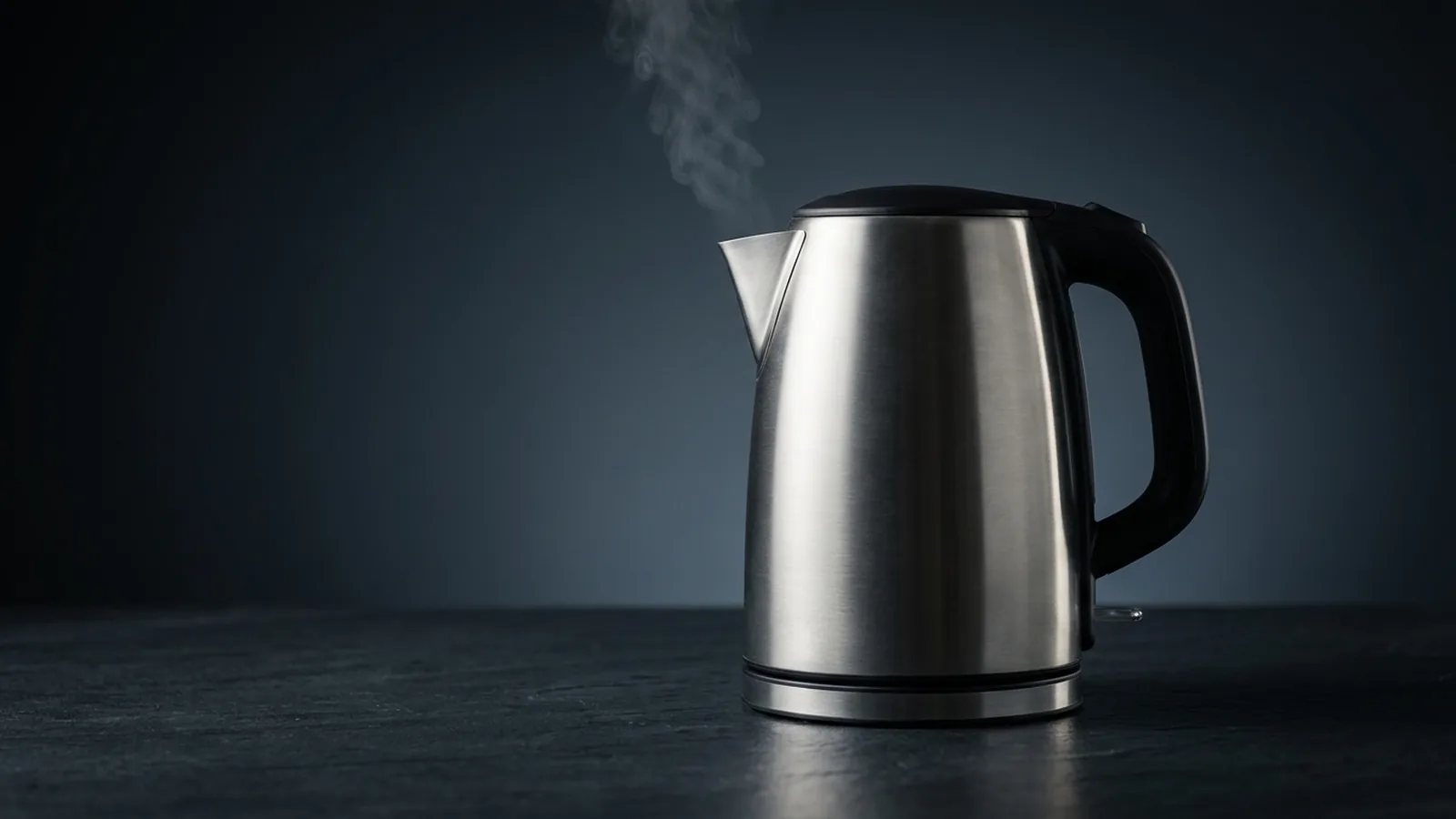
The Best Affordable Electric Kettles: Budget Picks Ranked (2026)
The best affordable electric kettle is the Cosori — owners reward it for fast heating, value, and quality, with no plastic touching the water, on the largest ownership base at the price. The OVENTE is the cheapest option if you want to spend the least. The Amazon Basics glass kettle is well-liked but has one honest flaw: leaking. If you want temperature control cheaply, the Chefman is the budget variable-temp pick.
Read →
The Best Electric Kettle for Pour-Over Coffee (2026)
Pour-over coffee needs two things from a kettle: a gooseneck spout for controlled pour flow, and water at 195–205°F. The best pour-over kettle for most people is the Cosori gooseneck — owners reward it for temperature control above almost any competitor, and it pairs that with the gooseneck spout at a mid price. The Fellow Stagg EKG Pro is the premium, design-led pick; the Bodum is the cheapest gooseneck but carries a real leaking caveat.
Read →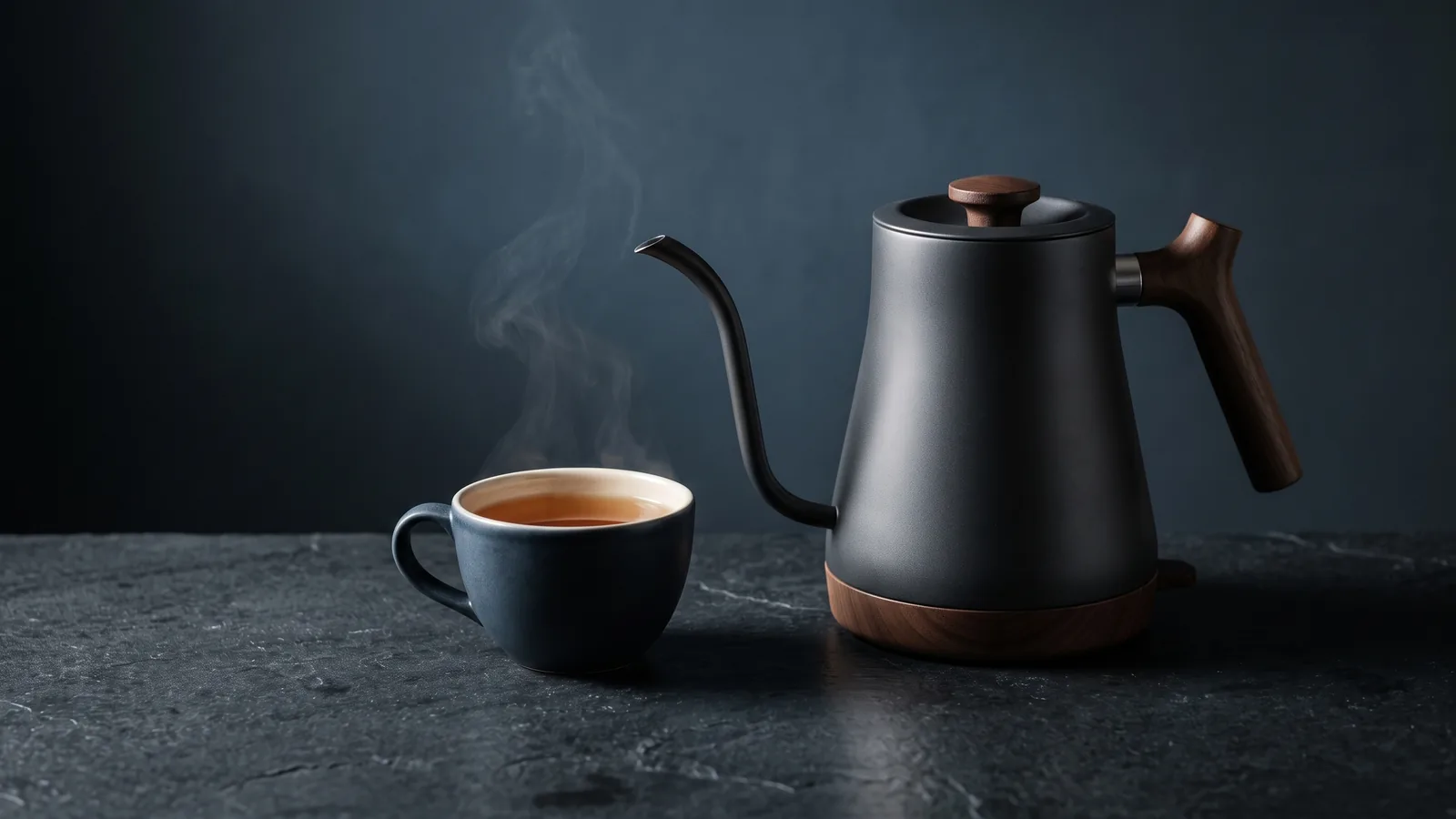
The Best Electric Kettle for Small Kitchens (2026)
Electric kettles are already among the smallest appliances, so 'best for small kitchens' comes down to two things: a compact-capacity body and a cordless base that lifts off. The Cosori gooseneck (0.8L) is the compact pick that still does everything — temperature control included — and owners reward it for that control above almost any competitor. For pure boiling in a tight space, a compact cordless boiler is all you need.
Read →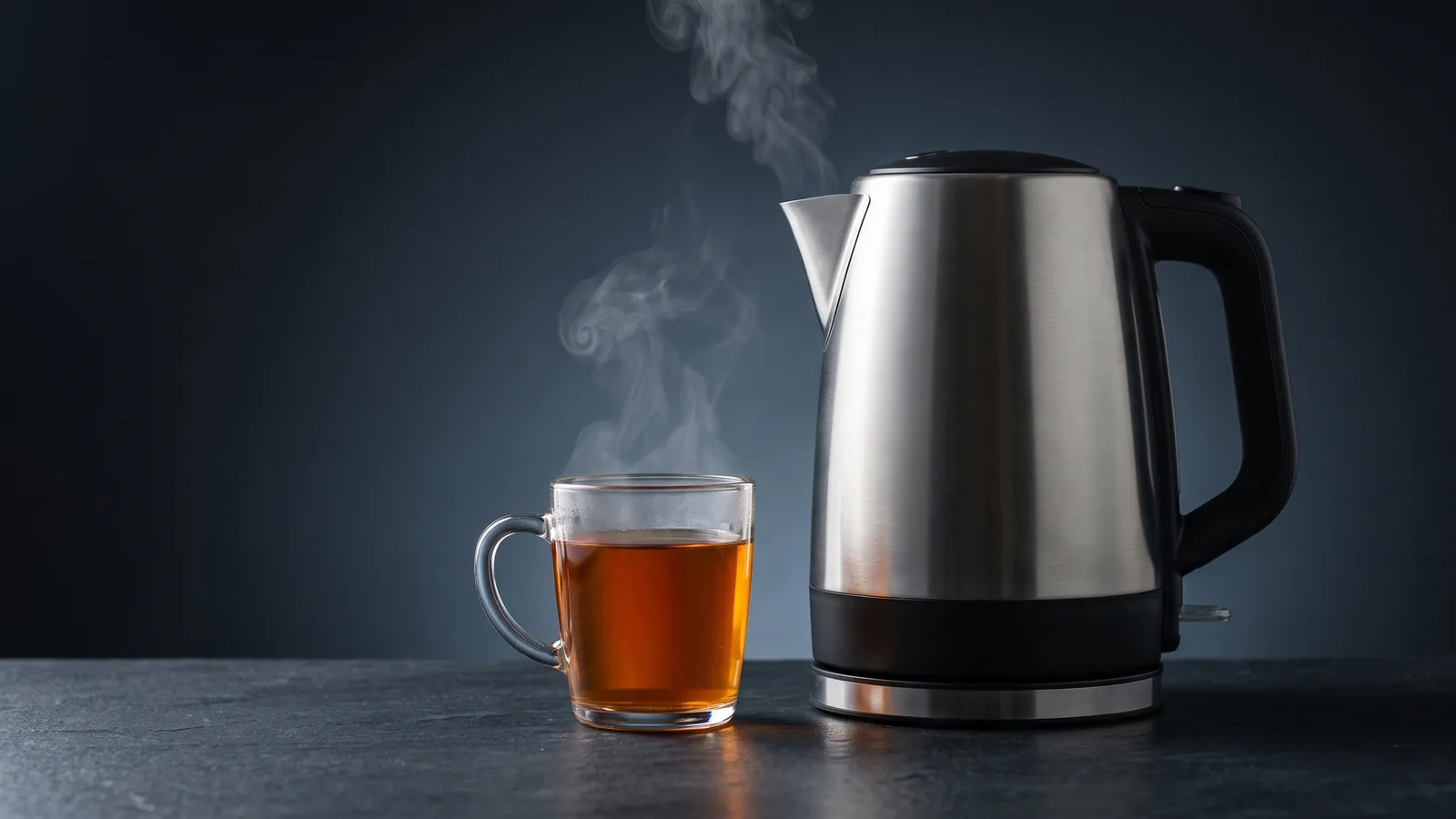
The Best Electric Kettle for Tea (2026)
The one feature that makes a great tea kettle is variable temperature control. Green tea brewed at a full boil turns bitter — it needs 160–175°F; white tea wants 160–170°F. Only black and herbal teas genuinely want a full boil. The best value tea kettle is the Chefman, which owners reward for temperature control and ease of use at a low price. For a compact kettle that also does pour-over, the Cosori gooseneck leads on temperature control.
Read →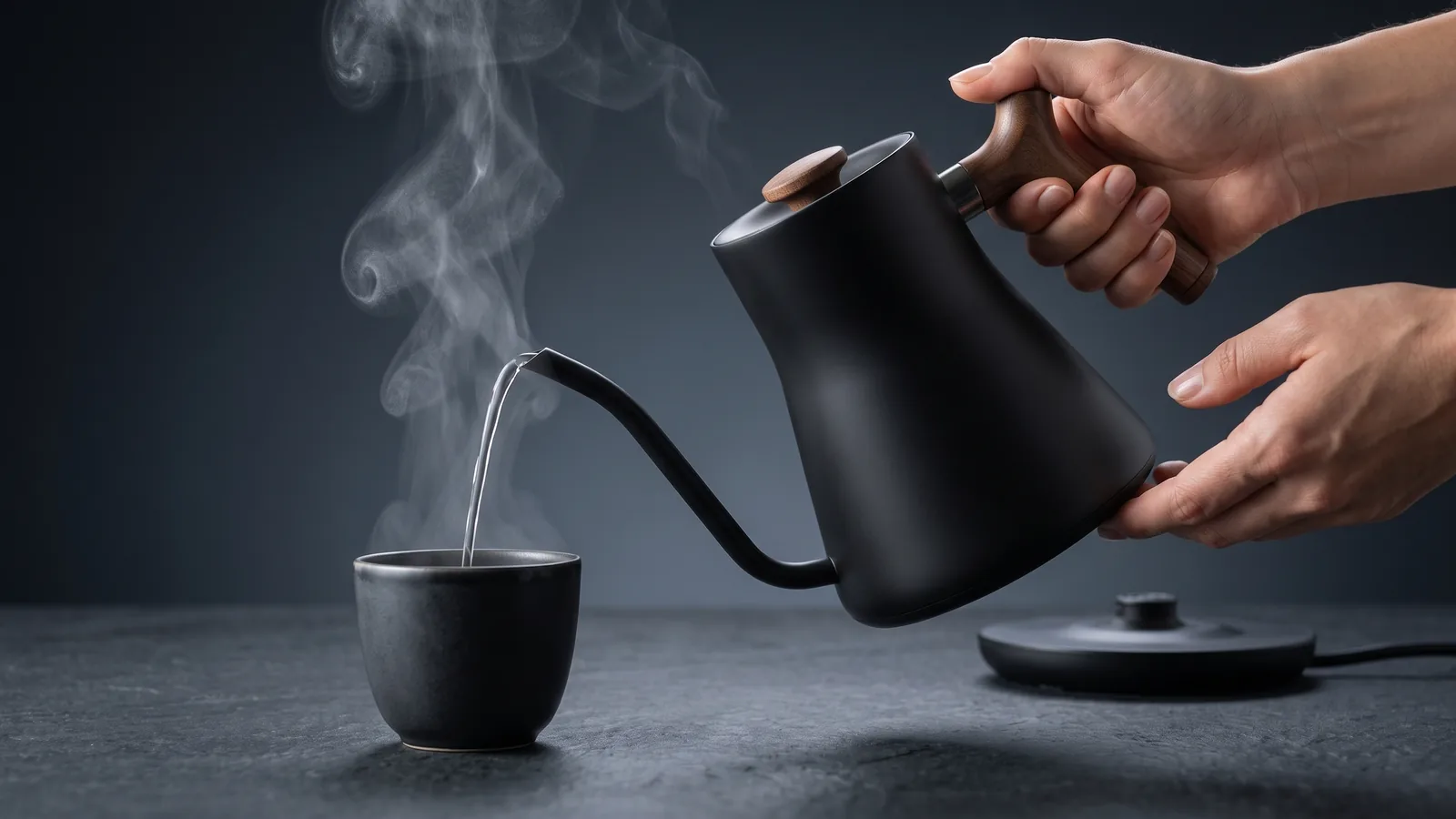
The Best Gooseneck Electric Kettles of 2026
The best gooseneck kettle for most people is the Cosori — owners reward it for temperature control above almost any competitor, at a fraction of the premium price. The Bodum is the budget option, with one honest caveat: leaking is its most common complaint. The Fellow Stagg EKG is the premium design pick — beautiful and precise, but owners penalize it on value and some report early failures.
Read →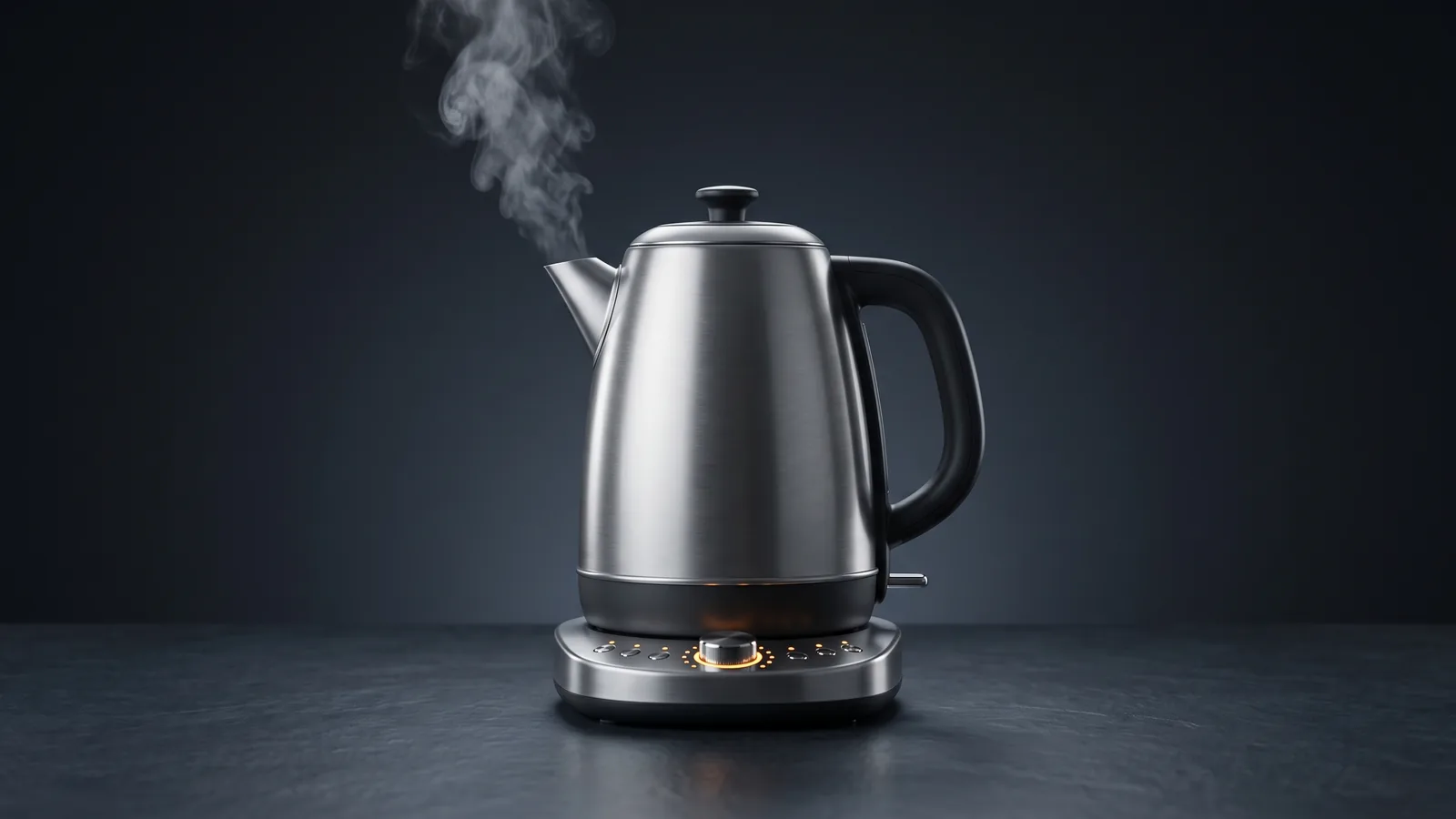
The Best Variable Temperature Electric Kettles of 2026
The best variable-temperature kettle for most people is the Chefman — owners reward it for ease of use, value, and temperature control, on the largest ownership base in the segment. The Cuisinart PerfecTemp is the premium pick: faster heating and a more solid build, but pricier and harder to clean. Both share the category's one caveat — durability. For pour-over precision, the Cosori gooseneck leads.
Read →
Head-to-head comparisons
Direct comparisons between specific brands and models.
Cosori Gooseneck vs Fellow Stagg EKG Pro: Value Precision or Premium Design?
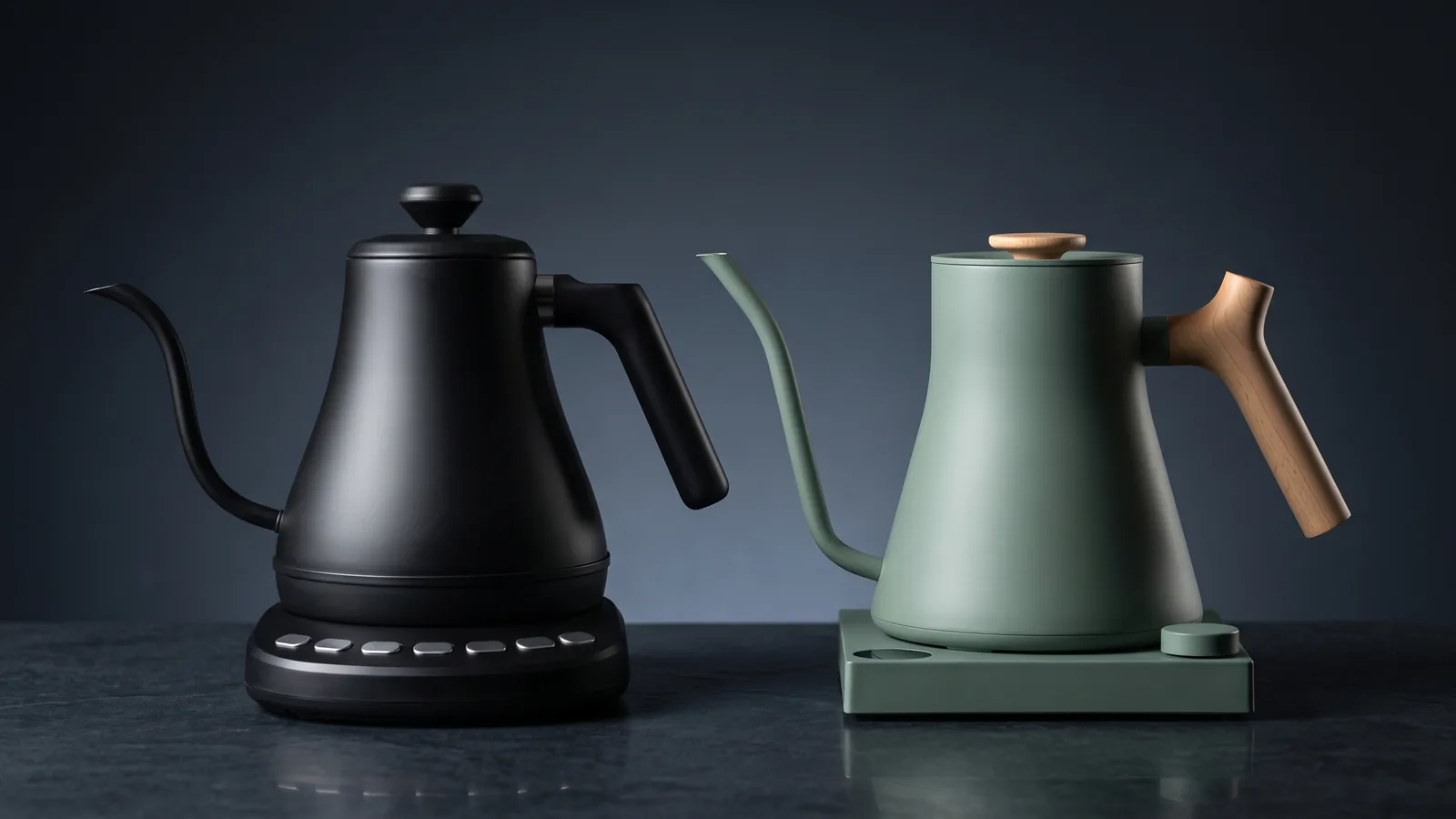
Both are variable-temperature gooseneck kettles, but they answer different questions. The Cosori is the value pick — owners reward it for temperature control above almost any competitor, with no distinctive weakness and a mid price. The Fellow Stagg EKG Pro is the design object — owners love its look and pour feel, but penalize it on value, quality, and durability. Want the brewing result for less: Cosori. Want the premium object: Fellow.
Read →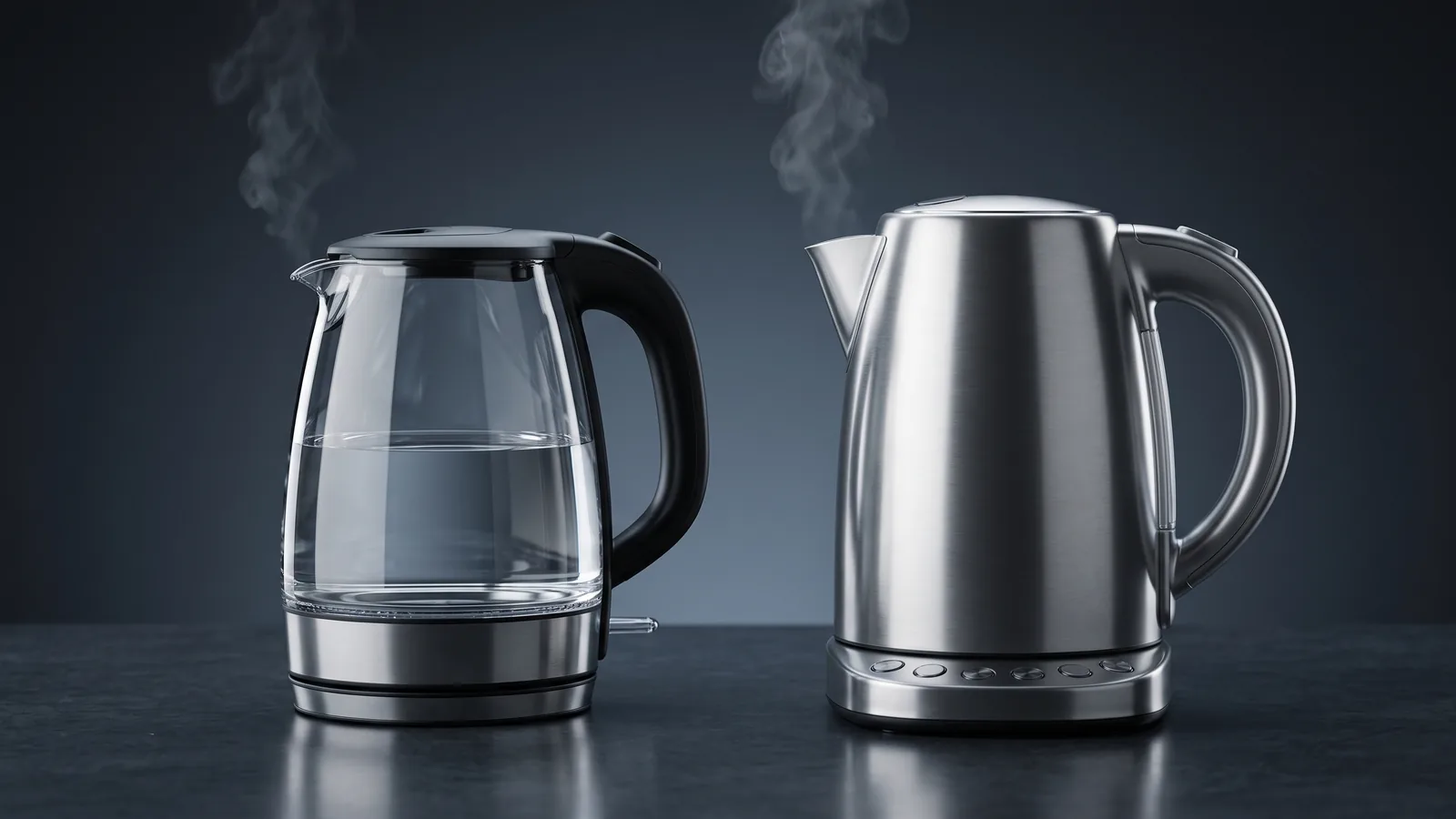
Cuisinart PerfecTemp vs Chefman: Premium Build or Best Value?
Both are variable-temperature kettles that control temperature well — the split is build versus value. The Cuisinart PerfecTemp is the premium pick: owners reward it for fast heating and a solid, higher-quality build, but penalize it on value and ease of cleaning. The Chefman is the value champion: rewarded for ease of use, value, and temperature control on the largest ownership base in the segment. Both share a durability caveat. Want the nicer object: Cuisinart. Want the smart-money pick: Chefman.
Read →
The complete ranking
The definitive guide across the full category.
Cosori Glass Electric Kettle Review (2026): Is the Plastic-Free Best Seller Worth It in Canada?
The Cosori plastic-free glass kettle is one of the best-selling kettles on Amazon.ca, and its owner reviews explain why: fast boiling and easy cleaning are the two things people praise most, on a glass-and-stainless body built to keep hot water off plastic. The honest counterpoints are a minority of failure reports and the size. This review, grounded in verified buyer reviews, tells you what owners love, what puts some off, and whether it's the right everyday kettle for a Canadian kitchen.
Read →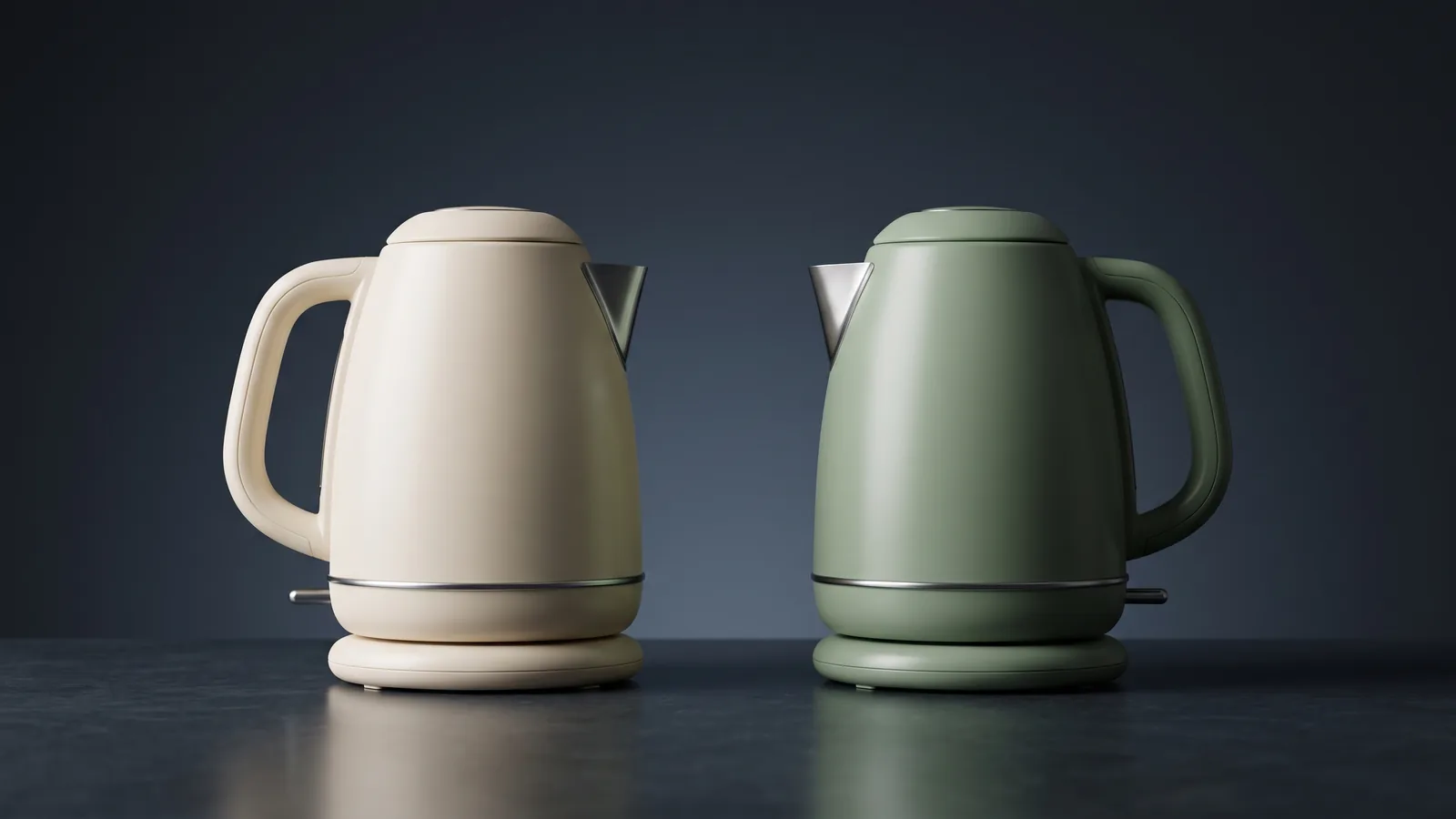
The Best Cream & Sage Kettles (Ireland & UK)
Cream and sage are the two colours Irish and UK kitchens reach for most, and you don't have to trade looks for a good kettle. The best cream kettle is the Russell Hobbs Inspire — a fast 1.7L with one of the largest owner bases anywhere; for sage green, the Russell Hobbs Pistachio; for a sage jug with a water window, the Morphy Richards Clay; for a statement pyramid shape, the Tower Cavaletto; and for retro charm, the Haden Devon. All are 230V models on Amazon UK, which delivers to Ireland.
Read →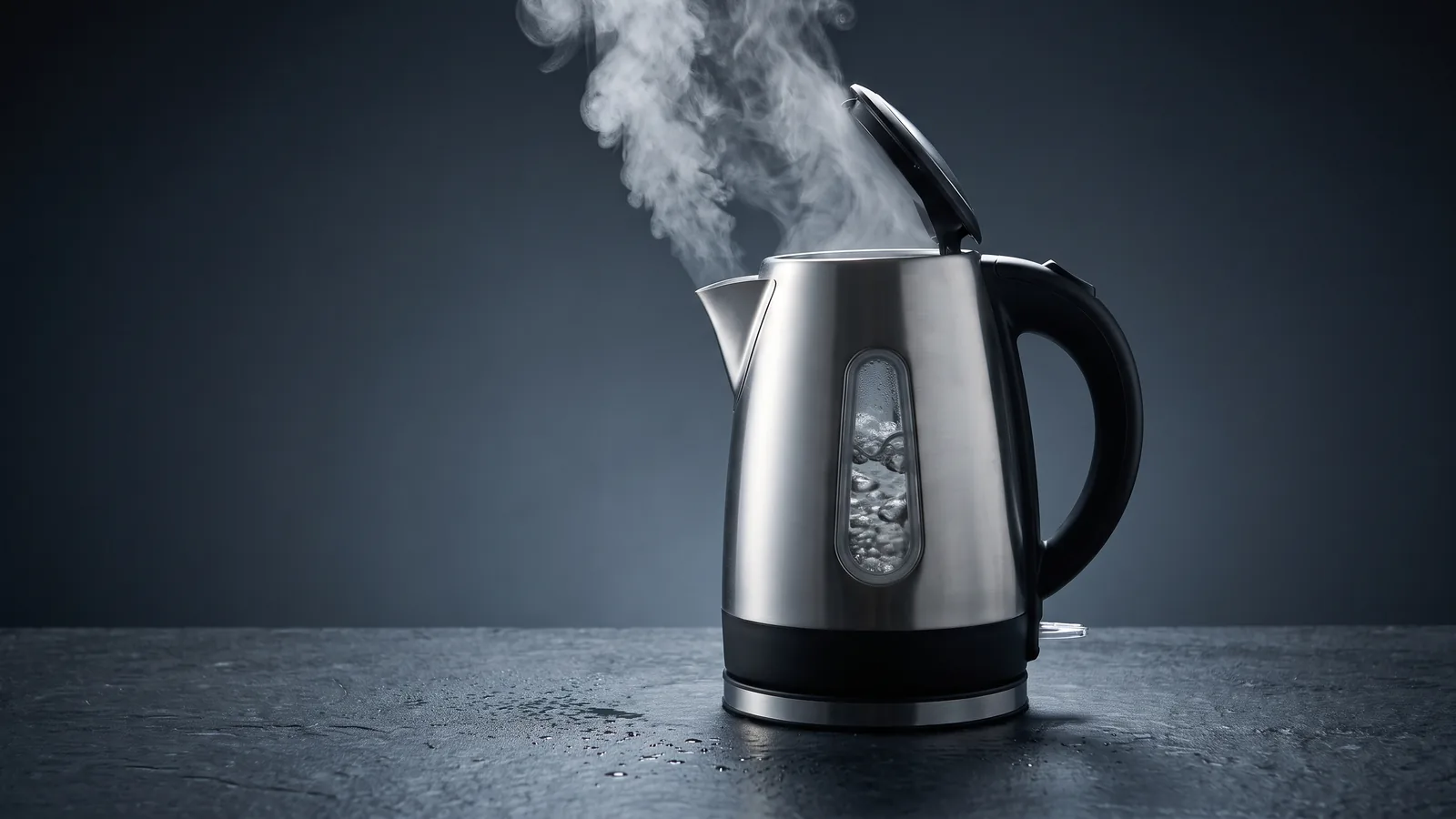
The Best Electric Kettles in Ireland (2026)
The best electric kettle for most homes in Ireland is the Russell Hobbs Honeycomb — a fast, well-priced 1.7L cordless from the brand Irish kitchens trust most. If you want to keep the water off plastic, the Cosori plastic-free kettle is the pick; for a glass kettle, the Russell Hobbs Illuminating Glass; for the lowest price, the Daewoo fast-boil; and for looks, the Breville Bold in cream. All are 230V models sold on Amazon UK, which ships to Ireland — so the links go to the right store, not a US listing that won't work here.
Read →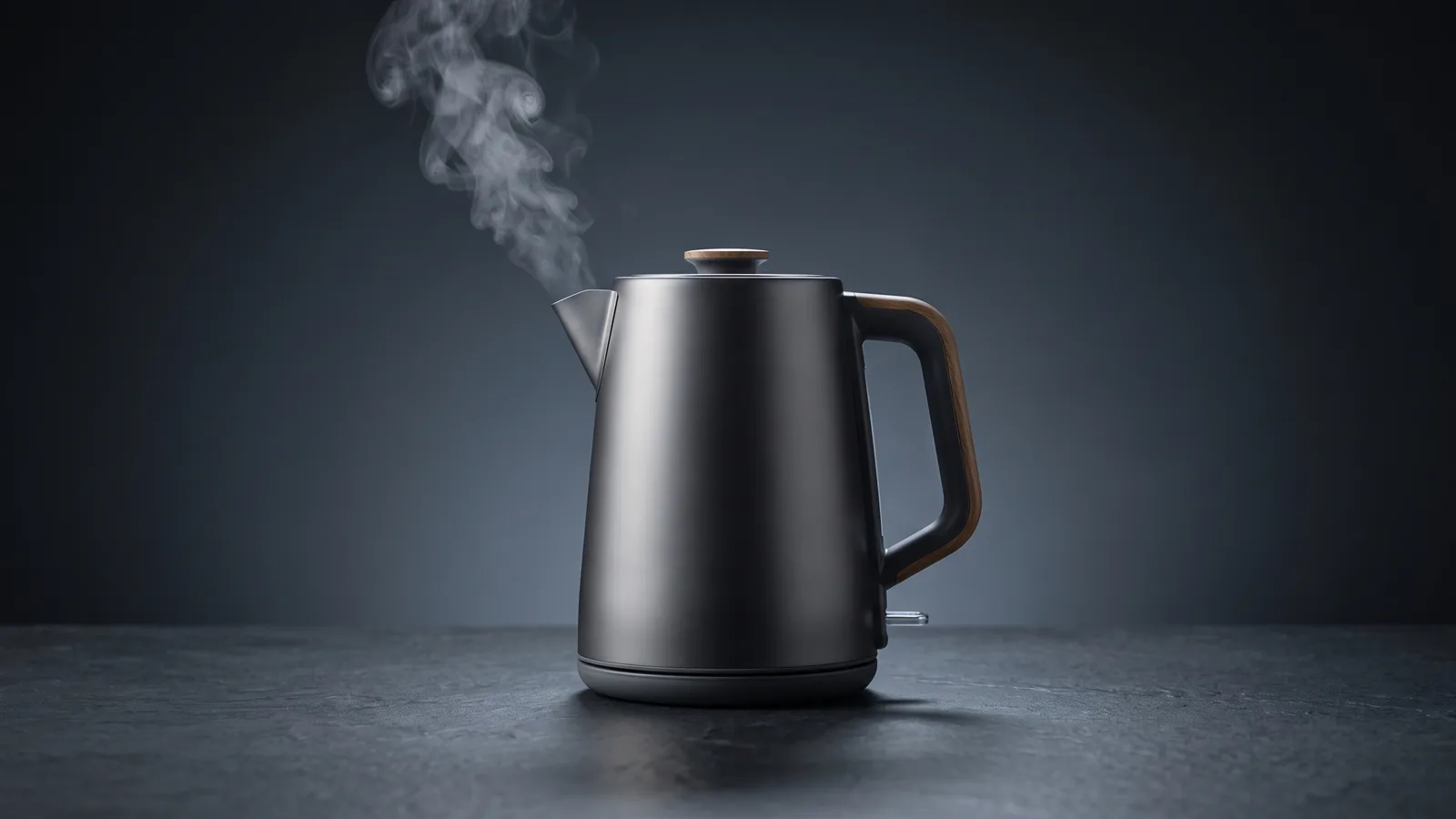
The Best Electric Kettles of 2026
The best electric kettle for most people is the Cosori — owners reward it for fast heating, value, and quality, with no plastic touching the water. If you drink green or white tea or make pour-over, buy a temperature-control kettle instead: the Chefman is the value pick and the Cosori gooseneck the precision one. The Cuisinart PerfecTemp is the premium build. One decision comes first: do you need temperature control, or just fast boiling water?
Read →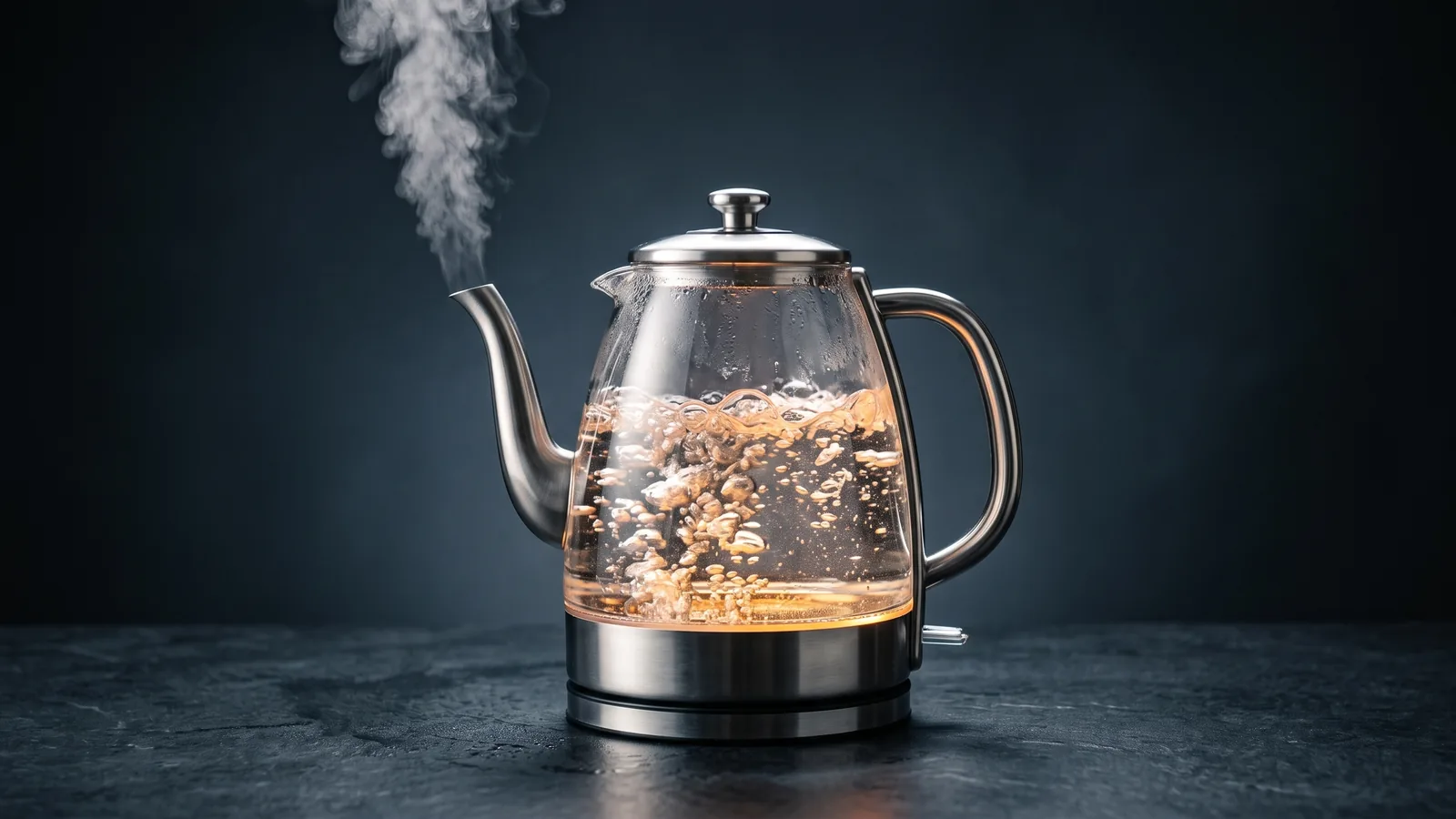
The Best Glass & Plastic-Free Kettles (Ireland & UK)
If you'd rather your boiling water didn't sit against plastic, there are two routes: a glass kettle, where the water boils in glass and you can watch it, or a plastic-free stainless design, where the whole water path is steel. The best all-round pick is the Cosori plastic-free kettle; for glass, the Russell Hobbs Illuminating Glass; the Amazon Basics glass for the lowest price; the Russell Hobbs BRITA for hard-water areas; and a brushed-stainless Russell Hobbs if you want steel over glass. All are 230V models on Amazon UK, which delivers to Ireland.
Read →The Best Glass Electric Kettles of 2026
A glass kettle lets you watch the water boil and is completely taste-neutral — the trade-offs are that glass is heavier, breakable, and shows every bit of scale. The best all-round glass kettle is the Mueller, which owners reward for fast heating and no plastic smell; the Elite Gourmet is the cheapest capable pick; and the Amazon Basics is the roomy everyday option, with one honest caveat about its base. Here is how to choose, and the flaw the whole category shares.
Read →The Best Gooseneck Kettles in Ireland (2026)
A gooseneck kettle pours a thin, controlled stream — the reason pour-over coffee and tea people swap their ordinary kettle for one. In Ireland you have two routes: an electric gooseneck for 230V mains, or a classic stovetop like the Hario Buono that sidesteps voltage entirely. This guide ranks the best gooseneck (pour-over) kettles you can actually buy in Ireland: an electric best-overall, an iconic stovetop, and a value electric — all sold on Amazon UK, which ships to Ireland.
Read →The Best Plastic-Free Electric Kettles of 2026 (No Plastic Touching the Water)
A plastic-free kettle means more than a metal body — it means no plastic anywhere the hot water or steam touches: the interior, the lid underside, the spout, the water gauge, and the filter. The best all-round pick is the Cosori, built so the water contacts only steel; the Amazon Basics is the value pick owners say delivers exactly as described; and the Breville Soft Top Pure is the premium option. BPA-free is a floor, not the answer — here is what actually keeps plastic out of your water.
Read →The Best Stainless Steel Electric Kettles of 2026
Stainless steel is the most durable and taste-neutral material for a kettle — but a stainless body does not mean the water path is stainless, which is the part that matters. The best all-round stainless kettle is the Cosori, whose water contacts only steel; the Cuisinart PerfecTemp is the premium temperature-control build; the OVENTE the cheapest; and the Fellow Stagg EKG Pro the design-led pour-over splurge. One caveat runs through the whole category: durability.
Read →The Best Temperature Control Kettles in Ireland (2026)
A temperature control kettle lets you stop the boil at the right heat — off the boil for green tea and coffee, full boil for black tea — instead of scalding everything at 100°C. In Ireland the pick most kitchens land on is the Ninja Perfect Temperature, with Bosch at the premium end and Duronic for value. This guide ranks the best temperature control (variable temperature) kettles you can actually buy in Ireland: all 230V models on Amazon UK, which ships to Ireland, so the links go to the right store rather than a US listing that won't run on Irish mains.
Read →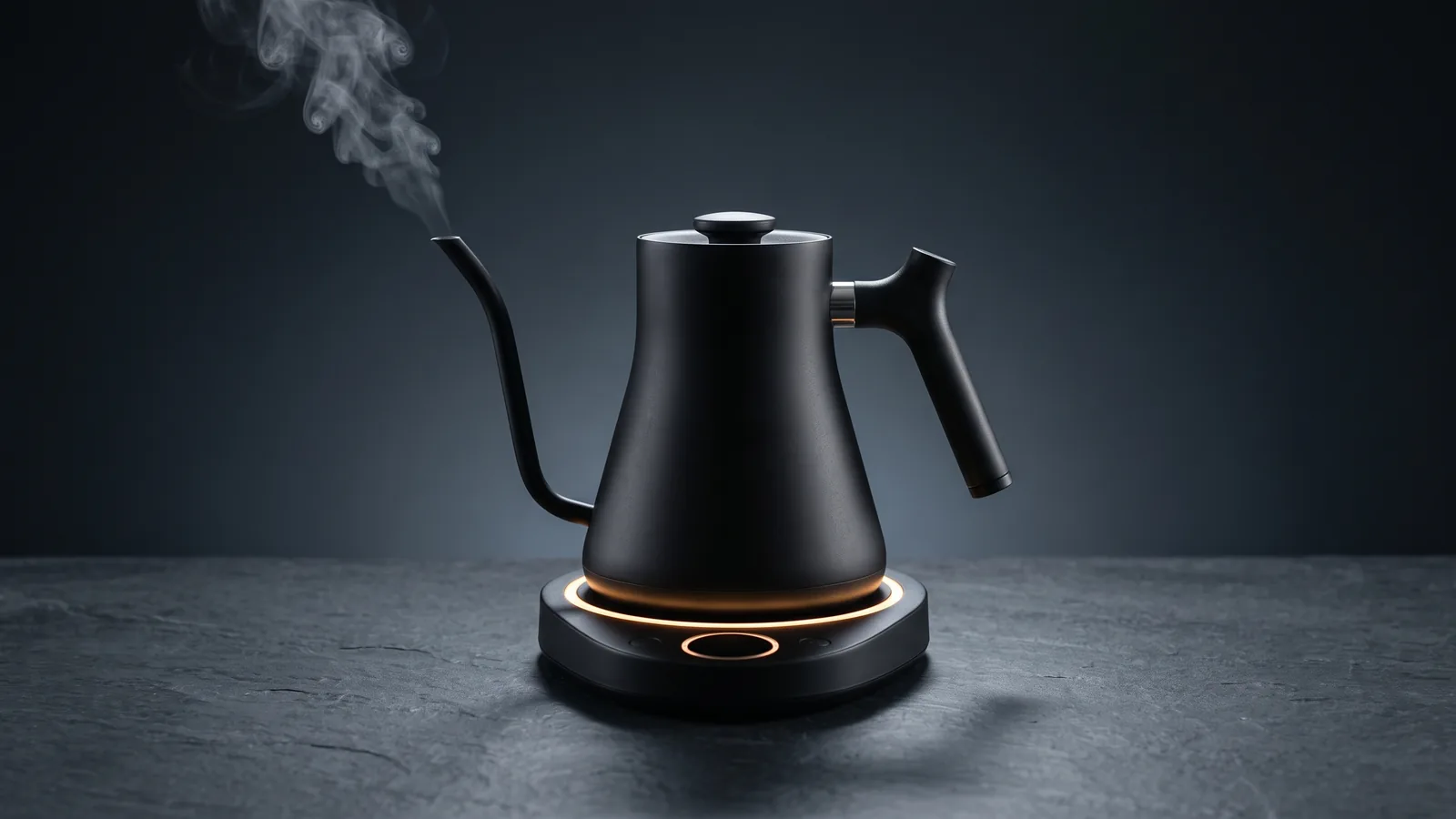
The Best Temperature-Control Kettles (Ireland & UK)
If you drink green or white tea or make pour-over coffee, a temperature-control kettle is worth it — boiling water scorches delicate teas and over-extracts coffee, and these let you dial in the right heat. The best all-round pick is the Bosch Styline, the most-established variable-temperature kettle here; the Ninja Perfect Temperature for tea presets; the Cosori for plastic-free precision; the Haden Dorchester for a clear digital display; and the Duronic for the lowest price. All are 230V models on Amazon UK, which delivers to Ireland.
Read →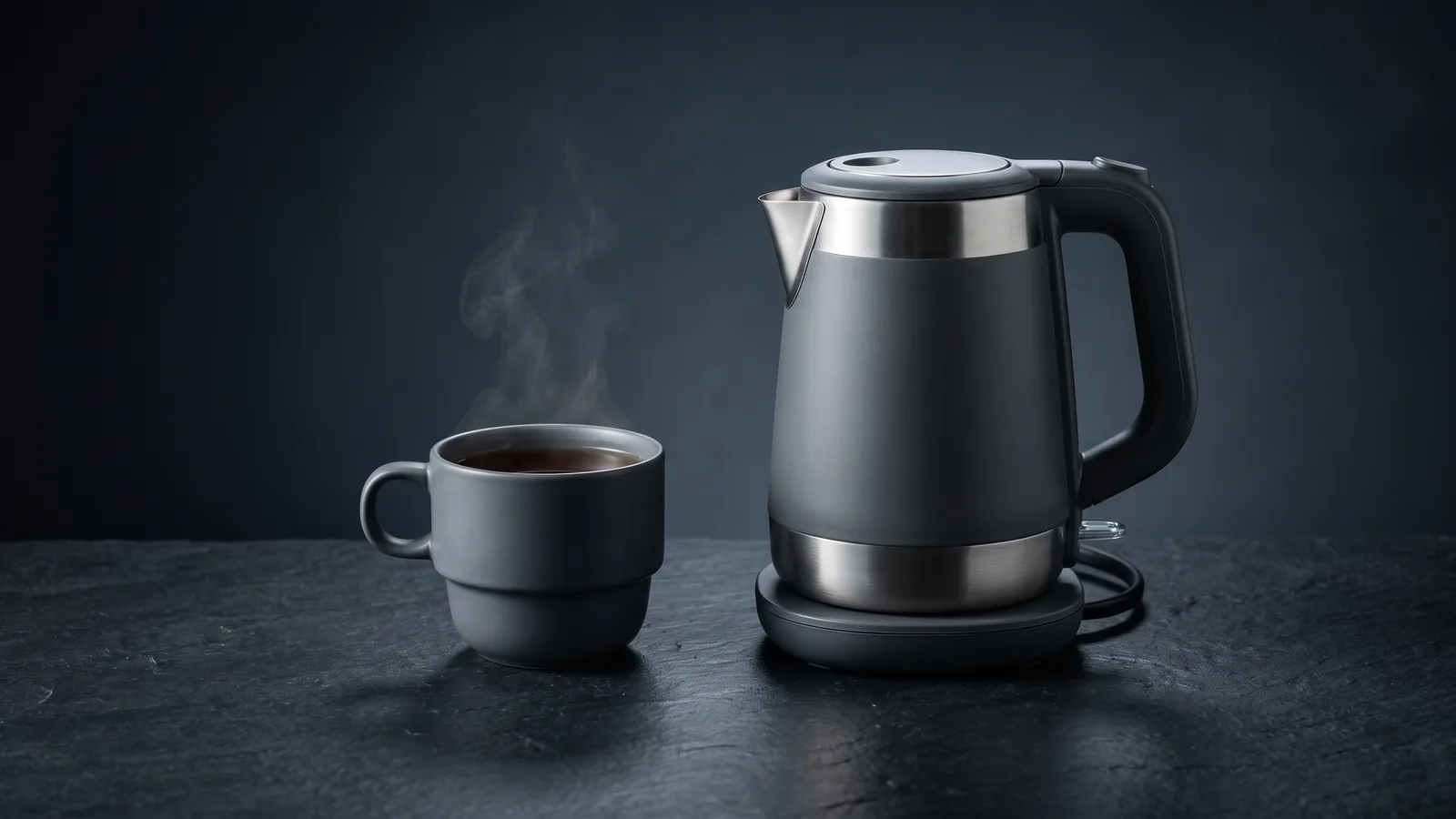
The Best Travel Kettles (Ireland & UK): Compact & Dual-Voltage
The best travel kettle for most people is the Russell Hobbs 0.85L — compact, cheap, fast, and by far the most-reviewed travel kettle on the UK market. If you're flying abroad, a dual-voltage Quest that runs on both 230V and 120V is the pick; for a small kitchen or office the 1L LIVIVO; for a caravan or camping the Judge that comes with travel cups; and the Daewoo compact for the lowest price. All are sold on Amazon UK, which delivers to Ireland.
Read →