Why this isn’t a simple size comparison
The intuitive assumption is that a mini food processor does the same things as a full-size machine, just in smaller quantities. The reality is more useful: the two machines have distinct strengths that reflect their design differences.
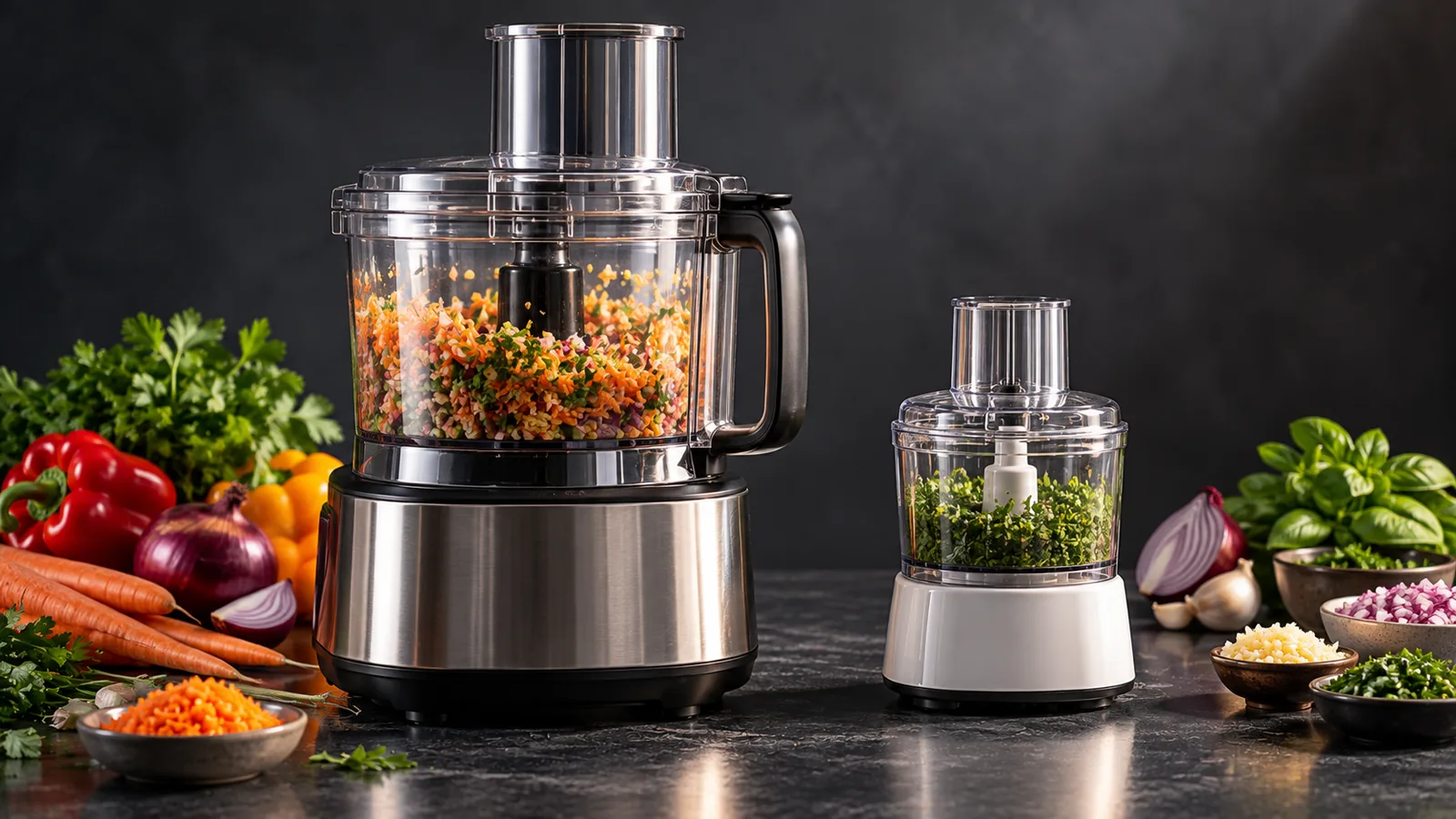
A mini food processor (3–5 cup) is essentially a precision chopper. It excels at tasks where small volume, fine control, and quick cleanup matter. A full-size food processor (7–14 cup) excels at tasks requiring volume, disc-based processing, and sustained motor effort.
The overlap is limited. Buyers who own both report using each tool for a distinct set of tasks — not the same tasks at different scales.
What each does well
Mini food processor: daily quick tasks
Where it is the right tool:
Garlic and alliums. Mincing 3–6 cloves of garlic, a shallot, or a piece of ginger takes 5 seconds in a mini chopper and produces results that a knife cannot match for speed. This is the single most commonly reported use for mini food processors in buyer reviews.
Single-serving sauces and dips. One cup of salsa, a portion of pesto, a vinaigrette, a serving of chimichurri. The mini’s bowl size matches single-meal quantities exactly, with nothing left over that needs to be transferred and stored.
Fresh herbs. Parsley, cilantro, and basil process in seconds. The alternative — hand-chopping a full bunch of herbs — takes 3–5 minutes.
Breadcrumbs. Two slices of stale bread become breadcrumbs in under 10 seconds. Equivalent result to a blender with less risk of fine powder instead of crumbs.
Baby food portions. Single-serving vegetable or fruit purees for infants. The mini’s capacity matches a single meal’s worth.
Where the mini fails:
- Anything requiring volume above 3–4 cups
- Slicing and shredding (most mini models do not accept disc accessories)
- Dough (motor is too small for sustained resistance)
- Batches that would need to be run 3–4 times to complete
Full-size food processor: batch prep and disc work
Where it is the right tool:
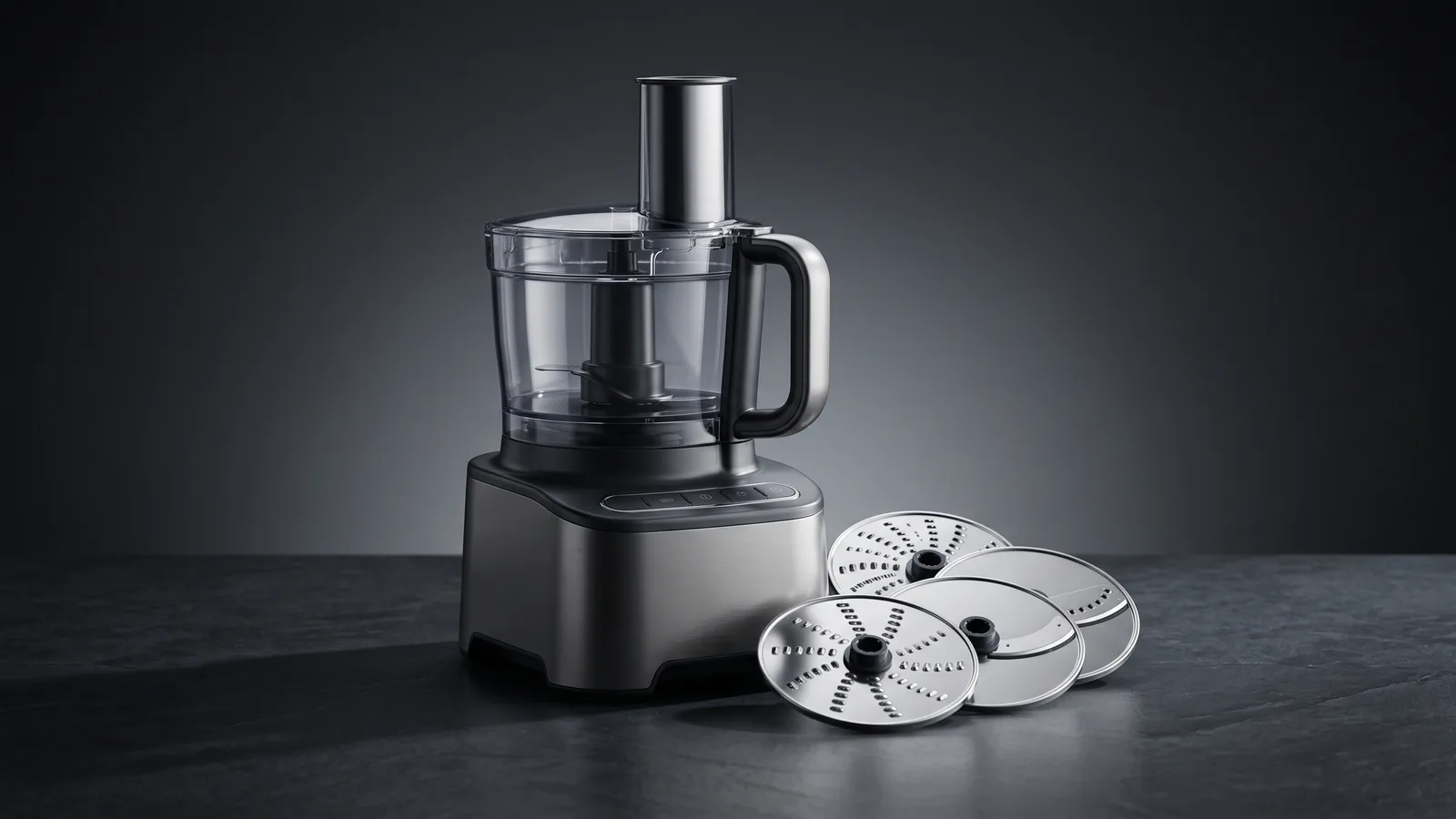
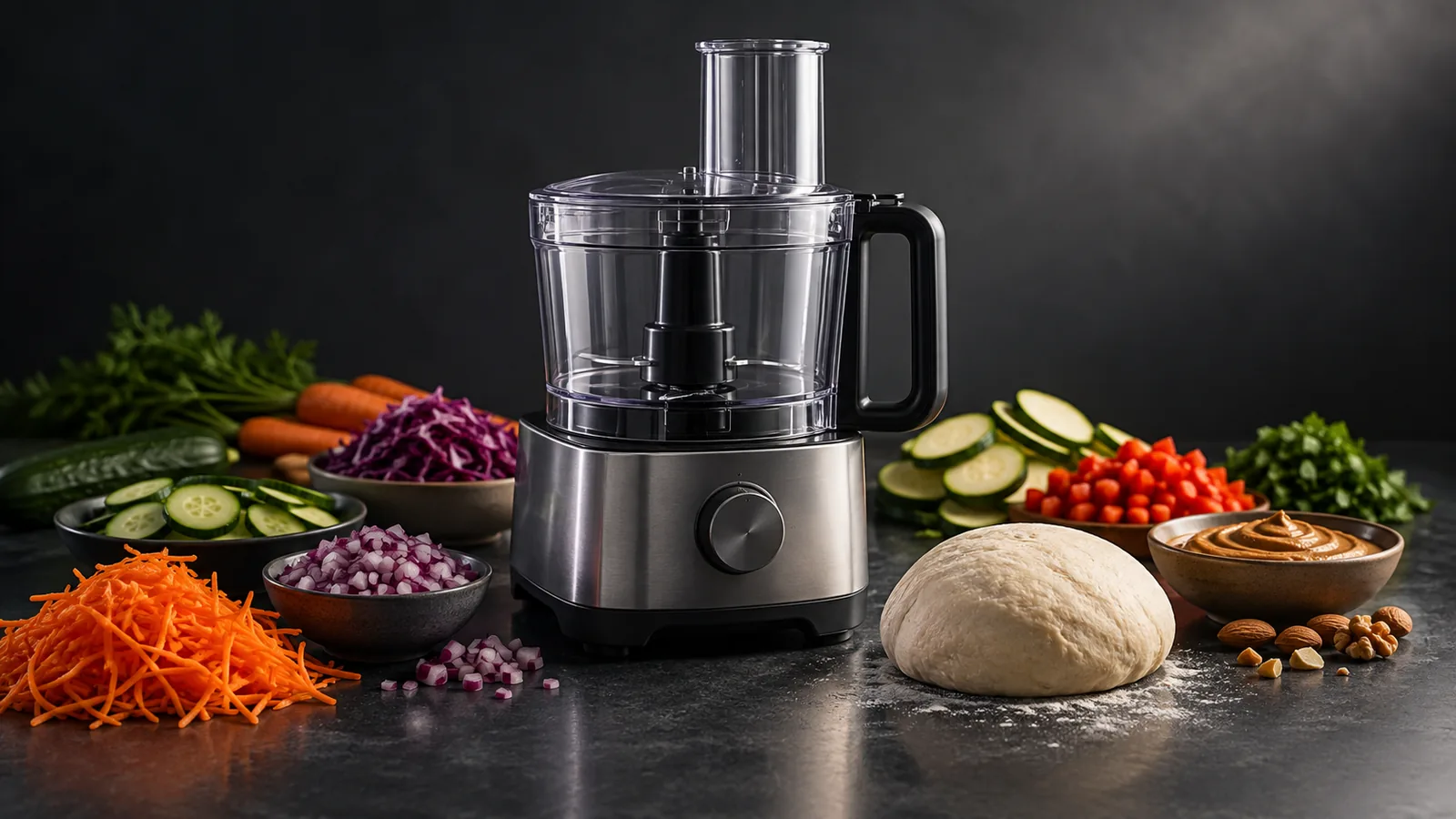
Shredding and slicing. This is where the full-size machine has no equivalent. The shredding disc produces uniform shredded cheese, cabbage, carrots, and zucchini in seconds. The slicing disc produces consistent coin slices of potatoes, cucumbers, and squash. Neither task is feasible in a mini machine, and both are dramatically faster than hand-cutting.
Hummus and dips at scale. A batch of hummus for 4–6 people requires 2–3 cups of chickpeas plus liquid, tahini, garlic, and lemon. A mini machine cannot process this in one batch; a full-size machine does it in one 60-second run.
Pie crust and biscuit dough. Cold-fat pastry dough depends on keeping the fat (butter or shortening) cold while cutting it into the flour. A full-size food processor with a dough blade or S-blade can do this in 10–15 pulses, faster and more consistently than hand-cutting. The cold processing temperature is naturally maintained. (Note: bread dough requiring gluten development is a different task — see the dough section of the blade guide.)
Large-batch vegetable prep. Prepping 2 lbs of carrots, a full head of cabbage for coleslaw, or a large batch of potatoes requires volume that a mini processes in four or five runs. A full-size machine handles it in one.
Where full-size creates friction:
- Daily small tasks (garlic, single onion) — effort-to-result ratio is unfavorable; cleanup for a 5-second task takes 3 minutes
- Limited counter space — full-size machines are bulky and benefit from permanent placement
- Households where the machine is stored in a cabinet (barrier to use)
The cleanup asymmetry
This is where the full-size machine loses points for daily small-task use. A full-size food processor has: a large bowl, a lid with a feed tube, a blade, a scraping tool, and sometimes additional disc holders. Cleaning after a 5-second garlic mince requires disassembling and washing all of these — a 3-minute task for a 5-second job.
A mini chopper has two or three parts and cleans in 30 seconds.
Buyers who purchase full-size machines for daily small tasks frequently report using the machine less over time because the cleanup-to-result ratio becomes a mental barrier. The machine gets used for big weekend tasks and sits unused during weeknight cooking — which is when the tasks that motivated the purchase actually occur.
Who benefits from owning both
The buyers who report highest overall satisfaction with food processors are those who own both a mini chopper ($30–$50) and an 11-cup full-size machine ($150–$250). The mini handles daily garlic, herbs, and small prep; the full-size handles weekend batch cooking, disc work, and large quantities. This setup has the right tool matched to every task.
The total cost is $180–$300 for the combination. For buyers who cook regularly, this is a reasonable kitchen investment. For buyers who cook occasionally or are testing their food processor use, starting with one machine is the right call.
If you are only buying one
Buy the mini first if:
- You are unsure how much you’ll use a food processor and want to test before committing to a large machine
- Your primary pain is daily small-volume tasks (garlic, herbs, single onion)
- Counter space is limited and you do not want a large machine permanently occupying space
- You rarely cook for more than 2 people
Buy the full-size first if:
- You regularly shred or slice large quantities of vegetables
- Batch cooking on weekends is a regular habit
- You make hummus, dips, or sauces for 4+ people
- You bake bread or pastry and need a dough-capable motor
What size food processor do I need · What can a food processor actually do · How to choose a food processor · The best food processors