What owners report
The AlfaBot’s available feedback is limited, so this verdict is deliberately measured — but within that feedback one concern recurs clearly enough to lead with.
The recurring complaint: smell. More than anything else, AlfaBot owners raise a plastic smell — and in several cases a burning-plastic smell during heated use. “Burning plastic smell put me off” is the kind of note that repeats. In a machine that heats food, that is the concern that matters most, because it goes to both taste and materials.
The supporting concern: early failure. Alongside the smell, a few owners report machines that stopped working after about a month, or arrived broken. On a small sample this is a caution rather than a rate, but it points the same way as the smell reports.
What works, when it works. For owners with a good unit, the N2 is efficient, does the job as advertised, and handles oat milk well; some describe the build as sturdy. The capability is there — it is the smell and reliability reports that shadow it.
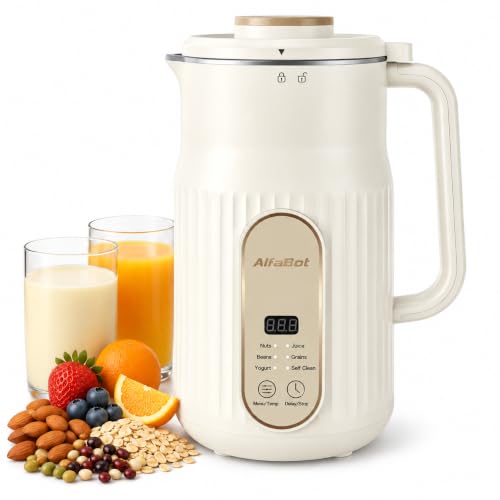
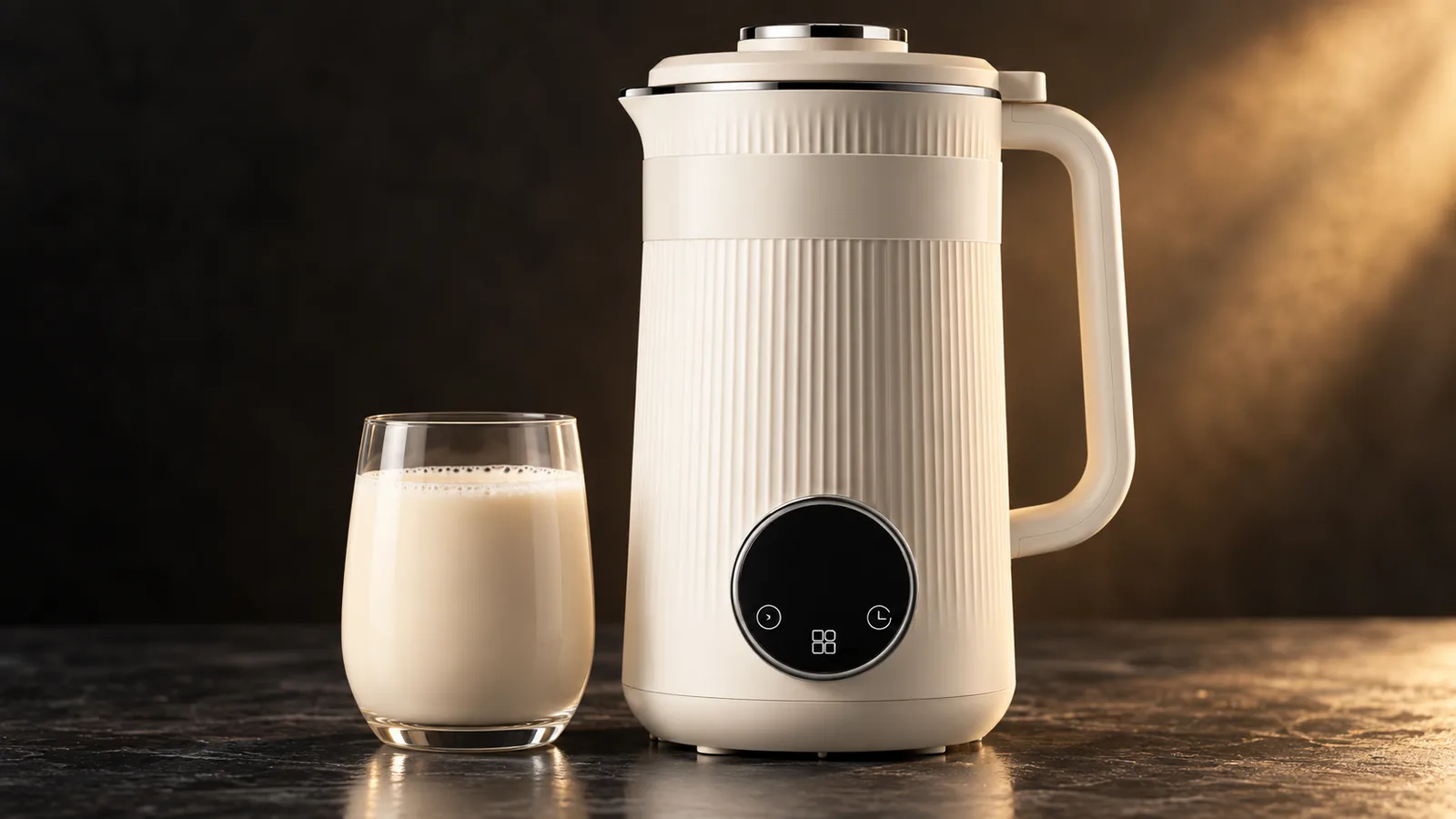
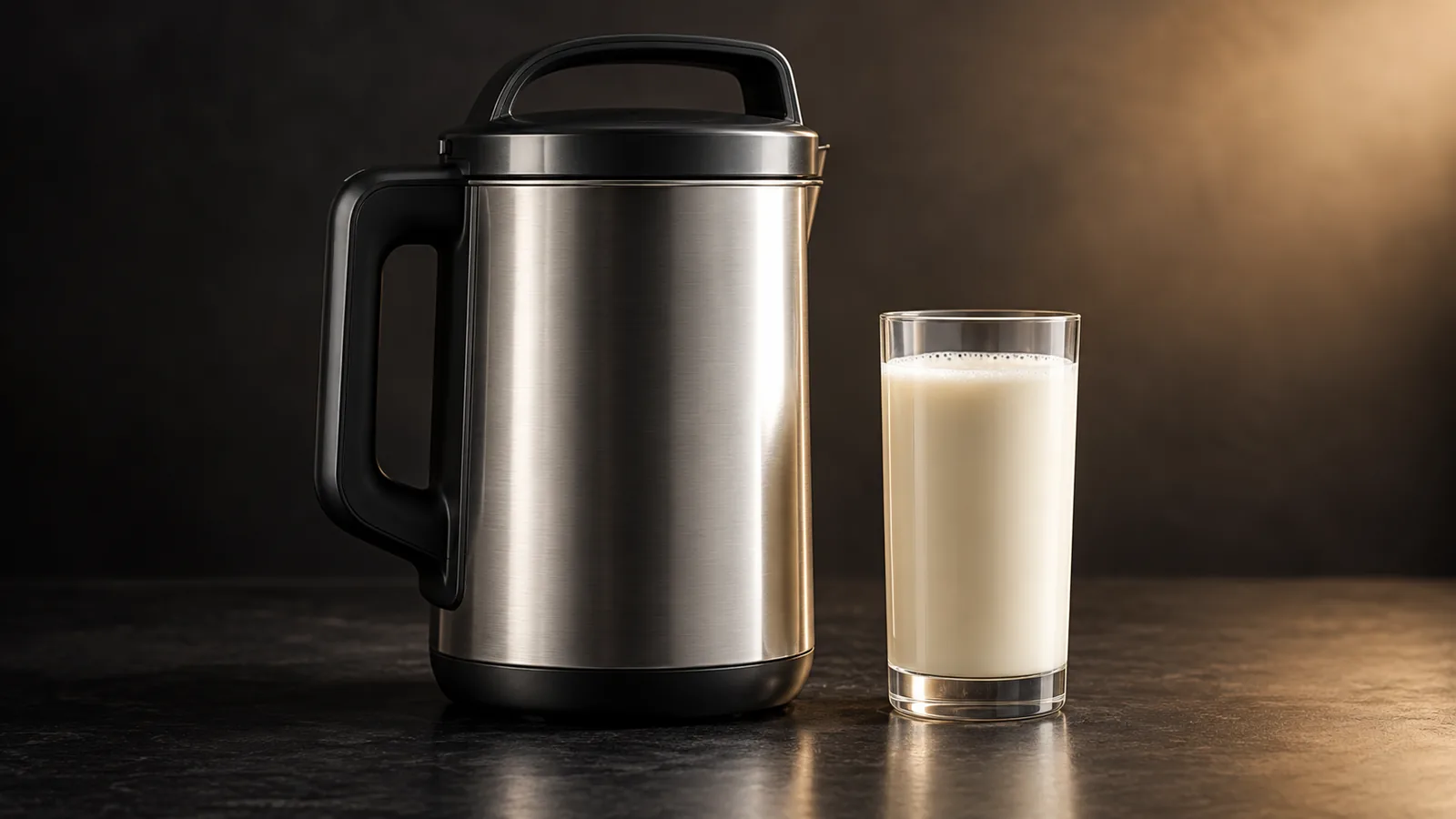
AlfaBot N2 Nut Milk Maker (35oz)
Capable and efficient for owners who get a good unit, but the most-repeated complaint in its reviews is a strong plastic or burning smell during heated use, with some early failures alongside. The sample is limited, so this is a measured caution — but it is consistent enough that the Kidisle is the safer budget nut milk maker for most buyers. Only buy the AlfaBot with an easy return window.
Prime Day Amazon Prime Big Deal Days is on — a good time to check the live price.
Check current price on AmazonWhat buyers praise
- Efficient and capable for owners who receive a good unit
- N2 offers larger capacity and a heating range for soy and oat
- Some owners describe a sturdy build
What buyers flag
- The most-repeated complaint is a strong plastic or burning smell during heated use
- Some early-failure reports (stopped working, arrived broken)
- Limited review sample — the verdict is a measured caution
- The Kidisle is a safer budget pick with a larger, more positive signal
Why the smell matters more than a spec sheet
Most budget nut milk makers are judged on capacity and program count. The AlfaBot’s defining issue is neither — it is a smell that owners repeatedly describe as plastic or burning during heated use. That matters more than a spec, because it affects the taste of the milk and reads as a signal about the materials heating your food. A break-in smell that fades after a few empty hot-water cycles is one thing; a smell that persists or turns burning is a reason to return the machine, and it is the reason to approach the AlfaBot with more caution than its features alone would suggest.
The safer alternative
If you are shopping the budget tier, the Kidisle is the machine the evidence points to first: a larger, more positive ownership signal, and a main risk (a QC lottery) that an easy return policy manages. The AlfaBot’s central complaint is harder to design around. Unless a specific AlfaBot feature or price is decisive for you, start with the Kidisle.
Who it is for
Right for: buyers set on the AlfaBot for a specific reason, buying with a return window so the smell risk is reversible. Look elsewhere if: a no-smell heated experience matters (the smell reports are the warning), or you want the safest budget bet — the Kidisle.
Kidisle review · IAGREEA review · Best non-toxic nut milk makers · Best plant-based milk makers