Espresso Machines
A practical guide to espresso machines — the types explained, how to pull a good shot, and why the grinder matters as much as the machine. Start with the types of espresso machines, then dial in your technique below. Guides and explainers first; ranked picks follow.
How they work
Buying guides and explainers — start here if you are new to the category.
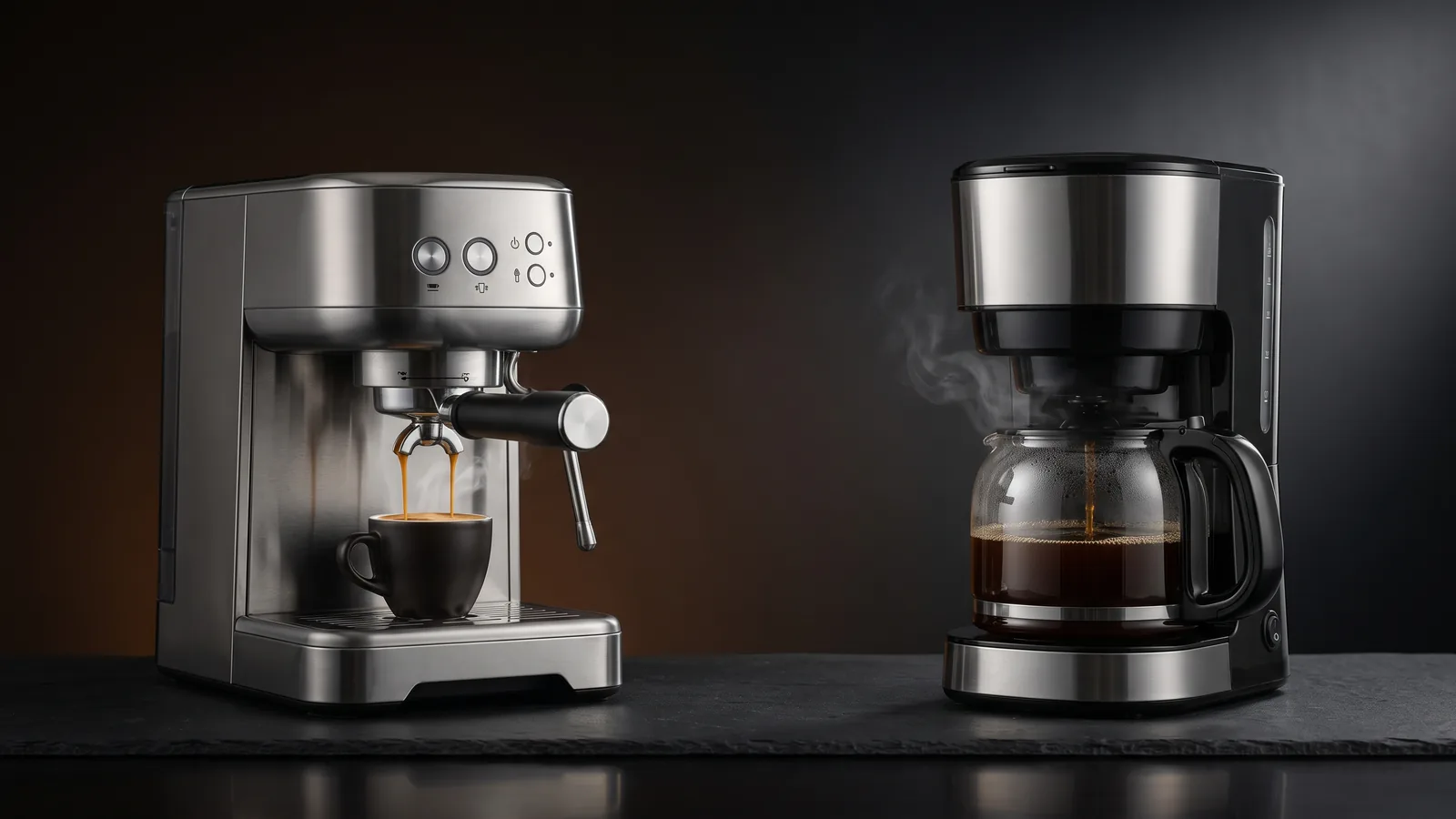
Espresso Machine vs Coffee Maker: Which Should You Buy?
A coffee maker makes easy, hands-off mugs of drip coffee; an espresso machine makes concentrated shots and cafe-style milk drinks but asks for a grinder, skill, and more money. If you drink black coffee by the mug, buy a coffee maker. If you want lattes and cappuccinos and enjoy the craft, buy an espresso machine — and budget for a grinder too.
Read →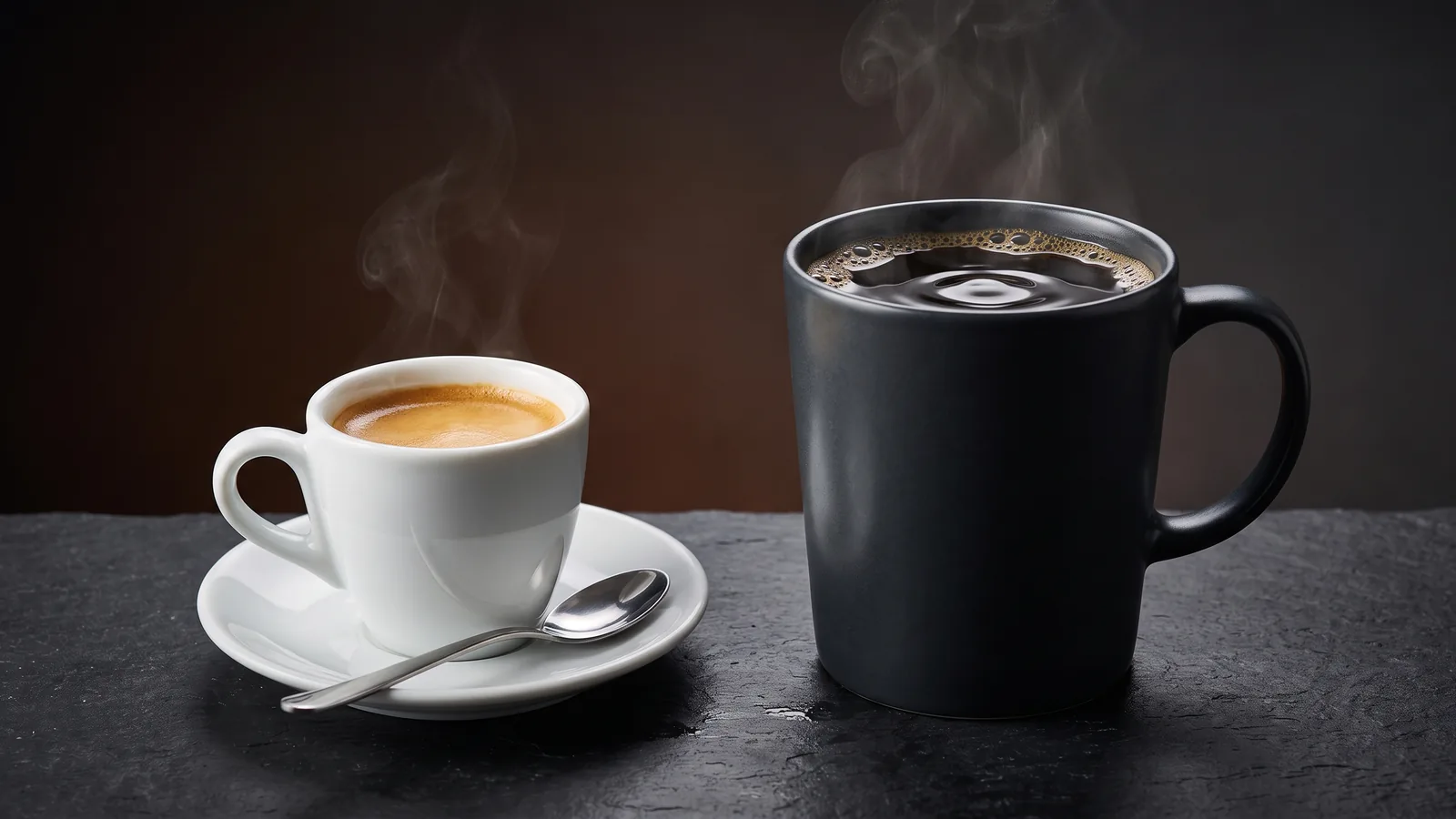
Espresso vs Coffee: What's Actually Different (and Which Has More Caffeine)
Espresso and drip coffee are made from the same beans — the difference is how the water meets them. Espresso forces hot water through finely ground coffee under about 9 bars of pressure, making a small, concentrated shot; drip lets water pass through by gravity, making a larger, lighter cup. Per ounce, espresso has far more caffeine; per serving, a mug of drip usually has more, because you drink so much more of it.
Read →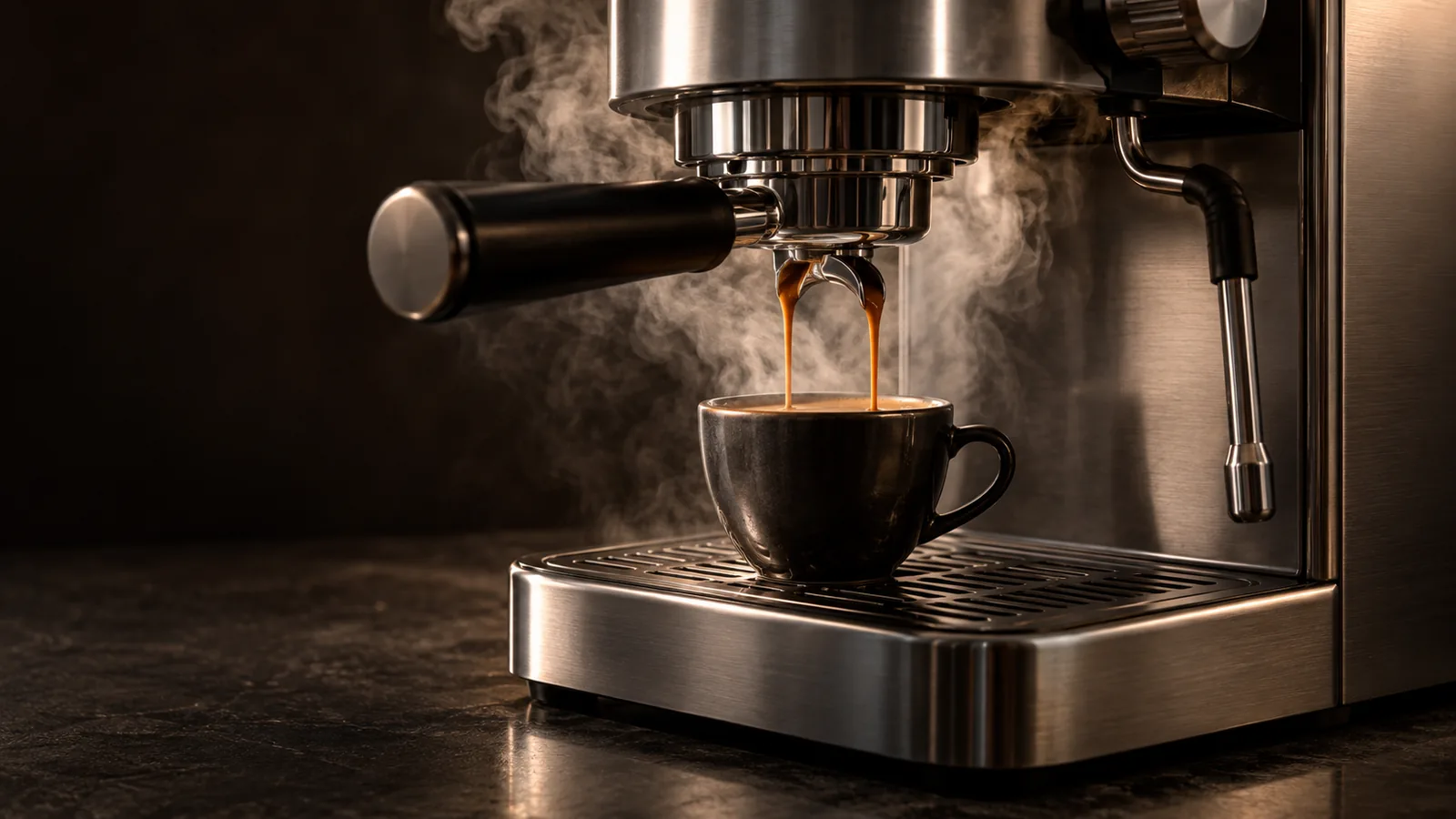
How Does an Espresso Machine Work? The Mechanism, Explained
An espresso machine works by forcing hot water — about 200°F — through a compressed puck of finely ground coffee at roughly 9 bars of pressure. That pressure is the whole point: it's what pulls a concentrated, syrupy shot with crema in 25–30 seconds, and it's the one thing a drip coffee maker can't do. Everything else in the machine exists to hit the right temperature and the right pressure, consistently.
Read →How Long Do Espresso Machines Last? What Owner Reviews Show
Owner reviews cannot tell you an average lifespan, but they show clearly when things go wrong. Across 37 espresso machines, more than half of the failure complaints that give a timeframe say the machine failed within months, not years. Most early failures fall inside the warranty, which is why the warranty and the return window matter more than the brand.
Read →How to Choose an Espresso Machine: The Complete Buyer's Guide
Choosing an espresso machine is really one decision with a lot of consequences: how much of the shot do you want to control, and how much do you want the machine to handle? Get that right and everything else — the grinder, the pressure, the boiler, the steam wand — follows from it. This guide walks every factor that actually changes the coffee in your cup, and routes you to the right machine for how you drink.
Read →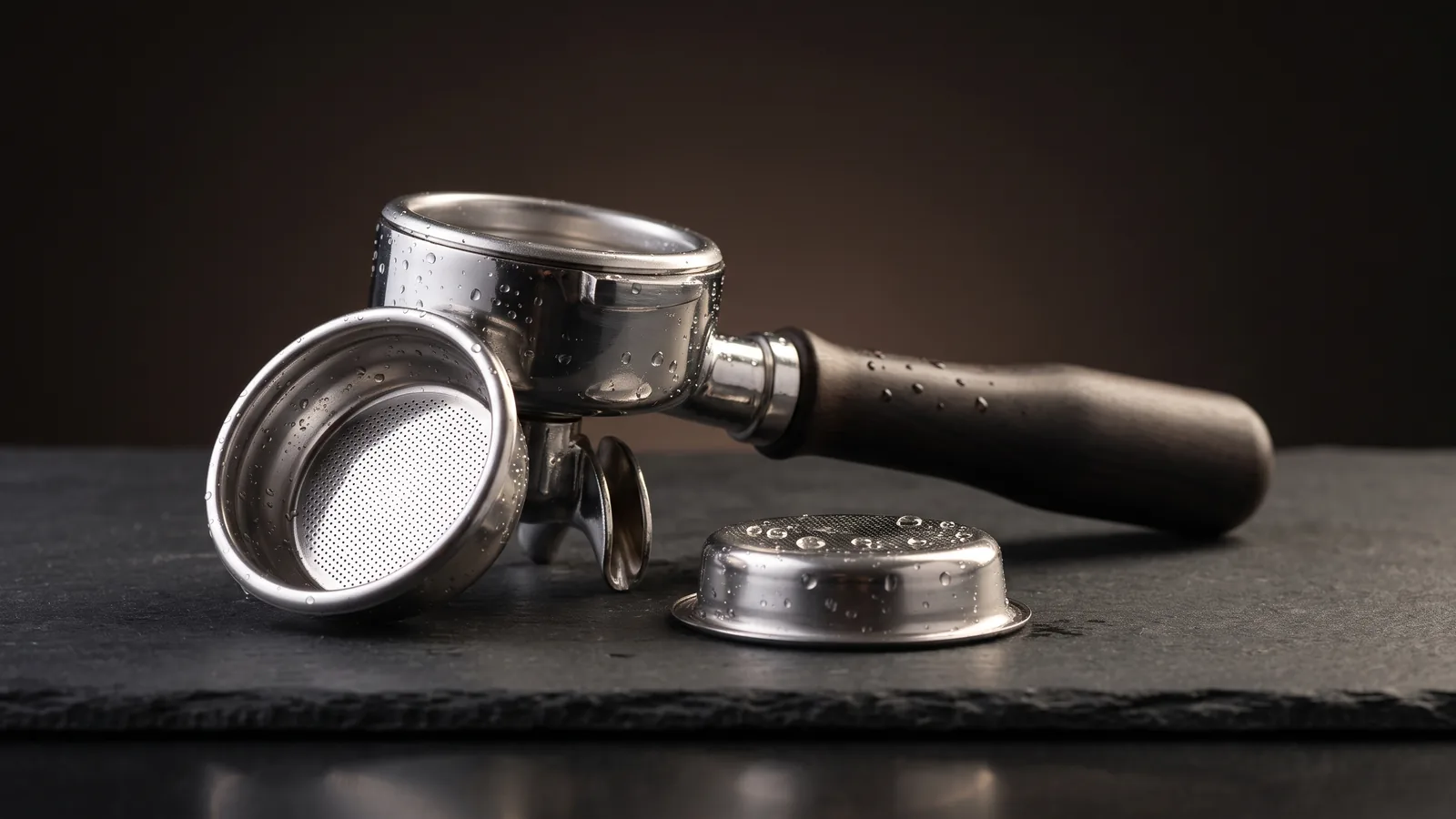
How to Clean an Espresso Machine: Daily, Weekly, and Descaling
Keeping an espresso machine clean is three routines: a 30-second daily wipe-down (steam wand, portafilter, group head), a weekly backflush and basket soak, and periodic descaling to clear mineral scale. Skip them and shots turn bitter and the machine clogs; keep them and it pulls clean shots for years. The steam wand and descaling are the two most-neglected — and most damaging to ignore.
Read →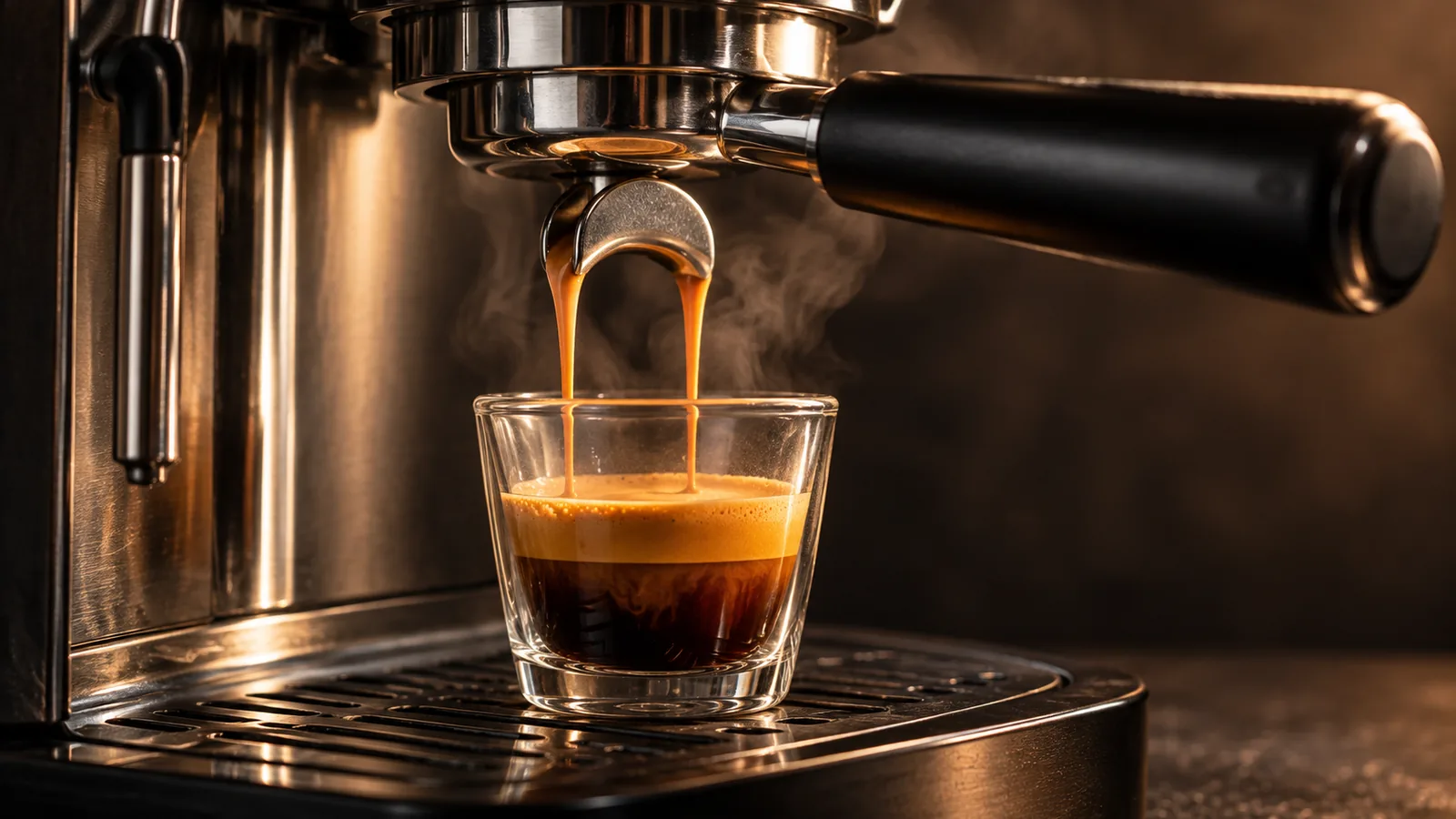
How to Pull a Shot of Espresso: Dose, Grind, Tamp, and Yield
A good espresso shot is four numbers and one skill: a dose of about 18 grams of finely ground coffee, a level tamp, a yield of roughly 36 grams of liquid (a 1:2 ratio), pulled in about 25–30 seconds. Grind is the dial you turn — if the shot runs too fast and sour, grind finer; too slow and bitter, grind coarser. Everything else stays the same while you chase the time.
Read →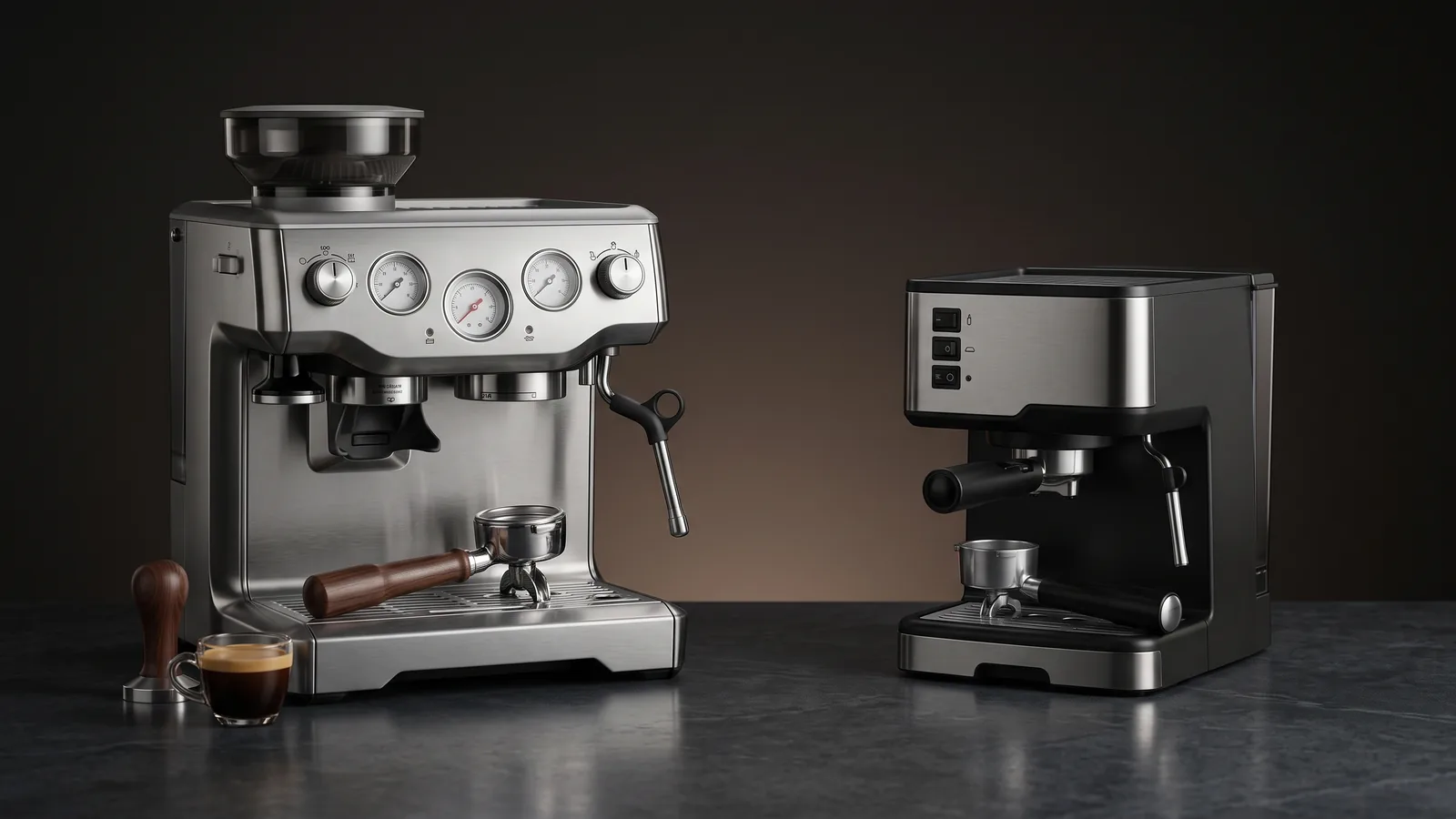
Premium vs Budget Espresso Machine: What You Actually Pay More For
Espresso has the widest price spread in the kitchen — $100 to well past $2,000. What the money buys is temperature stability, real pressure control, a proper steam wand, and often a built-in grinder — the things that separate a thin, sour shot from a balanced one. Here is exactly where the price goes, and the tier that fits how you actually drink.
Read →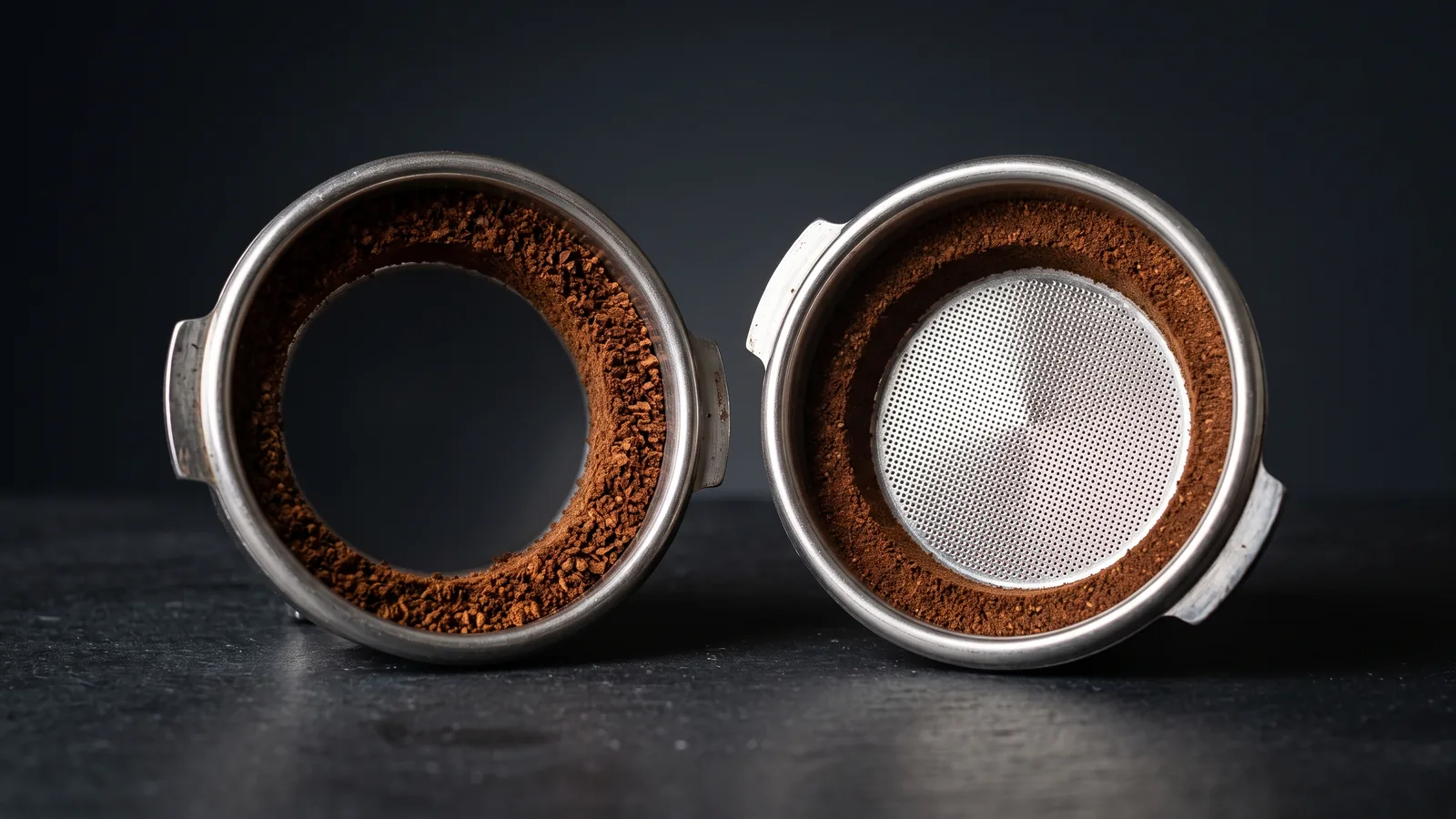
Pressurized vs Non-Pressurized Portafilter: Which Should You Use?
A pressurized portafilter forces water through a single hole to create crema even from a mediocre grind — forgiving, but a ceiling on quality. A non-pressurized (standard) portafilter rewards a good grind with real extraction and better espresso, but it demands a proper grinder and technique. Beginners often start pressurized; anyone chasing better shots moves to non-pressurized.
Read →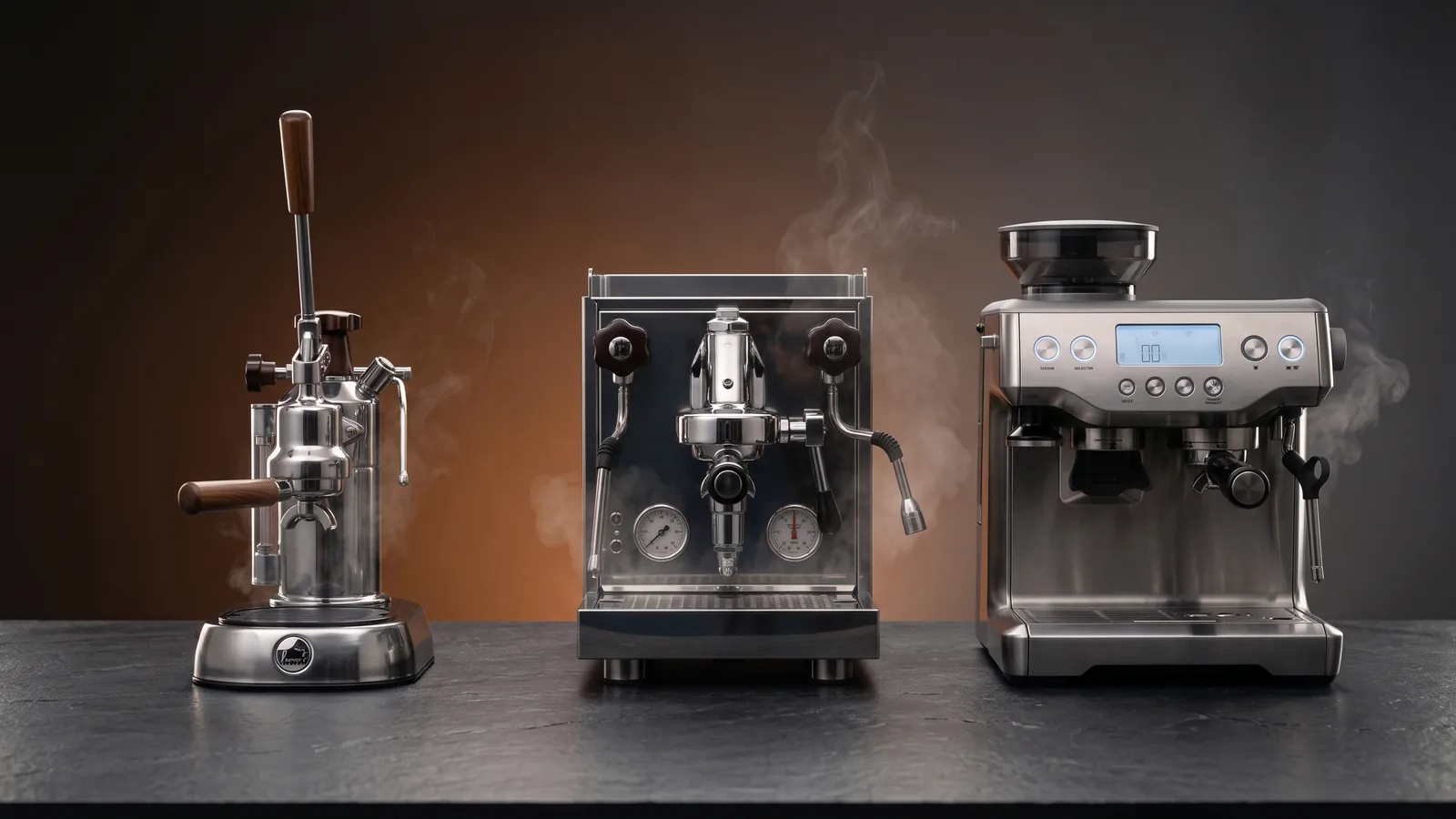
Types of Espresso Machines, Explained: Which One Is Right for You
Espresso machines come in four families: manual (lever), semi-automatic, automatic, and super-automatic — plus capsule machines. They differ in one thing above all: how much of the shot you control versus how much the machine does for you. Manual and semi-automatic reward skill with the best coffee; super-automatic and capsule trade some quality for push-button ease. Picking the right family matters more than picking the right model.
Read →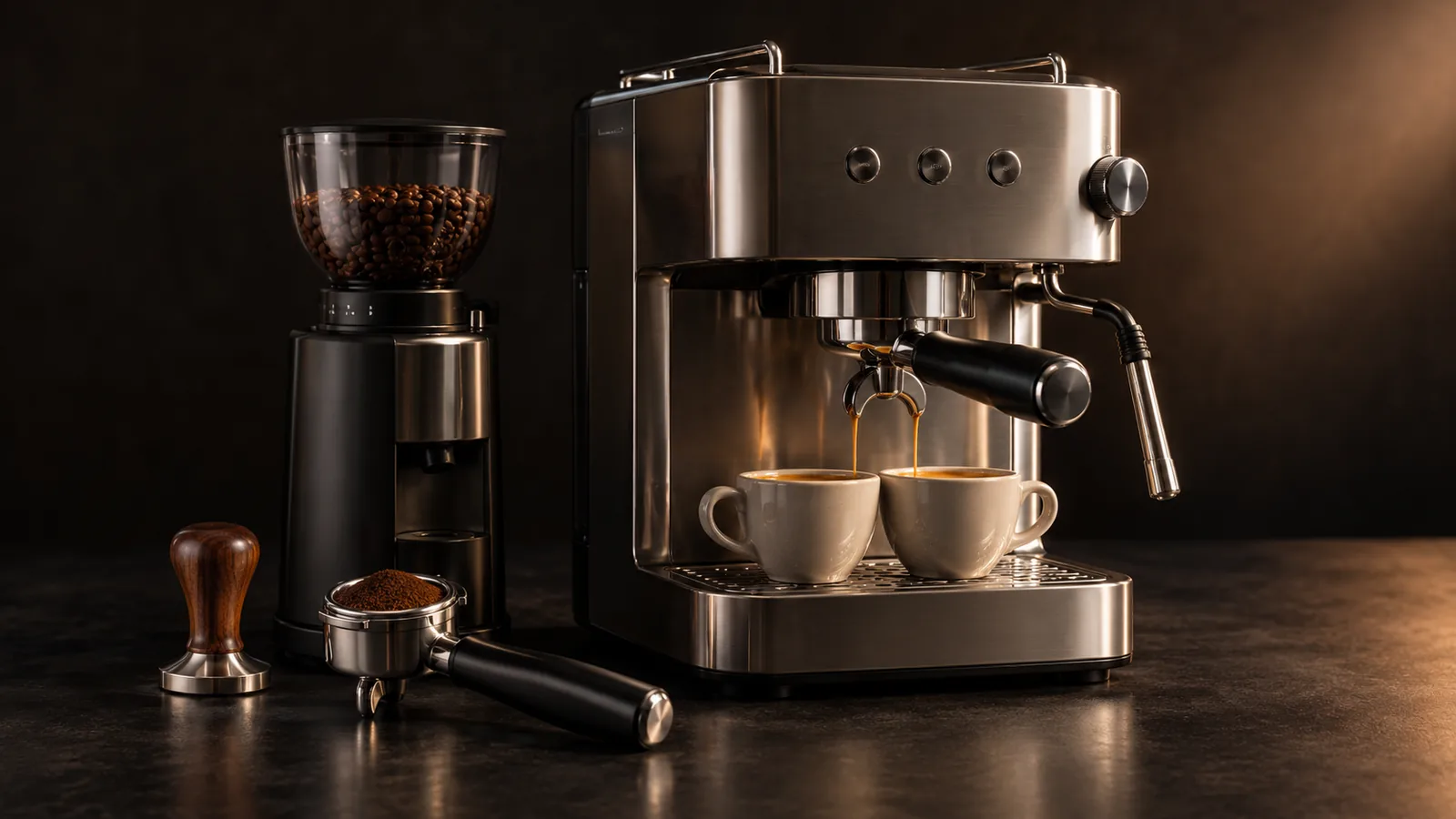
What You Need to Make Espresso at Home: The Complete Starter Kit
Making espresso at home takes five things: an espresso machine, a burr grinder that grinds fine enough, a tamper, a scale, and fresh beans. The grinder is the part beginners skip and regret — espresso lives or dies on a consistent, fine grind, so a good grinder matters as much as the machine. Add a milk pitcher only if you want lattes.
Read →
Best for specific uses
Ranked picks for each use case, grounded in verified buyer review data.
Dual-Boiler Espresso Machines Compared: Breville Dual Boiler vs Oracle
A dual-boiler espresso machine has one boiler for brewing and another for steam, so you can pull a shot and texture milk at the same moment, each at its own temperature. The Breville Dual Boiler is the hands-on choice; the Oracle and Oracle Touch add a grinder and automate dosing, tamping and milk. The Oracle Jet is not a dual-boiler machine at all, and may suit you better.
Read →Super-Automatic Espresso Machines Compared: Philips vs De'Longhi
A super-automatic espresso machine grinds, tamps, brews and froths at one touch. Within a brand, the models differ mainly in how many drinks are preset and how the milk is handled, not in the coffee. The Philips 2300 is the sensible starting point, with the best owner record here; the De'Longhi Magnifica Duo adds drip coffee and cold brew. Owners are less satisfied with this category than with simpler machines, and the reasons are worth knowing first.
Read →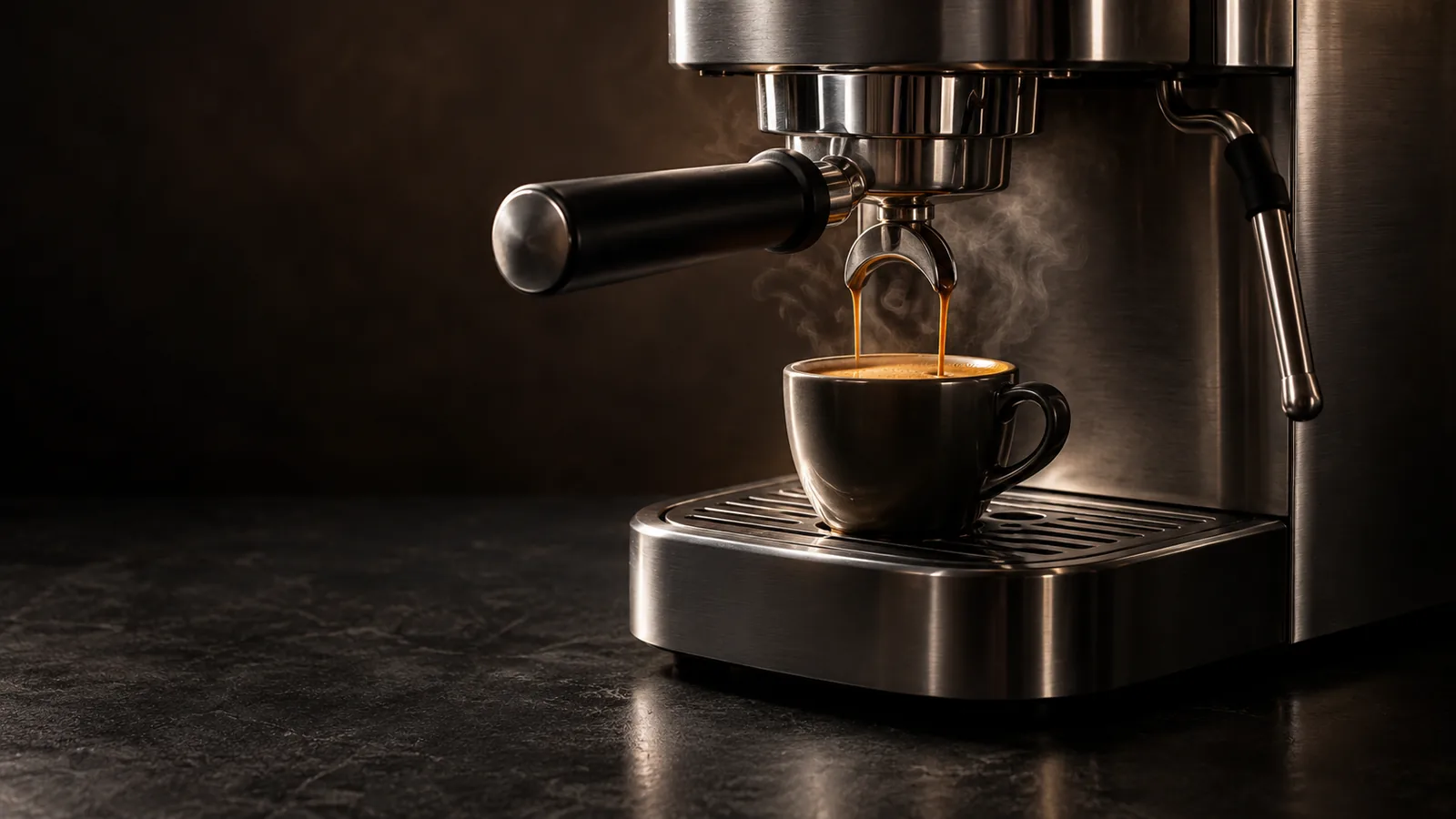
The Best Espresso Machines for Beginners
The best espresso machine for most beginners is the CASABREWS CM5418: compact, with a steam wand, and the most favorable owner feedback of the manual machines we analyzed. If you want the grinder built in, the Breville Barista Express. For the drink with no skill, the Philips 2300 or a Nespresso pod machine. Decide first whether you want the craft or just the drink.
Read →The Best Espresso Machines for Lattes and Milk Drinks
For lattes and milk drinks, the best machine for most people is the Philips 2300 LatteGo: the whole drink at one touch, with more than five times as much owner praise as complaint. For more drinks and saved recipes, the De'Longhi Magnifica Evo. To steam milk yourself on a budget, the CASABREWS CM5418. Choose how you want to make the milk before you choose a model.
Read →The Best Espresso Machines Under $500
The best espresso machine under $500 is the CASABREWS CM5418: the most favorable owner feedback of the manual machines we analyzed. The De'Longhi Dedica is the slim pick and the Breville Bambino heats fastest. Within this budget, paying more did not buy a better owner record, and most machines still need a separate grinder.
Read →The Best Espresso Machines with a Built-In Grinder
The best espresso machine with a built-in grinder is the Breville Barista Express: a very deep owner record, with praise ahead of complaints by roughly seven to five. The Ninja Luxe Café Premier adds drip coffee and cold brew, and the Philips 2300 makes the whole drink at one touch. A built-in grinder also means more to go wrong: durability is the main complaint on these machines.
Read →The Best Portable Espresso Makers
The best portable espresso maker for most people is the Wacaco Minipresso GR: a hand-pumped maker for ground coffee, with the strongest owner feedback of the portable makers we analyzed. For Nespresso Original capsules, the Minipresso NS2. To skip the kettle, the OutIn Nano heats its own water. For the most control over the shot, the Wacaco Picopresso.
Read →The Best Semi-Automatic Espresso Machines
The best semi-automatic espresso machine for most people is the CASABREWS CM5418: compact, with a steam wand, and the most favorable owner feedback of the semi-automatics we analyzed. Want the grinder built in? The Breville Barista Express. Short on space? The Breville Bambino or the narrow De'Longhi Dedica. For a machine built to last, the Rancilio Silvia.
Read →The Best Small Espresso Machines for Compact Kitchens
The best small espresso machine by owner feedback is the CASABREWS CM5418: a compact machine with a steam wand and the most favorable owner record of the six we analyzed. The De'Longhi Dedica is the slim pick, at about six inches wide. The Breville Bambino has the most capable steam wand and the fastest heat-up, but its owners report more failures than its price suggests.
Read →Which Breville Espresso Machine Should You Buy? The Line-Up Compared
Breville's espresso machines fall into four groups: the compact Bambino models with no grinder, the Barista models with a grinder built in, the Dual Boiler for control, and the Oracle models that automate grinding, tamping and milk. Start with the Bambino if you have a grinder, or the Barista Express if you do not. Owner feedback across the range is closer to even than the brand's reputation suggests, with durability the recurring complaint.
Read →Which De'Longhi Espresso Machine Should You Buy? The Line-Up Compared
De'Longhi sells two kinds of espresso machine: small manual ones (Stilosa, Dedica) and fully automatic ones that grind, brew and froth at a touch (Magnifica Evo, Magnifica Duo, Dinamica Plus, Rivelia, Eletta Explore). The Magnifica Duo has the most favorable owner feedback we found, and the Magnifica Evo with the milk frother has the largest favorable sample. For a manual machine, the Dedica.
Read →Which Philips Espresso Machine to Buy? Every Model, 1200 to 5500
Philips's LatteGo machines grind, brew and froth at one touch; the models differ mainly in how many drinks are preset. Start with the 2300 LatteGo: owner praise runs more than five to one ahead of complaints, the best record in the range. Choose the 3300 for iced coffee, the 4400 for two user profiles or the 5500 for 20 drinks. Skip the older 3200, the classic-frother entry models and the Baristina.
Read →
The complete ranking
The definitive guide across the full category.
Breville Barista Express Review (2026): Is the All-in-One Worth It in Canada?
The Breville Barista Express is the machine that gets people pulling real espresso at home with a built-in grinder — and its owner reviews back the appeal: ease of use, easy cleaning, and value for a real machine are what owners praise most. The honest counterpoint is that it's a maintenance appliance, with a recurring minority of pump and repair complaints after a year or two. This review, grounded in verified buyer reviews, tells you what owners love, what to watch, and whether it's the right first espresso machine for a Canadian kitchen.
Read →De'Longhi Dedica Review (2026): Cafe Coffee Cheap, With One Catch
The De'Longhi Dedica is the best-selling manual espresso machine in Ireland and the UK, and for good reason: owners say it makes genuinely good coffee for far less than pods or the cafe, in a slim body that fits a small counter. The catch is honesty about reliability — a meaningful minority report a fault in the first year, and the single-wall system can struggle with a strong double shot. This review, grounded in verified buyer reviews, tells you what to expect and how to buy it well.
Read →De'Longhi Magnifica S Review (2026): One-Touch Coffee, With Caveats
The De'Longhi Magnifica S is one of the best-selling bean-to-cup machines in Ireland and the UK, and the appeal is obvious: beans in the top, coffee out the bottom, at one touch — many owners report years of daily use. But a bean-to-cup has more inside to go wrong than a manual machine, and the reviews reflect it: reliability and customer service are the real watch-points, with the water reservoir and milk system the parts owners flag most. This review, grounded in verified buyer reviews, tells you who it suits and how to buy it well.
Read →The Best Espresso Machines in Canada (2026)
Espresso machines split by how much you want to do yourself: a manual machine (you grind, tamp, and pull the shot) gives control for less money, while a bean-to-cup does it all at one touch for more. This guide ranks the best espresso machines you can buy in Canada: the grind-to-cup Breville Barista Express, a one-touch Philips bean-to-cup, a value De'Longhi pump machine, and a budget Casabrews. It's also an honest category — these machines need care and occasional servicing, so we flag what owners report.
Read →The Best Espresso Machines in Ireland (2026)
Espresso machines split into two kinds, and the right one depends on how much fuss you want: a manual machine (you grind, tamp and pull the shot) rewards you with cafe-quality control for less money, while a bean-to-cup does it all at one touch for more. This guide ranks the best espresso machines you can actually buy in Ireland: the manual De'Longhi Dedica, the bean-to-cup De'Longhi Magnifica S, and the one-touch Breville for milk drinks. It's also an honest category: at every price these machines need care and occasionally need servicing, so we flag exactly what owners report breaking.
Read →