Milk Frothers
A practical guide to frothing milk at home — how to do it with any tool, the types of frother compared, which milk foams best, and how to get café-quality foam for lattes and cold brew. Guides and explainers first; ranked picks and comparisons follow.
How they work
Buying guides and explainers — start here if you are new to the category.
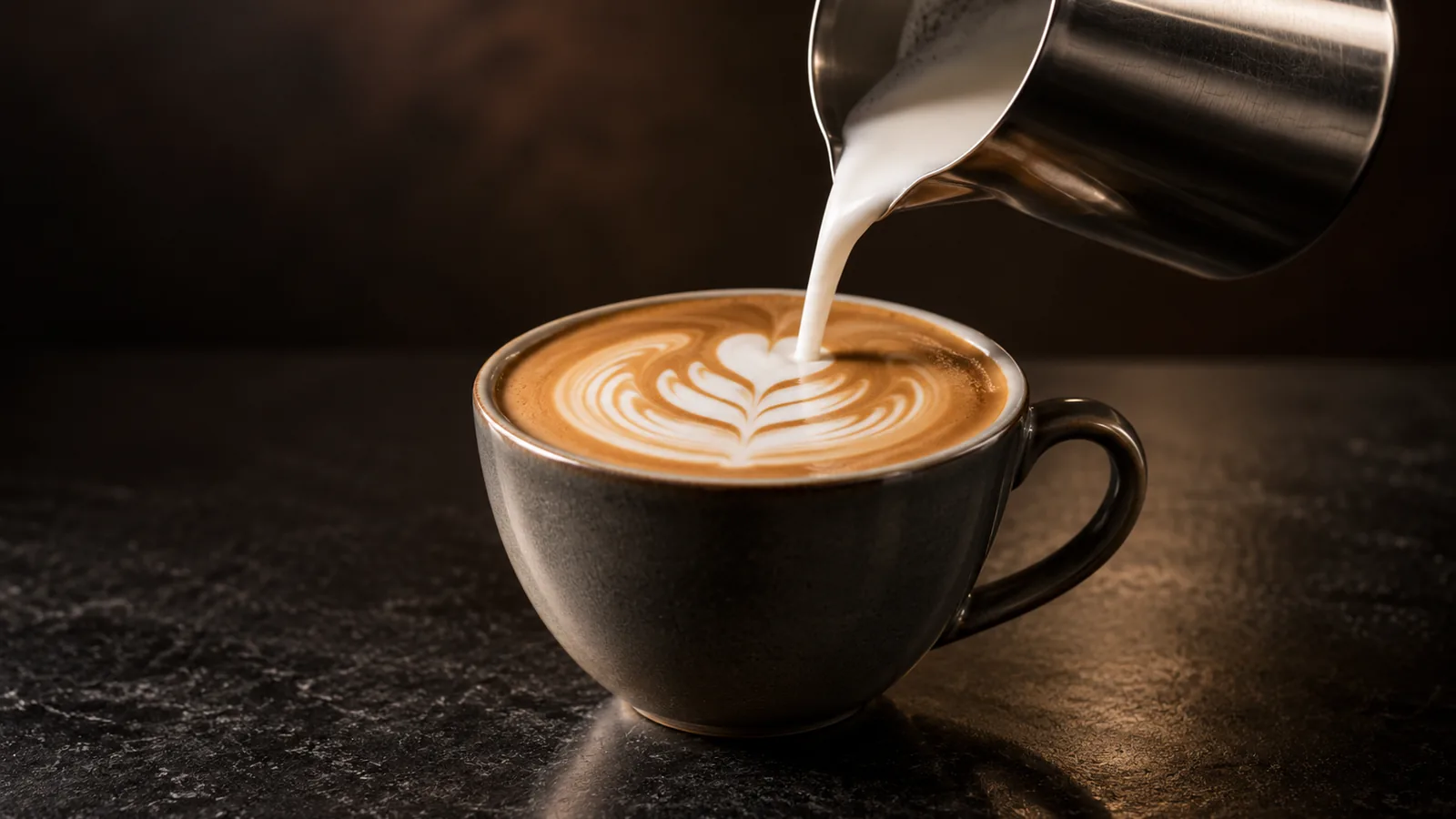
How to Froth Milk at Home: Every Method, the Right Milk, and Why It Fails
Frothing milk means forcing air into it to build foam. Any method that agitates warm milk fast enough works — an electric frother, a handheld wand, a steam wand, a French press, or a sealed jar you shake. The two things that decide success are the milk (higher protein and fat froth more stably; whole dairy and barista oat are the easiest) and the temperature (stop around 140–150°F; past ~160°F the foam collapses and the milk scalds).
Read →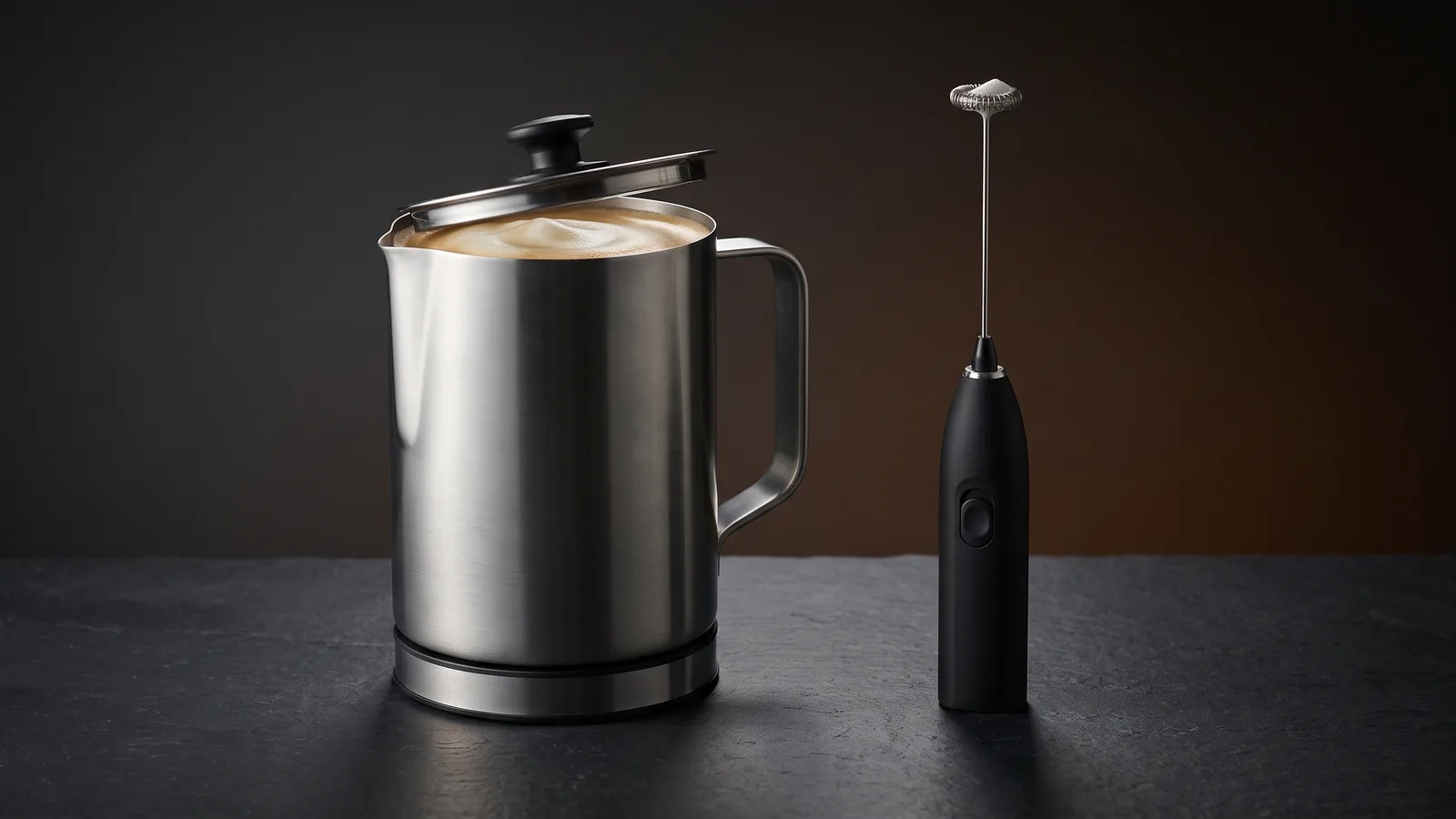
Premium vs Budget Milk Frother: What You Actually Pay More For
A $10 handheld wand and a $60 electric frother both make foam, but they are different tools. The wand whisks air into milk you heat yourself; the electric frother heats and froths in one step and makes denser, more consistent foam. Here is what the money actually buys, and which one fits your coffee.
Read →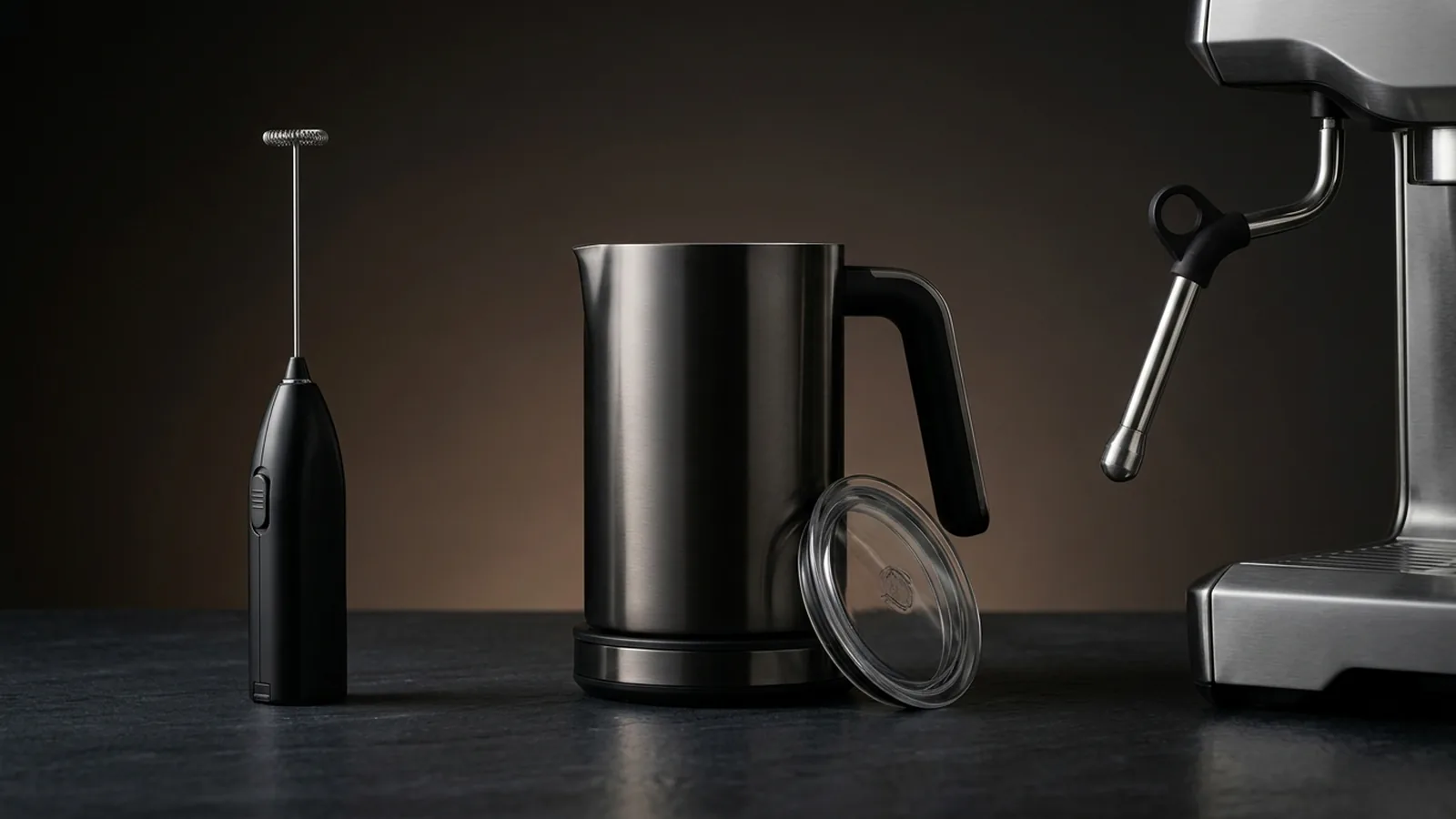
Types of Milk Frothers: Handheld, Electric, and Steam Wand Compared
A milk frother is a small device that whips air into milk to make foam. There are three main types: cheap handheld wands that whisk milk you've heated separately, automatic electric frothers that heat and froth in one jug, and steam wands built into espresso machines that make the finest microfoam. Which is right depends on how much control you want and whether you also make espresso.
Read →
The complete ranking
The definitive guide across the full category.
Nespresso Aeroccino 3 Milk Frother Review (2026): Is It Worth It in Canada?
The Nespresso Aeroccino 3 is the one-button milk frother that pairs neatly with a pod setup — and its owner reviews back the appeal: quality, ease of use, and good foam are what owners praise most. The honest counterpoint is durability, where a minority report units failing or arriving refurbished-looking. This review, grounded in verified buyer reviews, tells you what owners love, what to watch, and whether it's the right frother for a Canadian kitchen.
Read →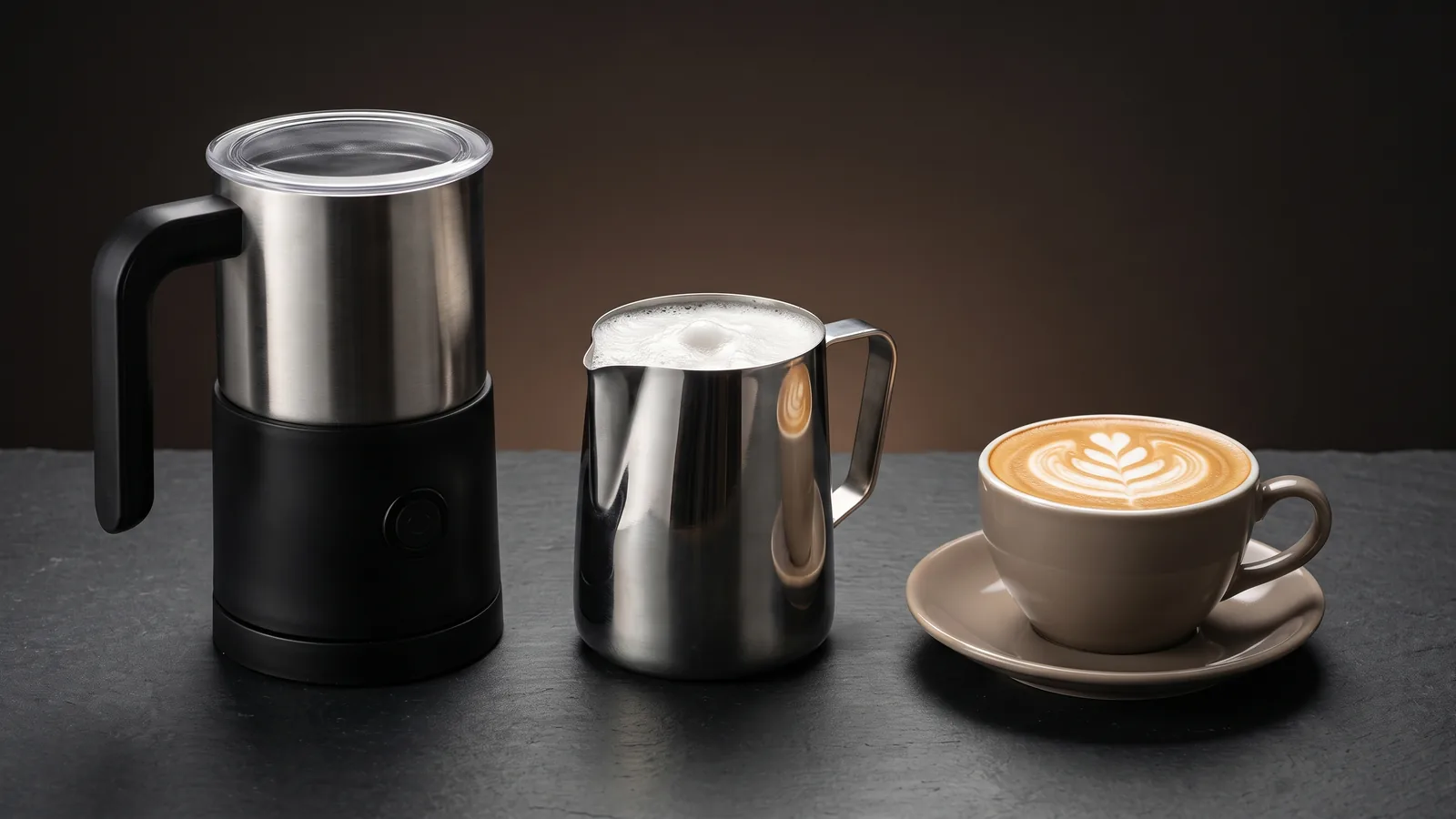
The Best Milk Frothers
The best milk frother for most people is the Zulay Original handheld: by far the deepest owner record, with praise well ahead of complaints. For the least money, the SIMPLETASTE handheld; for the thickest froth, the rechargeable Maestri House LunaFro; for hands-off hot foam, the Nespresso Aeroccino 3. One thing to know before buying any of them: units that stop working are the most common complaint on most frothers we analyzed.
Read →The Best Milk Frothers in Canada (2026)
A milk frother comes in two shapes: an automatic jug that heats and froths at one touch, or a handheld wand that whisks froth for a couple of dollars. This guide ranks the best milk frothers you can buy in Canada: an automatic Secura for hot and cold froth, the Nespresso Aeroccino for coffee pairing, a budget handheld wand, and a premium Breville.
Read →The Best Milk Frothers in Ireland (2026)
A milk frother is the cheapest upgrade to home coffee there is — but the right one depends on how you drink it. A standalone electric frother heats and froths a jug of milk at one touch for lattes and hot chocolate; a handheld battery whisk costs a couple of euro and froths a single cup; a branded frother matches a pod machine. This guide ranks the best milk frothers you can actually buy in Ireland: an electric hot-and-cold morpilot, a bargain GRIFEMA handheld, and a premium Lavazza.
Read →