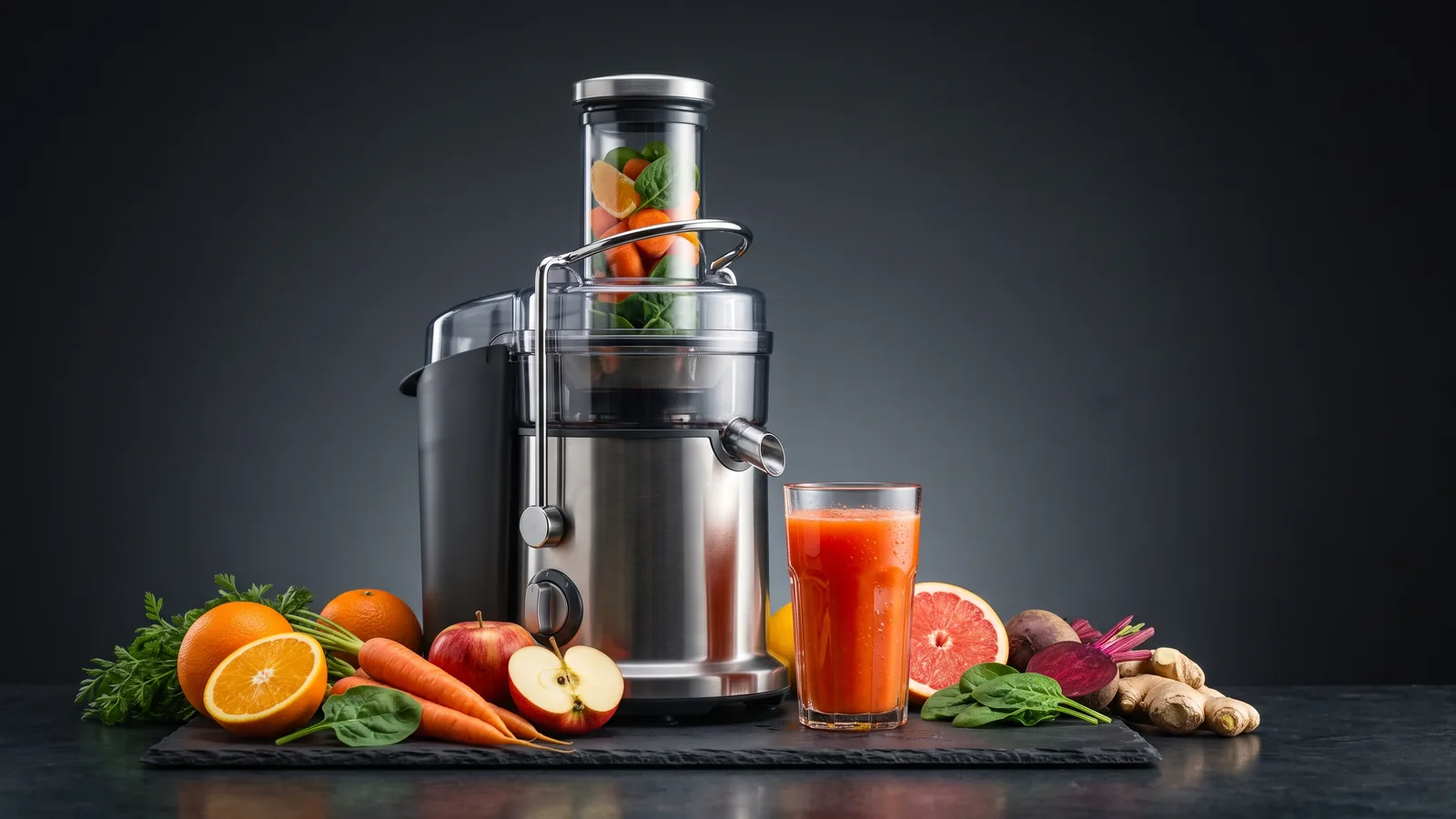
Juicers
A complete, data-grounded guide to juicers — cold-press (slow) versus centrifugal designs, stainless-steel and plastic-free options for people who care what their juice touches, juicer versus blender, and which models earn the best marks from verified buyers. Buying guides and explainers come first; ranked picks and comparisons follow as review data is gathered and analyzed.
How they work
Buying guides and explainers — start here if you are new to the category.
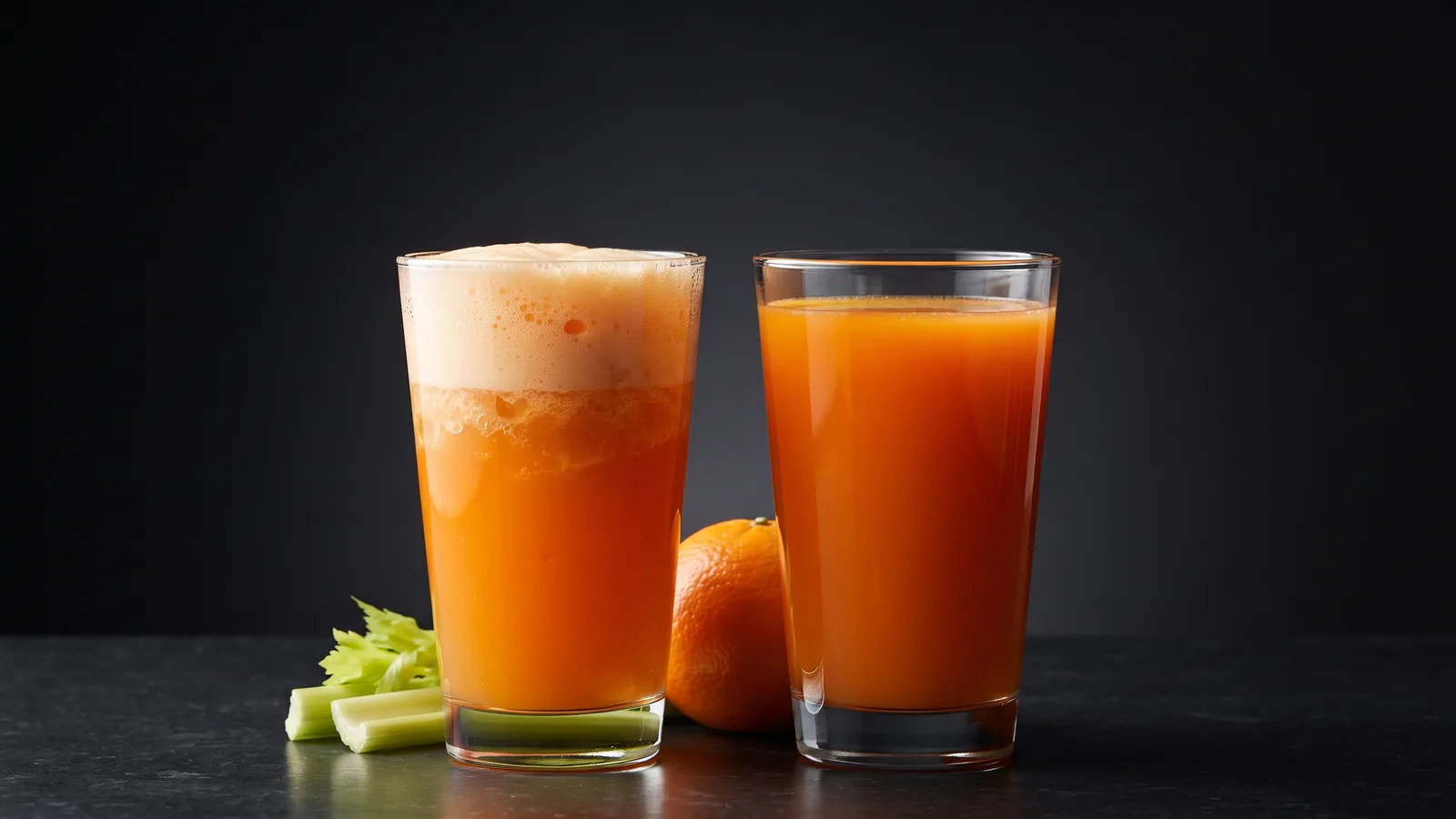
Centrifugal vs. Cold-Press Juicers: How They Differ
Centrifugal juicers shred produce against a fast spinning blade — quick, cheap, and easy to feed, but foamier and lower-yield. Cold-press (slow, masticating) juicers crush and squeeze slowly — more juice, less foam and oxidation, better with greens, but slower to use and clean. Here's exactly how the two designs differ, which one suits how you actually juice, and where a blender fits in.
Read →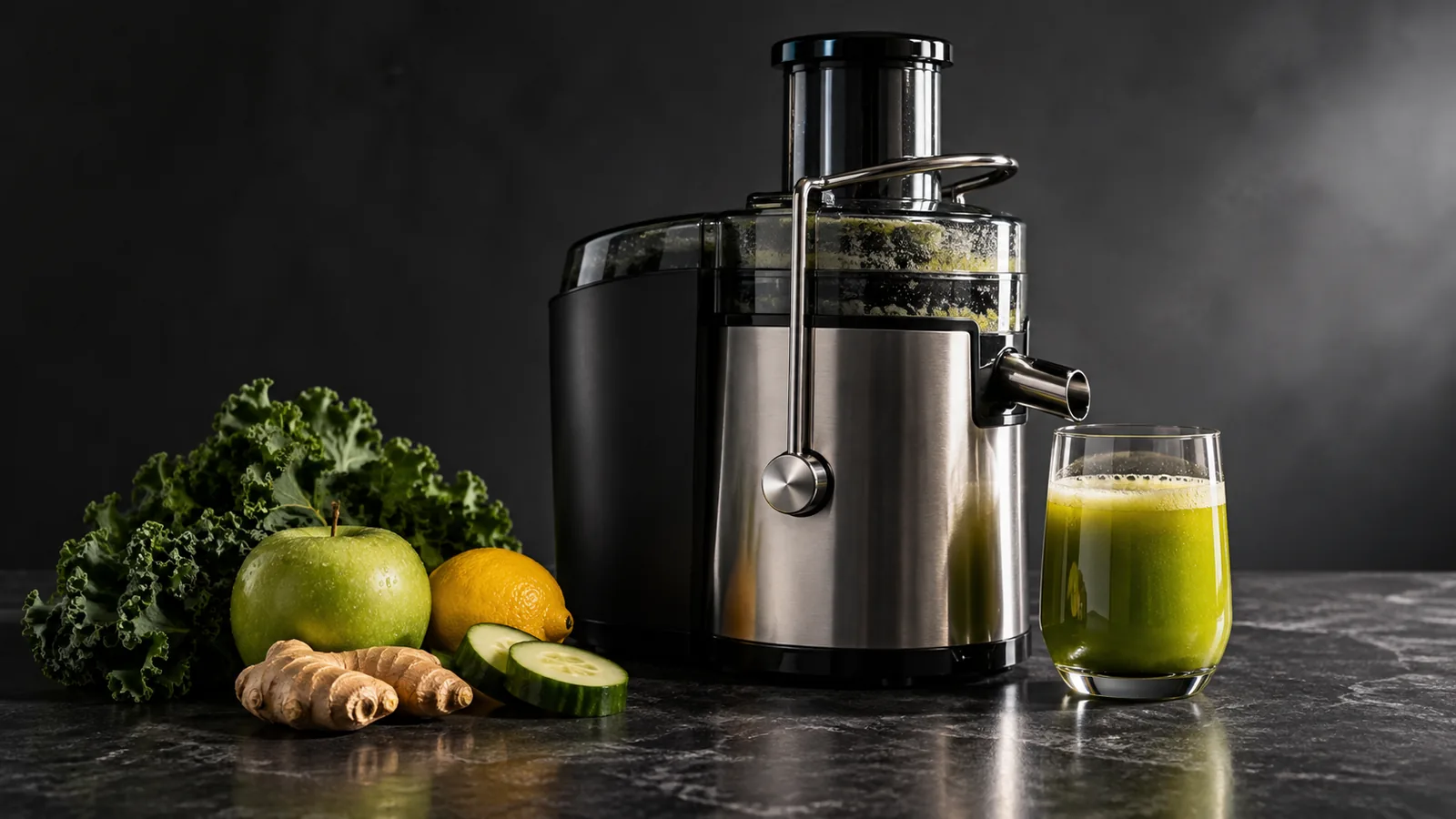
How to Choose a Juicer: Type, Yield & Cleanup
Four decisions settle which juicer to buy: the type (centrifugal for speed and price, cold-press for yield and quality), what you'll actually juice (hard produce and citrus vs leafy greens), how easy it is to clean — the single biggest reason juicers get abandoned — and the materials that touch your juice. Get those right and the specific model almost picks itself.
Read →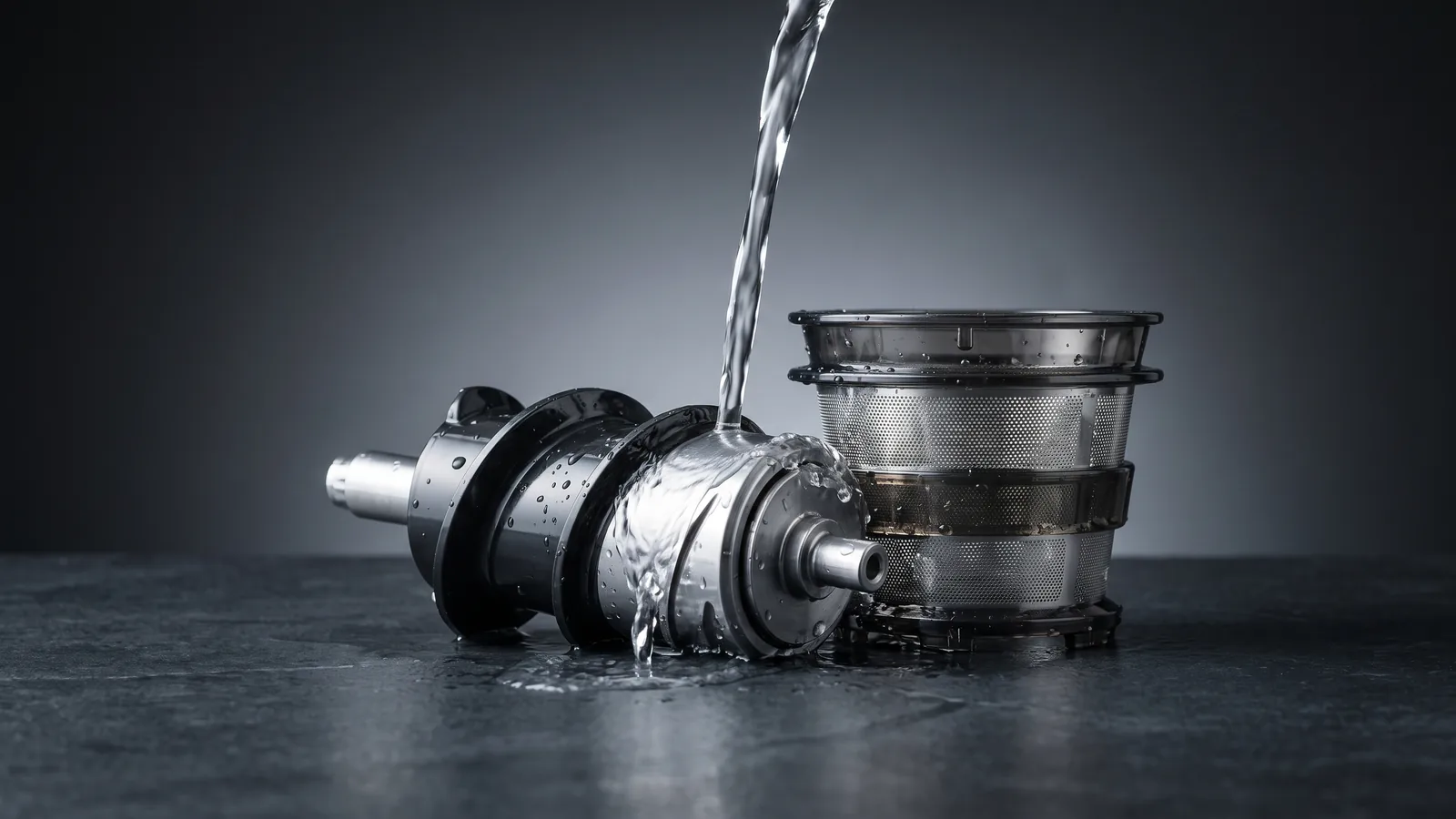
How to Clean a Juicer (Fast) — and Keep It Unclogged
Cleanup is the single biggest reason juicers end up in a cupboard, but it takes about two minutes if you do it right and do it immediately. The trick is to rinse and brush the parts the moment you finish — before pulp dries and cements into the mesh screen — and to know the one part (the screen) that actually needs the brush. Here's the fast routine, how to rescue a clogged screen, and why an easy-clean machine is worth choosing up front.
Read →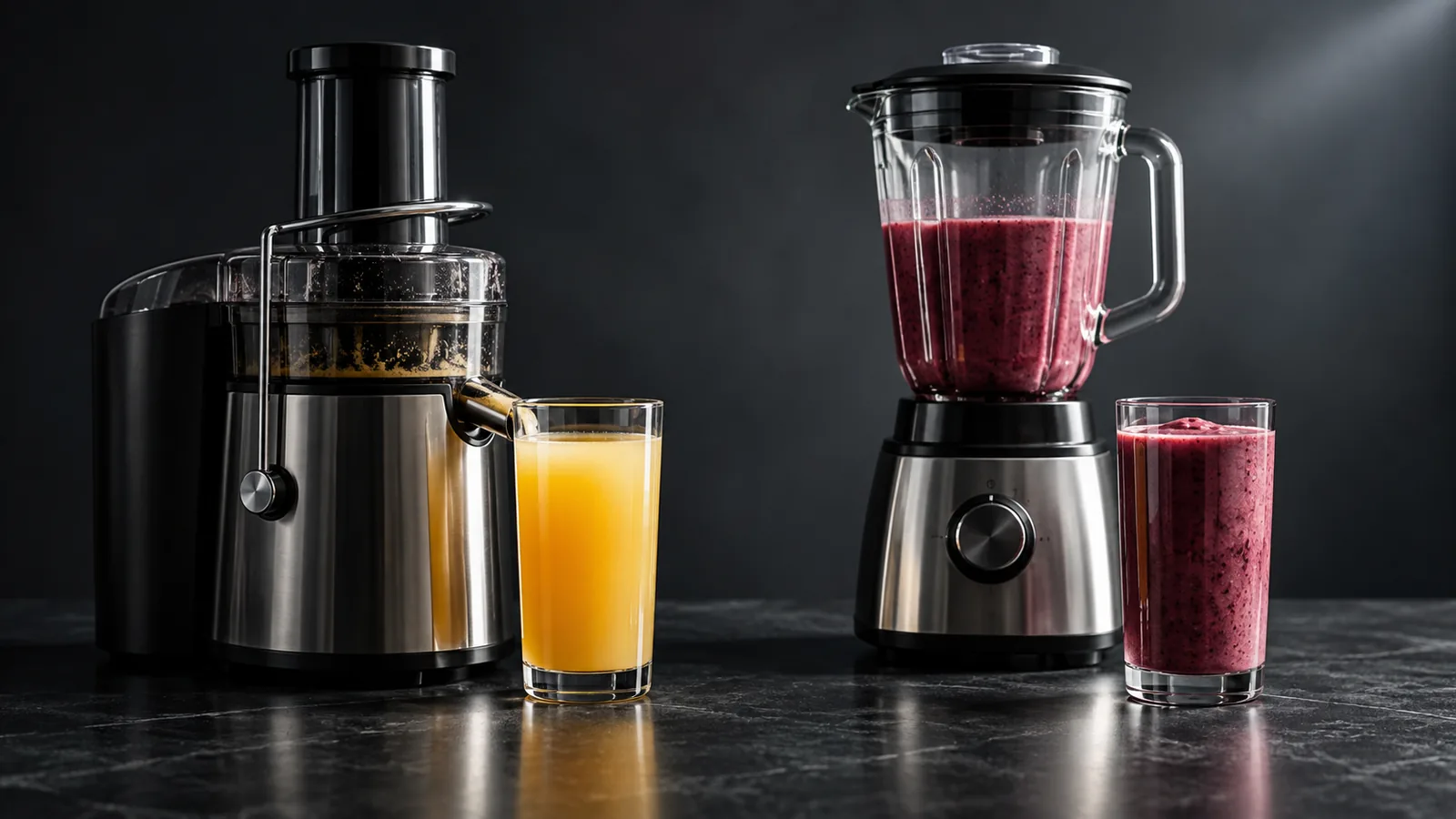
Juicer vs. Blender: Which One Do You Actually Need?
A juicer separates and discards the fiber to give you a concentrated liquid; a blender keeps the whole fruit or vegetable, fiber and all, as a thicker smoothie. Neither is 'healthier' in the abstract — they make different things. Here's what each actually does, who each one suits, whether you can juice in a blender, and how to decide if you can only buy one.
Read →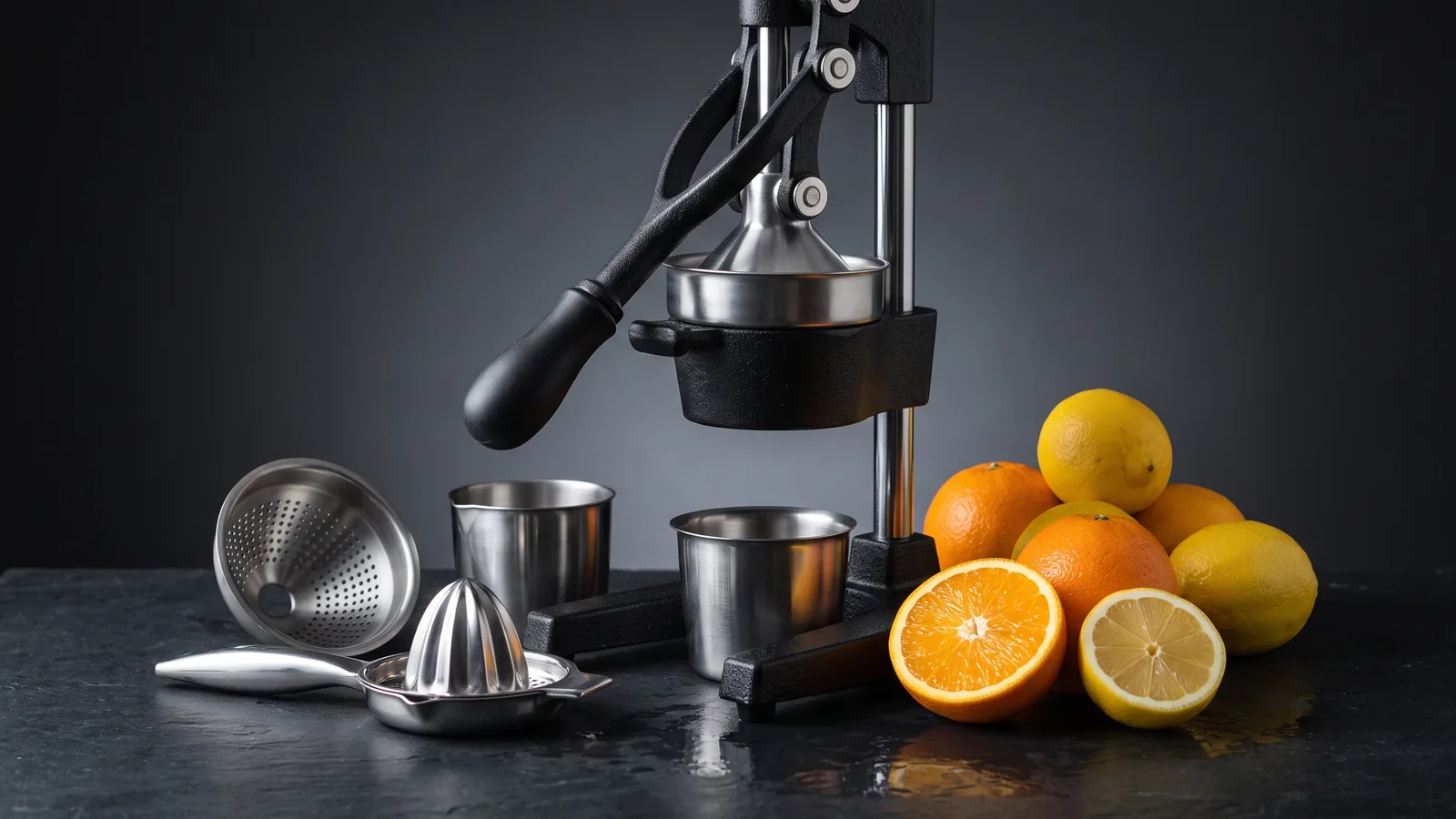
Non-Toxic & Plastic-Free Juicers: What to Look For
Most electric juicers have some plastic in the juice path, and the worry that drives these searches is what that plastic is and whether it's BPA-free. The honest picture: reputable juicers today generally use food-grade, BPA-free plastics, so a new machine from a known brand is designed to be safe — but if you want to minimize plastic contact entirely, the clearest routes are a cast-iron or stainless-steel citrus press and cold-press machines built with stainless augers and screens.
Read →
The complete ranking
The definitive guide across the full category.