The two designs, in one minute
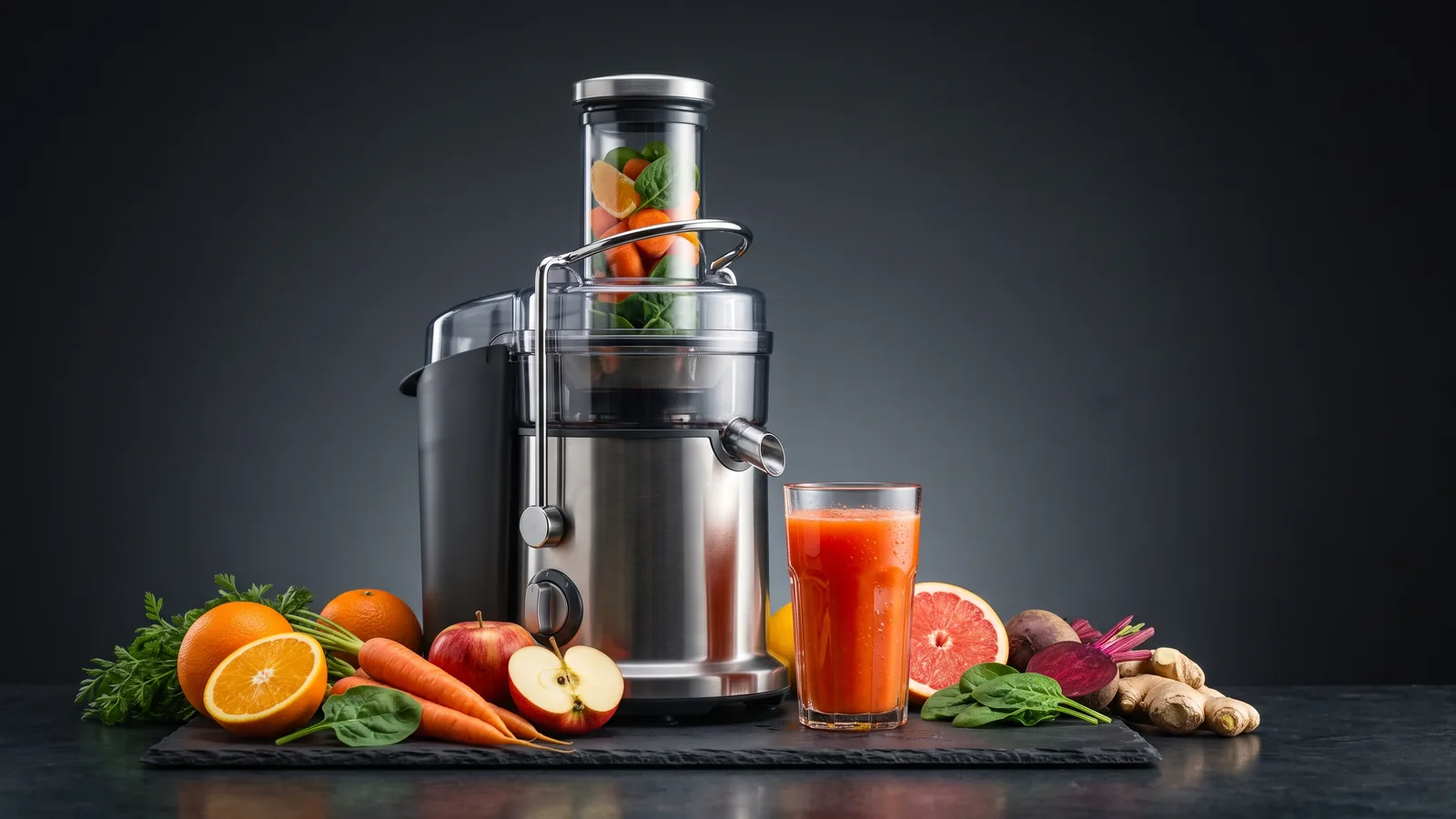
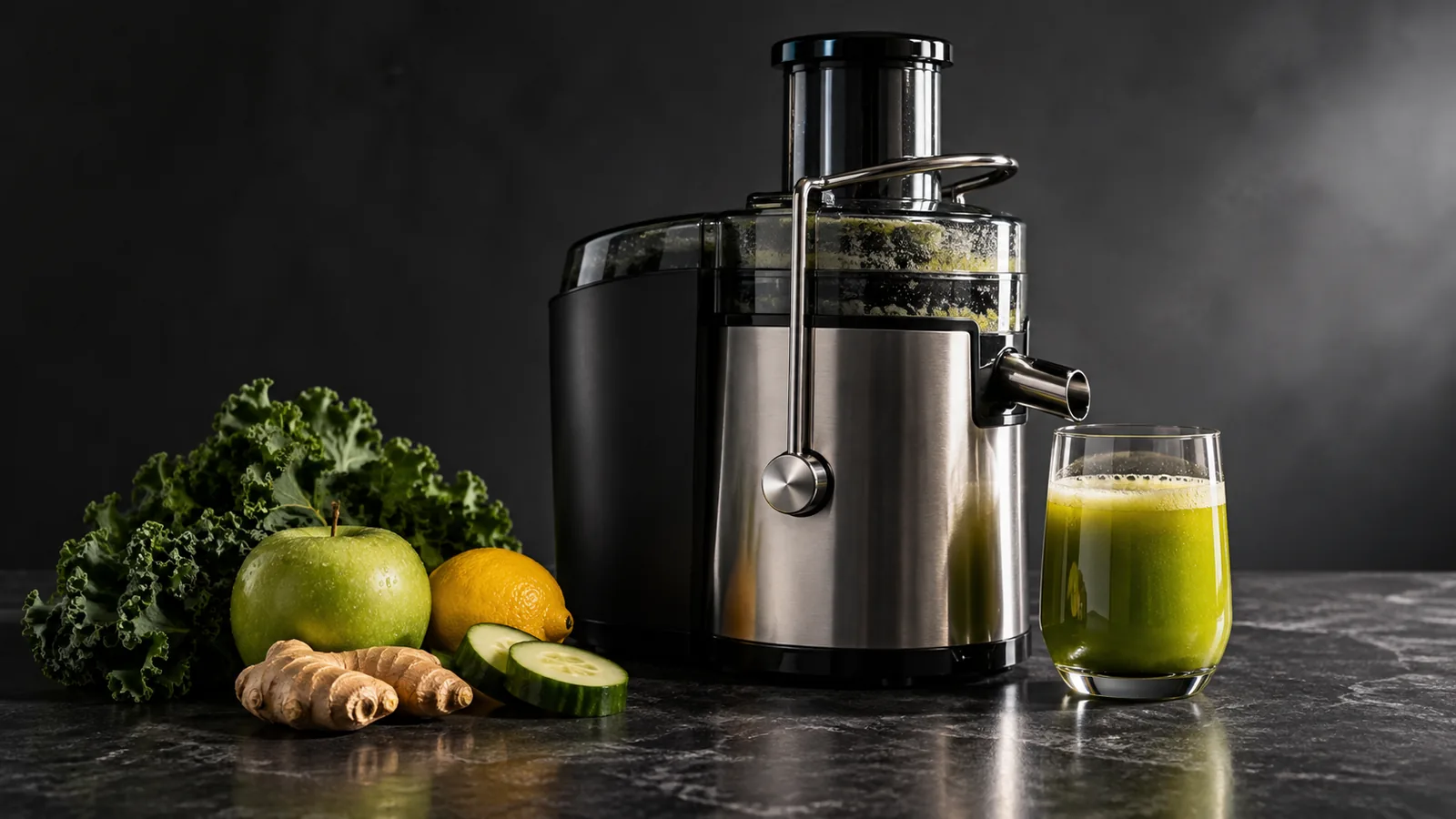
- Centrifugal: a flat blade spins produce at high speed against a mesh basket, and centrifugal force throws the juice out through the mesh. Fast, forgiving, and inexpensive.
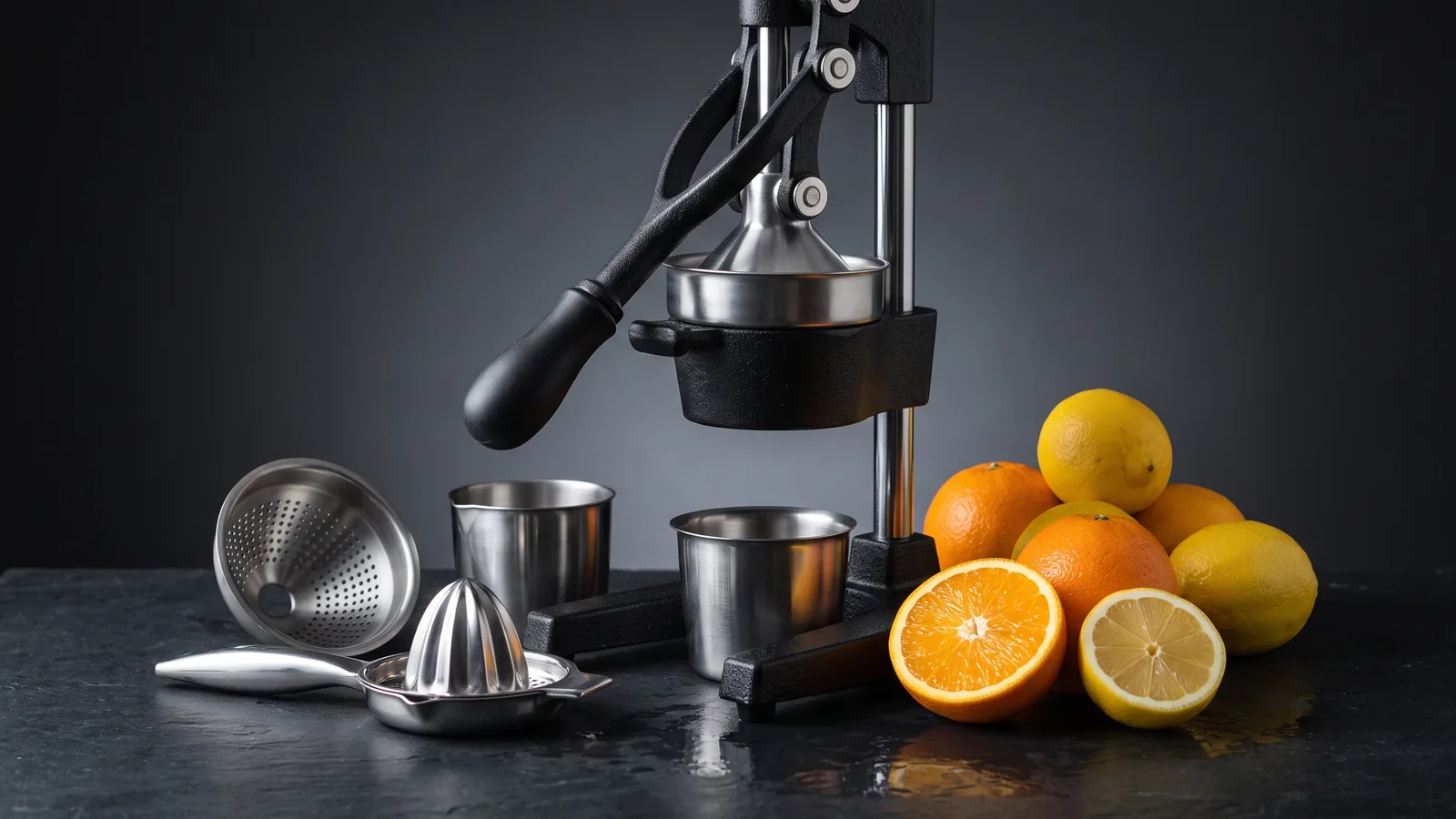
- Cold-press (slow / masticating): a slow-turning auger crushes and squeezes produce against a screen, pushing juice through while the dry pulp exits separately. Slower, gentler, higher-yield.
“Cold press,” “slow,” and “masticating” all describe the same second type — the name just emphasizes the low heat and low oxidation of the slow process.
Where they actually differ
- Juice yield: cold-press extracts more juice from the same produce, especially leafy greens; centrifugal leaves more moisture in the pulp.
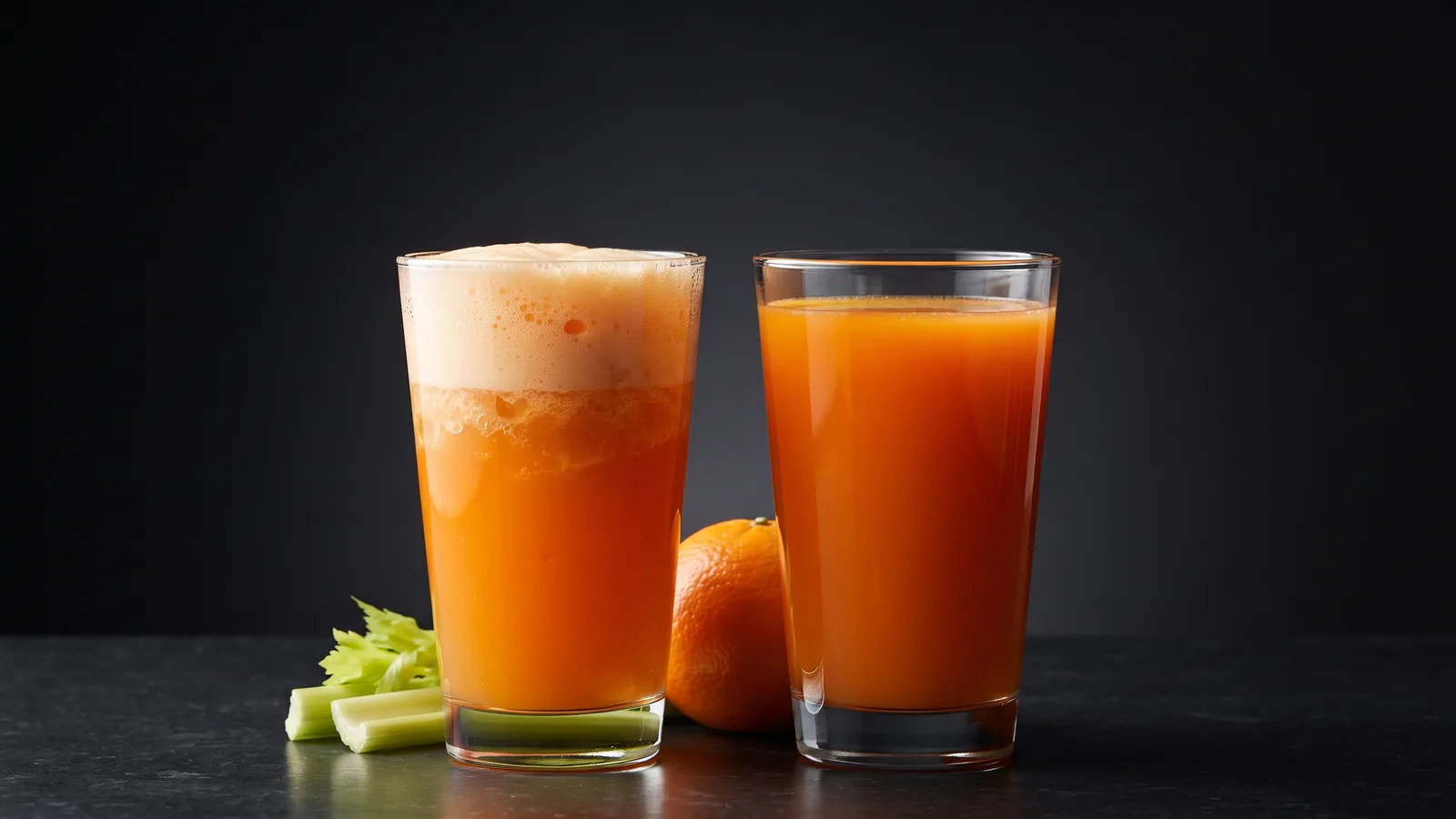
- Foam and oxidation: the high-speed blade whips in air, so centrifugal juice foams more and oxidizes faster; cold-press juice is smoother and keeps a little longer.
- Speed: centrifugal wins decisively — seconds per glass, with wide chutes that swallow whole produce. Cold-press is slower to feed.
- Noise: centrifugal is loud; cold-press is quiet.
- Greens: cold-press handles kale, spinach, and wheatgrass well; most centrifugal machines struggle with them.
- Price: centrifugal is usually cheaper; cold-press costs more, climbing to premium at the top.
- Cleanup: varies by model more than by type, but it’s the single most common reason a juicer gets abandoned — check a specific machine’s reputation before buying.
Which one should you buy?
If you juice occasionally, mostly do hard fruit and vegetables, and want to spend less — a centrifugal machine is the practical pick. If you juice regularly, care about yield and taste, or juice a lot of leafy greens — a cold-press machine is worth the extra money and the slower feed, provided the model you choose is known for easy cleanup.
That last condition is the catch. Slow juicers win on juice but historically lose on convenience — clogging and fiddly cleanup are what push people to give up. The pick below is the cold-press machine built specifically around those complaints, and the top pick in our best juicers guide.

Ninja NeverClog Cold Press Juicer
The cold-press juicer that answers the usual objections to slow juicers. You get the higher yield and lower foam and oxidation of a masticating machine, but it's engineered against the two things owners complain about most — clogging and slow cleanup — and its large, well-rated owner base bears that out. It costs more than a basic centrifugal machine and feeds more slowly, but if you want cold-press juice quality without the cold-press hassle, it's the one to start with.
Prime Day Amazon Prime Big Deal Days is on — a good time to check the live price.
Check current price on AmazonWhat buyers praise
- Cold-press yield and low foam without the usual clogging
- Easier cleanup than most slow juicers — the deciding factor
- Large, well-rated owner base at a mainstream price
What buyers flag
- Costs more than a basic centrifugal machine
- Slower to feed than a wide-chute centrifugal juicer
Juicer or blender?
A different question people ask in the same breath: should you juice or blend at all? A juicer separates and discards the fiber, giving a concentrated liquid that’s easy to drink in volume. A blender keeps the whole fruit or vegetable, fiber included, making a thicker smoothie and doubling as a tool for soups, sauces, and dips.
Neither is “healthier” in the abstract — they make different things. Want pure juice and a lot of it? A juicer. Want to keep the fiber, or one appliance that does more? A blender. Plenty of people who are serious about produce own both.
The bottom line
The type decision comes down to a simple trade: centrifugal buys you speed and a lower price; cold-press buys you yield, less foam, and better greens. Match it to how often you’ll actually juice and what you’ll put through the machine — then, whichever type you pick, weight your choice toward a model known for easy cleanup, because that’s what decides whether a juicer gets used or shelved.