Air Fryers
A complete, data-grounded guide to air fryers — how they actually work, what size to buy for your household, how an air fryer compares to an oven, what you can and cannot cook in one, and how to keep it clean. Buying guides and explainers come first; ranked picks and comparisons follow as review data is gathered and analyzed.
How they work
Buying guides and explainers — start here if you are new to the category.
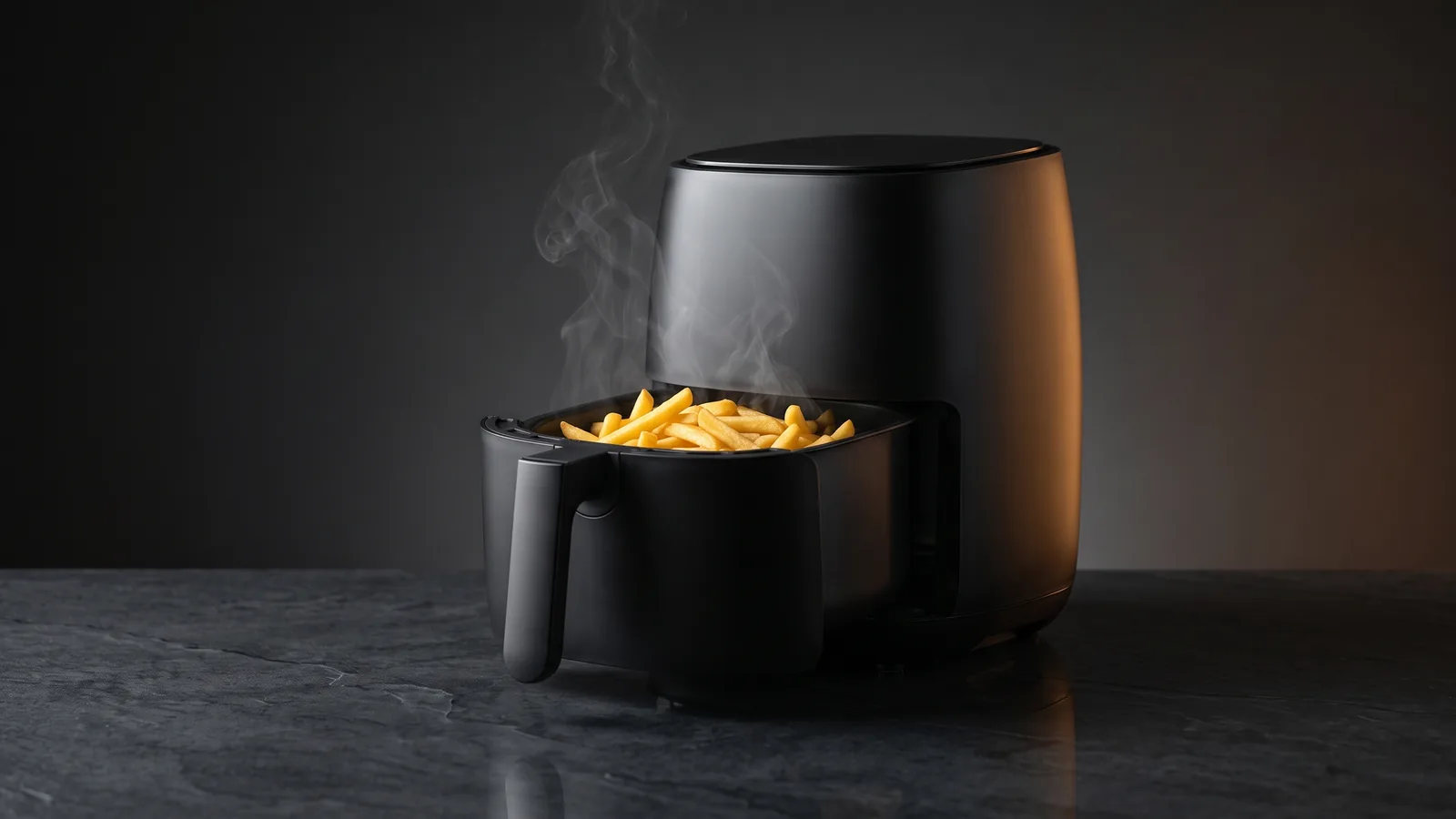
Air Fryer Buyer Report 2026: What 4,381 Owner Reviews Reveal
We analyzed 4,381 verified owner-review mentions across 8 of the most-reviewed air fryers to find what buyers consistently praise and criticize. The headline is unusual: this is an 'it just works' category. Crisping is a solved problem — frying quality was the single most common standout strength — and there is no dominant complaint. The only real fault line is size: buyers who mismatch the capacity to their household are the ones who end up unhappy.
Read →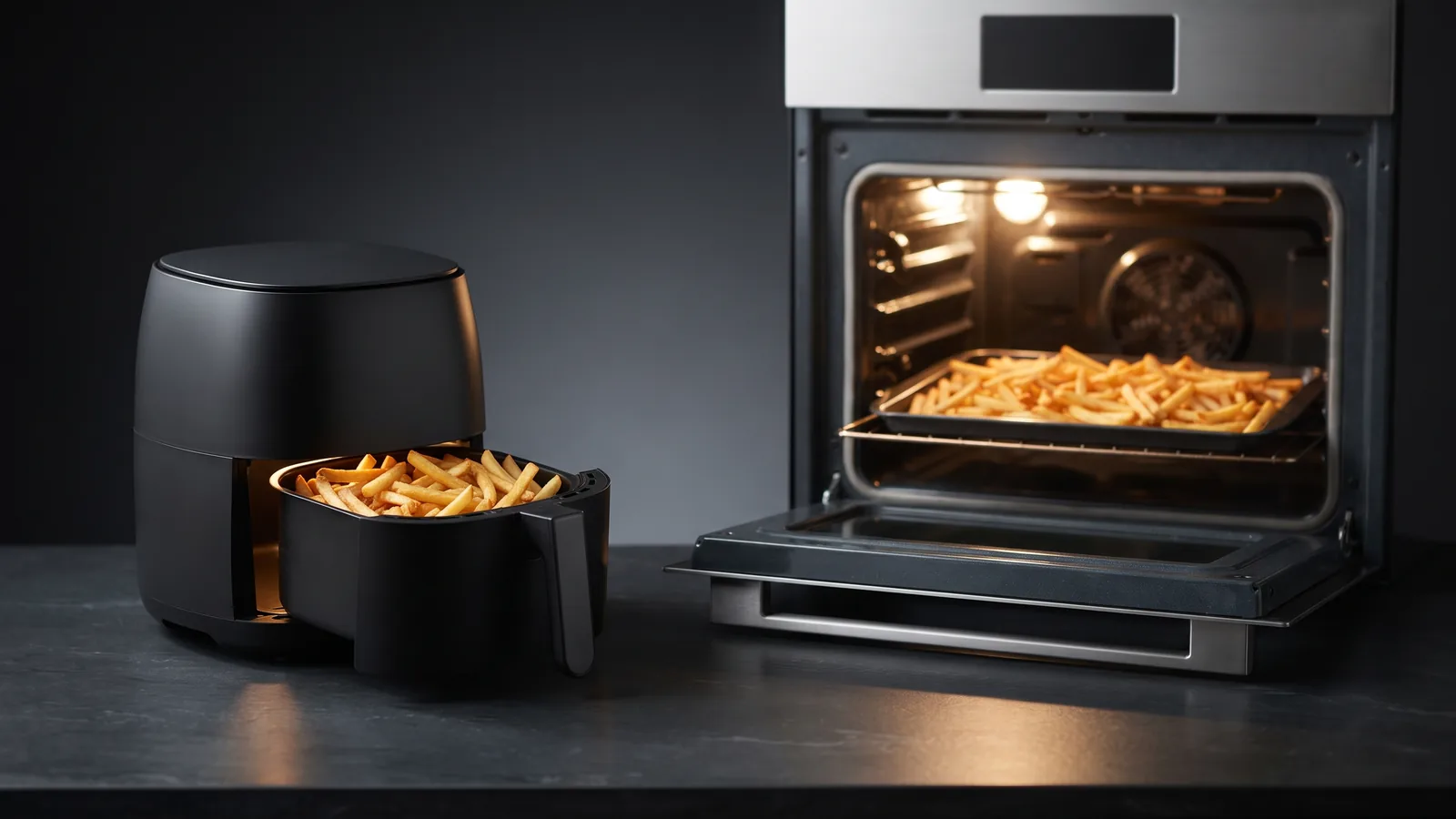
Air Fryer vs Oven: When the Small Box Actually Beats the Big One
An air fryer and a convection oven work the same way — a fan moving hot air — so the real difference is size. The air fryer's small chamber and strong fan preheat fast and crisp small batches better; the oven wins on capacity and even, gentle cooking. If you cook for one or two and crave crispy, the air fryer earns its counter space; if you cook big batches or full meals, the oven still rules. Many kitchens keep both.
Read →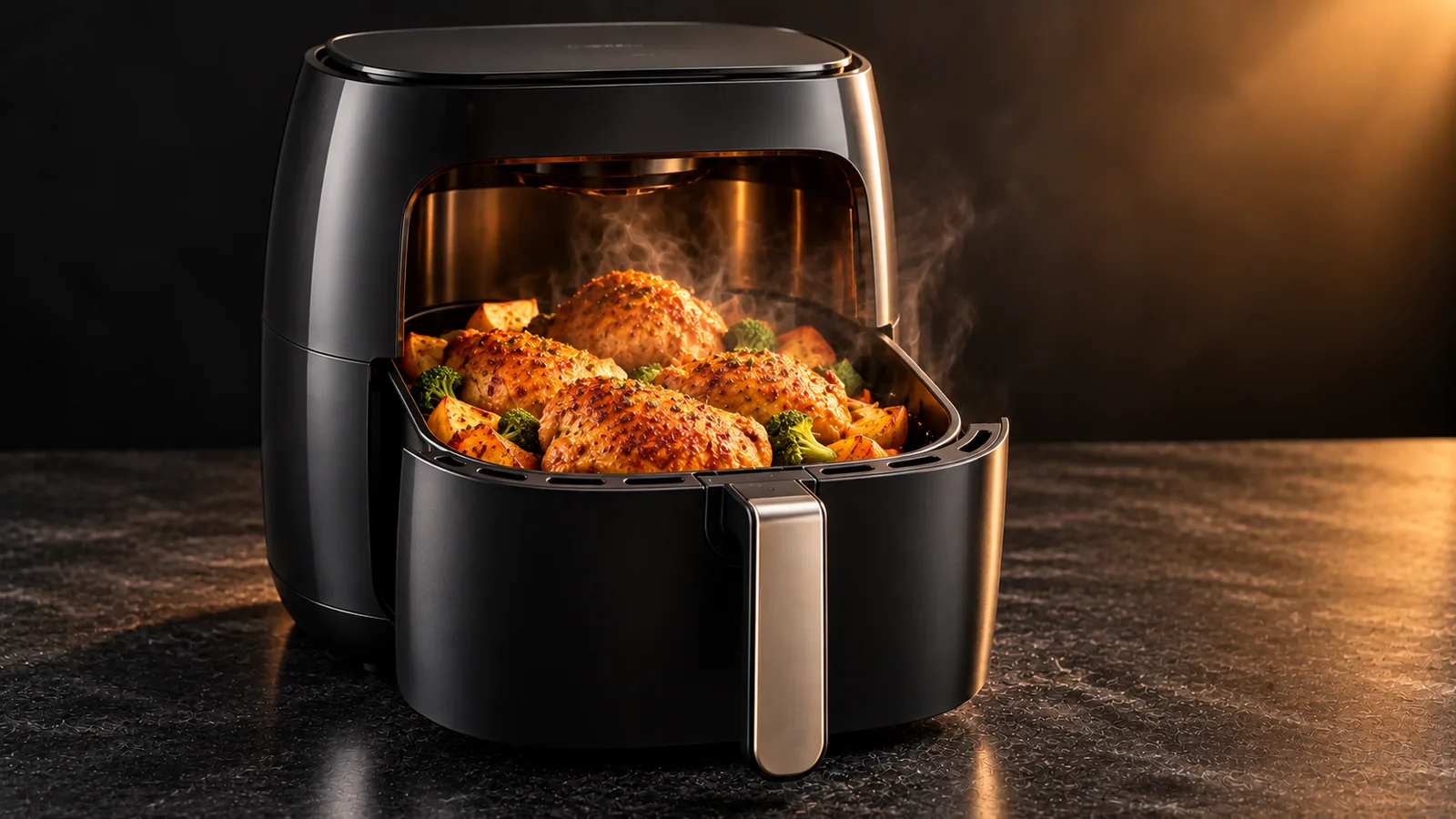
How Does an Air Fryer Work? The Mechanism, Explained
An air fryer doesn't fry — it's a small, powerful convection oven. A heating element and a fan blast hot air (up to about 400°F) around food at high speed, crisping the surface the way frying does but with little or no oil. The compact chamber and strong fan are why it crisps faster and browns better than a full-size oven for small batches. Understanding that it's rapid hot-air circulation, not oil, explains what it's great at and where it struggles.
Read →How Long Do Air Fryers Last? What Owner Reviews Show
Owner reviews cannot give an average lifespan, but they show when air fryers fail. Across 44 air fryers, 60% of the failure complaints that give a timeframe say months, and 34% say a few years. On basket models, three in four dated failures come within months. A frequent fault is a unit that stops heating.
Read →How to Choose an Air Fryer: Type, Size, Basket and Reliability
Choose an air fryer in this order: type, then size, then basket material, then controls. Type matters most: across 44 air fryers we analyzed, basket models drew about five and a half times as much praise as complaint, and oven-style models under two. Then size up, because owners complain that an air fryer is too small about twice as often as too large.
Read →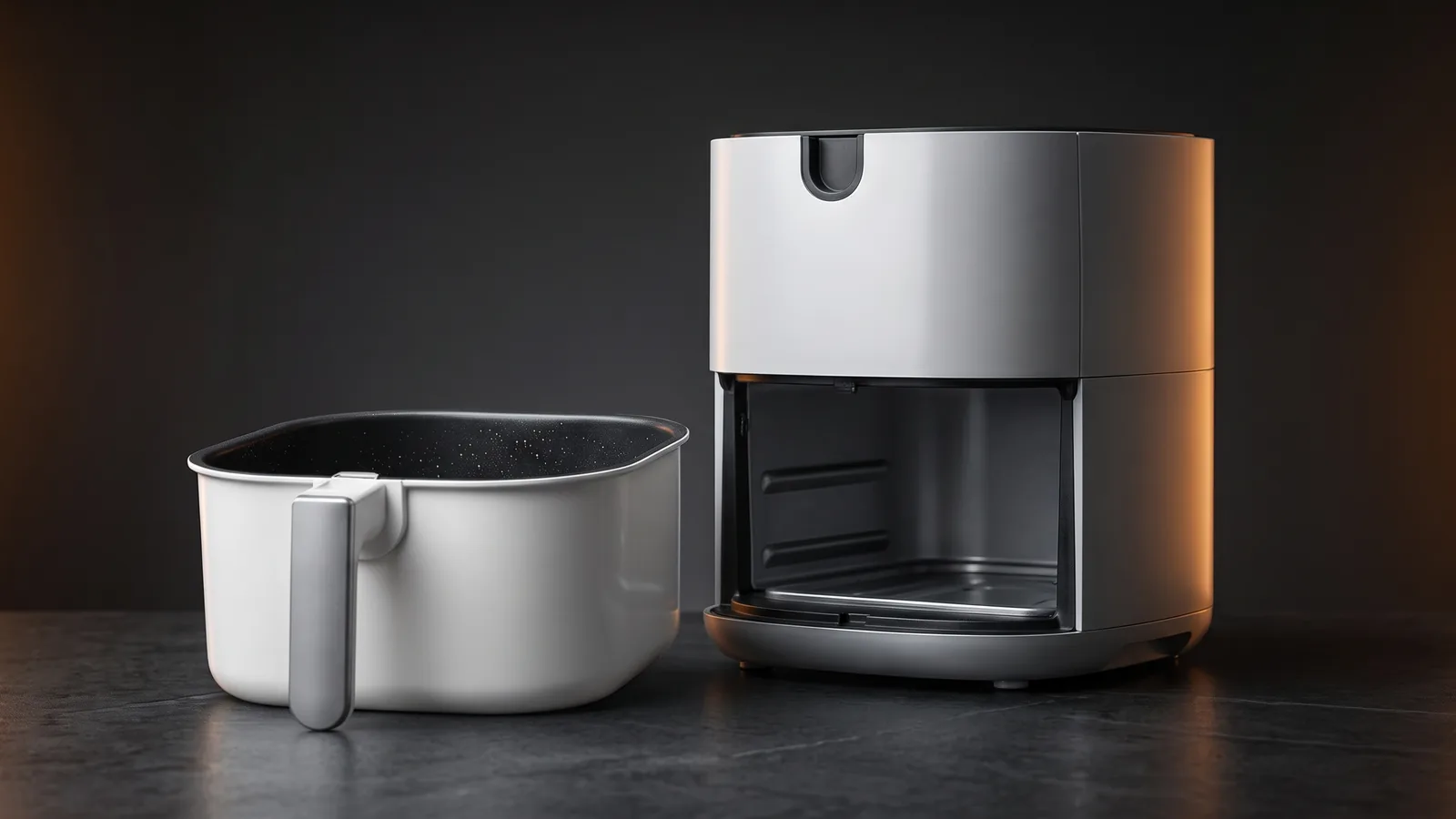
How to Clean an Air Fryer (Without Ruining the Nonstick)
Cleaning an air fryer is quick if you do it often: wash the basket and tray in warm soapy water after each use, wipe the heating element and interior when cool, and deal with baked-on grease with a paste of baking soda, not metal scourers. The two mistakes that ruin air fryers are letting grease bake on until it smokes, and scrubbing the nonstick with abrasives. A soft brush and a light touch keep it working for years.
Read →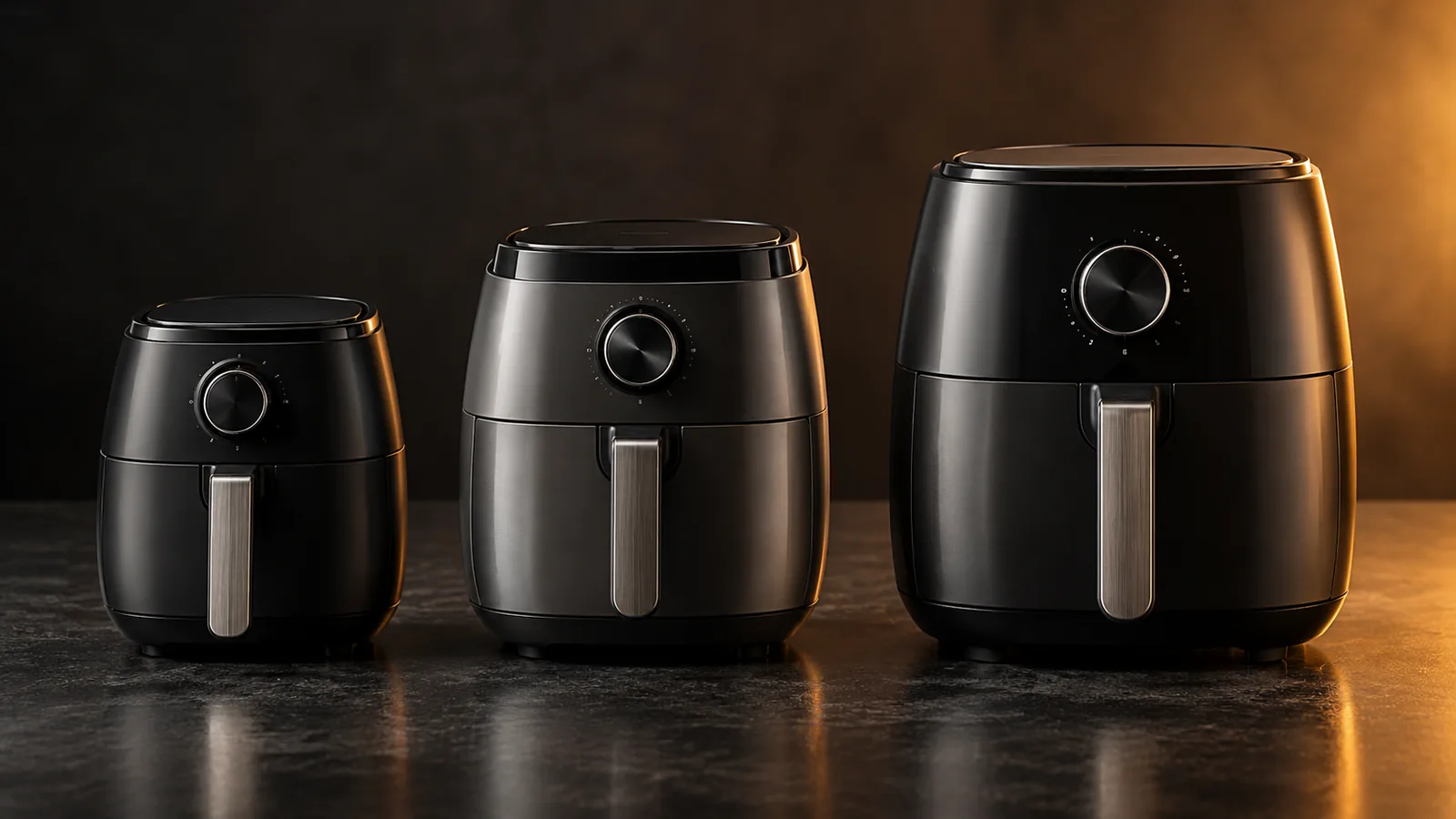
What Size Air Fryer Do I Need? Quarts by Household (2026)
Air fryers are measured in quarts, and the right size follows your household: 2–3 qt for one person and snacks, 4–5 qt for one or two people (the most popular size), 5.5–6 qt for couples and small families (it fits a whole chicken), and 8 qt or a dual-basket for families and batch cooking. The most common regret is buying too small, because the usable space is less than the number on the box.
Read →
Best for specific uses
Ranked picks for each use case, grounded in verified buyer review data.
The Best Air Fryer Toaster Ovens (and the Ones to Skip)
The best air fryer toaster oven is the Breville Smart Oven Air Fryer Pro if you want it to replace your oven for most cooking, and the Cuisinart Air Fryer Toaster Oven if you want the same idea for less. Short on counter space? The Ninja Digital Air Fry Oven flips up against the wall. We do not have a budget pick: the low-priced models we analyzed drew too many overheating reports.
Read →
The Best Air Fryers, Chosen by Size and Kitchen
The best air fryer for most kitchens is the Cosori TurboBlaze 6-quart: by far the largest owner record of any air fryer we analyzed, and the most favorable. For families, the Ninja Foodi DualZone; for one or two people, the Ninja AF101; for a countertop oven that also air fries, the Breville Smart Oven Air Fryer Pro. Owners rarely fault how an air fryer cooks; they fault the size they chose and units that fail early.
Read →The Best Large Air Fryers (8 to 10 Quarts) for Families
The best large air fryer for most families is the Ninja Foodi 8-quart DualZone: two baskets, a very deep owner record, and the strongest feedback of any big air fryer we analyzed. For one big basket instead of two, the Chefman 9-quart TurboFry. The honest tradeoff with every large air fryer is the counter space it takes — size is the top complaint across the group.
Read →The Best Non-Toxic Air Fryers: Ceramic, Glass, and Stainless Options
The thing that makes an air fryer non-toxic is the surface your food touches at 400 degrees. PTFE (Teflon) nonstick is the coating buyers want to avoid; the alternatives are PFAS-free ceramic, glass, and stainless steel. The Cosori TurboBlaze leads with a PFAS-free ceramic basket owners find easy to clean; the Cuisinart glass-basket model goes further with no coating at all.
Read →The Best Small Air Fryers (2 to 4 Quarts) for One or Two People
The best small air fryer is the Ninja AF101 4-quart: a very deep owner record and the strongest feedback of the well-established compact models. If you want one person's worth and nothing more, the Chefman 2-quart Mini. But be honest about size first: on the 2-quart models, being too small is the complaint owners raise most, so a 4-quart is the safer choice for most small kitchens.
Read →
The complete ranking
The definitive guide across the full category.
The Best Air Fryers in Ireland (2026)
The air fryer most homes in Ireland and the UK buy is the Ninja Foodi MAX Dual Zone — two independent baskets that cook two foods at once and finish together, on one of the largest, best-rated owner bases. This guide ranks the best air fryers you can actually buy in Ireland: a big dual-zone, a flexible convertible, a compact value pick, and a simple single-basket.
Read →The Best Dual Drawer Air Fryers in Ireland (2026)
A dual drawer air fryer has two independent baskets, so you cook a main and a side at different temperatures and finish them together — no more cooking in rounds. It's the format most Irish and UK families now buy. This guide ranks the best dual drawer models you can get in Ireland: the best overall, a space-saving stacked design, a value pick, and a convertible that turns two drawers into one big space.
Read →