How Does an Air Fryer Work? The Mechanism, Explained
Noolaguide Editorial·Last updated
Disclosure: As an Amazon Associate, Noolaguide earns from qualifying purchases — we may earn a commission when you buy through links on this page, at no extra cost to you. Our recommendations are editorially independent. How we make money.
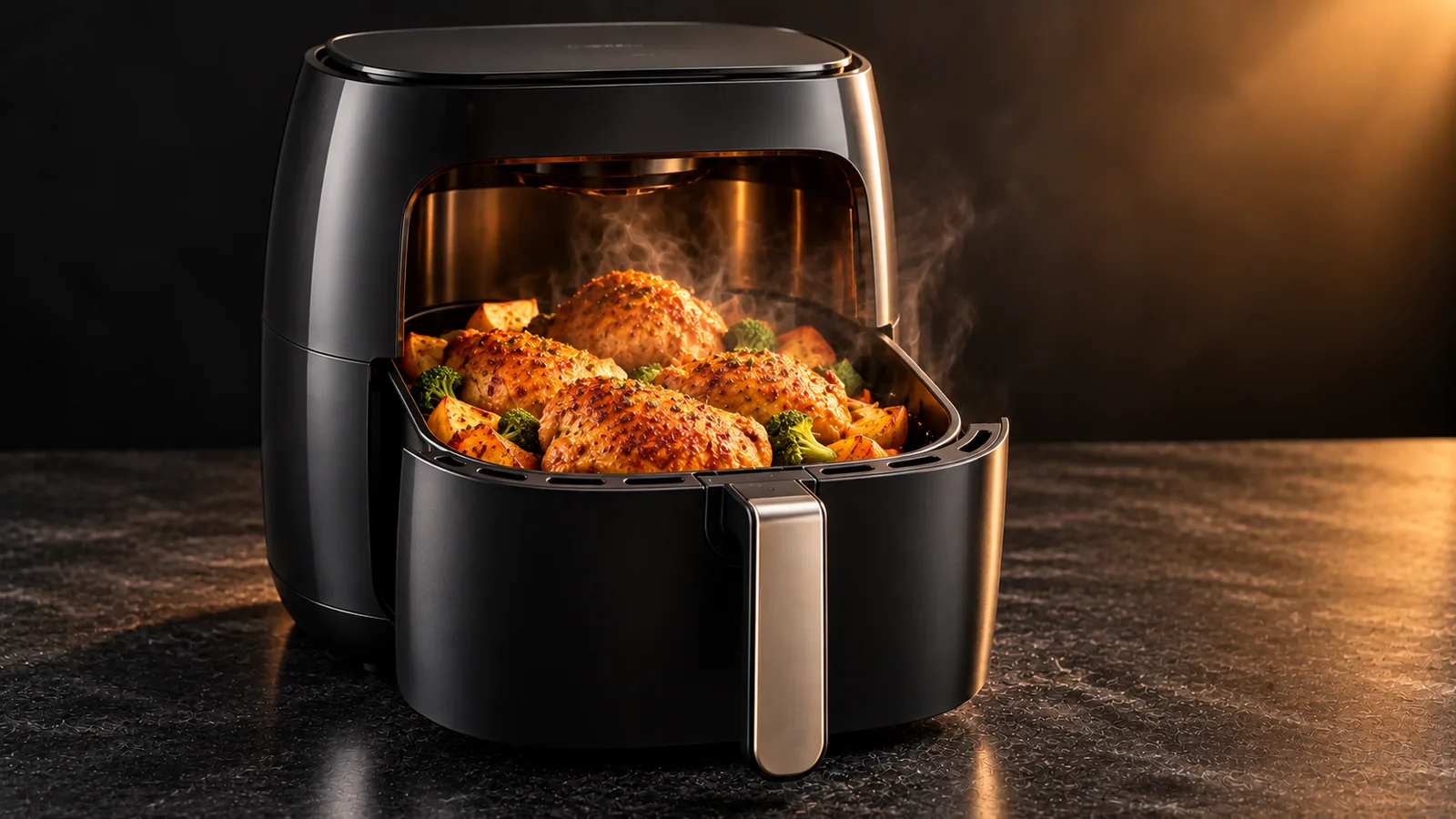
An air fryer doesn't fry — it's a small, powerful convection oven. A heating element and a fan blast hot air (up to about 400°F) around food at high speed, crisping the surface the way frying does but with little or no oil. The compact chamber and strong fan are why it crisps faster and browns better than a full-size oven for small batches. Understanding that it's rapid hot-air circulation, not oil, explains what it's great at and where it struggles.
An air fryer’s name is marketing. There is no frying and no oil bath. Inside is a heating element and a fan, and the whole trick is that the fan moves hot air around the food fast, in a small space. That rapid circulation strips away the cool, moist layer that clings to food and drives heat into the surface, so it browns and crisps — the same result as frying, by a completely different mechanism.
What happens when you cook
The element heats the air to the set temperature (most top out around 400°F / 200°C).
The fan blasts that air around the food at high speed, from all sides.
The surface dries and browns via the Maillard reaction — the chemistry behind the golden, crisp crust on fried and roasted food.
Fat renders and drips away through the perforated basket, which is why air-fried foods end up lower in oil than deep-fried ones.
The compact chamber matters: because the space is small and the airflow strong, the hot air stays concentrated right around the food, so it preheats quickly and crisps efficiently. See all our air fryer guides.
Why it crisps without oil
Deep-frying crisps by surrounding food in hot oil. An air fryer gets a similar crust because fast, dry, hot air does the same job of driving off surface moisture and browning — oil is optional. A light spray helps drier foods (fresh-cut fries, vegetables) brown and taste better, but naturally fatty foods crisp with none. You use a fraction of the oil deep-frying needs, which is the whole appeal.
It’s a convection oven in a small box
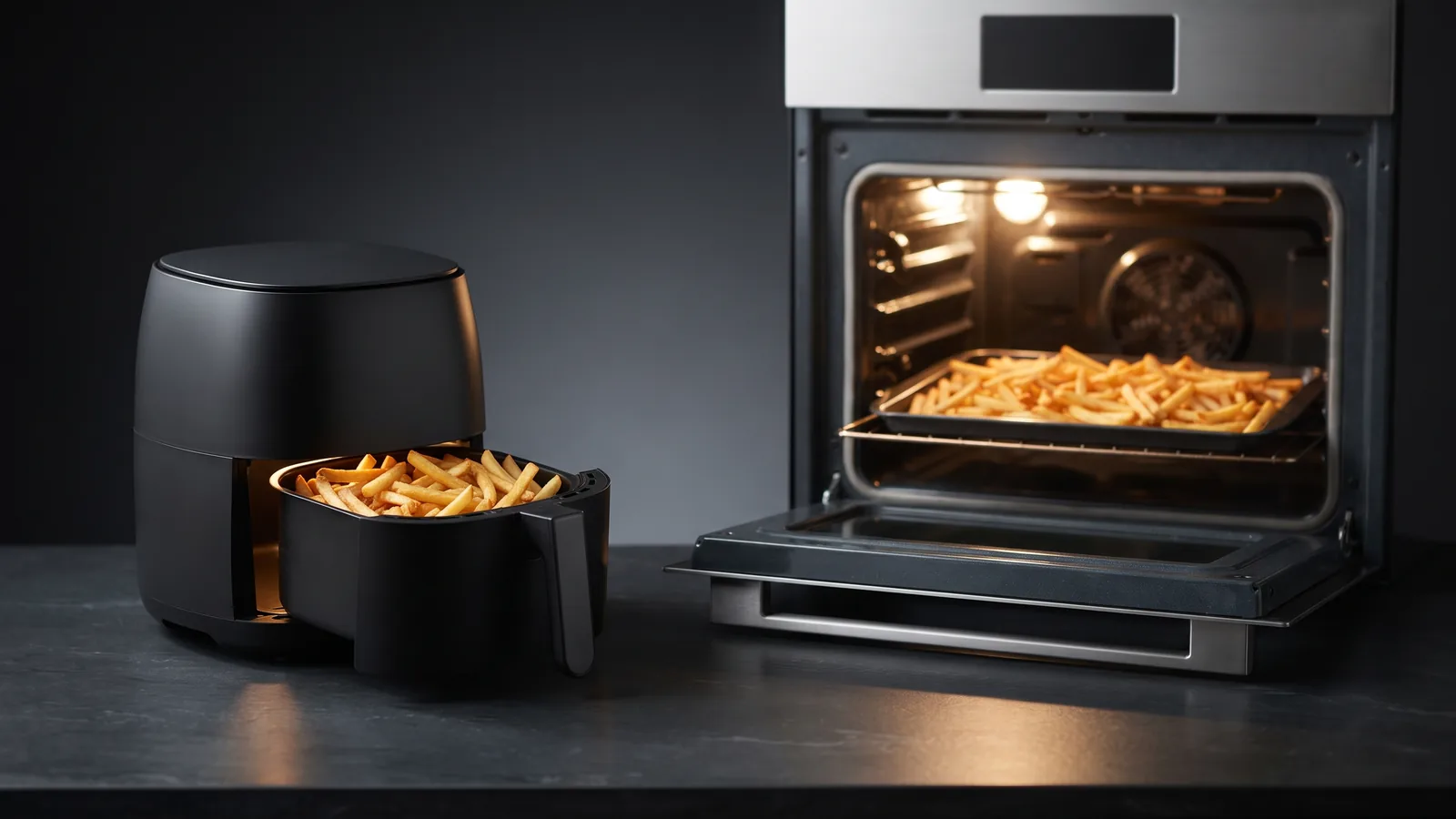
Mechanically, an air fryer is a convection oven — a fan-assisted oven — shrunk down with a stronger fan. That proportion is the point: a small chamber plus powerful airflow preheats fast and concentrates heat on a single batch, so it out-crisps a big oven for small amounts. A full-size convection oven works the same way on a larger scale, with slower preheat and less concentrated airflow per tray.
What it’s great at — and what it isn’t
Great at: crisping frozen foods, roasting vegetables, cooking wings and chicken pieces, reheating leftovers to crispy (not soggy), and small-batch “fried” textures with little oil.
Struggles with: wet batters (they blow around before setting), large roasts or whole birds (won’t fit or cook evenly), big batches (small basket), and delicate or saucy dishes that need gentle, even heat. Match the food to dry, fast, hot air and it excels; fight that and a regular oven is better.
Where to go next
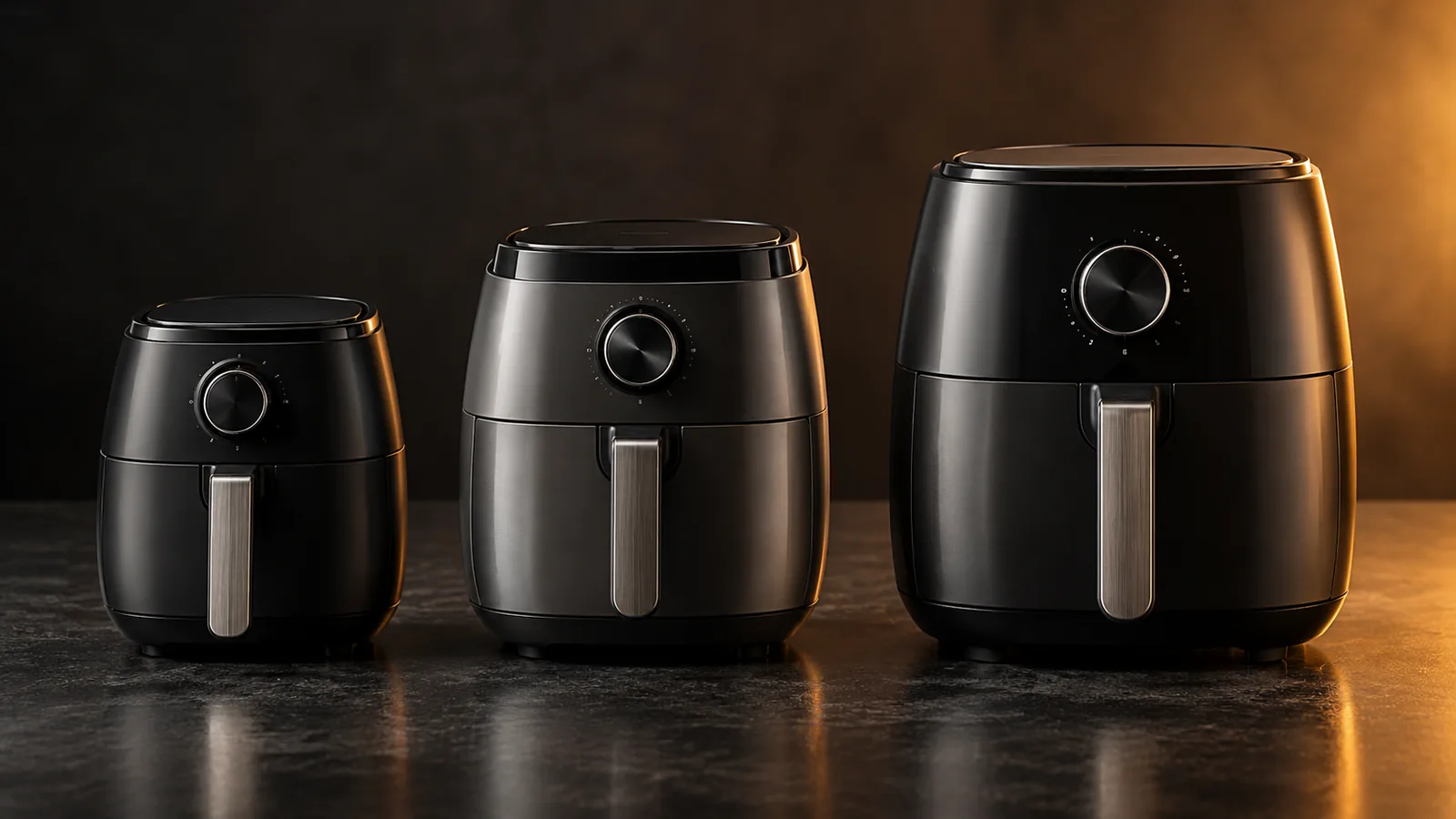
More air fryer guides — what size to buy, how it compares to an oven, and how to keep it clean — are in the air fryer guide hub.
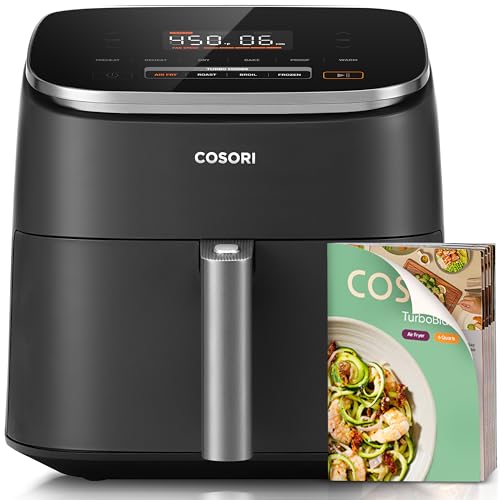
The air fryer to buy for most kitchens. It has by far the largest owner sample of any air fryer we analyzed, and the most favorable: praise outweighs complaints by more than fifteen to one. Frying quality leads the praise, then easy cleaning and ease of use. Six quarts suits one to three people, and the basket has a ceramic coating marketed as PFAS-free. The complaints are few: size, in both directions, then cleaning the basket, and a small number of units that stopped heating.
Prime DayAmazon Prime Big Deal Days is on — a good time to check the live price.
Largest and most favorable owner record of any air fryer we analyzed
Frying quality leads the praise by a wide margin
Owners praise easy cleaning and ease of use
Ceramic-coated basket described as PFAS-free
What buyers flag
A single basket: one food at a time
Too small for a family plating a full meal
A small number of units stopped heating
At a glance
Capacity
6 quarts
Dimensions
14.4"D x 11.8"W x 11.9"H
Power
1725 watts
Weight
13.2 pounds
Material
Ceramic
Warranty
2-year
In the box
• 1 x 6.0-Quart Air Fryer • 1 x Crisper Plate • 1 x Recipe Book • 1 x Quick Reference Guide • 1 x User Manual
Owner evidence report
Cosori TurboBlaze 6-Quart Air Fryer
What owners praise
Frying quality19% category avg
34%
Ease of cleaning12% category avg
21%
Ease of use11% category avg
15%
Quality7% category avg
10%
Cooking experience11% category avg
6%
What to watch
Size2% category avg
28%
Ease of cleaning2% category avg
13%
Heating2% category avg
11%
Cooking experience2% category avg
10%
Themes from our analysis of verified owner reviews. Each bar is that theme's share of what owners raise, with the category average beside it for context. Noolaguide does not claim hands-on lab testing; the authority here is the accumulated experience of the people who own it.
An air fryer works by circulating very hot air around food at high speed. A heating element warms the air and a powerful fan blasts it around the food in a compact chamber, typically up to about 400°F. That fast-moving hot air crisps and browns the surface through the Maillard reaction — the same browning that deep-frying produces — but with little or no oil. It is essentially a small, high-powered convection oven; the 'frying' is hot air, not oil.
Little or none. Air fryers crisp with hot air, not a bath of oil, so most foods need only a light spray or toss of oil (a teaspoon or two) to brown well, and naturally fatty foods need none. That is the appeal versus deep-frying, which submerges food in oil. A light coat of oil still helps crisping and flavor on drier foods like fresh-cut fries or vegetables, but you are using a fraction of what deep-frying requires.
Mechanically, yes — an air fryer is a small convection oven with a strong fan and a compact chamber. The difference is proportion, not principle: the small space and powerful airflow mean it preheats fast and concentrates hot air right around the food, so it crisps small batches faster and browns better than a large convection oven. A full-size convection oven does the same thing on a bigger scale, but with slower preheat and less concentrated airflow for a single tray.
It struggles with anything that isn't suited to dry, fast-moving hot air. Wet batters blow around or drip before they set, so traditional battered foods don't work well; large roasts or whole birds often won't fit and cook unevenly; and big-batch cooking is limited by the small basket. Foods that are meant to stay moist or that need gentle, even heat (delicate cakes, saucy dishes) are better in a regular oven. It shines at crisping, roasting, and reheating small-to-medium amounts.