Immersion Blenders
A practical guide to immersion blenders — what a hand blender is and does, how to use one without splattering the kitchen, and the tasks it handles better than a countertop blender, from soup to mayonnaise. Guides and explainers first; ranked picks and comparisons follow.
How they work
Buying guides and explainers — start here if you are new to the category.
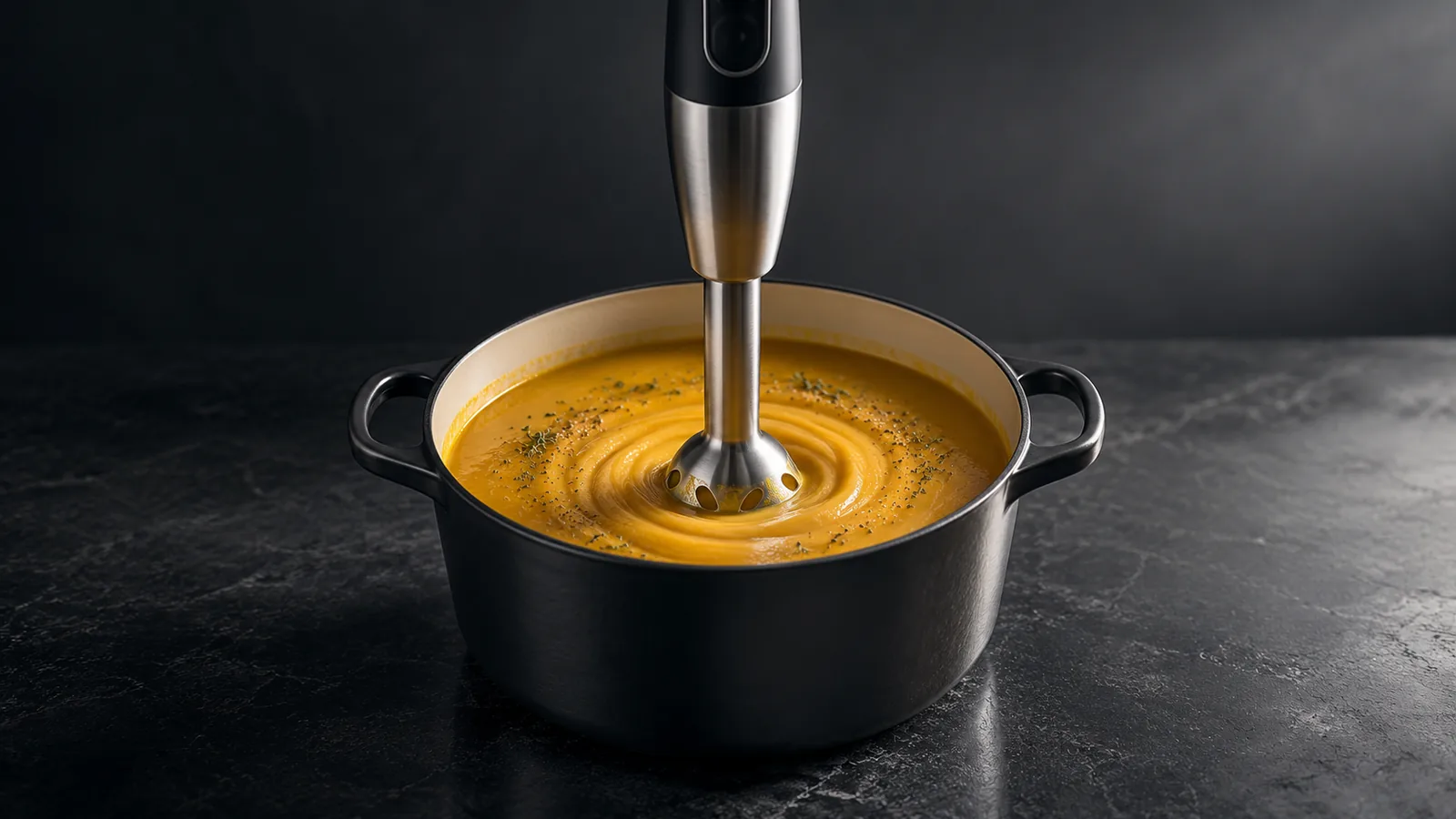
How to Use an Immersion Blender (Without Splattering Everywhere)
Using an immersion blender well comes down to one rule: fully submerge the blade before you turn it on, and turn it off before you lift it out — that alone prevents almost all the splatter people complain about. Blend in a tall, narrow container, keep the blade near the bottom and tilt to pull food in, and move slowly. From there it purees soup in the pot, whips mayo, and blends sauces in seconds.
Read →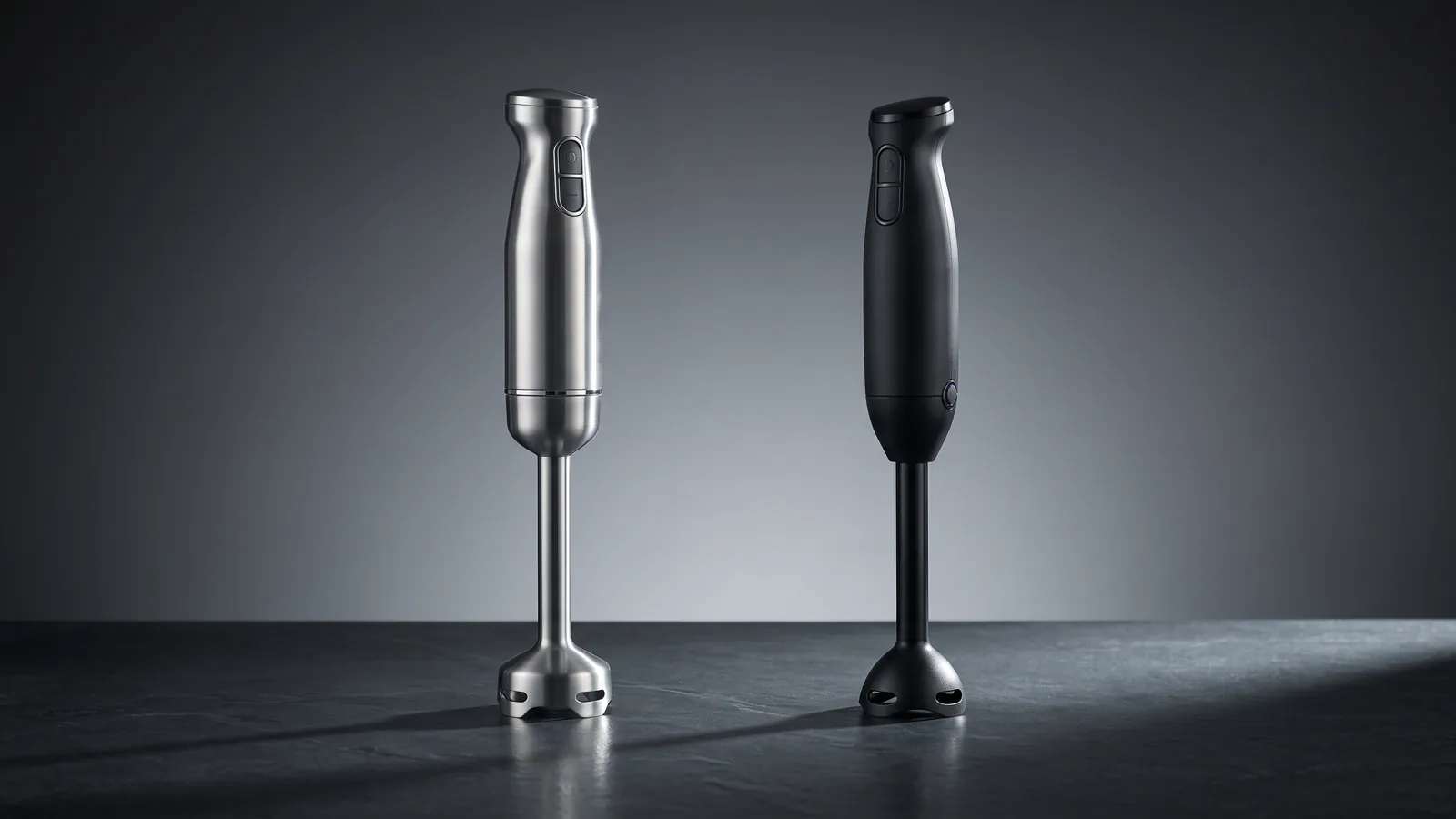
Premium vs Budget Immersion Blender: What You Actually Pay More For
A $20 immersion blender and an $80 one both puree soup. What the money buys is a stronger motor that won't bog down in thick mixtures, a metal shaft that survives heat and years of use, variable speed for control, and attachments (whisk, chopper) that replace other tools. Here is where the price goes, and when the cheap one is plenty.
Read →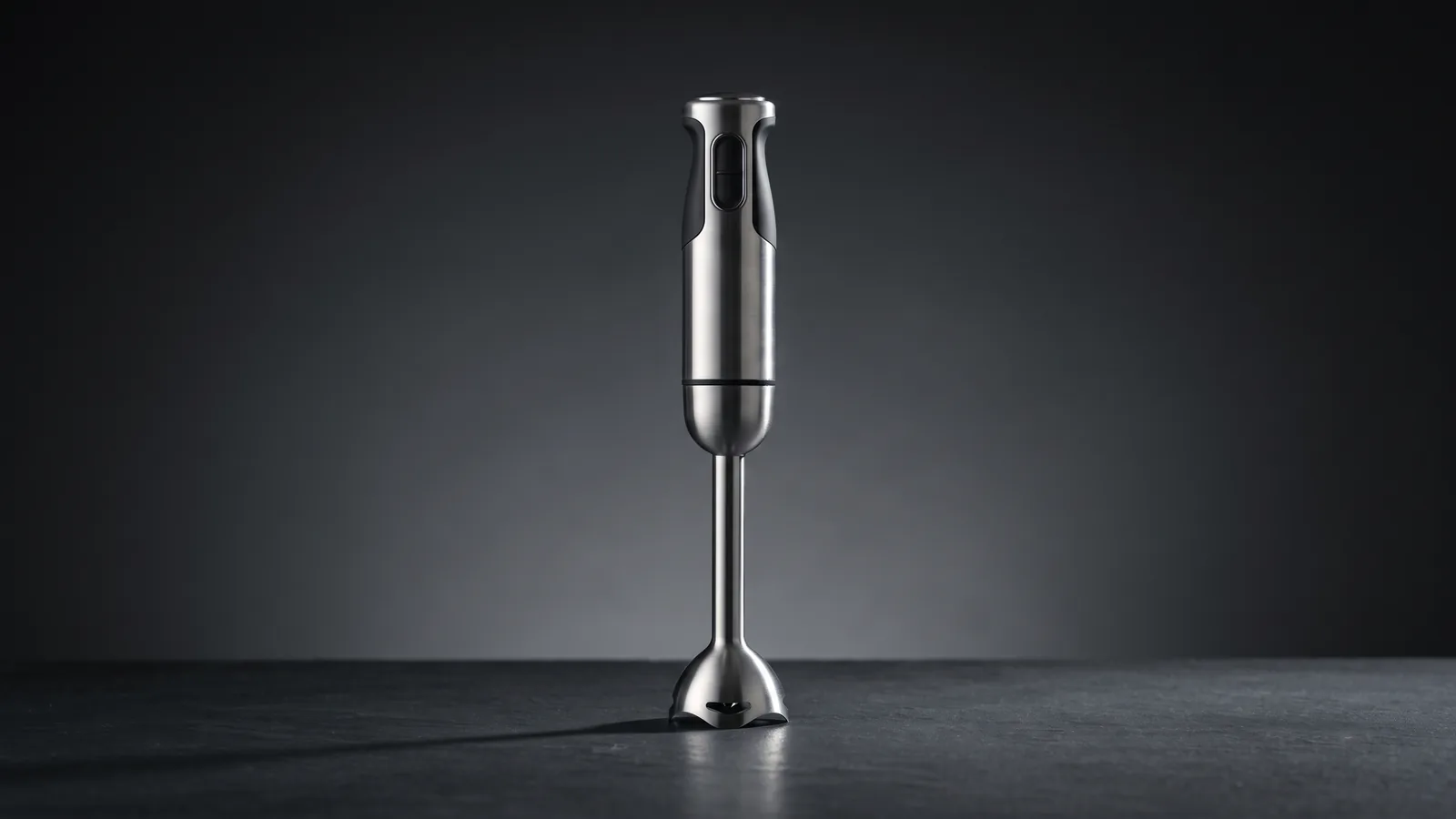
What Is an Immersion Blender? What It Does and When to Use One
An immersion blender is a handheld wand with a spinning blade at the tip that you dip directly into a pot, jar, or bowl to blend — which is why it's also called a hand blender or stick blender. It excels at pureeing soup right in the pot, making sauces, mayonnaise, and small smoothies with almost no cleanup. It's less powerful than a countertop blender and not made for big batches or crushing ice, but for blending in the container you're already using, nothing is faster.
Read →
Best for specific uses
Ranked picks for each use case, grounded in verified buyer review data.