Rice Cookers
A complete, data-grounded guide to rice cookers — which inner-pot materials are actually safe, how stainless steel, nonstick, and ceramic coatings compare, what micom and fuzzy logic really do, what size to buy, and which models earn the best marks from verified buyers. Buying guides and explainers come first; ranked picks and comparisons follow as review data is gathered and analyzed.
How they work
Buying guides and explainers — start here if you are new to the category.
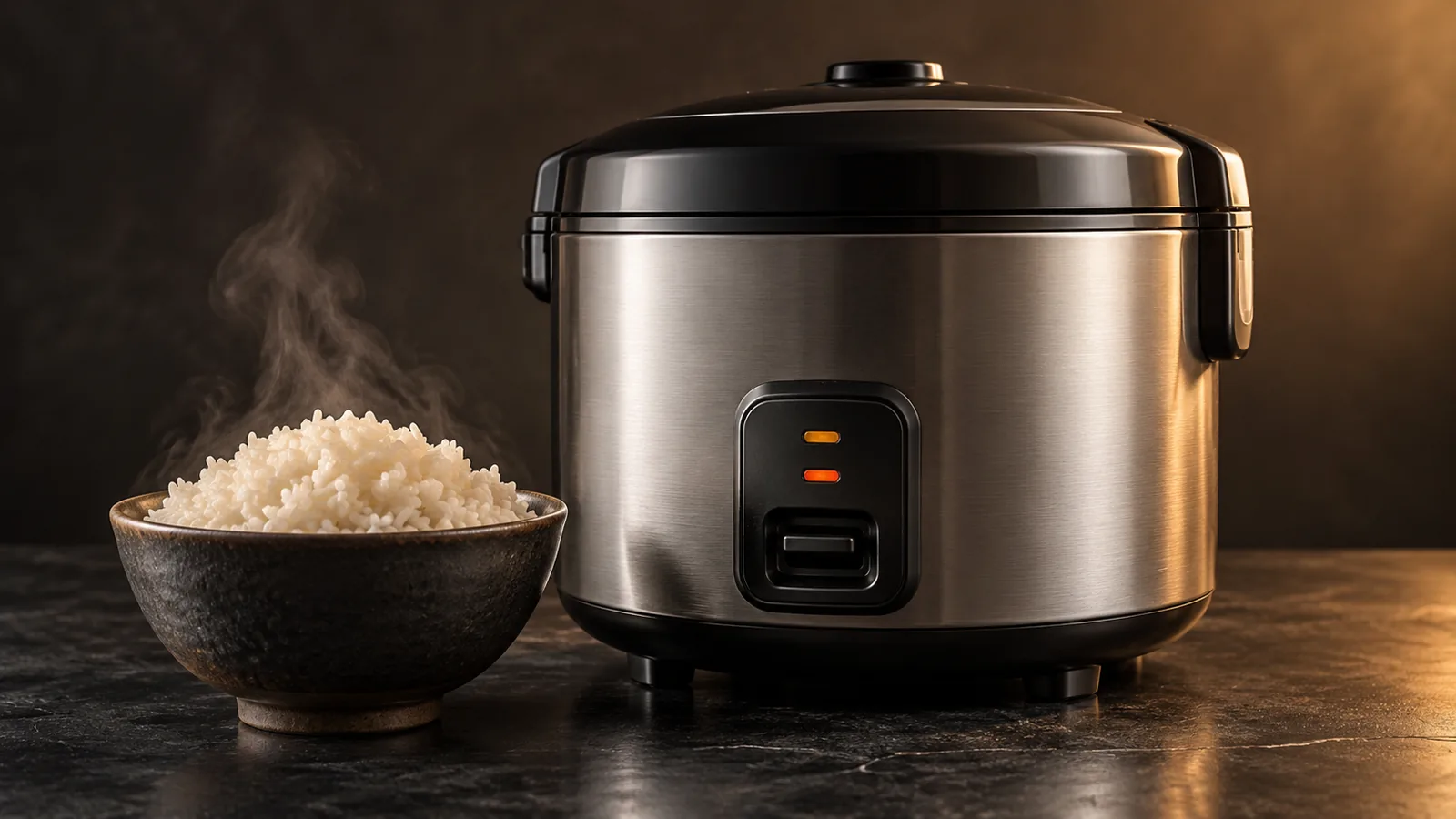
How to Choose a Rice Cooker: Material, Size & Micom
Three decisions settle which rice cooker to buy: the inner-pot material (what your rice touches), the size (in uncooked cups, which roughly double cooked), and whether you want a basic one-touch cooker or a micom cooker that adjusts the cook for better rice. Everything else — presets, delay timer, keep-warm — is secondary. Get those three right and the rest is easy.
Read →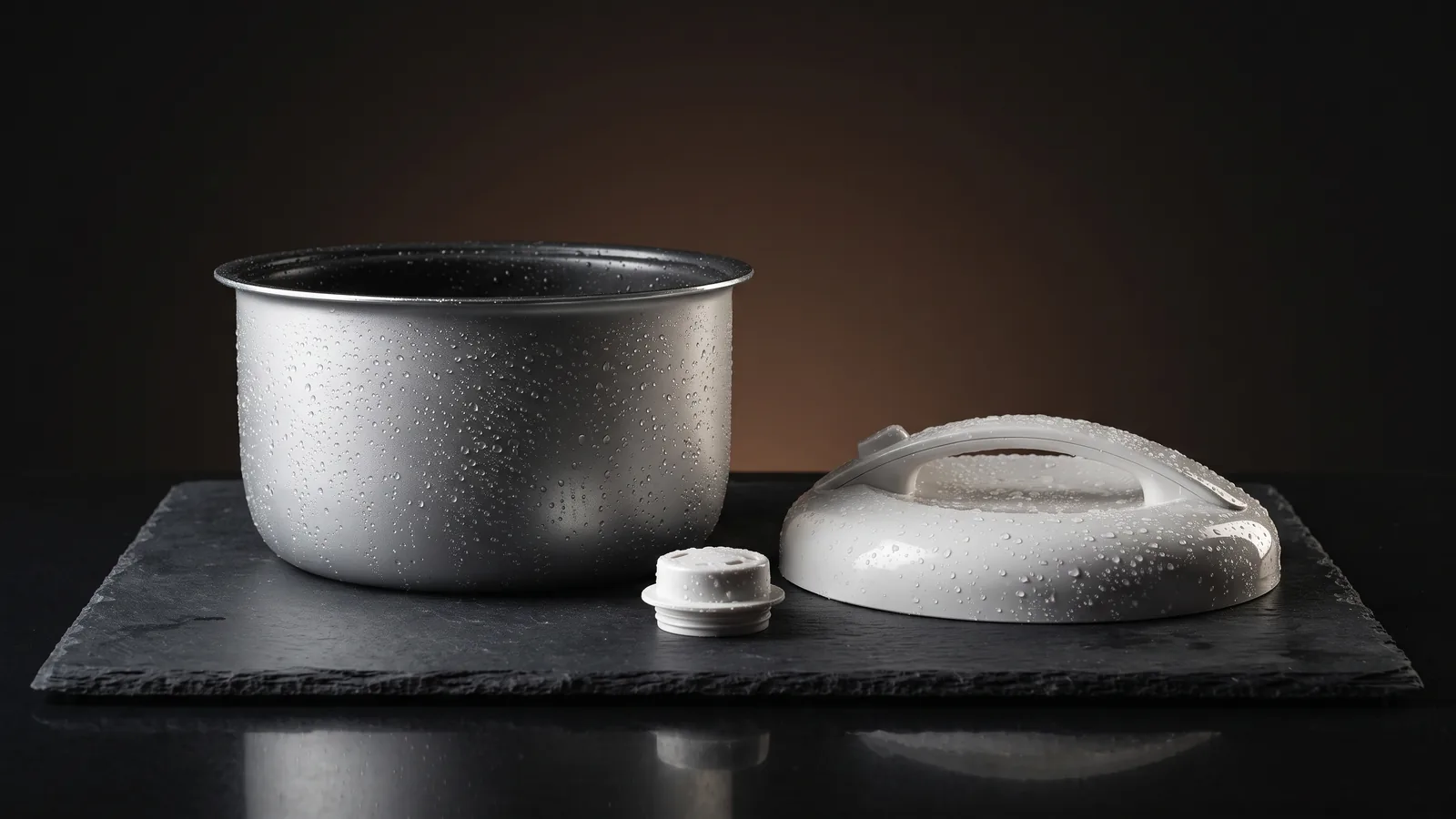
How to Clean a Rice Cooker (Including the Lid & Vent)
Cleaning the inner pot is the easy part — the bits people miss are the inner lid, the steam vent, and the little condensation cup, where starch and odors quietly build up. A full clean takes about five minutes: soak and wipe the pot, clean the parts that touch steam, and wipe the heating plate. Here's the routine, how to lift burnt-on rice without scratching a nonstick or ceramic pot, and how to get rid of that lingering smell.
Read →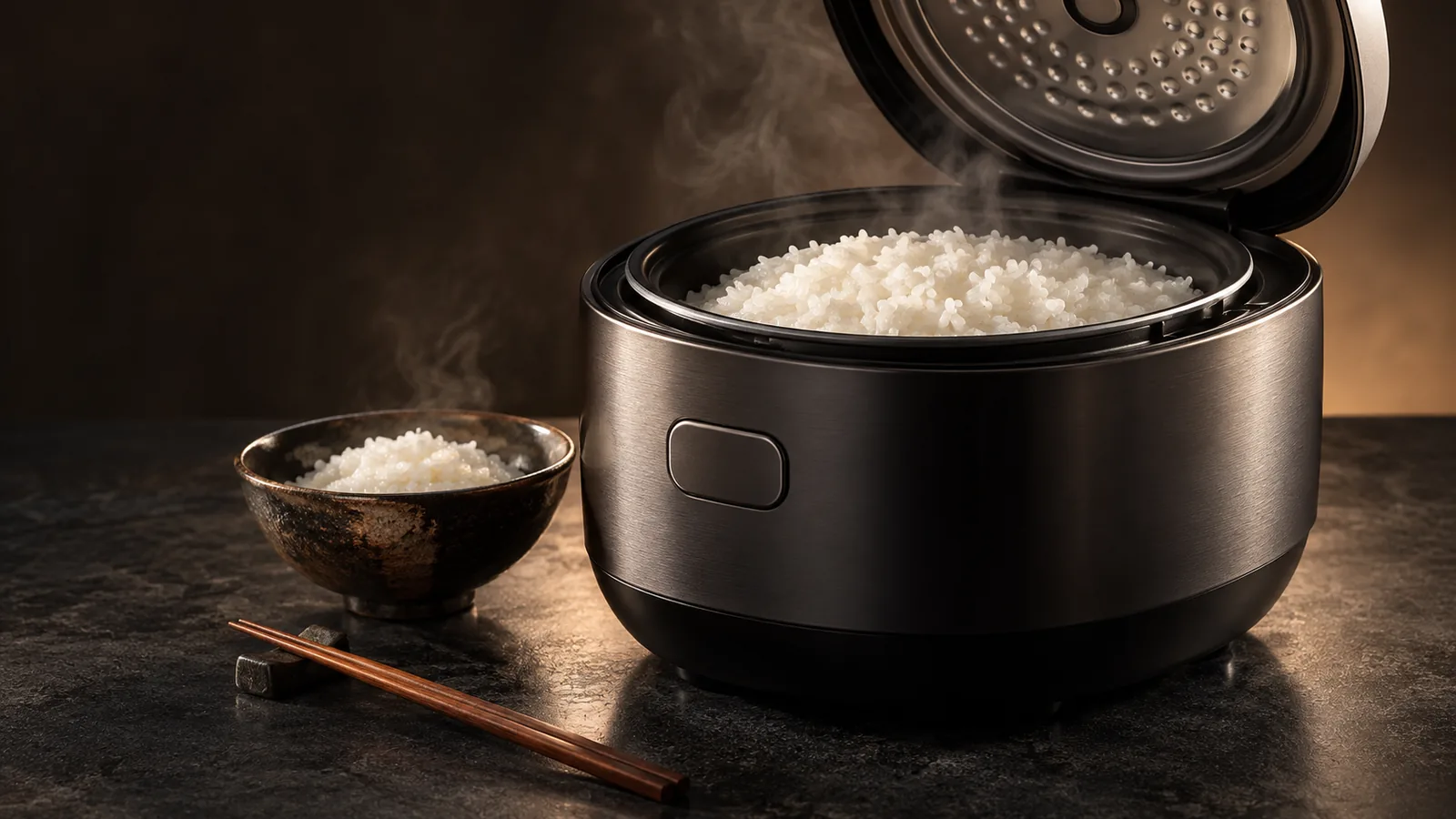
Japanese Rice Cookers: What Makes Them Different
Japanese rice cookers earn their reputation on one thing: they cook rice better, more consistently, across more rice types. The reason is micom (fuzzy-logic) control — a micro-computer that adjusts time and temperature through the cook instead of just switching off — and, on premium models, induction heating that heats the whole pot evenly. Brands like Zojirushi, Tiger, and Panasonic are the benchmark. Worth it if you eat rice often; overkill if you don't.
Read →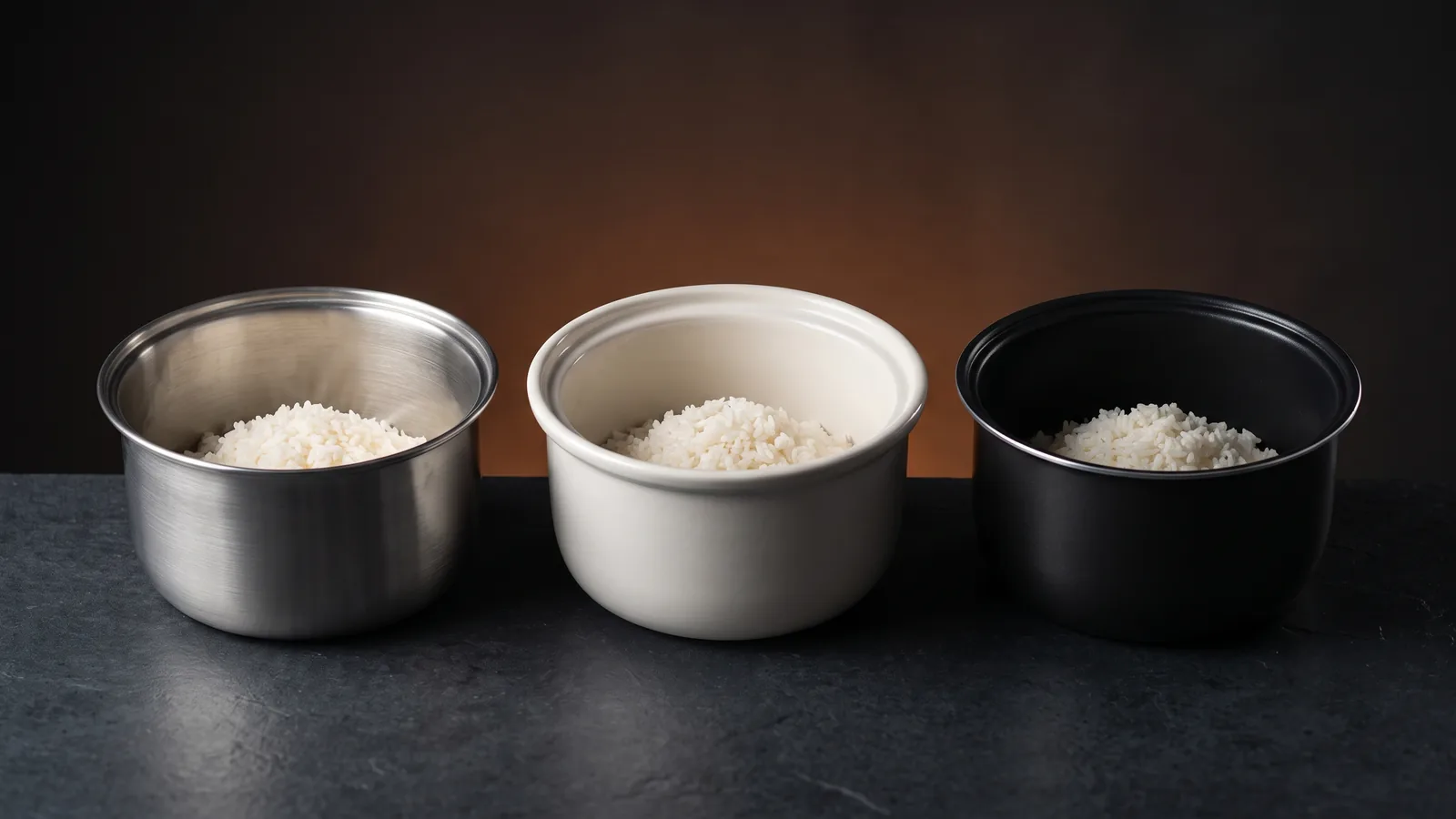
Non-Toxic Rice Cookers: Stainless, Ceramic & Nonstick
The inner pot is what your rice touches, so it is the only material that matters for safety and taste. Most rice cookers use a nonstick (PTFE) coating; the non-toxic alternatives are ceramic-coated or stainless steel. Ceramic resists sticking without the coating; stainless avoids coatings entirely but rice sticks to it. Judge a rice cooker by its interior, not its exterior.
Read →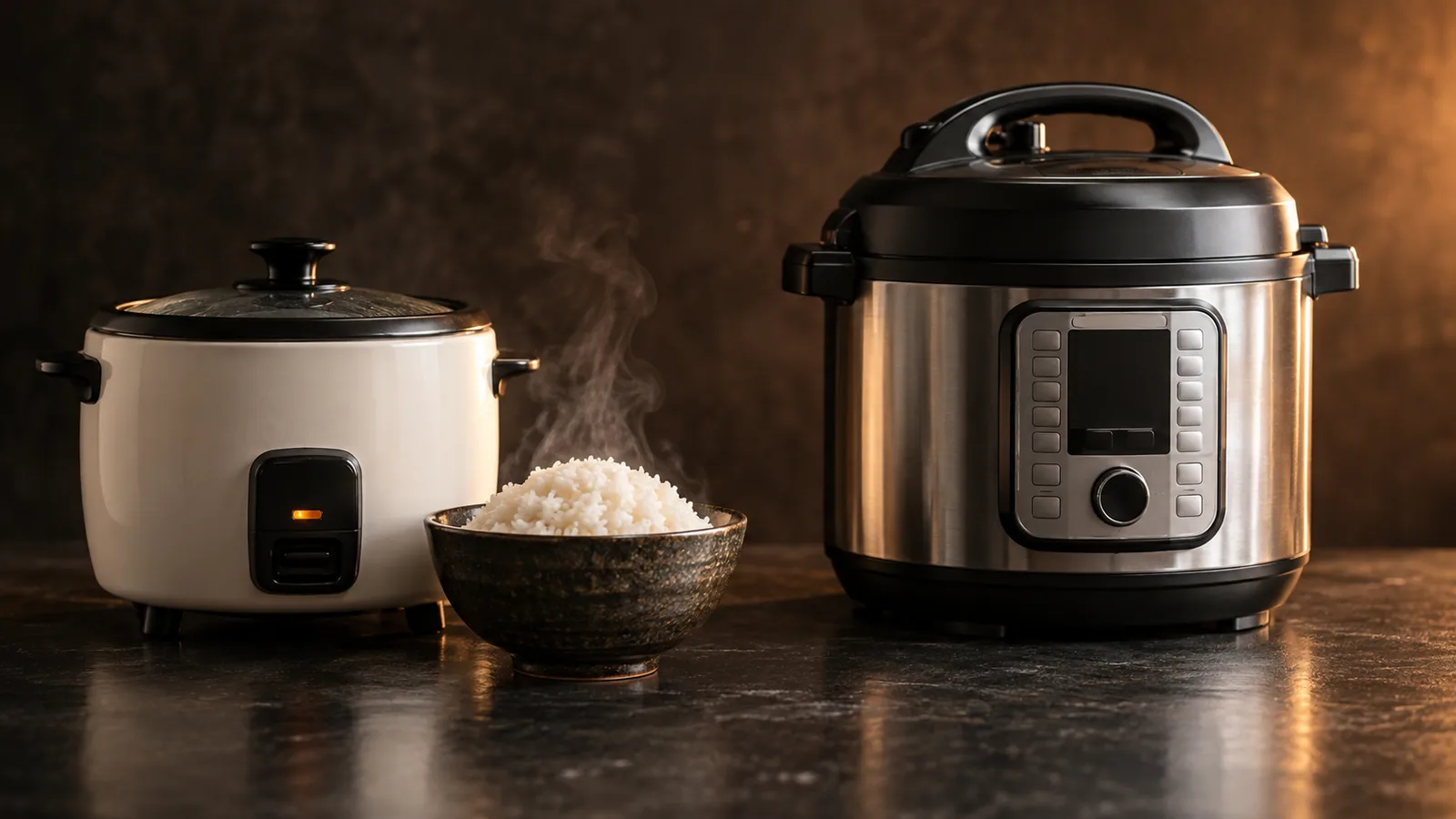
Rice Cooker vs Instant Pot: Which Should You Buy?
A dedicated rice cooker does one thing and does it better: it makes more consistent rice, is simpler to use, and keeps rice warm for hours. An Instant Pot is a multi-cooker that also makes rice, but rice is one of many jobs and the results are good rather than great. Buy a rice cooker if rice is a staple and you value simplicity; buy the Instant Pot if you want one machine for pressure-cooking, stews, yogurt, and rice together.
Read →
The complete ranking
The definitive guide across the full category.
The Best Rice Cookers of 2026
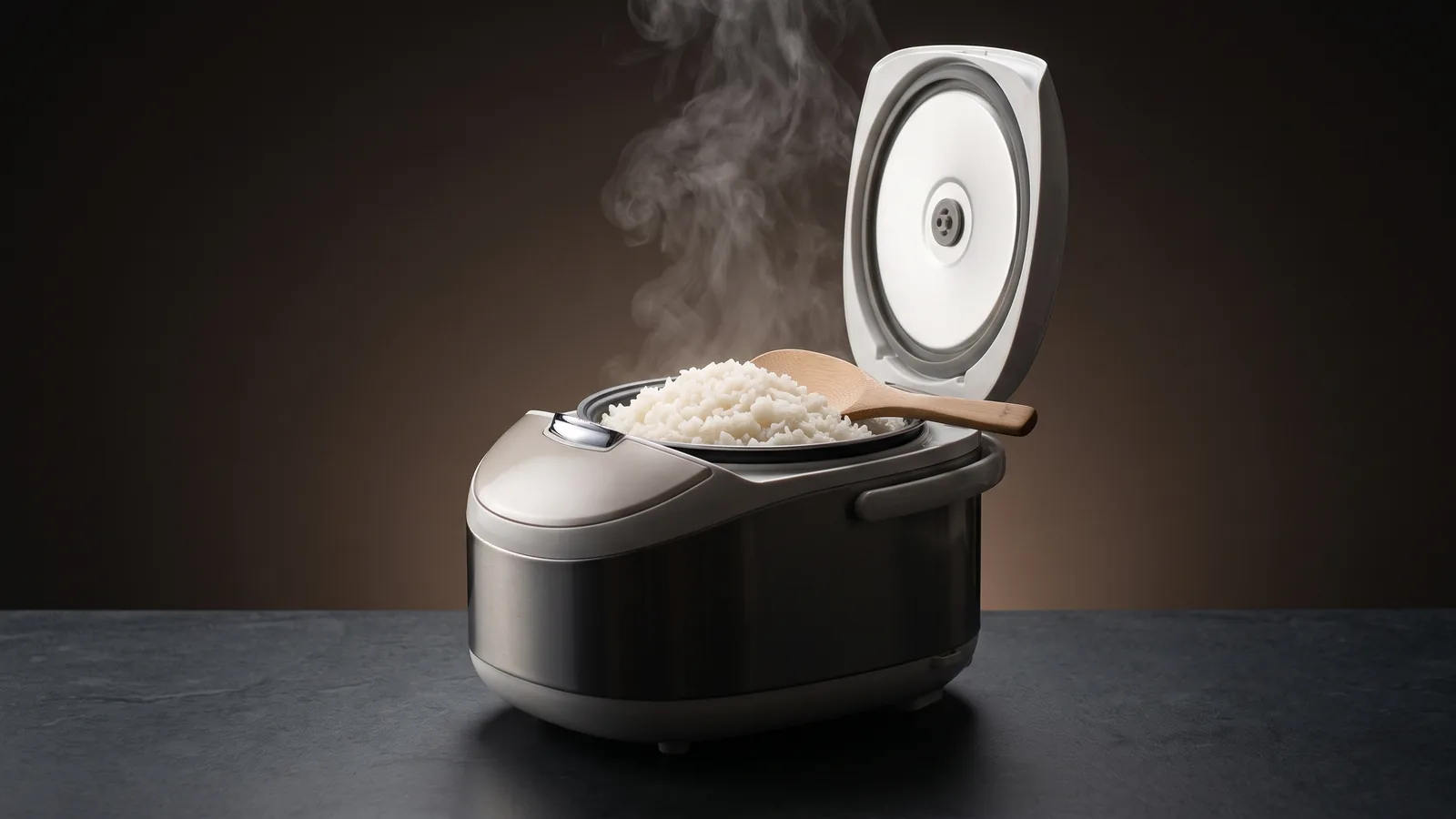
The best rice cooker for most people is the Aroma Digital — the runaway best-seller in the category, cheap and versatile, though its pot is nonstick. If you want to avoid nonstick coatings, the Cosori Ceramic is the non-toxic pick; for the least money the BLACK+DECKER 6-Cup; for the best rice a premium Japanese micom cooker like the Zojirushi Neuro Fuzzy; and for one or two people the compact Toshiba Mini. The first decision most buyers skip is the one that matters most: what the inner pot is made of.
Read →Zojirushi Neuro Fuzzy Rice Cooker Review (2026): Is It Worth It in Canada?
The Zojirushi Neuro Fuzzy is the rice cooker enthusiasts point to — its 'fuzzy logic' cooking adjusts temperature and timing through the cook, and its owner reviews back the reputation: consistently good rice across grains, easy use, and reliability are what owners praise most. The honest counterpoints are the premium price and a longer cook than an Instant Pot. This review, grounded in verified buyer reviews, tells you what owners love, what to know, and whether it's the right rice cooker for a Canadian kitchen.
Read →