What actually makes them different
A basic rice cooker runs one fixed cycle: heat until the water is gone, then switch to keep-warm. Japanese rice cookers add control, in two steps:
- Micom (fuzzy logic). A micro-computer senses temperature and adjusts heat and timing as the rice cooks, making small corrections to hit the right result across rice types and amounts. This is the core upgrade — the reason the rice comes out more evenly cooked and better textured.
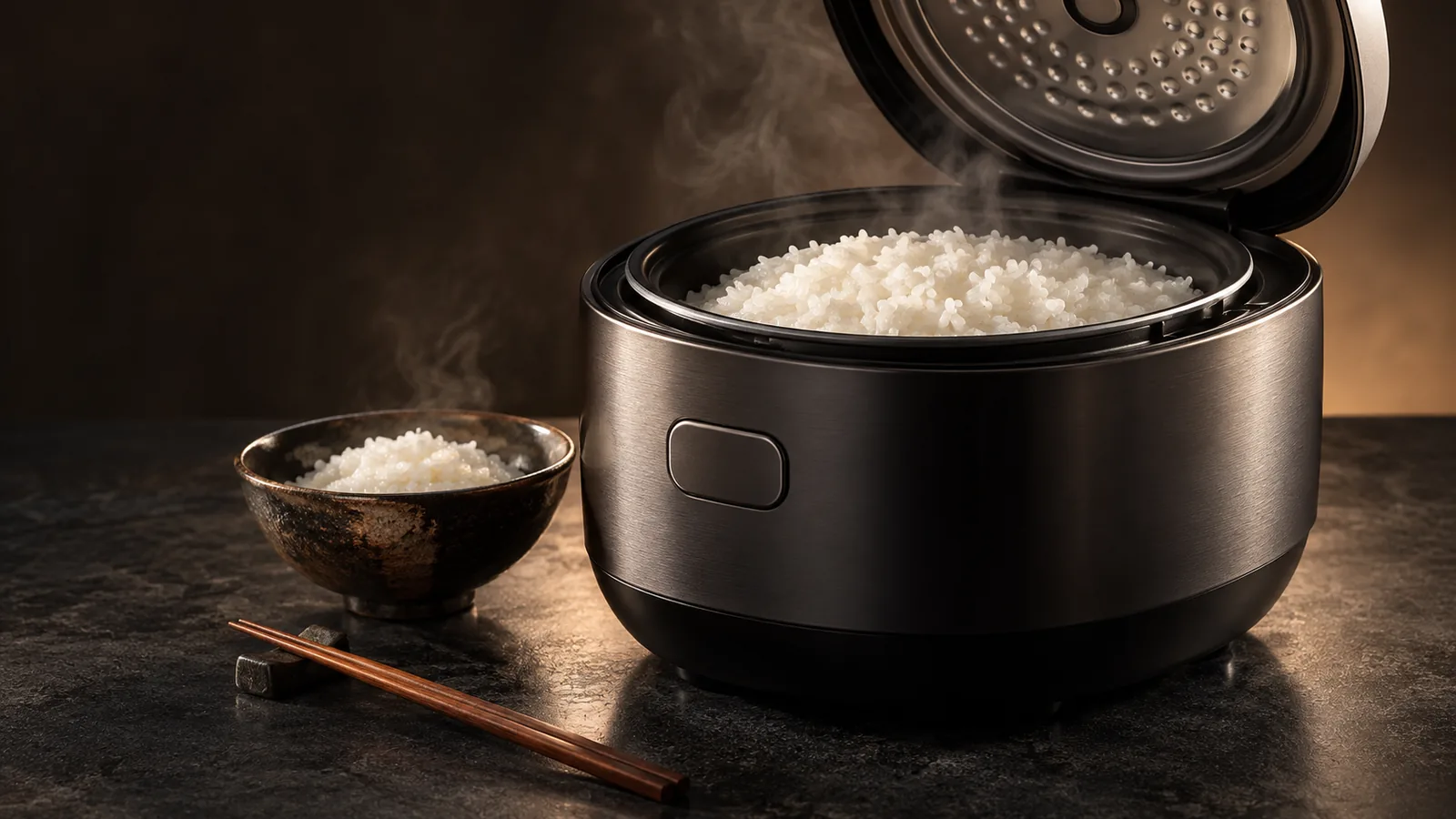
- Induction heating (IH). On premium models, a magnetic field heats the entire inner pot rather than a plate beneath it, so the whole pot is the heat source. That means more even cooking and finer temperature control — the top tier of precision.
The step-ups, then, go basic → micom → induction, each adding cooking precision and cost.
Are they worth it?
If you eat rice often, the micom step is an easy yes — the everyday rice is simply better and more consistent, and it handles brown and specialty rice more reliably. The induction step above it is a matter of degree: better again, but a smaller jump, and priced for serious daily rice eaters. If rice is only an occasional side, a good basic cooker gets you most of the way for far less.
The benchmark pick
If you want the Japanese-cooker result without overthinking brands and tiers, the fuzzy-logic Zojirushi Neuro Fuzzy is the model buyers and enthusiasts keep returning to — the benchmark in our best rice cookers roundup.
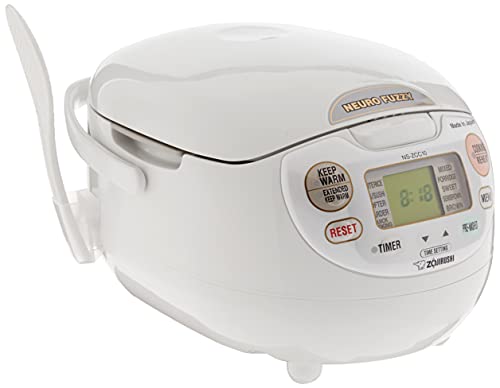
Zojirushi Neuro Fuzzy Rice Cooker and Warmer
The Japanese micom benchmark: fuzzy-logic control adjusts time and temperature through the cook for more evenly cooked, better-textured rice, and it handles white, brown, and specialty rice reliably. It's the model buyers and enthusiasts keep returning to for consistency and build. It costs several times a basic cooker, and like nearly all cookers its pot is nonstick — you're paying for the cooking quality, which is where it delivers.
Prime Day Amazon Prime Big Deal Days is on — a good time to check the live price.
Check current price on AmazonWhat buyers praise
- Micom/fuzzy-logic cooking — the best rice texture and consistency
- Handles white, brown, and specialty rice reliably
- The category's quality benchmark, with a devoted owner base
What buyers flag
- Several times the price of a basic cooker
- Nonstick inner pan (as with nearly all cookers)
The brands to know
Zojirushi is the benchmark most buyers return to; Tiger and Panasonic are its main rivals on micom and induction cookers, with Toshiba also strong. The Korean brand Cuckoo is a close relative often grouped in with the Japanese cookers. Within any of them, choose the level — basic, micom, or induction — that matches how much rice you actually cook.
Best rice cookers · How to choose a rice cooker · Rice cooker materials, explained