Blenders
A complete, data-grounded guide to countertop blenders — what actually matters when you buy one, whether a high-performance blender is worth the premium, personal versus full-size, and how to keep one clean. (For handheld blenders, see our immersion blenders guide.) Buying guides and explainers come first; ranked picks and comparisons follow as review data is gathered and analyzed.
How they work
Buying guides and explainers — start here if you are new to the category.
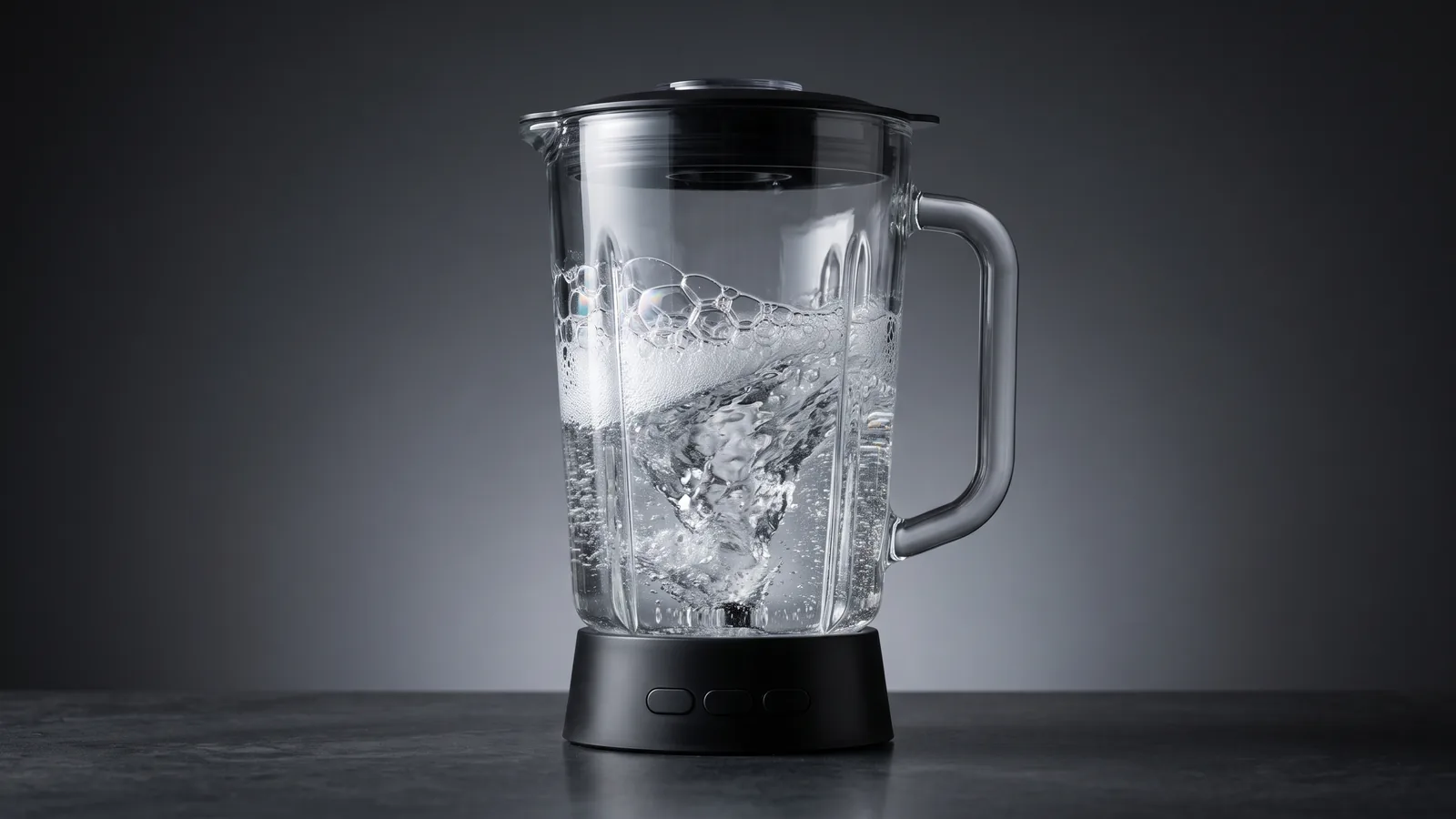
How to Clean a Blender (the 30-Second Self-Clean Trick)
The fastest way to clean a blender is to let it clean itself: fill it a third with warm water and a drop of dish soap, run it for 30 seconds, and rinse. For stuck-on residue, disassemble the blade and gasket and wash by hand. Never submerge the motor base. The two things that keep a blender fresh are cleaning it right after use (before residue dries) and drying it fully so it doesn't smell.
Read →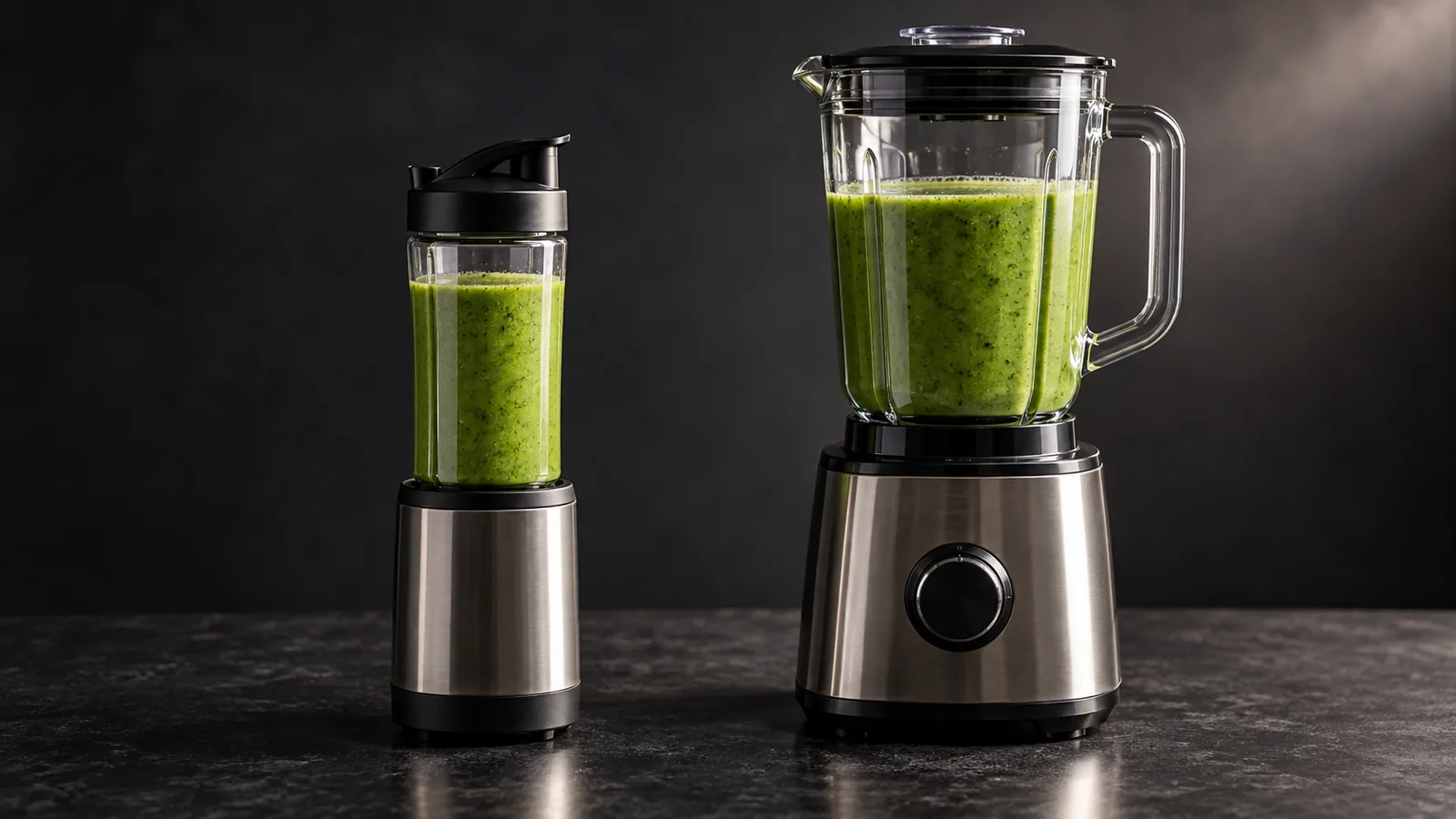
Personal vs Countertop Blender: Which Size Do You Need?
A personal blender makes one blend-and-go serving in a cup you drink from — cheap, compact, and perfect for daily smoothies for one. A countertop blender makes big batches, blends smoother, and handles tough jobs like hot soup and nut butter that a personal blender can't. If you make a single smoothie most days, the personal wins on convenience; if you cook, batch, or blend hard ingredients, the countertop earns its space.
Read →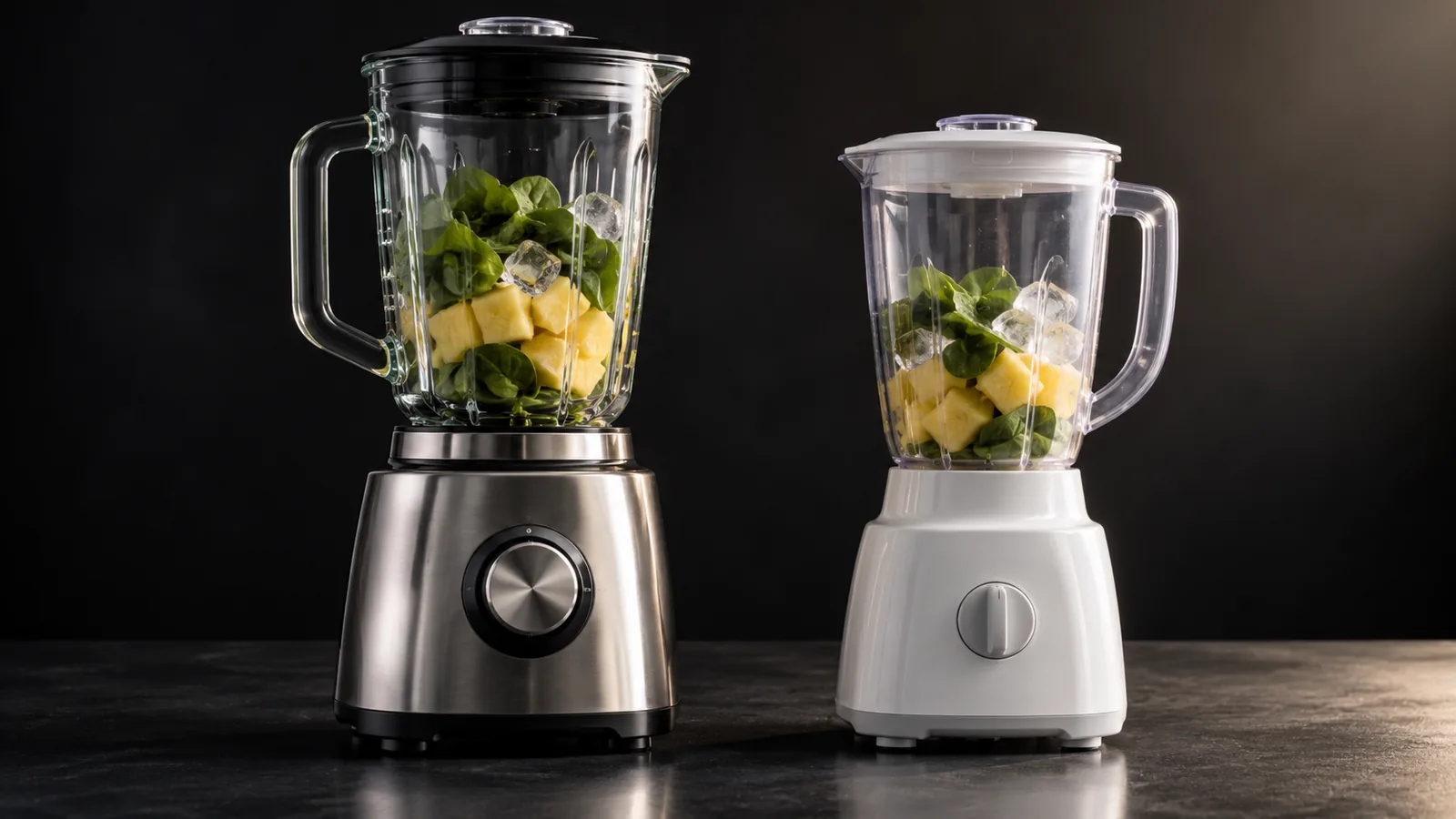
Premium vs Budget Blender: What You Actually Pay More For
A $60 blender and a $500 one both make a smoothie — but not the same smoothie, and not for the same number of years. What the money buys is a stronger, longer-lasting motor that powers through ice, frozen fruit, nut butters, and hot soup without straining, plus better blades, a tamper, and a warranty measured in years. If you blend soft drinks occasionally, budget is fine. If you make tough blends daily, premium pays for itself in results and longevity.
Read →
What to Look for in a Blender: The 5 Things That Actually Matter
Choosing a blender comes down to five things: motor power (for ice and frozen fruit), blade and jar design, jar size and material, a tamper for thick blends, and the controls you'll actually use. Wattage matters most for tough jobs — smoothies with ice, nut butters, hot soup — while everything else is about fit and convenience. Ignore preset counts and marketing horsepower; judge a blender by whether it powers through what you actually make.
Read →
The complete ranking
The definitive guide across the full category.
Ninja Kitchen System Blender Review (2026): Is It Worth It in Canada?
The Ninja Kitchen System is the blender-plus-single-serve combo that covers family batches and grab-and-go smoothies from one machine — and its owner reviews back the appeal: power, easy cleaning, and value are what owners praise most. The honest counterpoint is durability, where a minority report the motor or parts failing. This review, grounded in verified buyer reviews, tells you what owners love, what to watch, and whether it's the right blender for a Canadian kitchen.
Read →The Best Blenders in Ireland (2026)
The blender question in Ireland splits two ways: a big jug blender for soups and batches, or a personal bullet blender for one-cup smoothies. On Amazon UK — the store that serves Ireland — Ninja leads the jugs, NutriBullet owns the personal category, and Tefal is the value pick. This guide ranks the best blenders you can actually buy in Ireland: a best-overall Ninja, a NutriBullet for smoothies, a value Tefal, and a premium high-power Philips — all 230V models, so the links go to the right store rather than a US listing that won't run on Irish mains.
Read →