1. Motor power — match it to your hardest job
This is the one that decides whether you’re happy. Soft jobs (protein shakes, smoothies without ice, purees) are fine on 500–1000 watts. Tough jobs — crushing ice, frozen fruit, nut butters, hot soup — want roughly 1000–1500+ watts of genuine sustained power.
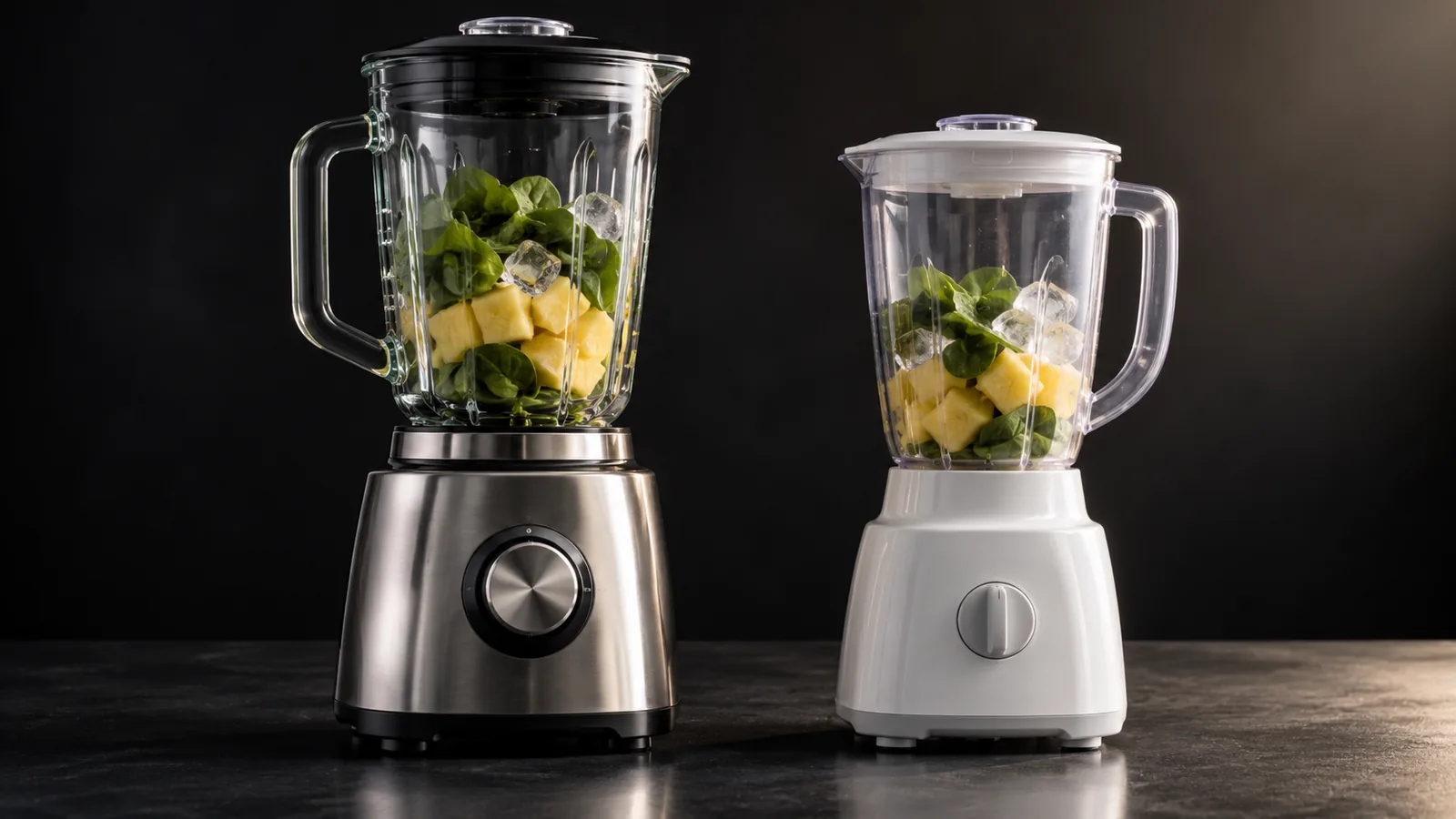
The catch: wattage is an imperfect measure. Motor quality, blade design, and jar shape matter as much, and “peak horsepower” figures overstate real power. A well-designed 1200-watt blender can beat a cheap 1500-watt one. Judge by real performance on the hardest thing you’ll blend, not the headline number. (This is the heart of the premium vs budget question.)
2. Blade and jar design — the vortex
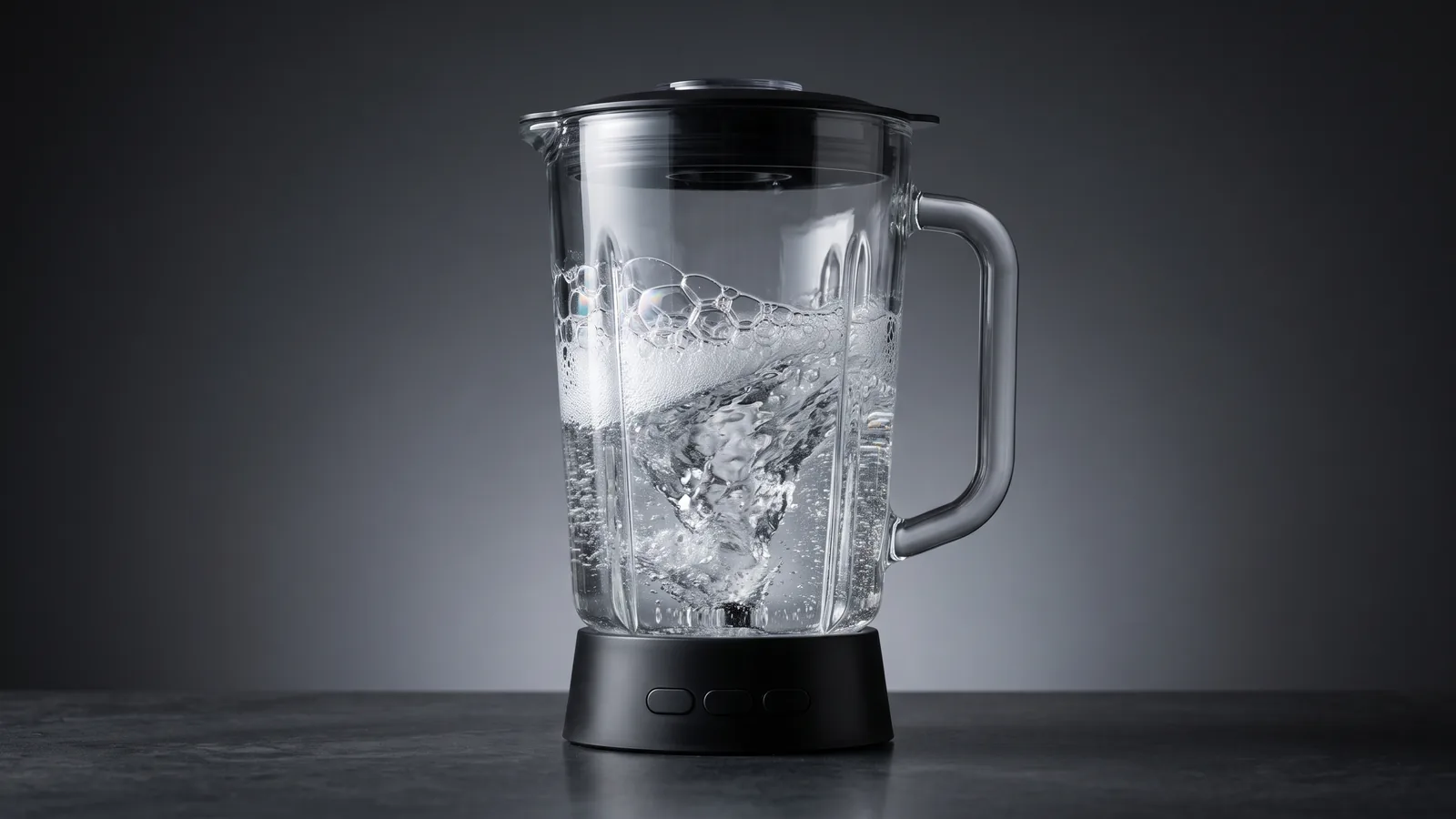
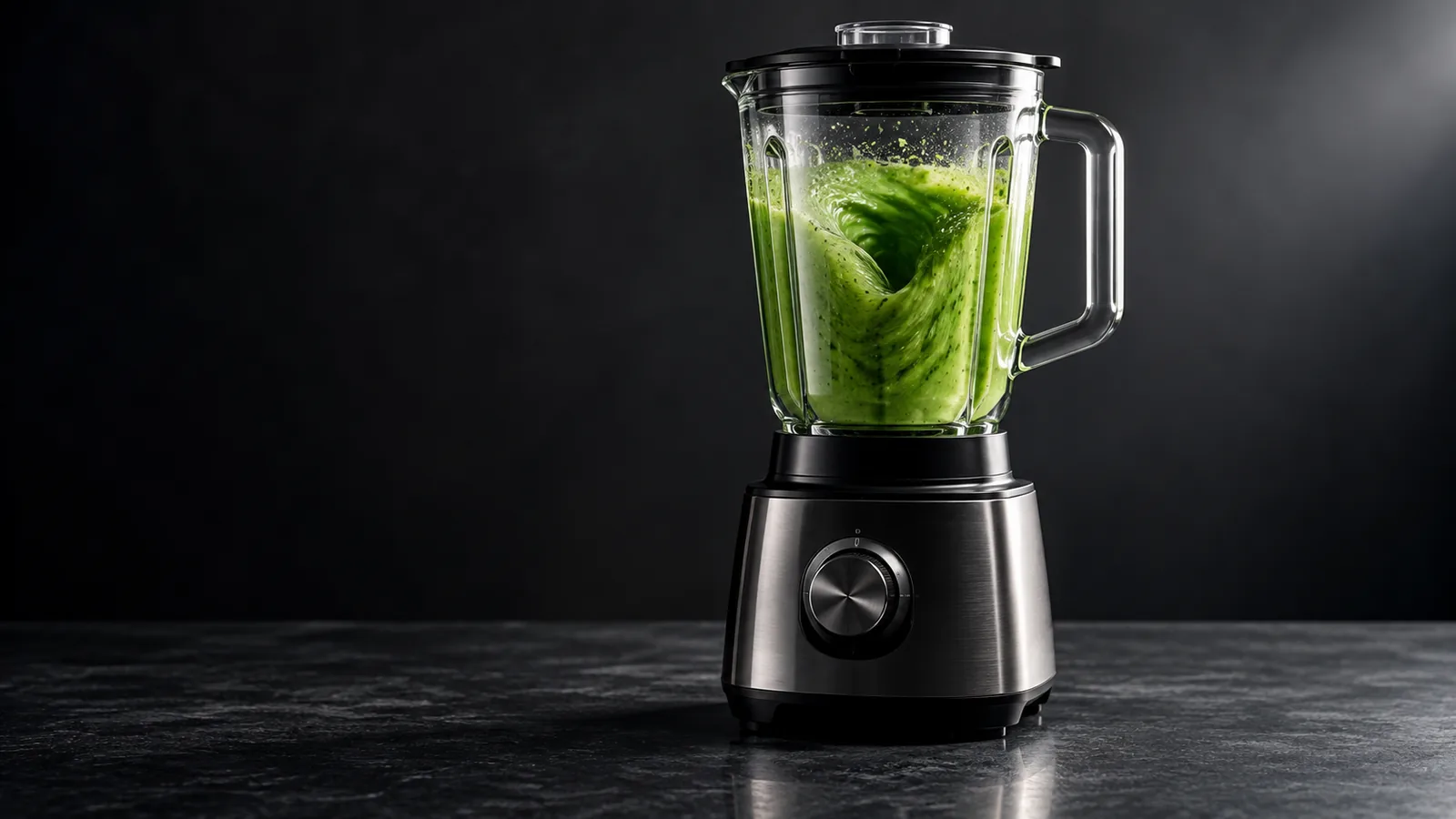
A blender only works if ingredients get pulled down into the blades. That’s about the jar’s shape and the blade geometry creating a vortex, not just blade sharpness. Tapered jars and well-angled blades keep food circulating; poorly designed ones leave chunks spinning at the top. You can’t easily judge this on a spec sheet, which is why owner reviews and consistent brand reputation matter here.
3. Jar size and material
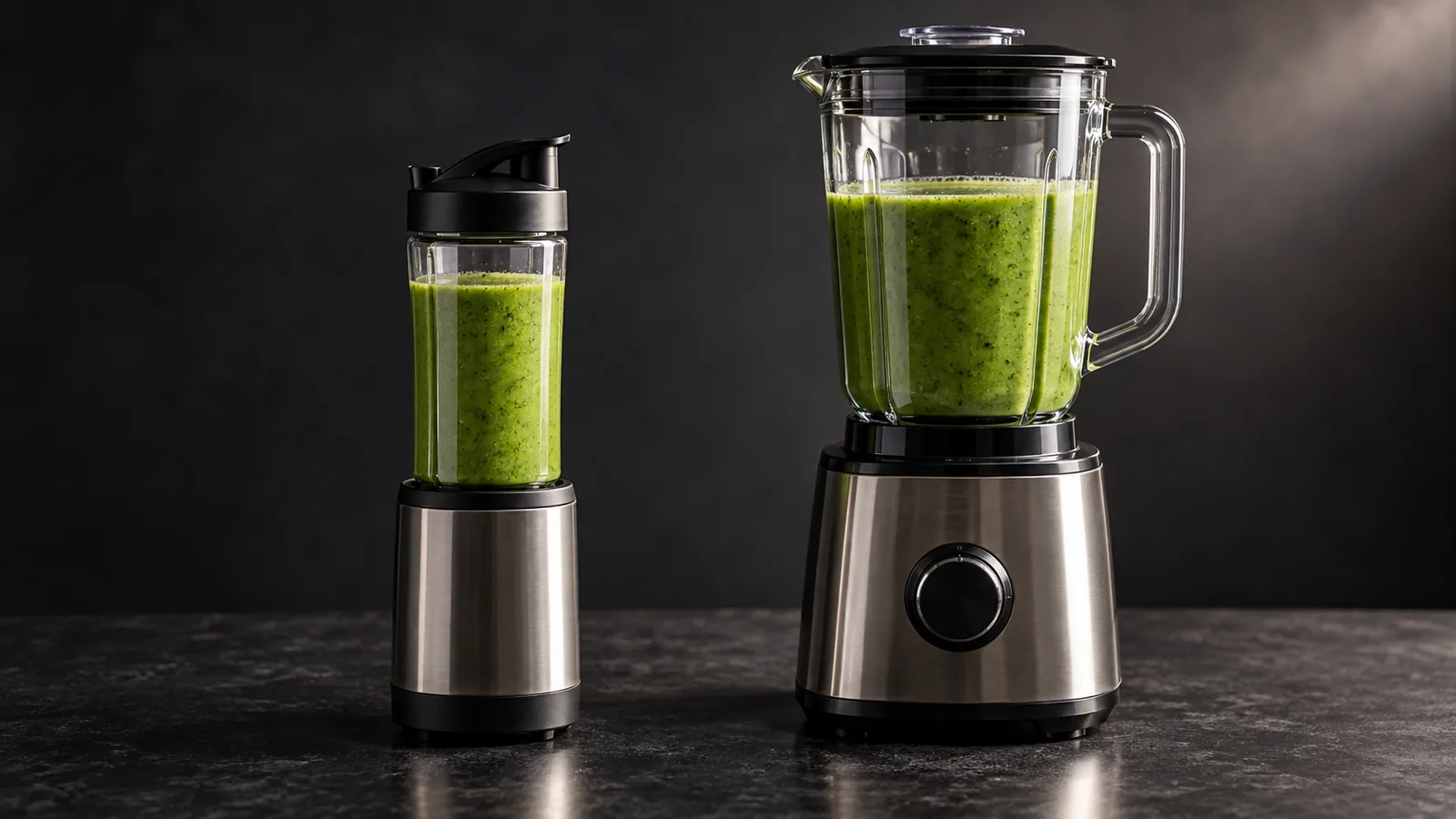
Size: a full-size 48–64 oz jar suits families and batch smoothies; a personal 20–24 oz cup suits single servings (and blends-to-go). Match it to your batches — see personal vs countertop.
Material:
- Tritan / copolyester plastic — light, shatter-resistant, BPA-free. The common default.
- Glass — heavier but scratch-resistant, taste-neutral, doesn’t cloud.
- Stainless steel — durable and great for hot liquids, but you can’t see inside.
For most people a quality BPA-free plastic or glass jar is ideal; size matters more than material.
4. A tamper for thick blends
If you make nut butter, frozen desserts, or very thick smoothies, a tamper — the stick that pushes ingredients into the blades while it runs — is the difference between a smooth blend and a spinning air pocket. High-performance blenders include one; it’s a genuine feature, not a gimmick. If you only make thin drinks, you won’t need it.
5. Controls you’ll actually use
A pulse function and simple speed control cover almost everything. Long lists of preset programs (smoothie, soup, ice crush…) look impressive but most people use two or three. Touchscreens and displays are convenience, not performance. Don’t let preset count or a fancy interface drive the decision — buy the power and jar you need first.
What to ignore
- “Peak horsepower” — a marketing figure measured at stall, not real blending power.
- Preset count — more presets ≠ better blending.
- Extreme wattage on a cheap motor — a big number on a weak motor doesn’t last.
The one-line rule
Buy for your hardest job. If you crush ice and make nut butter daily, invest in real power and a tamper; if you make protein shakes, a mid-power blender is plenty. Everything else — presets, displays, jar material — is fit and preference.
Where to go next
- Premium vs budget blender — is a high-performance blender worth it?
- Personal vs countertop blender — which size fits you
- How to clean a blender — keep it blending
- Food processor vs blender — which tool you actually need