Stand Mixers
A complete, data-grounded guide to stand mixers — how the planetary mixing action works, what size to buy for your baking, how a stand mixer compares to a hand mixer, and how to keep it clean. Buying guides and explainers come first; ranked picks and comparisons follow as review data is gathered and analyzed.
How they work
Buying guides and explainers — start here if you are new to the category.
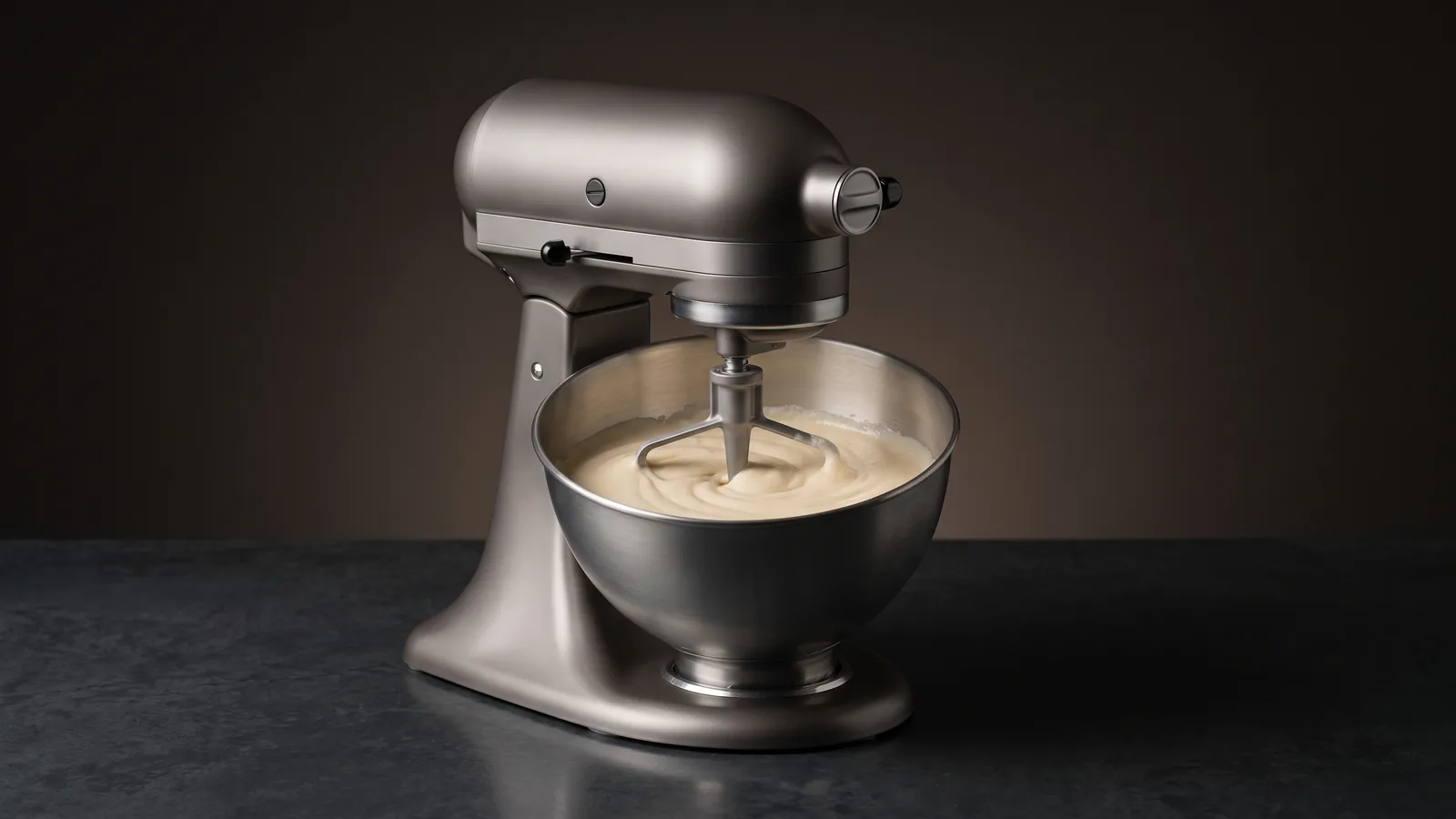
How Does a Stand Mixer Work? The Planetary Action, Explained
A stand mixer works by planetary action: the beater spins on its own axis while also orbiting around a fixed bowl, so it reaches every part of the batter without you moving anything. A powerful motor drives it hands-free, which is why it handles stiff bread dough and long whipping jobs a hand mixer can't. Swap between a flat beater, dough hook, and wire whip for different tasks, and an attachment hub turns it into a whole kitchen system.
Read →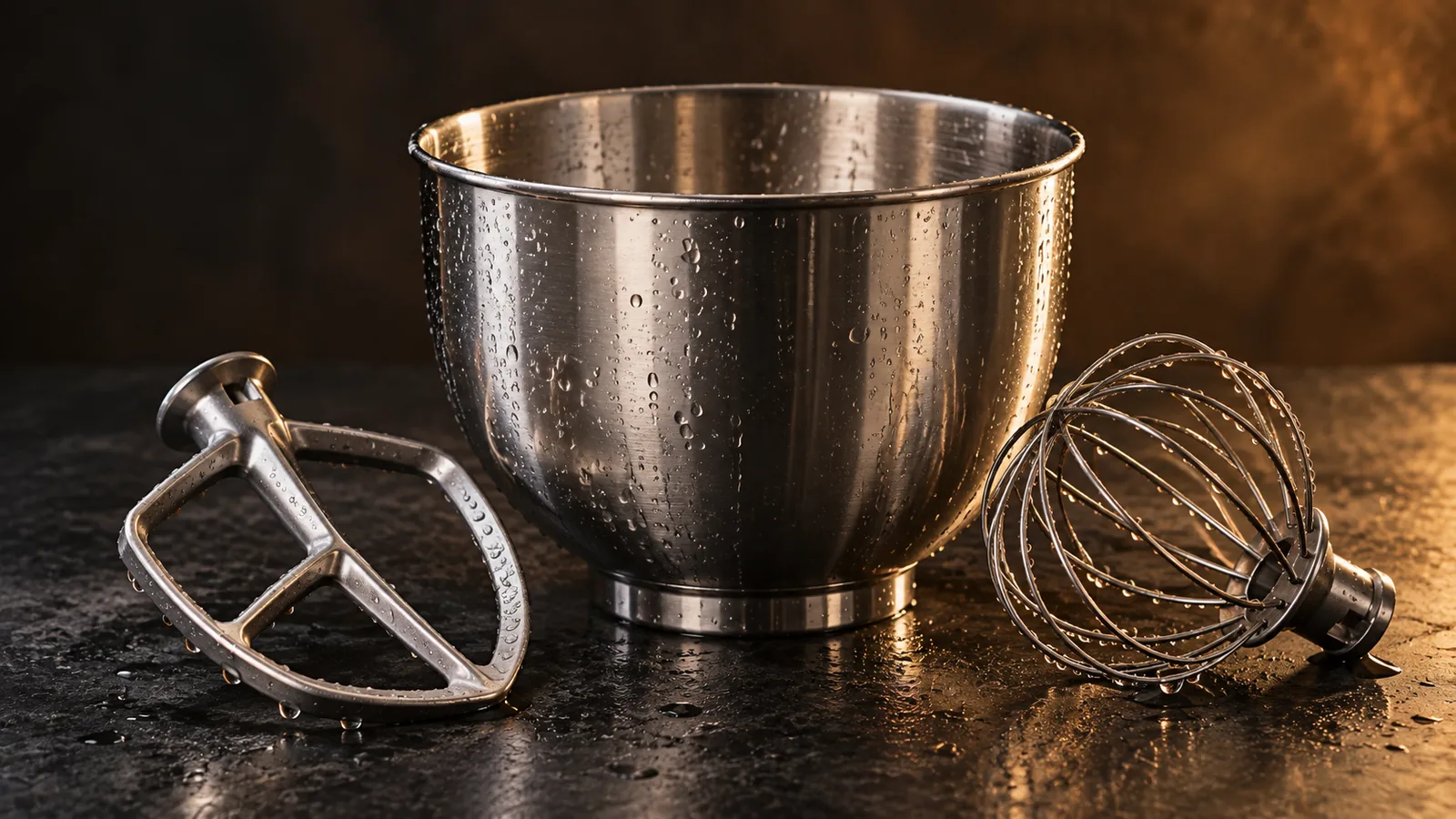
How to Clean a Stand Mixer (Bowl, Beaters, and the Head)
Cleaning a stand mixer is quick: wash the bowl and attachments after each use, wipe the body and the underside of the head where batter splatters, and never submerge the motor. Check whether your attachments are dishwasher-safe — some coated beaters should be hand-washed. A wipe-down after every use and an occasional look under the head keeps it clean and running for decades.
Read →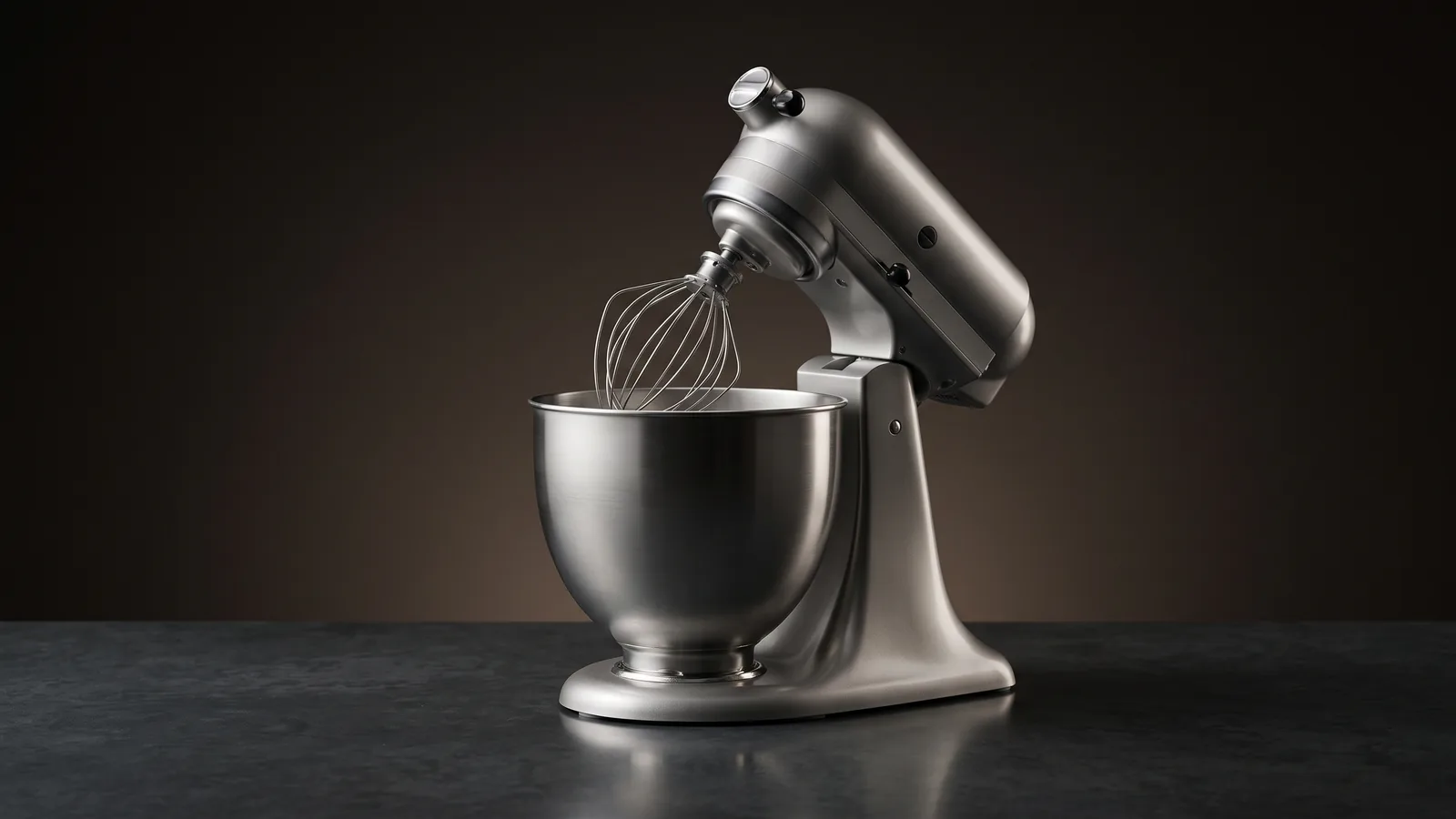
Stand Mixer Buyer Report 2026: What Owners Praise and Criticize
We analyzed verified owner-review mentions across 6 of the most-reviewed stand mixers to find what buyers consistently praise and criticize. Two findings stand out: stand mixers over-deliver on their promises more than almost any appliance we've studied, and they have no dominant complaint. They're also bought as much for looks and gifting as for baking — which reframes the decision around size and which one you'll love owning.
Read →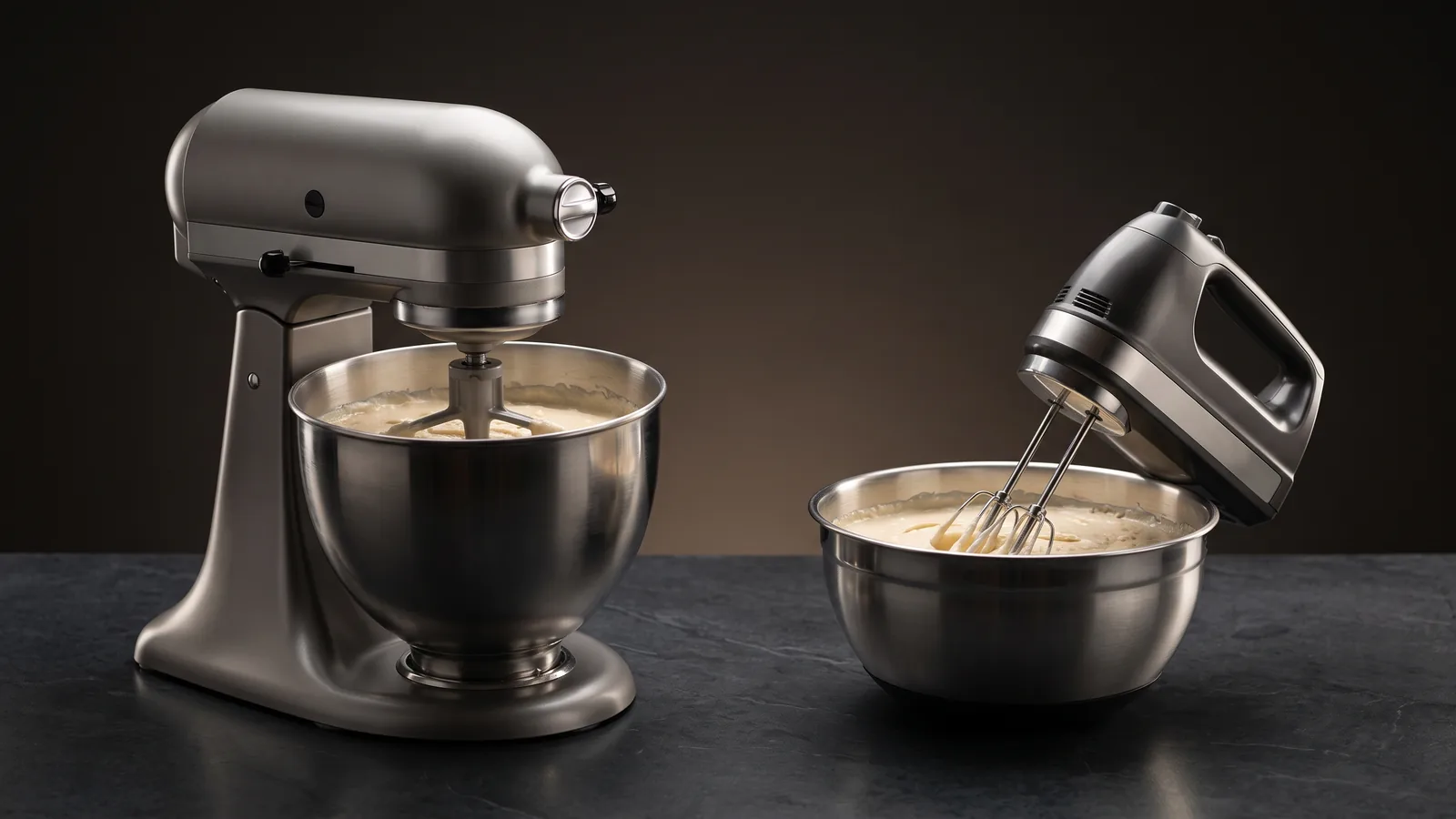
Stand Mixer vs Hand Mixer: Which Do You Actually Need?
A hand mixer is cheap, light, and perfect for occasional light jobs — whipping cream, beating eggs, a batch of cookies. A stand mixer is powerful and hands-free, so it kneads real bread dough and runs long jobs while you do something else. If you bake bread, bake often, or make big batches, the stand mixer earns its counter space and price. If you bake occasionally and light, a hand mixer is all you need.
Read →
What Size Stand Mixer Do I Need? Quarts by How You Bake (2026)
Stand mixers are sized in quarts, and the right size follows how you bake: 3.5 qt for small kitchens and occasional light baking, 4.5–5 qt for most home bakers (the standard), 5.5–6 qt for frequent bakers and doubled recipes, and 7–8 qt bowl-lift for serious bread and big batches. Bigger isn't automatically better — a large bowl mixes small amounts poorly, so size to the batches you actually make most.
Read →
Best for specific uses
Ranked picks for each use case, grounded in verified buyer review data.
The Best KitchenAid Stand Mixer Attachments, Ranked on Owner Reviews
The KitchenAid attachment most worth buying is the Flex Edge Beater: it scrapes the bowl as it mixes and has the most favorable owner feedback of the five we analyzed. The Food Grinder is the best of the power-hub attachments, as long as you hand wash it. The Slicer/Shredder is useful but its plastic housing is the part owners report breaking. Owner feedback on the Pasta Roller set was evenly split, so it is not ranked.
Read →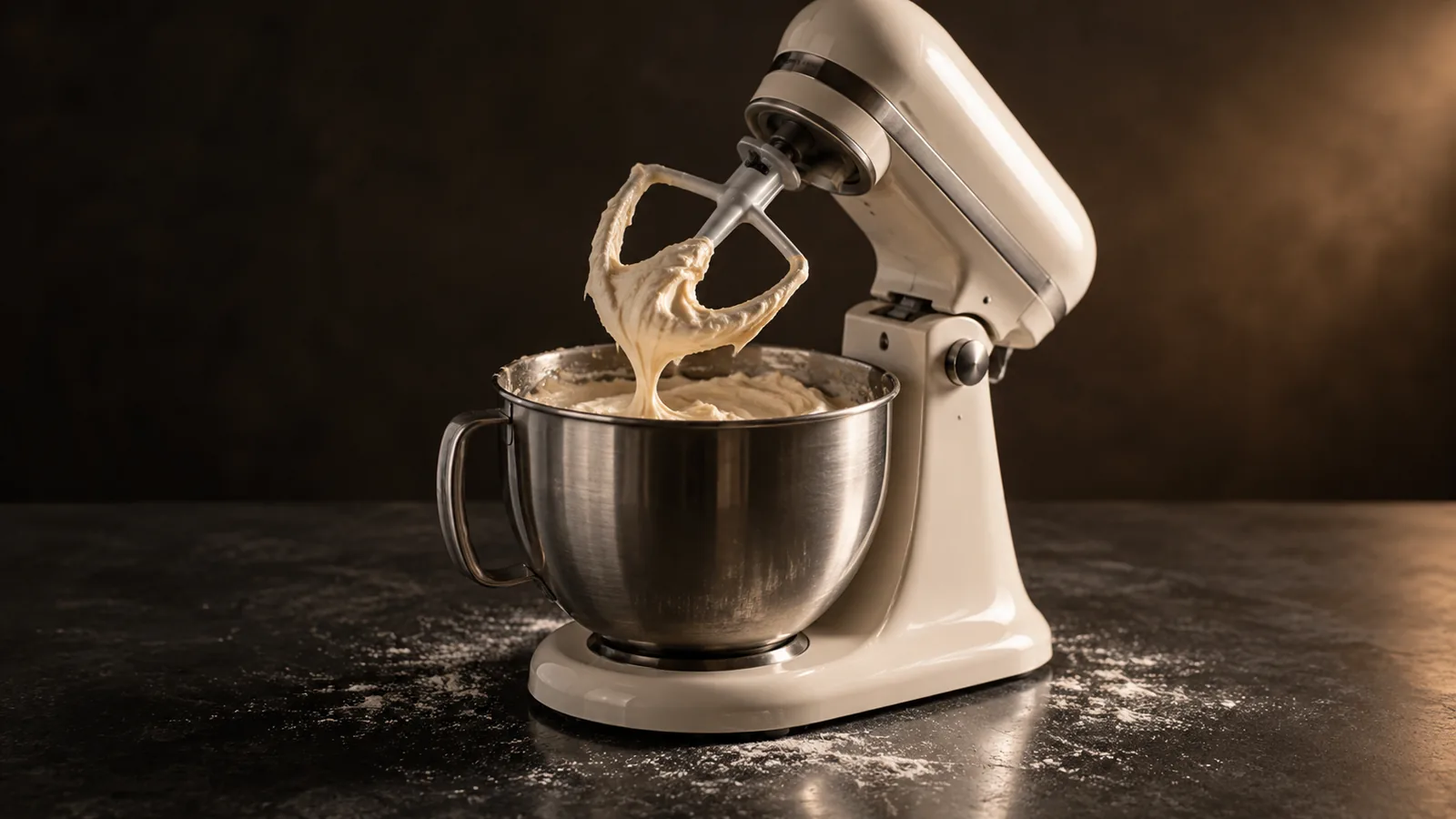
The Best Stand Mixers, Chosen by Size and Kitchen
The best stand mixer for most home bakers is the KitchenAid Artisan 5-quart: the right size for most baking, with the widest range of attachments. For bread and big batches, the KitchenAid 5.5-quart bowl-lift, which has the strongest owner evidence in this guide. For less money, the KitchenAid Classic 4.5-quart. Choose by size and by what you bake.
Read →Which KitchenAid Stand Mixer Should You Buy? The Range Compared
For most home bakers, the KitchenAid Artisan 5-quart is the one to buy: the size for most baking, with the full range of attachments. For bread and big batches, the 5.5-quart bowl-lift, which has the deepest owner record in the range. To spend less, the Classic 4.5-quart. For a small kitchen, the Artisan Mini.
Read →
The complete ranking
The definitive guide across the full category.
Kenwood Chef Review (2026): The Food Mixer That Lasts Decades
The Kenwood Chef is the British food-mixer institution, and its reviews tell you why owners keep buying it: durability. The theme that recurs most is how long it lasts — one owner reports 30 years — alongside strong value and capable everyday mixing. The honest flags are that it's heavy and the plastic splash guard feels flimsy. This review, grounded in verified buyer reviews, tells you what owners love, what to expect, and whether the Chef or the pricier KitchenAid Artisan is the right food mixer for an Irish kitchen.
Read →KitchenAid Artisan Review (2026): Is the Icon Worth It in Canada?
The KitchenAid Artisan is the stand mixer people picture when they think 'stand mixer' — and its owner reviews back the reputation: the mixing performance and the solid, well-made build are what owners praise most. The one real objection is price. This review, grounded in verified buyer reviews, tells you what owners love, the single thing that puts people off, and whether it's the right buy for a Canadian kitchen — plus the value alternative if the badge matters less than the price.
Read →KitchenAid Artisan Review (2026): Is the Icon Worth It in Ireland?
The KitchenAid Artisan is the stand mixer people picture when they think 'stand mixer' — and its owner reviews back the reputation: the mixing performance and the solid build are what owners praise most, and it holds its resale value better than any rival. The one real objection is price. This review, grounded in verified buyer reviews, tells you exactly what owners love, the single thing that puts people off, and whether it's the right buy for an Irish kitchen — plus the Kenwood Chef alternative if value matters more than the badge.
Read →The Best Food Mixers & Stand Mixers in Ireland (2026)
In Ireland and the UK it's usually called a 'food mixer' rather than a 'stand mixer' — same machine — and the two names that dominate are Kenwood (a British institution) and KitchenAid (the aspirational icon). This guide ranks the best food mixers you can actually buy in Ireland: the KitchenAid Artisan, the Kenwood Chef workhorse, and a budget Tower.
Read →The Best Hand Mixers in Canada (2026)
A hand mixer is the small, cheap, drawer-friendly alternative to a stand mixer — perfect for whipping cream, beating eggs, and mixing cake batter without a big machine taking up counter space. This guide ranks the best hand mixers you can buy in Canada: a value Hamilton Beach, a premium KitchenAid, and a budget pick.
Read →The Best Stand Mixers in Canada (2026)
The two names that dominate stand mixers are KitchenAid (the aspirational icon) and, below it, a field of capable value machines. This guide ranks the best stand mixers you can buy in Canada: the KitchenAid Artisan, the cheaper KitchenAid Classic, a value Hamilton Beach, and a budget compact mixer.
Read →