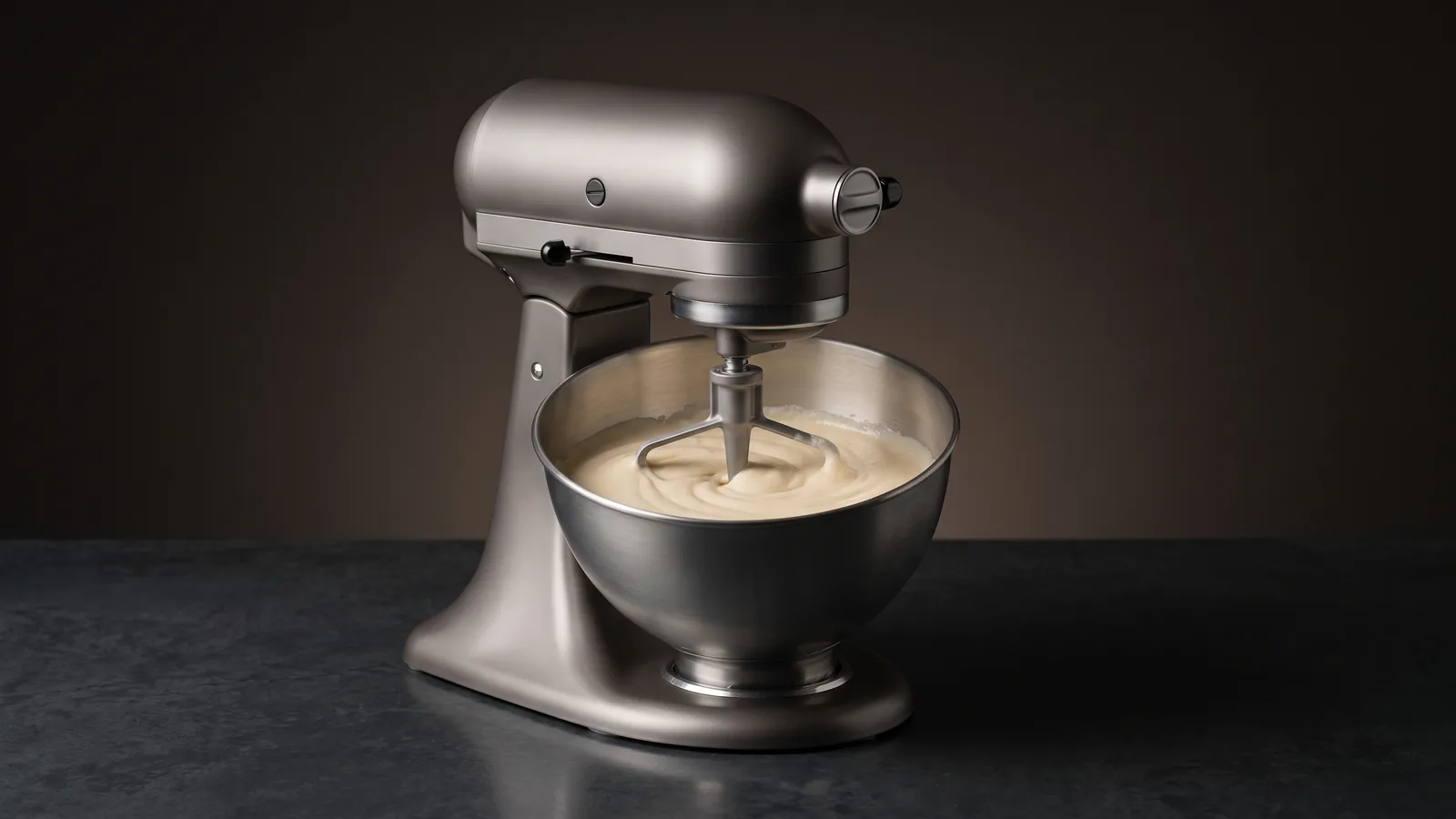
For most home kitchens, the 5-quart KitchenAid Artisan is our top pick — see the best stand mixers.

KitchenAid Artisan 5-Quart Tilt-Head Stand Mixer
The benchmark stand mixer — a 5-quart tilt-head with the widest attachment ecosystem, dozens of colors, and the over-delivering quality owners rave about.
Prime Day Amazon Prime Big Deal Days is on — a good time to check the live price.
Check current price on AmazonWhat buyers praise
- 5-quart size fits most home baking
- Huge attachment ecosystem — pasta, grinder, and more
- Owners consistently say it over-delivers on quality
- Dozens of colors — a countertop centerpiece and favorite gift
What buyers flag
- A premium price
- Tilt-head handles very heavy bread dough less than a bowl-lift
At a glance
- Capacity
- 5 quarts
- Dimensions
- 9.3"D x 14.3"W x 14"H
- Power
- 325 watts
- Weight
- 11 kg
- Material
- Stainless Steel
- Warranty
- 1-year replacement
The catch: a big bowl mixes small amounts poorly
It’s tempting to size up “to be safe,” but stand mixers work best when the bowl is reasonably full for the beater to reach. A small quantity of batter or cream sits below the beater’s sweep in an oversized bowl, so it mixes unevenly. That’s why the right size is about the batches you usually make, not the biggest one you might attempt.
Sizes by how you bake
| Size | Right for | What it handles |
|---|---|---|
| 3.5 qt | Small kitchens, occasional light baking | Cookies, single cakes, whipped cream |
| 4.5–5 qt | Most home bakers (standard) | Standard recipes, most doubled batches, occasional bread |
| 5.5–6 qt | Frequent bakers, doublers | Doubled/tripled recipes, regular bread, big cookie batches |
| 7–8 qt (bowl-lift) | Serious bread, big batches | Heavy dough, multiple loaves, high volume |
3.5 quart — compact
The smallest common size. Good for small kitchens, apartments, and bakers who make single cakes, a batch of cookies, or whipped cream now and then. It stores more easily and costs less, but it’s tight for doubling recipes or kneading much bread.
4.5–5 quart — the standard
The all-round size and the right default for most home bakers. A 5-quart handles standard recipes, most doubled batches, and occasional bread dough, while staying a manageable size and weight. If you want one stand mixer and aren’t sure, start here.
5.5–6 quart — frequent and bread bakers
The step up for people who bake often, double recipes, or make bread regularly. The extra capacity and typically sturdier build handle heavy dough more comfortably. The trade-off is more size and weight, and slightly worse mixing of very small amounts. A 6-quart is the popular choice for serious home bakers.
7–8 quart bowl-lift — serious volume
The largest home size, usually a bowl-lift design. Built for frequent bread baking, multiple loaves, and big batches with a powerful motor and heavy build. Overkill (and a poor small-batch mixer) for casual baking, but the right tool for high-volume or serious bread work.
The sizing rule
Estimate the batch you make most often and size to that — then step up one tier only if a regular big-batch or bread-baking habit calls for it. Because an oversized bowl mixes small amounts poorly and takes more space, the safer mistake for most home bakers is going with the versatile 5-quart rather than the biggest bowl available. If bread is a regular thing, lean toward 6 quarts or a bowl-lift.
Where to go next
- How does a stand mixer work — why bowl fill matters
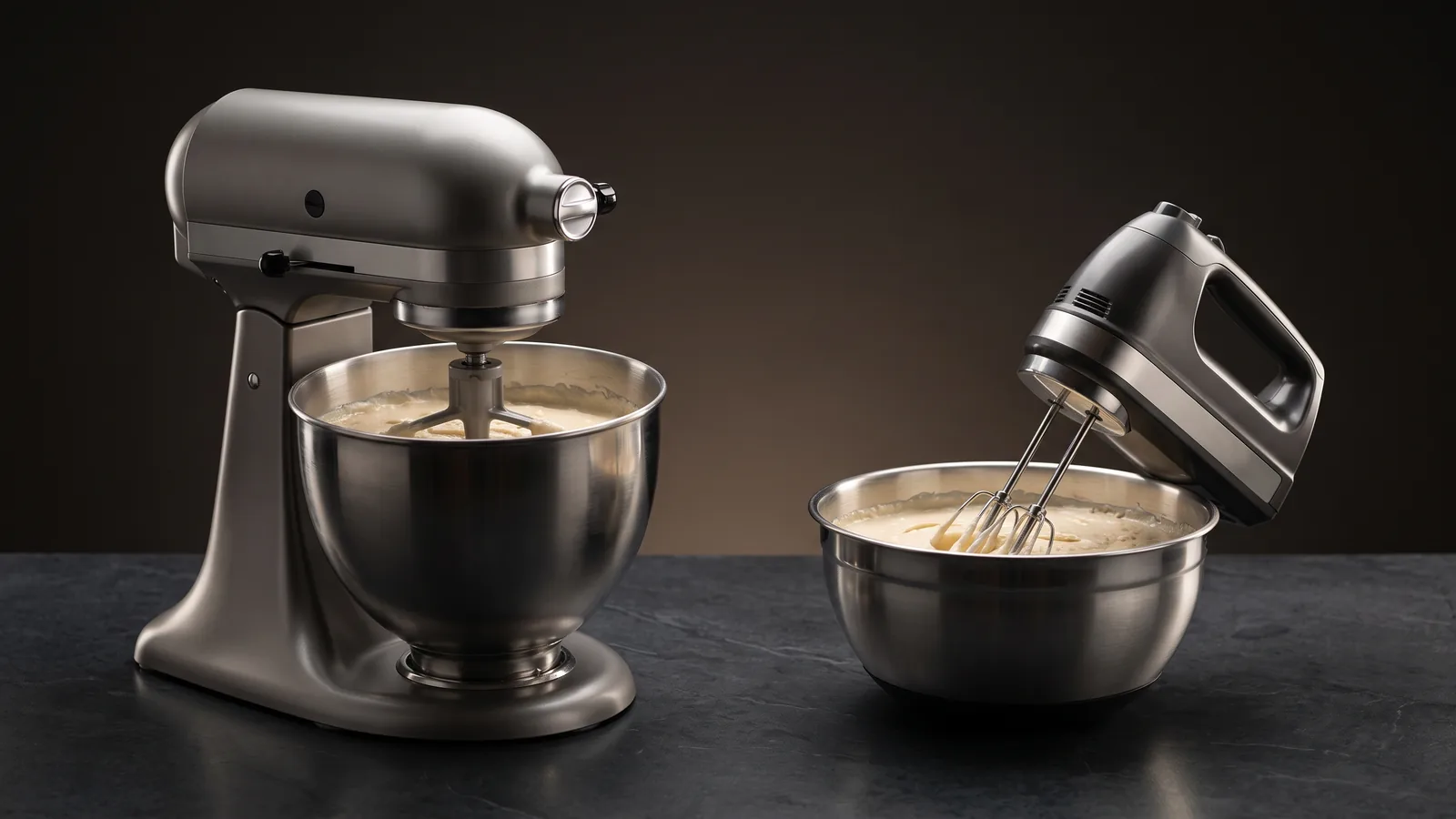
- Stand mixer vs hand mixer — whether you need a stand mixer at all
- How to clean a stand mixer — keep any size running
- The best stand mixers — our ranked picks.
- Which KitchenAid stand mixer to buy — every KitchenAid size compared.