The job is simple, so decide by how hard you use it
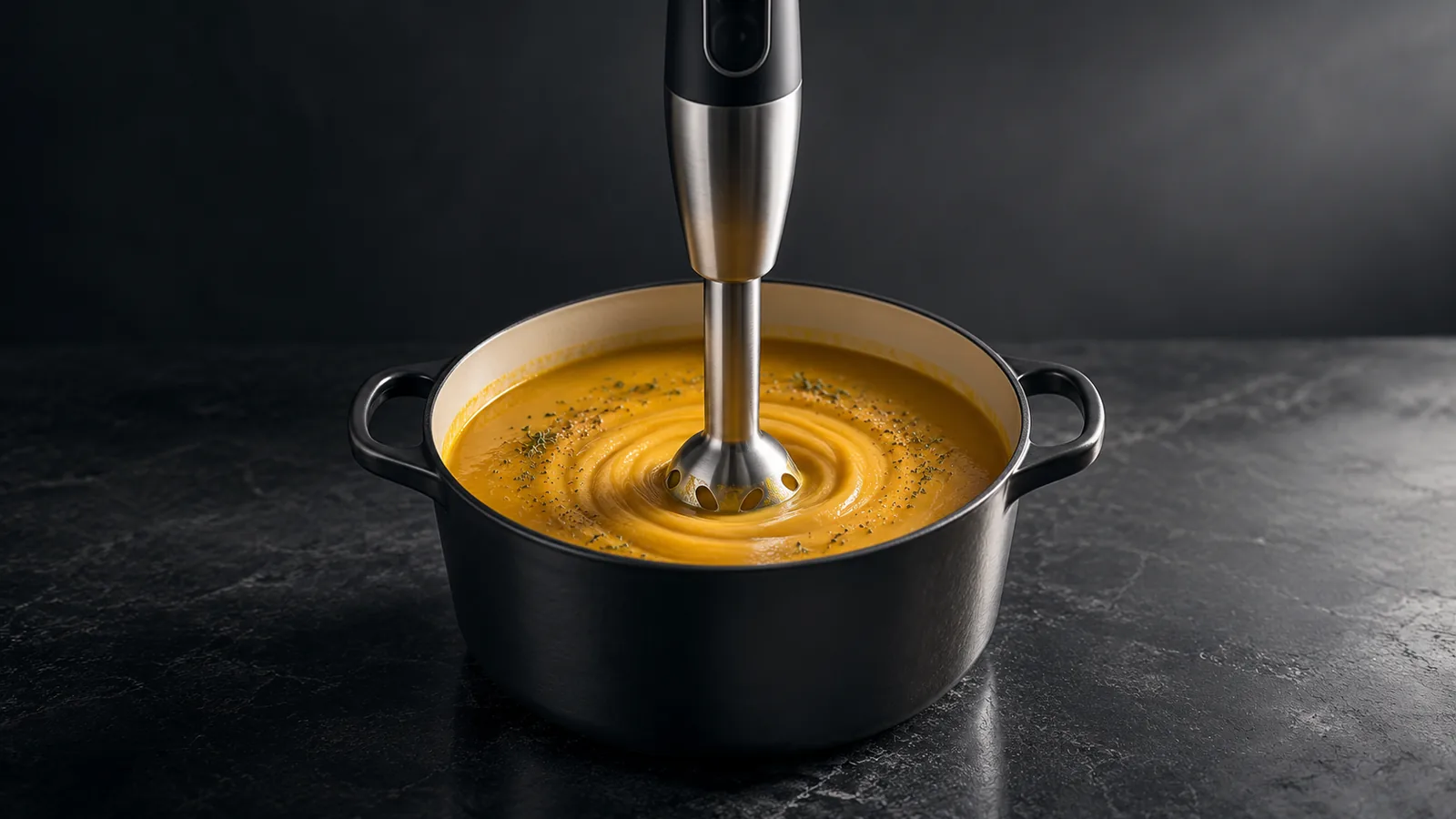
An immersion blender purees soft food in the container it is already in. Any model does that for soup. So the buying question is how hard and how often you will use it — because that is what separates a cheap one that lasts a season of soups from one that replaces three tools for years.
What you actually pay more for
1. Motor power
The clearest difference. A stronger motor blends thick or fibrous mixtures — thick soups, hummus, nut-based sauces — without bogging down or overheating. Budget motors handle thin liquids fine but stall on heavier jobs. If you blend anything beyond brothy soup, motor power is what you feel.
2. Metal vs. plastic shaft
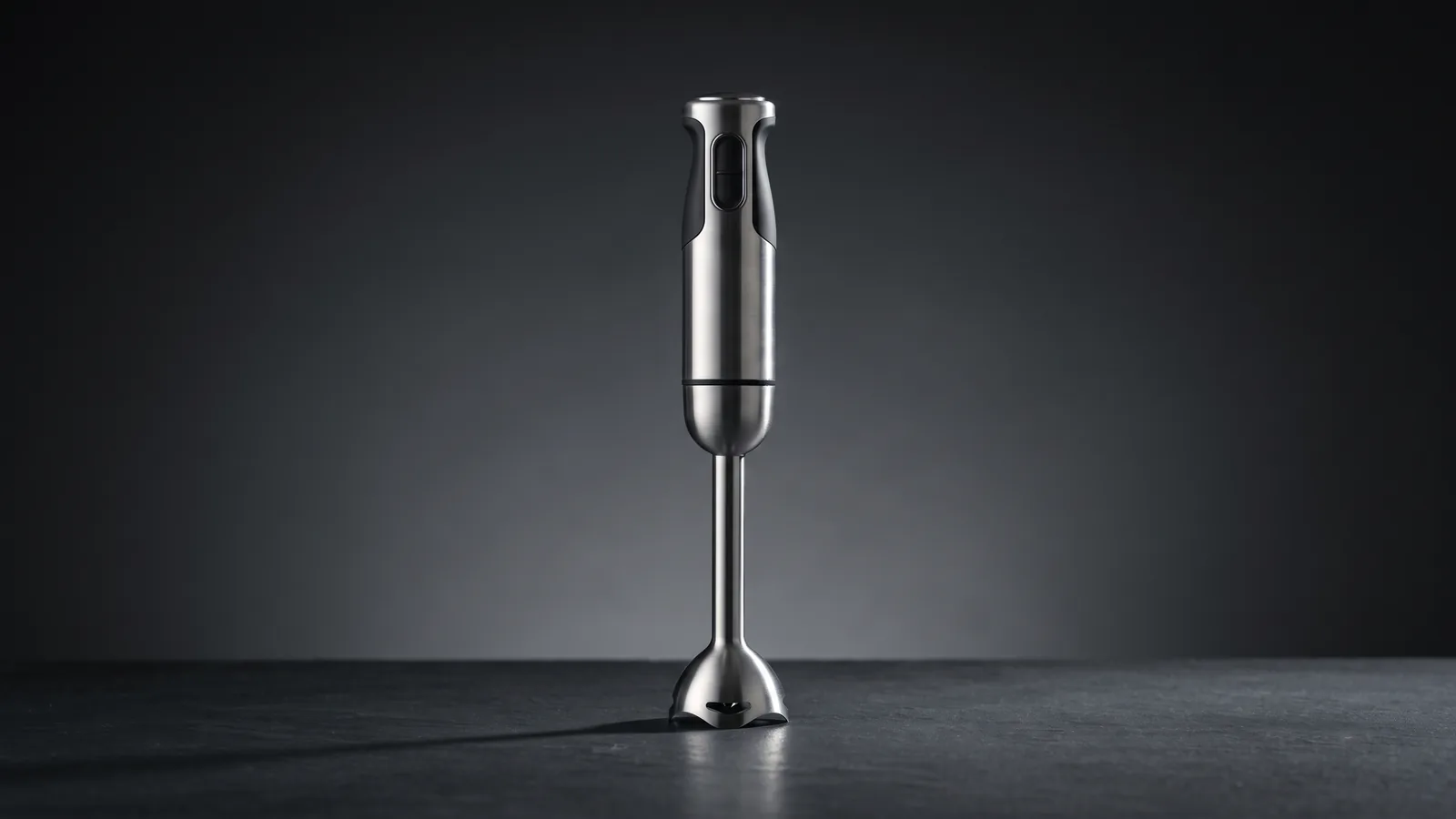
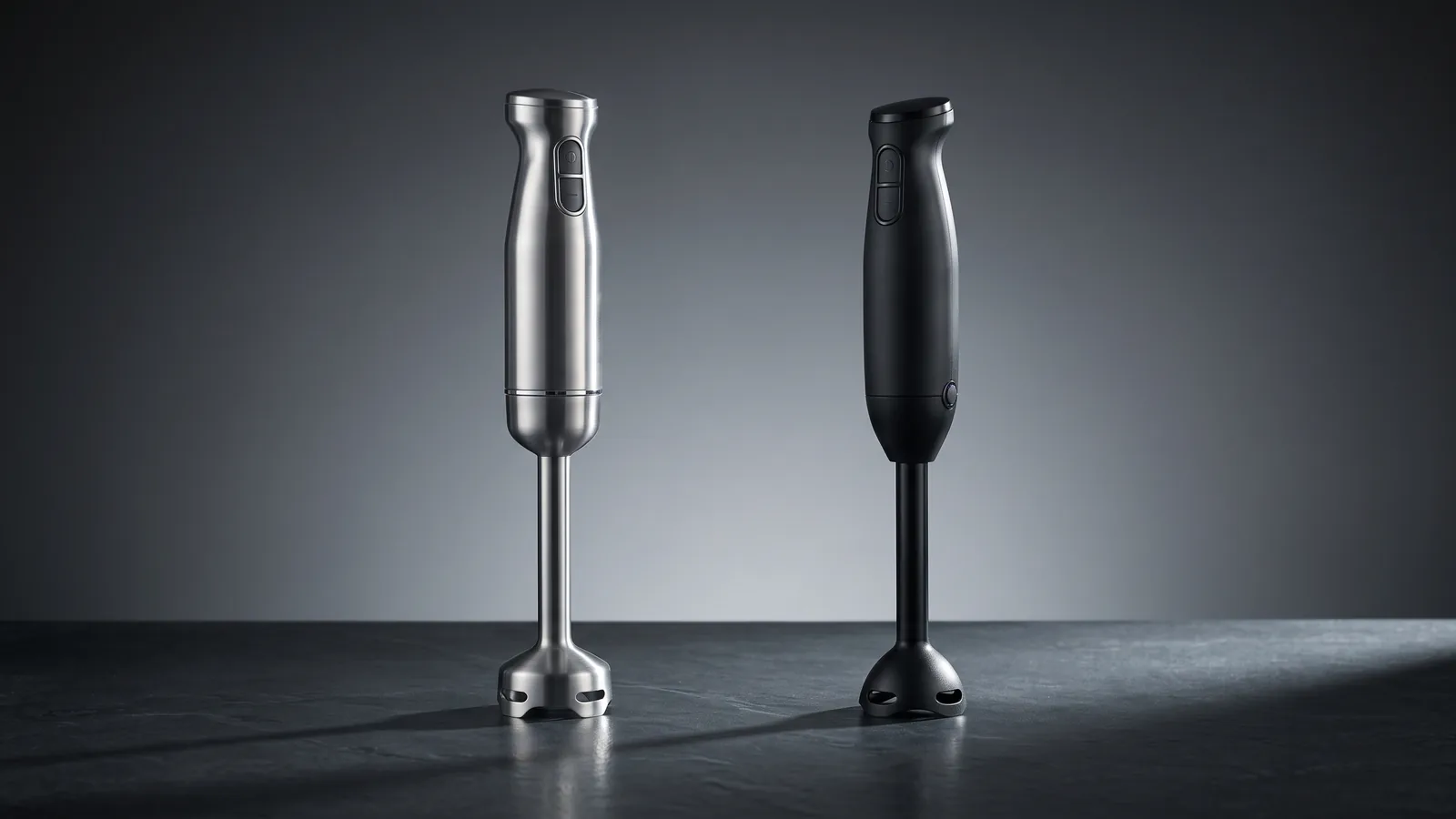
The blending shaft goes straight into hot soup. A metal shaft tolerates that heat and repeated use without warping, staining, or cracking; budget plastic shafts are lighter and cheaper but can degrade over time. Blend hot food often and the metal shaft earns its price.
3. Variable speed
Budget models are usually single-speed (splatter on, splatter off). Variable speed lets you start slow to avoid splashing hot soup and ramp up for a finer puree — real control that makes the tool nicer and safer to use.
4. Attachments
More money often bundles a whisk (whips cream and eggs) and a chopper bowl (minces onions, herbs, nuts), sometimes a masher. Those turn one wand into a tool that replaces a hand mixer and a mini chopper — see how to use an immersion blender for what each does. If you would buy those separately, the bundle is real value.
Budget vs premium, side by side
| Budget (~$15–$30) | Premium (~$50–$100) | |
|---|---|---|
| Motor | Handles thin liquids | Powers through thick mixtures |
| Shaft | Plastic | Metal (heat/wear resistant) |
| Speed | Single | Variable |
| Attachments | Blade only | Whisk, chopper, masher |
| Best for | Occasional soup | Frequent use, versatility |
When a budget immersion blender is the smart buy
When you mainly puree soups and sauces occasionally and want the convenience of blending in the pot. A budget single-speed hand blender does that well for very little money, and it stores in a drawer.
When it is worth paying up
- You blend frequently or tackle thick/fibrous mixtures → motor power.
- You blend a lot of hot food → a metal shaft that lasts.
- You want one tool to whip and chop too → the attachment bundle.
The verdict
Match the blender to how hard you will work it. For an occasional pot of soup, the cheap one is genuinely enough. If you blend often, blend hot, or want the whisk-and-chopper versatility, a mid-price model with a metal shaft and attachments is the buy — it lasts longer and replaces other gadgets, which is where the extra money earns back.