1. Type: centrifugal or cold-press
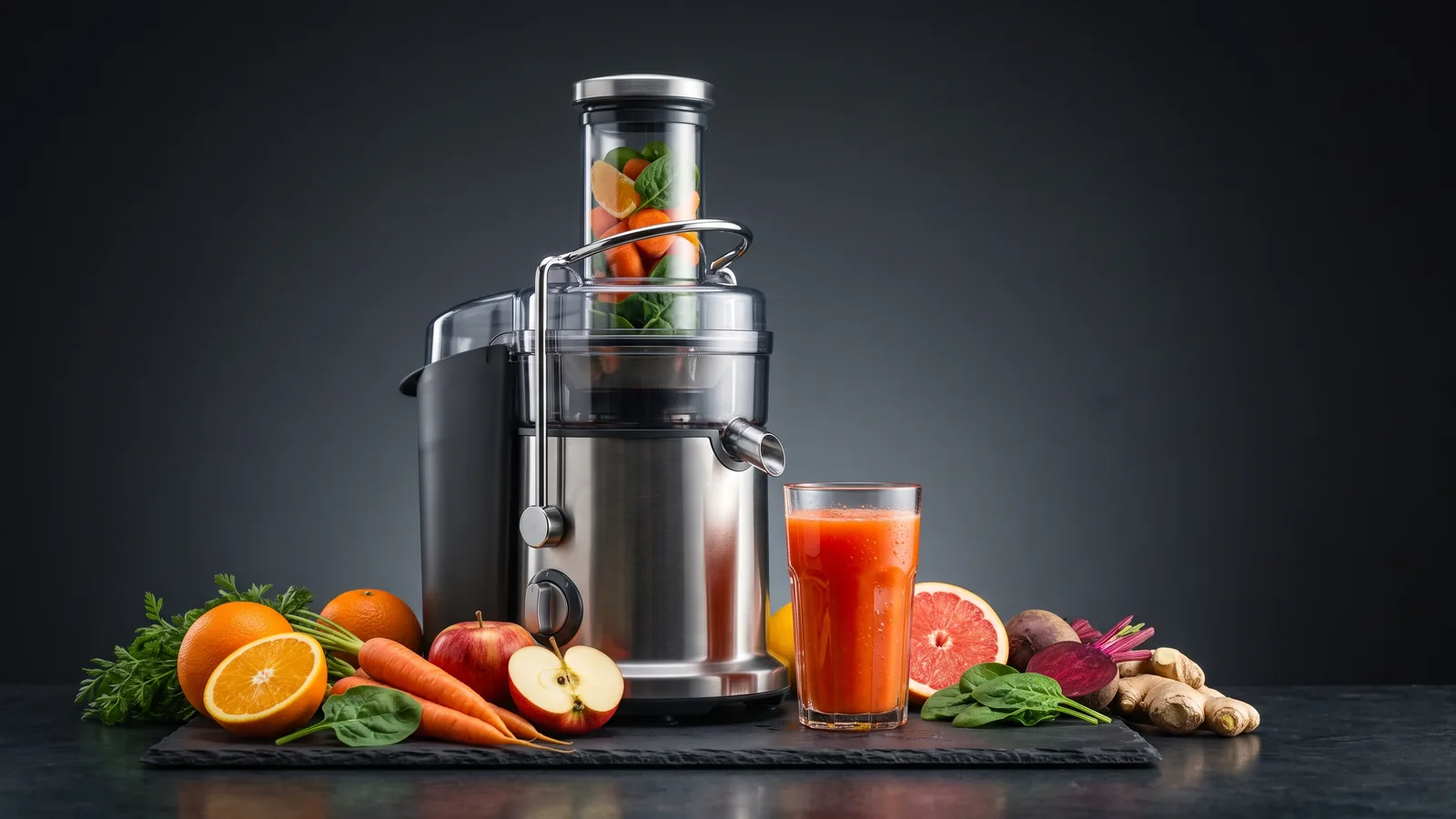
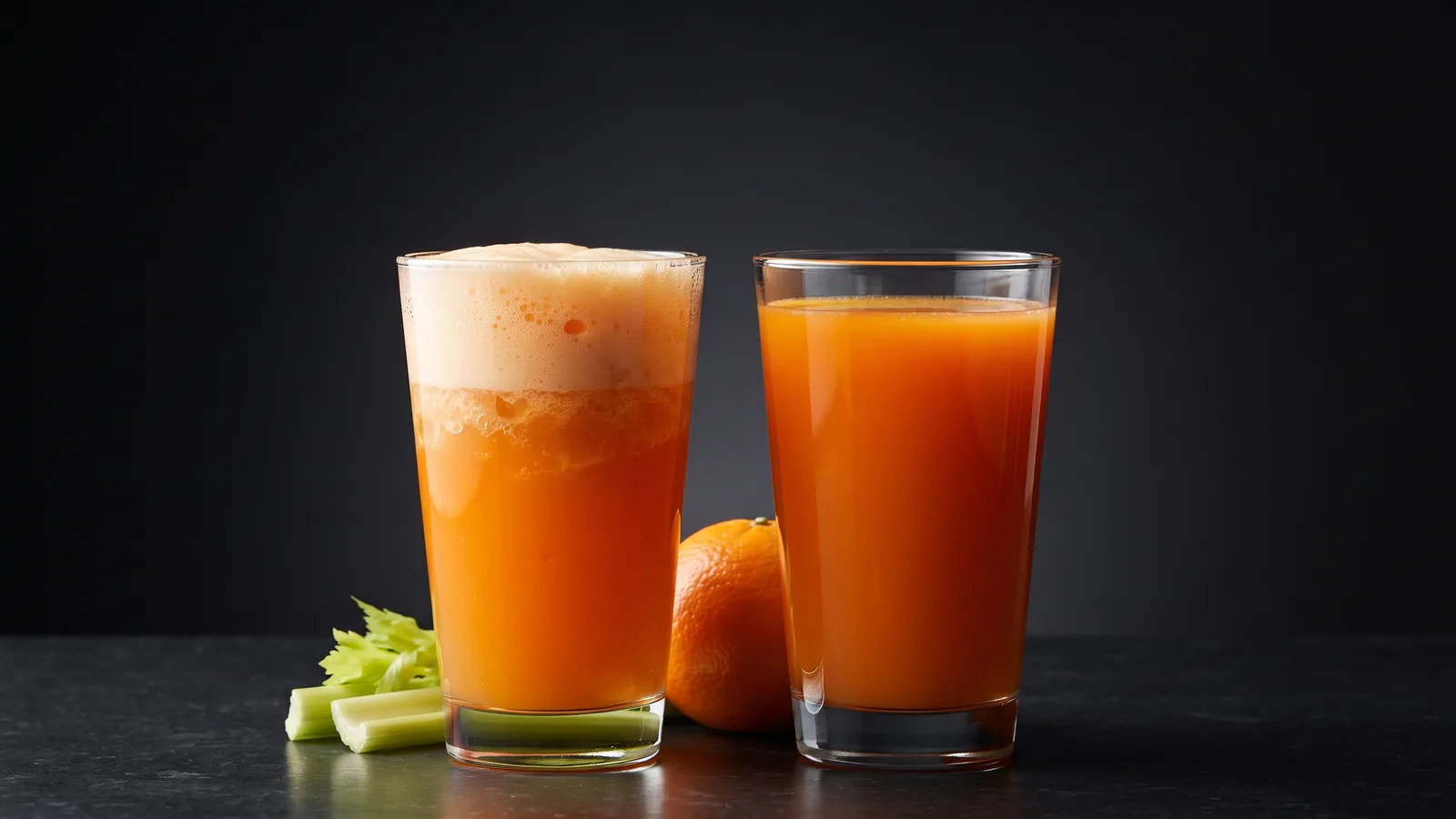
This is the decision everything else hangs on. Centrifugal juicers shred produce against a fast blade — quick, easy to feed, cheaper, but foamier, louder, and slightly lower-yield. Cold-press (slow, masticating) juicers crush and squeeze slowly — more juice, less foam and oxidation, much better with greens, but slower and usually pricier.
Speed and price point to centrifugal; yield and juice quality point to cold-press. The full trade-off is in centrifugal vs cold-press juicers — settle this first.
2. What you’ll actually juice
Match the machine to your produce, not to the widest possible menu:
- Hard fruit and vegetables (apples, carrots, beets): either type handles them; centrifugal is fine here.
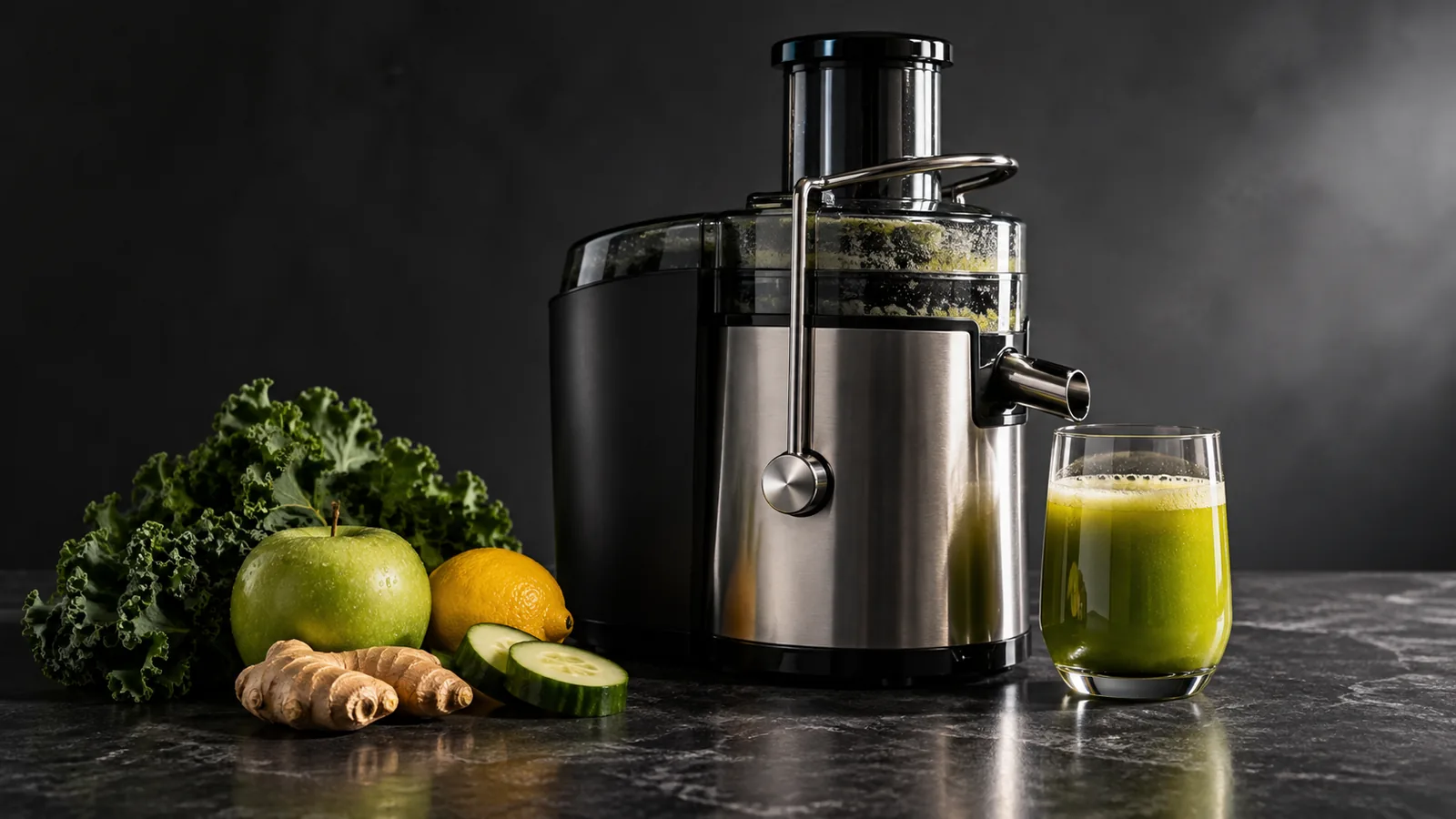
- Leafy greens (kale, spinach, wheatgrass): cold-press wins decisively; most centrifugal machines struggle.
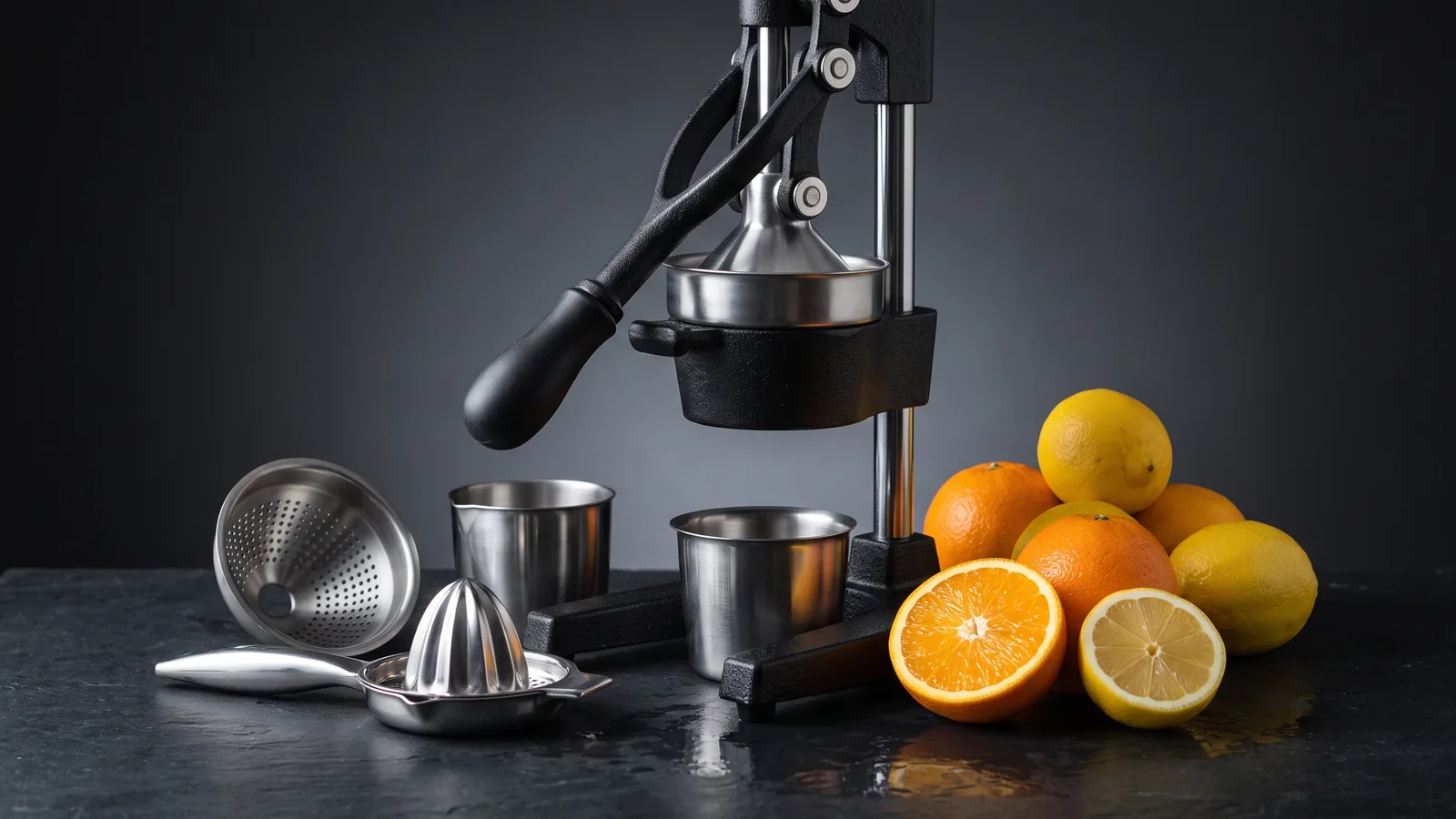
- Citrus (oranges, lemons, limes): a dedicated press is simpler, cheaper, and often plastic-free.
If you imagine “everything,” be honest about what you’ll juice weekly. Buying a greens-capable cold-press you’ll only feed apples is spending for a capability you won’t use.
3. Cleanup — the factor that decides everything
Here’s the truth behind abandoned juicers: cleanup, not performance, is what kills the habit. A machine that’s a chore to disassemble and scrub gets used twice and shelved.
So weight your choice toward: few parts, dishwasher-safe components, a strong anti-clog reputation, and the discipline to rinse right after juicing before pulp dries. A slightly lower-spec juicer you’ll actually clean beats a higher-spec one you won’t. This single factor should move your decision more than wattage or extra presets.
The easy-to-live-with pick
If you want cold-press juice quality without the cold-press cleanup pain — the exact tension above — this is the machine built around it, and the top pick in our best juicers guide.

Ninja NeverClog Cold Press Juicer
A cold-press juicer engineered against the two things that make people quit slow juicers: clogging and slow cleanup. You still get the higher yield and lower foam of a masticating machine, but it's easier to live with day to day, and a large, well-rated owner base backs that up. It costs more than a basic centrifugal machine and feeds more slowly, but for most people wanting good juice they'll keep making, it's the sensible default.
Prime Day Amazon Prime Big Deal Days is on — a good time to check the live price.
Check current price on AmazonWhat buyers praise
- Cold-press yield and low foam without the usual clogging
- Easier cleanup than most slow juicers — the deciding factor
- Large, well-rated owner base at a mainstream price
What buyers flag
- Costs more than a basic centrifugal machine
- Slower to feed than a wide-chute centrifugal juicer
4. Materials — if plastic contact matters
Most juicers put some plastic in the juice path. For a reputable modern machine that plastic is food-grade and BPA-free, so it’s designed to be safe — but if minimizing plastic contact matters to you, look for a stainless-steel auger and screen on a cold-press machine, or a cast-iron or stainless citrus press for fully plastic-free citrus. The full picture is in non-toxic and plastic-free juicers.
Features worth paying for (and not)
- Worth it: a wide feed chute (less chopping), dishwasher-safe parts, a proven anti-clog design, and — for frequent juicers — a large hopper or hands-free feeding.
- Secondary: multiple speed settings, high wattage numbers, and extra attachments you’ll rarely use. Don’t let a spec sheet outvote yield and cleanup.
The bottom line
Pick the type for how you juice, match it to the produce you actually use, and then — above all — choose a model you’ll be willing to clean. Materials are the fourth lever for anyone minimizing plastic. Nail those four and you don’t need to agonize over the exact model; the right machine will be the one that keeps getting pulled out of the cupboard.