Decide by the milks you make, not the price
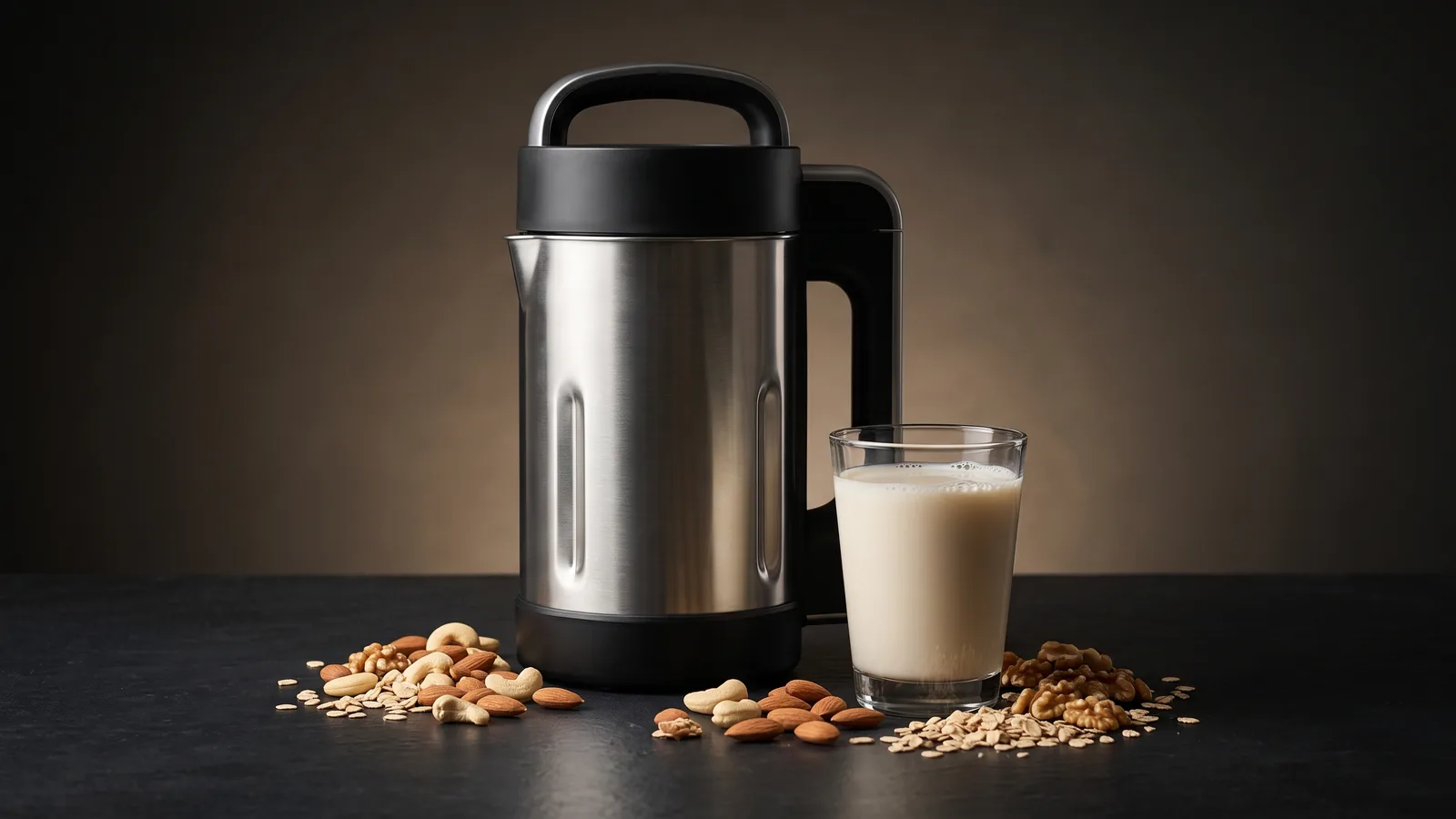
Every plant-based milk maker blends nuts or grains with water into milk — see how plant-based milk makers work. But two things split them sharply: can it heat (which decides whether you can make soy and warm milks), and what touches your food (stainless vs. plastic). Those decide the maker more than the price tag does, so start there.
What you actually pay more for
1. Heating (soy and warm milks)
The biggest functional divide. Raw soy milk must be cooked to be safe and palatable, and warm grain milks need heat too. Budget makers are usually cold-only — great for almond, cashew, and oat, but they cannot make soy safely. A heating cycle is the main capability the premium unlocks. If soy is on your list, this decides the purchase.
2. Stainless steel vs. plastic food-contact surfaces
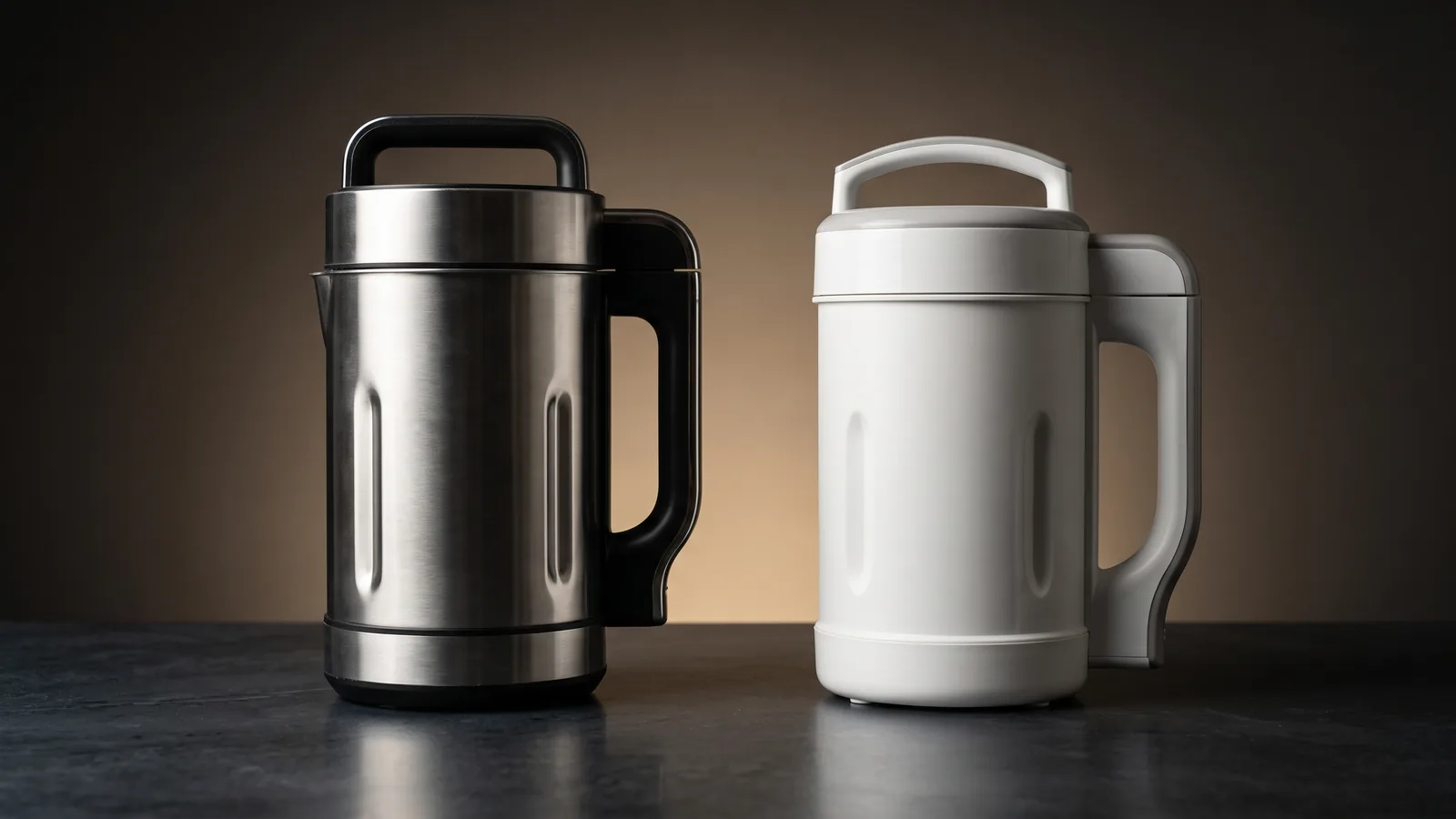
On many budget makers, the parts that contact the milk during processing are plastic — the most common source of off-taste and “non-toxic” concerns, especially during heated cycles. Pricier makers more often use stainless steel food-contact surfaces, which are taste-neutral and durable. If a plastic-free path matters to you, this is one of the clearest reasons to pay up — see non-toxic nut milk makers.
3. Strain-free vs. bag-strain
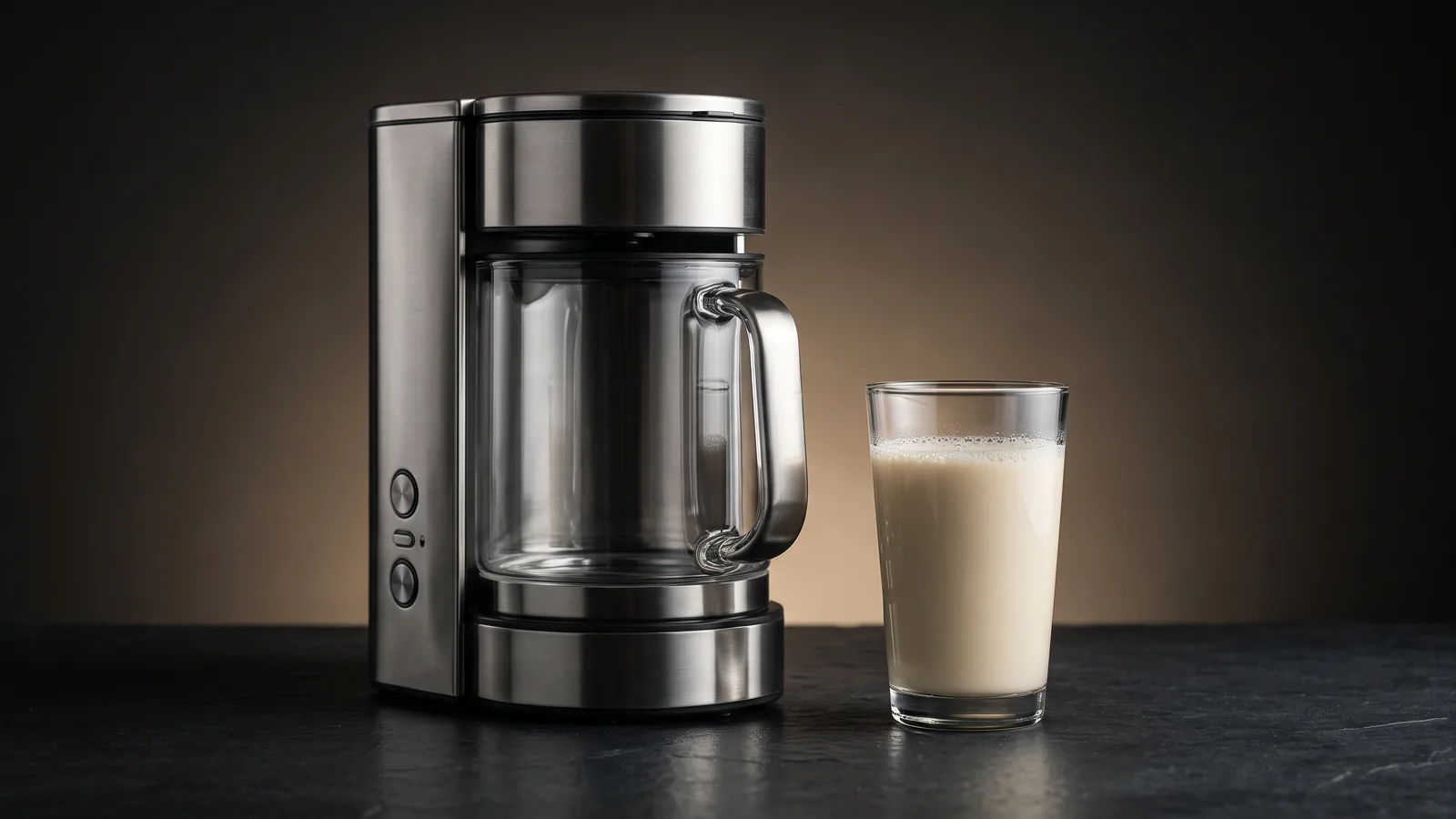
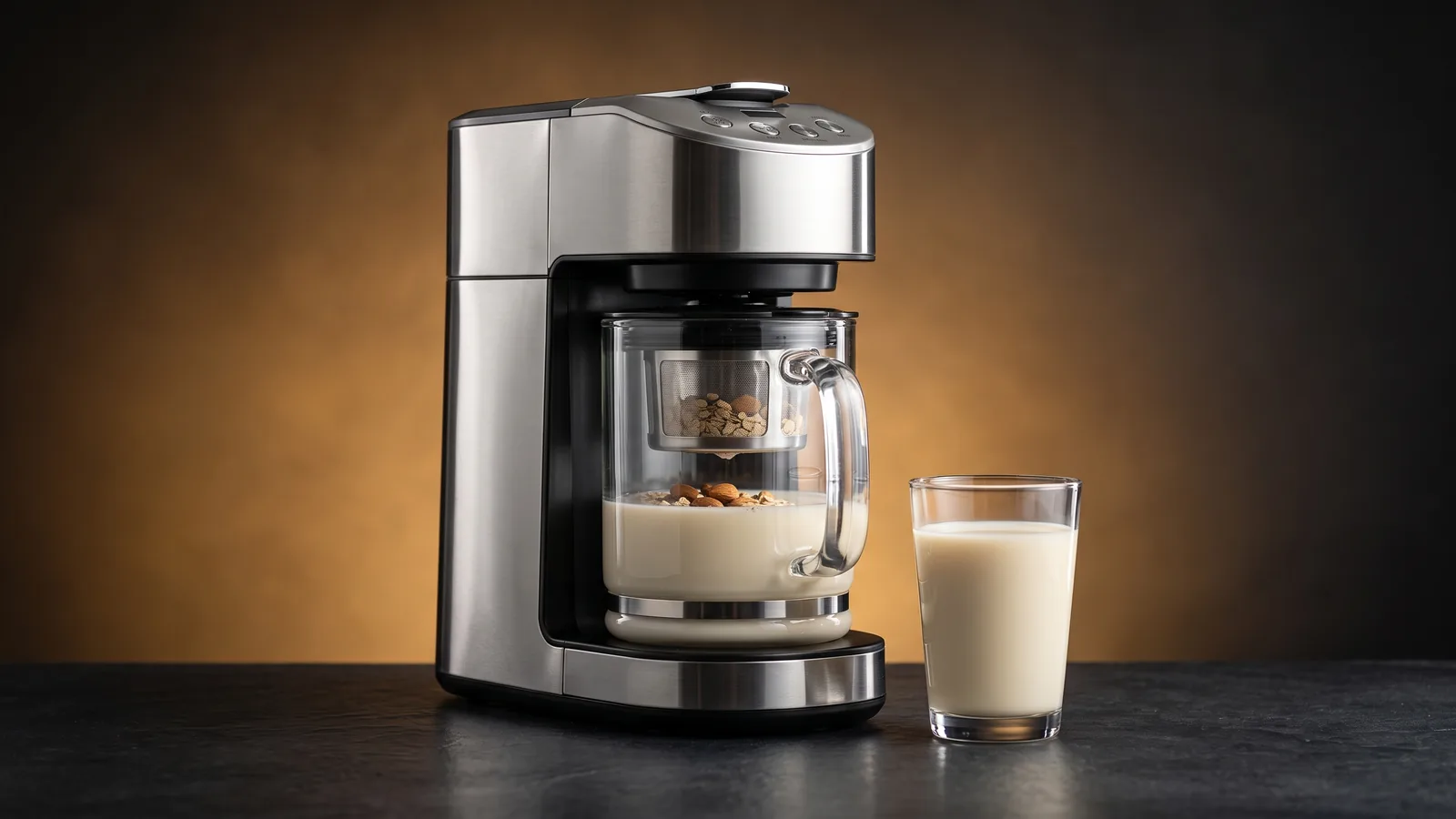
Budget makers often require straining the milk through a bag afterward — effective but messy. Premium makers frequently offer strain-free operation, filtering fine enough that no bag is needed. It is a real daily-convenience upgrade; the trade-off is covered in strain-free vs bag-strain.
4. Capacity, programs, and self-cleaning
More money buys preset programs (almond, oat, soy, warm/cold), larger or adjustable batch sizes, and self-clean cycles that rinse the blades and chamber for you. Cleaning is the most-cited chore in this category, so a good self-clean cycle is worth real money to frequent makers.
Budget vs premium, side by side
| Budget (~$40–$80) | Premium (~$120–$250) | |
|---|---|---|
| Heating (soy, warm milks) | Cold only | Yes |
| Food-contact material | Often plastic | Often stainless steel |
| Straining | Usually bag-strain | Often strain-free |
| Cleaning | Manual | Self-clean cycle |
| Best for | Cold almond / oat milk | Soy, warm milks, plastic-free, convenience |
When a budget plant-based milk maker is the smart buy
When you make cold nut or oat milk and do not need soy or warm milks. A budget maker blends almond, cashew, or oat milk perfectly well, and with a straining bag the result is still smooth and creamy. It is the sensible pick for a cold-milk routine.
When it is worth paying up
- You want soy or warm/cooked milks → a heated maker (required).
- You want stainless, not plastic, touching your milk → non-toxic food-contact surfaces.
- You make milk often → strain-free operation and a self-clean cycle.
Start with the best plant-based milk makers and the guide to choosing one.
The verdict
Price is the wrong first question here — the milks are. If you drink cold almond or oat milk, a budget maker is genuinely all you need. If you want soy or warm milks, stainless food-contact surfaces, or strain-free, self-cleaning convenience, those are the specific things the premium buys — and they are worth it for the routine that needs them.