Ready to choose? For most people the ChefWave Milkmade is the best overall — see the full ranking.
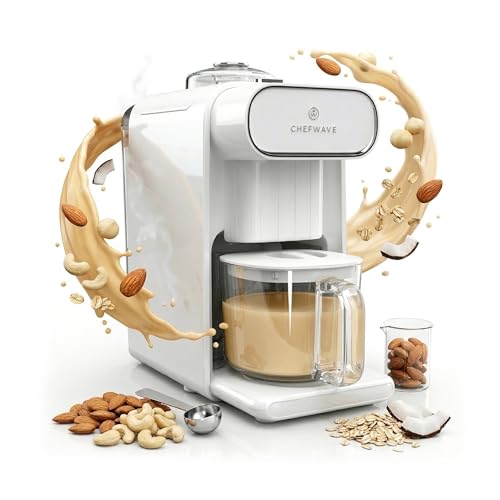
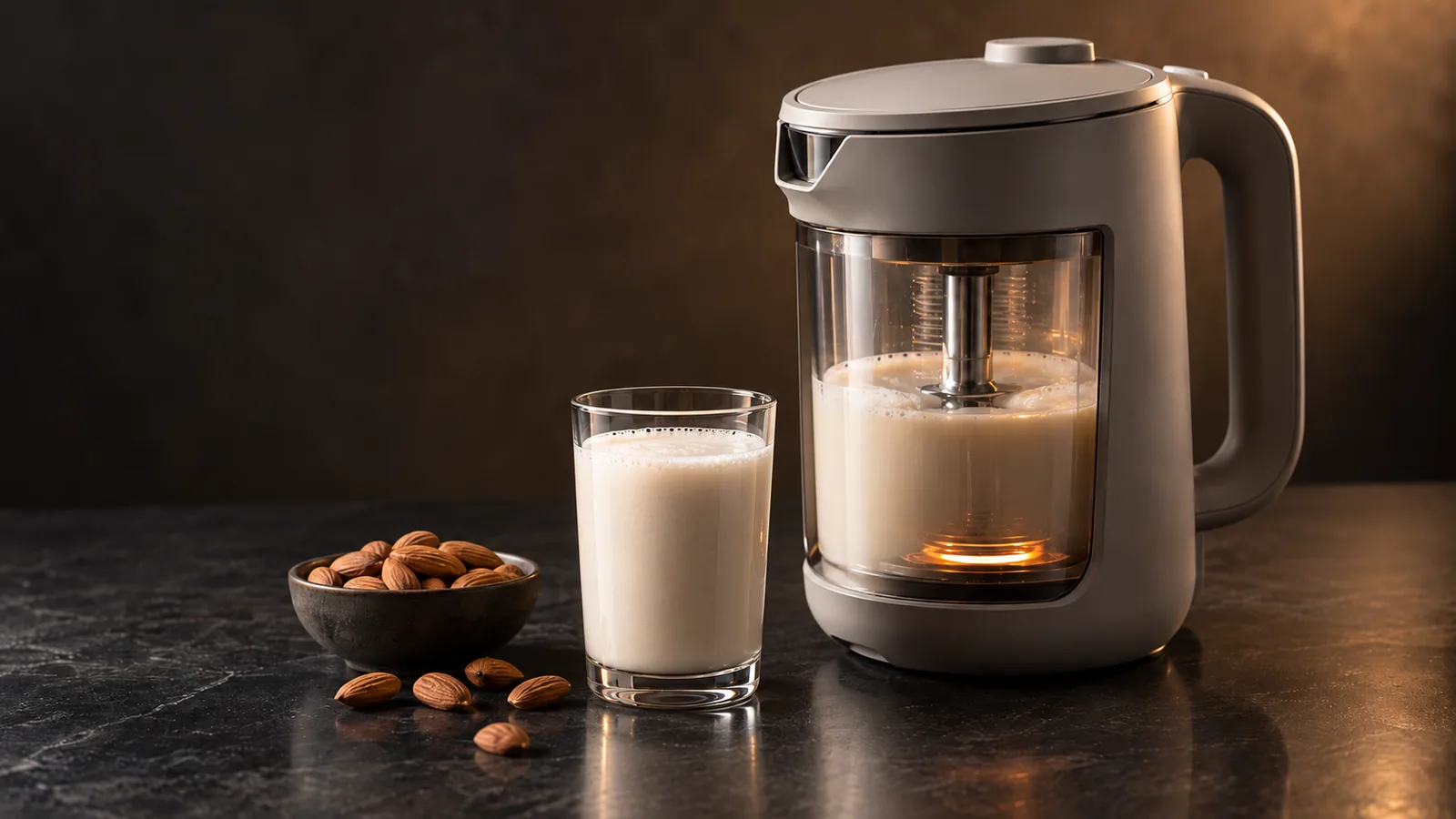
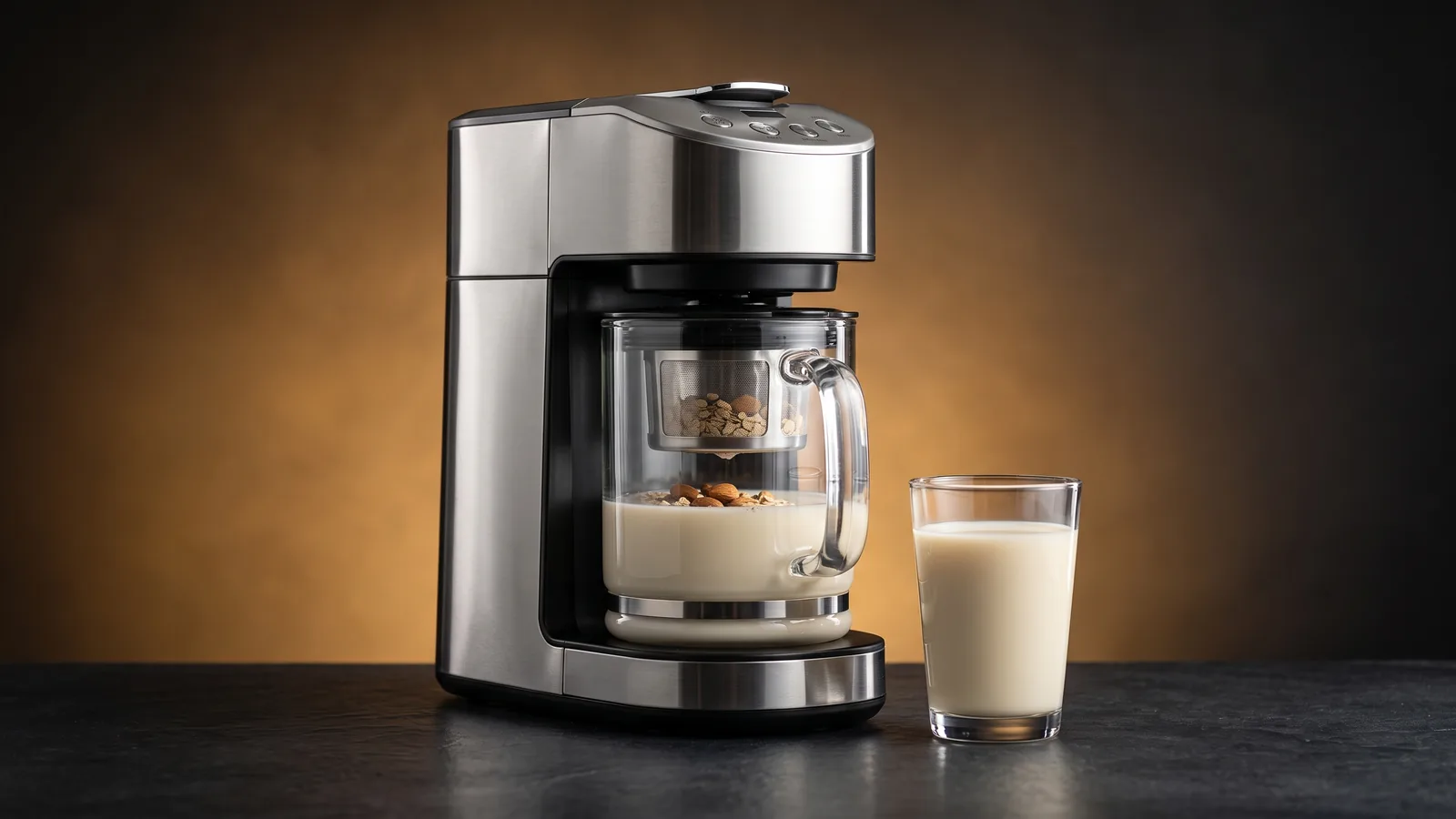
ChefWave Milkmade 6-in-1 Nut Milk Maker
The most versatile machine and the easiest to clean — the best pick for most buyers. Six programs cover cold nut milks plus heated soy, oat, and rice, so it replaces what would otherwise take two machines, and cleaning is the quality its owners reward it for most. The honest trade-off is durability, the quality it is penalized for most; inspect on delivery, as a subset report units arriving used.
Prime Day Amazon Prime Big Deal Days is on — a good time to check the live price.
Check current price on AmazonWhat buyers praise
- Six programs including heated soy and oat — one machine for every milk
- Cleaning is its standout strength — rewarded above the category norm
- Glass pitcher — taste-neutral and dishwasher-safe
- Controlled-heat oat program avoids cold-blended sliminess
What buyers flag
- Durability is the quality owners penalize most
- A subset report units arriving open-box or used — inspect on delivery
- A few note an off-smell on the soy cycle specifically
- Higher price than budget machines
What this guide covers
Choosing a plant-based milk maker is simpler than the spec sheets suggest — and harder than the marketing implies. This guide cuts to what the verified-buyer record shows actually predicts daily satisfaction, and what you can safely ignore.
The two features that actually matter
1. Interior material: stainless versus plastic
The single most consistent complaint across budget milk makers is a plastic smell transferred to the milk during heating. It concentrates in machines where polypropylene components contact liquid above 140°F — which is every budget heated model whose interior is not fully stainless.
Buyers who mention interior stainless steel in their reviews report the complaint at a fraction of the rate of those using plastic-interior machines. If the machine heats liquid, interior material is the most important spec to verify before buying.
What to look for: the manufacturer should specify “stainless steel interior” or “food-grade stainless jug.” If the listing says “BPA-free plastic,” the material is still plastic — it just doesn’t contain bisphenol A. That is different from stainless.
2. Filter design: strain-free versus bag-strain
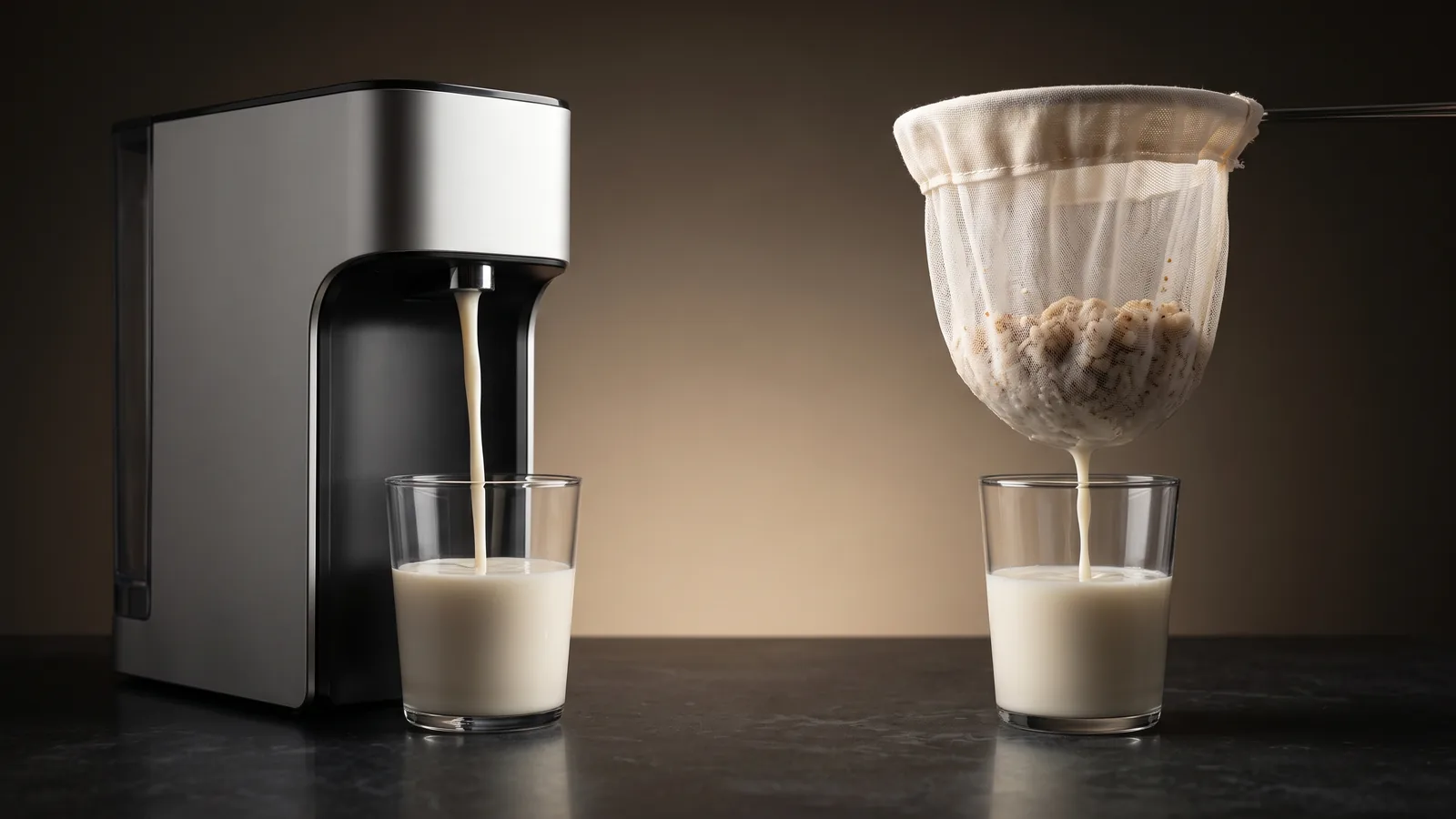
Strain-free machines run the milk through a built-in mesh filter — convenient, but the filter clogs with nut pulp and requires thorough cleaning after each batch. Bag-strain machines use a separate nut milk bag you squeeze by hand — more steps, but the bag is easy to clean and often produces a cleaner, smoother result on fibrous nuts.
Buyers who use the machine daily tend to prefer strain-free for speed. Buyers who make milk two or three times a week and care more about texture and complete cleanup report higher satisfaction with bag-strain or hybrid designs.
Read the full comparison: Strain-Free vs Bag-Strain Milk Makers
Features you can safely deprioritize
Wattage above 300W. Enough power to blend soaked nuts is roughly 300–400W. Buyers of 800W and 1,200W machines report no consistent texture improvement over properly soaked nuts in a 300W machine. Wattage is the easiest number to inflate in a spec sheet.
Preset count. A machine with twelve programs for almond, oat, soy, cashew, hemp, rice, corn, soup, juice, baby food, and warm water sounds comprehensive. Buyers who use more than three programs regularly are rare. The underlying mechanics (blend time and temperature, if heated) are what matter — and these are often identical across presets.
LCD displays. A display that tells you the remaining minutes is useful. Animated graphics, temperature readouts in the middle of a cycle, and color-coded program icons are not.
The capacity question
Rated capacity refers to the water volume the machine accepts, not the usable milk output. A machine rated at 32oz (1 liter) typically yields 24–26oz of drinkable milk after accounting for:
- Foam that stays in the carafe or dissipates
- Milk left behind with the pulp cake
- The minimum fill line — you usually cannot fill the machine below 20oz even for a small batch
If you need a full liter of finished milk per batch, buy a 40oz+ machine. If you are making milk for one person’s daily use — a cup of coffee and a bowl of cereal — a 20oz personal-size machine is sufficient and meaningfully easier to clean.
Read more: Plant-Based Milk Maker Sizes Explained
Heated versus cold-extraction: the short version
Most dedicated milk makers heat the liquid. This extracts more solids from nuts, produces a slightly creamier result, and — critically for soy milk — is required. Raw soy contains enzyme inhibitors that cause digestive discomfort; heating deactivates them.
Cold-extraction machines blend without heat, producing a lighter, fresher-tasting result that works well for almond and cashew. They do not work for soy.
Oat milk is a special case: heat causes oat starches to gelatinize, producing a slimy texture. Oat milk should always be made cold, regardless of what machine you own. If oat is your primary milk, a cold-extraction machine or a heated machine with a dedicated cold-blend program is the right choice.
Read the full explainer: How Plant-Based Milk Makers Work
Self-cleaning: what it actually does
Most machines include a “self-cleaning” program — typically 30–60 seconds of warm water and rapid blending. This removes immediate residue and is worth running after each batch. It does not remove nut oil buildup from the filter, remove staining from repeated use, or clean the external carafe threads.
A machine that markets “self-cleaning” still requires a manual brush clean of the filter and blade assembly at minimum once a week. Buyers who expect the self-cleaning program to replace manual cleaning report dissatisfaction; buyers who treat it as a rinse step report it works as advertised.
Read the full guide: How to Clean a Nut Milk Maker
Decision checklist
Before buying, confirm:
- Interior is stainless steel if the machine heats liquid
- Filter type matches your tolerance for cleanup (strain-free for speed, bag-strain for thoroughness)
- Capacity matches actual yield needs — not rated capacity
- Has a cold-extraction option if oat milk is a regular use
- Has a heating cycle if soy milk is a regular use
- Replacement filters are available and the price is reasonable
With the criteria clear, see the best plant-based milk makers for our picks — matched to oat, soy, nut, and strain-free vs. bag-strain use.