The short answer
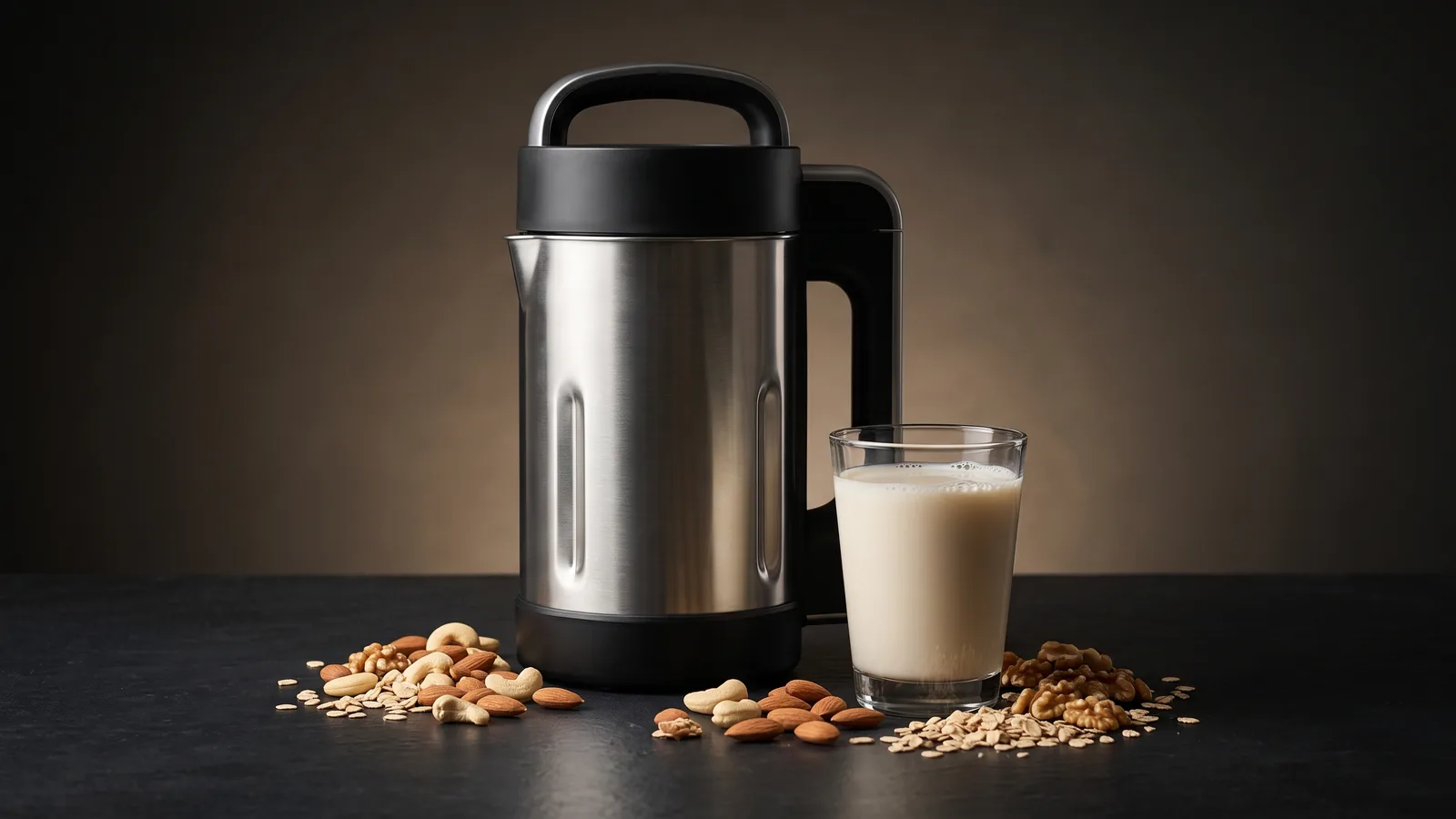
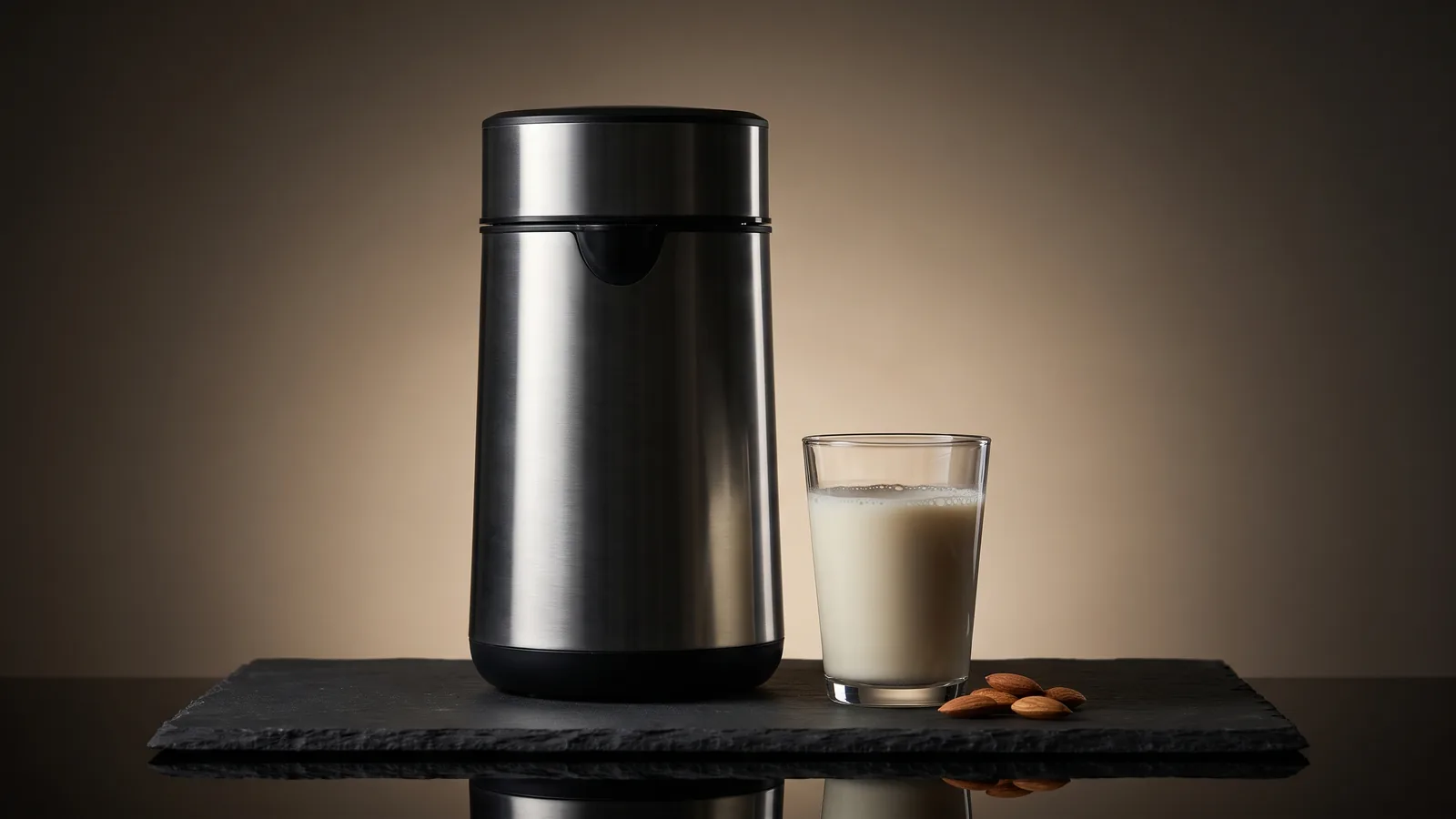
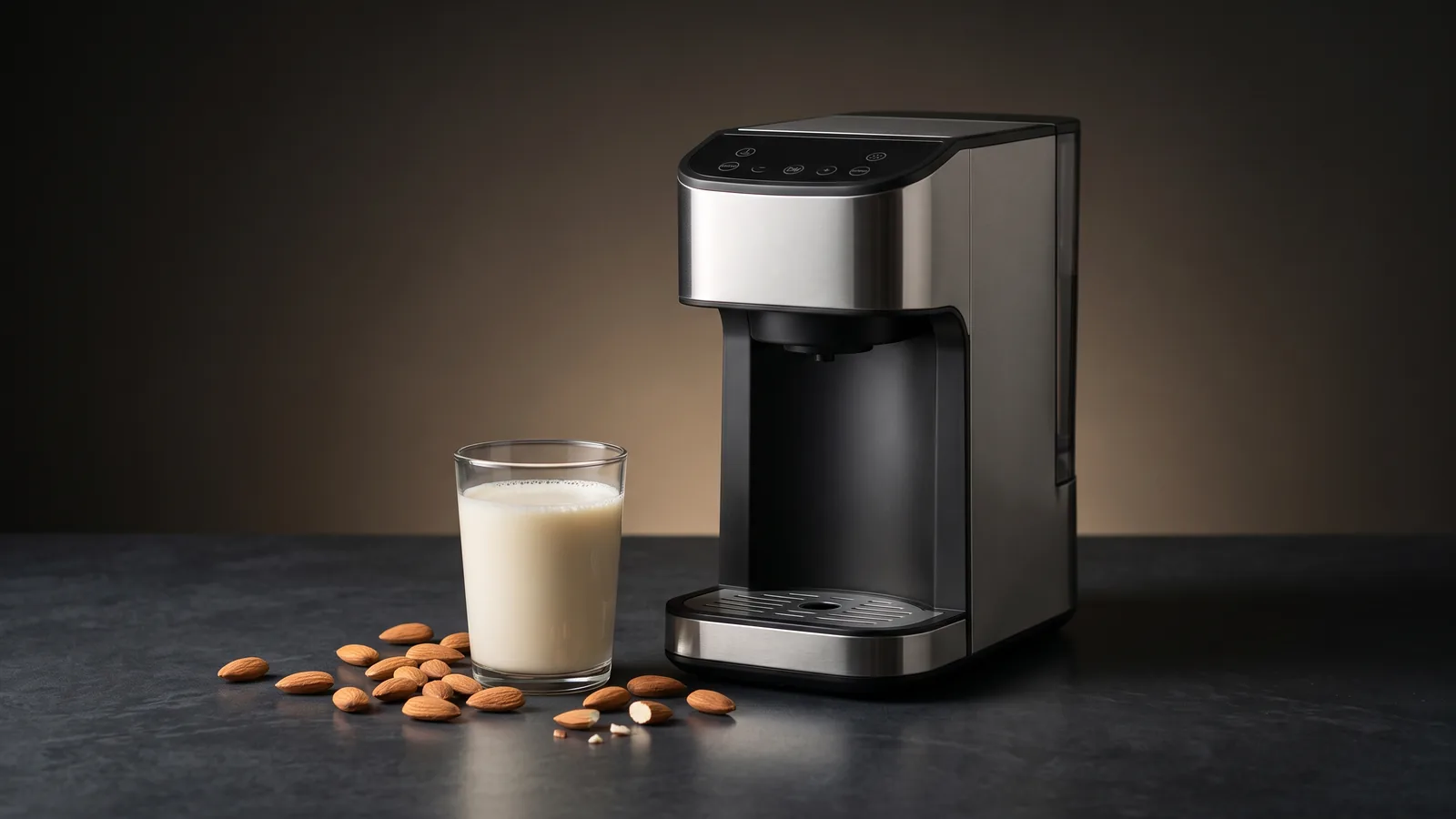
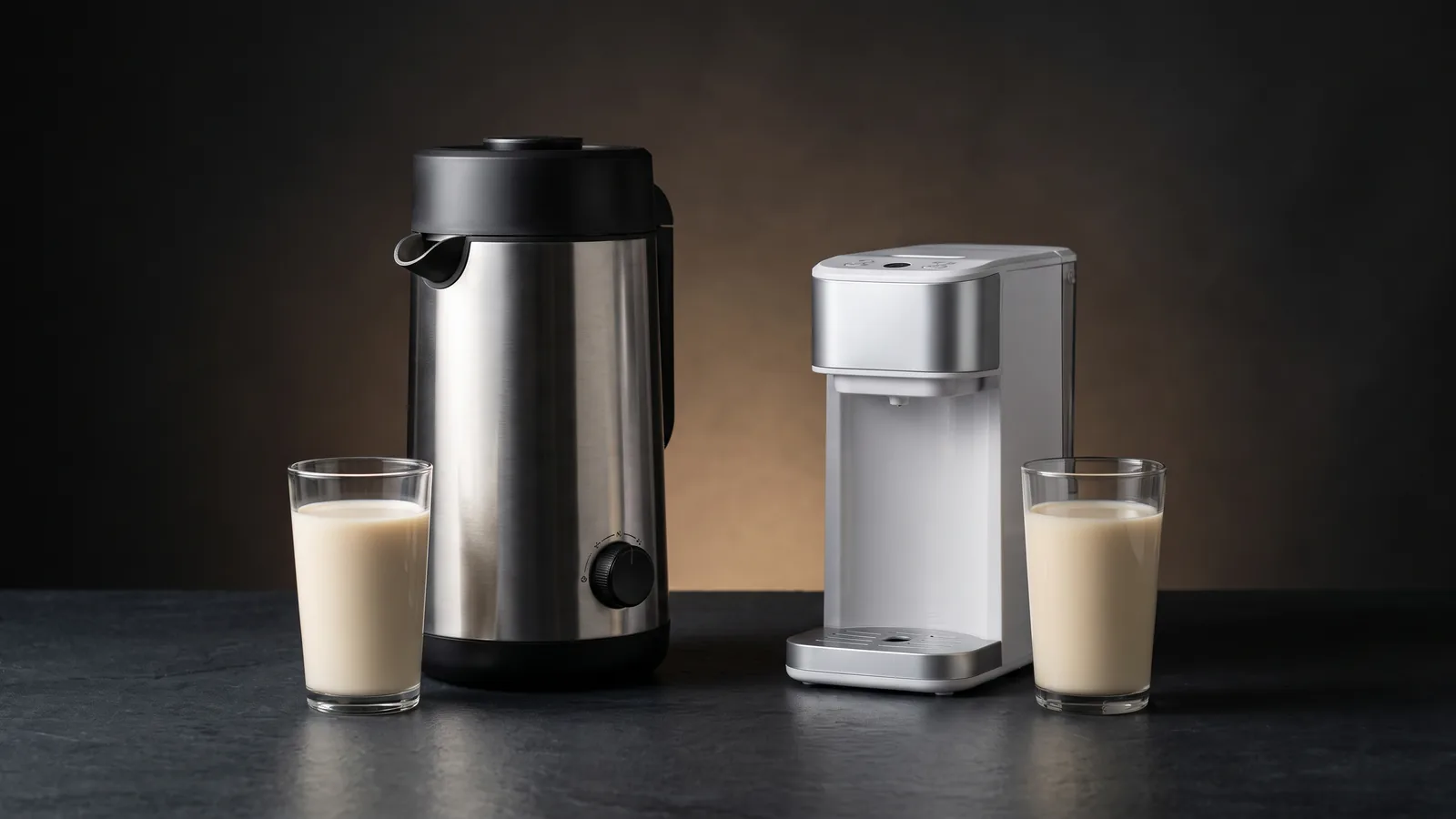
These two get compared constantly because they occupy the same lane: premium-ish, cold-extraction, strain-in-the-machine plant milk makers with no heated soy cycle. On the buyer evidence, they split cleanly — each is strongest exactly where the other is weakest.
| Nama M1 | Almond Cow | |
|---|---|---|
| Price tier | Premium | Lower, better-value entry |
| Makes soy milk? | No (cold only) | No (cold only) |
| Standout strength | Durability + refined result | Value + simplicity |
| Signature weakness | Occasional mixing/motor reports | Coarser strain (more pulp) |
| Build | Heavier, sturdier | Lighter, simpler |
| Batch size | Refined, single-container | Larger batch |
| Owners reward it for | Durability, value, cleaning, texture | Value, quality, clear setup, cleaning |
Where the Nama M1 wins
Durability — the decisive one. Longevity is the single most common complaint across plant-based milk makers, and it is where the M1 separates itself: owners penalize it far less on durability than the category norm. The build backs it up — owners describe the parts as heavier and sturdier, one directly comparing them as “heavier and sturdier than Almond Cow.” If you want the machine most likely to still be running years from now, this is it. (Honest caveat: a minority still report an early failure, so it is strong, not infallible.)
A more refined result. Texture is a quality owners reward the M1 for, and its strain-free design produces a cleaner, smoother milk with less effort. For buyers who care about the quality of the finished milk more than the size of the batch, the M1 leads.
The premium reads as justified. The most striking data point: despite being the most expensive machine in this category, the M1 is rewarded for value-for-money more than a typical machine — the opposite of most premium products. Owners feel the price bought them something real.
Where the Almond Cow wins
Value at a lower price. The Almond Cow is rewarded for value and overall quality above the norm too, and it does it at a meaningfully lower price. For buyers who want strong cold nut milk without the premium outlay, it is the more accessible pick — and its owners largely feel it was worth it, with “worth the investment” a recurring note.
Batch size. The Almond Cow makes a larger batch, which suits households and daily coffee drinkers. The M1’s single-container design favors refinement over volume; if you make milk in quantity, the Almond Cow’s capacity is a genuine advantage.
Simplicity and support. Ease of use and clear instructions are both qualities owners reward the Almond Cow for above the norm — it is an easy machine to live with and get started on, which lowers the frustration that sinks a lot of first-time milk-maker purchases.
The one trade-off each way
The comparison really comes down to two weaknesses pointing in opposite directions:
- The Almond Cow’s is filtration. It strains through a basket rather than a fine filter, so the milk is heartier and carries more pulp — “the filter is terrible” is the sharpest version of a recurring complaint. A single second pass through a nut-milk bag fixes it for those who want silky milk.
- The Nama M1’s is mixing. Against a category generally rewarded on blending, the M1 is penalized relative to that norm — a minority report motor noise or an incomplete blend. It is the exception in an otherwise strong profile.
Neither weakness is a dealbreaker; they are simply the honest thing to weigh depending on what you care about most.

Nama M1 Plant Milk Maker
The machine to buy for long-term confidence and a refined result. Durability is its defining strength where the category is weakest, the build is noticeably sturdier, and — despite the premium price — owners reward it for value more than a typical machine. The honest caveat is mixing, where a minority report motor or blend issues.
Prime Day Amazon Prime Big Deal Days is on — a good time to check the live price.
Check current price on AmazonWhat buyers praise
- Durability is its defining strength — where the category is weakest
- Sturdier, heavier build than rivals (owners compare it favorably to the Almond Cow)
- Refined, smoother result; texture is a rewarded quality
- The premium reads as justified — value rewarded above the norm despite the price
What buyers flag
- Mixing/blending is the one quality a minority penalize (occasional motor reports)
- The most expensive machine in the category
- Cold only — no soy or heated milks
- Refined single-container design over maximum batch size

Almond Cow Plant-Based Milk Maker
The value pick for cold nut milk at a lower price. Owners reward it for value, overall quality, clear setup, and easy cleaning above the norm, and it makes a larger batch than the M1. Its one real trade-off is filtration — a coarser strain that a quick second pass through a nut-milk bag resolves.
Prime Day Amazon Prime Big Deal Days is on — a good time to check the live price.
Check current price on AmazonWhat buyers praise
- Value-for-money is its standout — strong satisfaction at a lower price
- Larger batch — suited to households and daily coffee use
- Rewarded for overall quality, clear instructions, and easy cleaning
- Simple, easy machine to start with
What buyers flag
- Filtration is its signature weakness — a coarser, higher-pulp strain by design
- Cold only — no soy or heated milks
- A second-pass strain is needed for silky-smooth milk
- No premium-brand durability edge (the M1 leads there)
Who should buy which
Buy the Nama M1 if: durability and a refined result are your priorities, you value a sturdier build, and you are willing to pay the premium for the machine owners most trust to last. See the full Nama M1 review.
Buy the Almond Cow if: you want strong value at a lower price, a larger batch for a household, and a simple machine to live with — and you either don’t mind a heartier strain or will do a quick second pass for silky milk. See the full Almond Cow review.
Buy neither if you need soy milk — both are cold-only. For soy and heated milks in one machine, look at the ChefWave Milkmade instead.
How to choose a plant-based milk maker · Best non-toxic nut milk makers · Best plant-based milk makers