The one-line finding
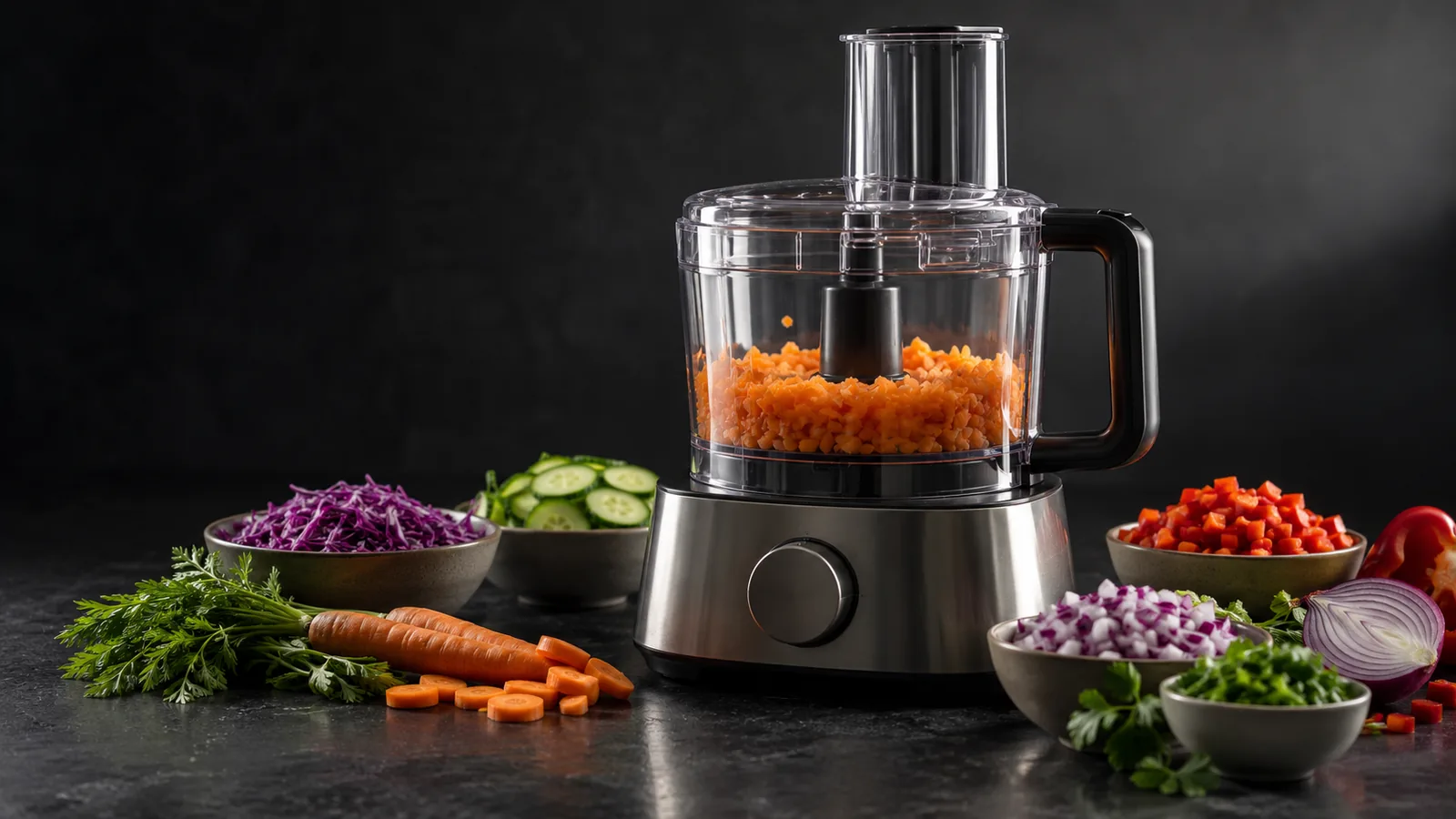
Food processors are let down by what they aren’t — a blender — not by what they are. The single most common distinctive weakness across the machines we analyzed was mixing and blending: owners frustrated that the processor didn’t puree smoothly. But that is the one job a food processor is not designed for. On the tasks it is built for, it performs well and, unusually, over-delivers on its own claims.
What owners criticize most
Ranked by how many of the 12 machines showed each as a distinctive weakness (a topic where owners criticized that machine more than the category average):
| Rank | Complaint | How common |
|---|---|---|
| 1 | Blending / mixing (won’t puree like a blender) | The most frequent standout weakness |
| 1 | Value for money (also a top strength — see below) | Same — the most polarizing attribute |
| 3 | Durability | A recurring concern in a couple of machines |
| 3 | Motor strength under load | Same |
| 5 | Ease of use (on a few fiddly models) | Less common, but severe where it appears |
The takeaway: when a food processor disappoints, it is usually because it was asked to do a blender’s job, or because a buyer and a specific machine disagreed on value — not because it failed at chopping or slicing. That reframes what to scrutinize before buying: be honest about whether you need a processor or a blender (see food processor vs blender), and match the price tier to your real use.
What owners praise most
Ranked by how many machines showed each as a distinctive strength:
| Rank | Strength | How common |
|---|---|---|
| 1 | Delivers on its claims (advertised vs. actual) | The most common standout strength |
| 2 | Value for money | A standout in half the machines |
| 3 | Motor strength | Close behind |
| 4 | Overall quality | The largest positive gap vs. the category |
| 4 | Right-sized capacity | Same |
| 6 | Precision of cut, ease of use, giftability, cooking results | Common secondary strengths |
Two of these are worth dwelling on:
They deliver on their promises. This is unusual. In many appliance categories, “advertised versus actual” is a complaint — buyers feel oversold. In food processors it was the single most common praise theme, meaning most owners felt the machine matched or exceeded what was advertised. Practically: you can mostly trust the spec sheet when buying a food processor.
They make good gifts. “Gifting” surfaced as a distinctive strength — owners buy and receive these as presents and are happy with them. If you’re shopping for someone who cooks, that tracks with our small kitchen appliance gift guide.
The real fault line: value is polarizing
The most striking pattern in the data is that value for money is simultaneously one of the most-praised and most-criticized attributes. The same feature that delights one owner disappoints another. That is the signature of a category where the right machine for the buyer matters more than the category average — some people overpay for capacity and power they never use, while others underbuy and hit the motor’s limits on dough and nut butter.
This is exactly the premium-vs-budget question: a budget processor is genuinely enough for everyday chopping, while the premium is worth it only for endurance tasks (dough, nut butter) and heavy use. Value isn’t a property of the machine — it’s a match between the machine and the work.
The counterintuitive synthesis
Put the halves together and a clear buying strategy emerges:
- Don’t buy a food processor to blend. The most common regret is expecting blender behavior. If you want smoothies and thin purees, you want a blender (or an immersion blender); if you want chopping, slicing, shredding, and dough, you want a processor.
- Trust the spec sheet, then match the tier to your hardest task. The machine will mostly do what it claims — so buy budget for everyday prep, and pay up only for the endurance jobs (dough, nut butter) that punish weak motors. That is where “value” is won or lost.
- Size to your real routine, not your biggest someday-job — over-buying capacity is a common source of the “not worth it” verdict. See what size food processor do I need.
In short: buy the processor for what a processor does, in the size and tier your cooking actually needs. The disappointment is almost never the chopping — it’s a mismatch between the machine and the buyer.
Methodology
Noolaguide editors analyzed 1,188 verified owner-review mentions across 12 of the most-reviewed food processors. Each mention was categorized by topic — blending, durability, value, precision, ease of use, motor strength, cleaning, and others — and by whether the owner praised or criticized it. Each machine was then compared against the category to identify where it distinctively over- or under-performs.
This report is a synthesis of real buyer evidence at scale. Noolaguide does not claim hands-on lab testing, and this analysis does not rely on manufacturer marketing claims — only on what verified owners reported. See our methodology for how we work.
Where to go next
- The best food processors — our ranked picks by use case
- How to choose a food processor — what actually matters
- What size food processor do I need — sizing to your household
- Premium vs budget food processor — where the money is worth it
- Food processor vs blender — which tool you actually need