Ready to buy? The Ninja Professional Plus is our top pick on owner evidence; see the best food processors.
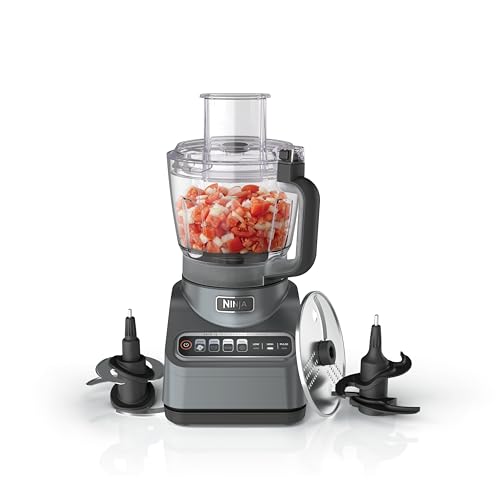
Ninja Professional Plus Food Processor, 9-Cup
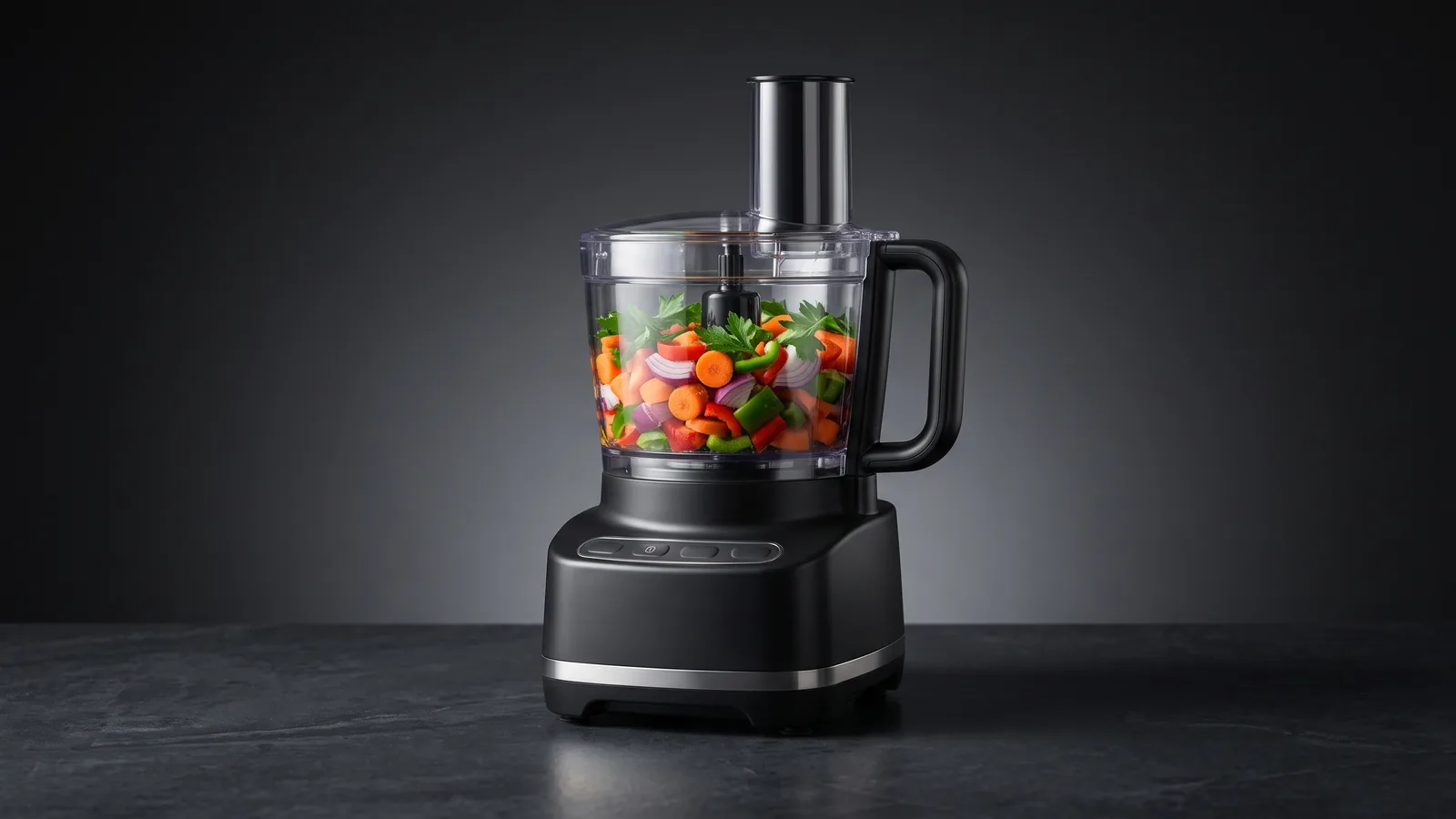
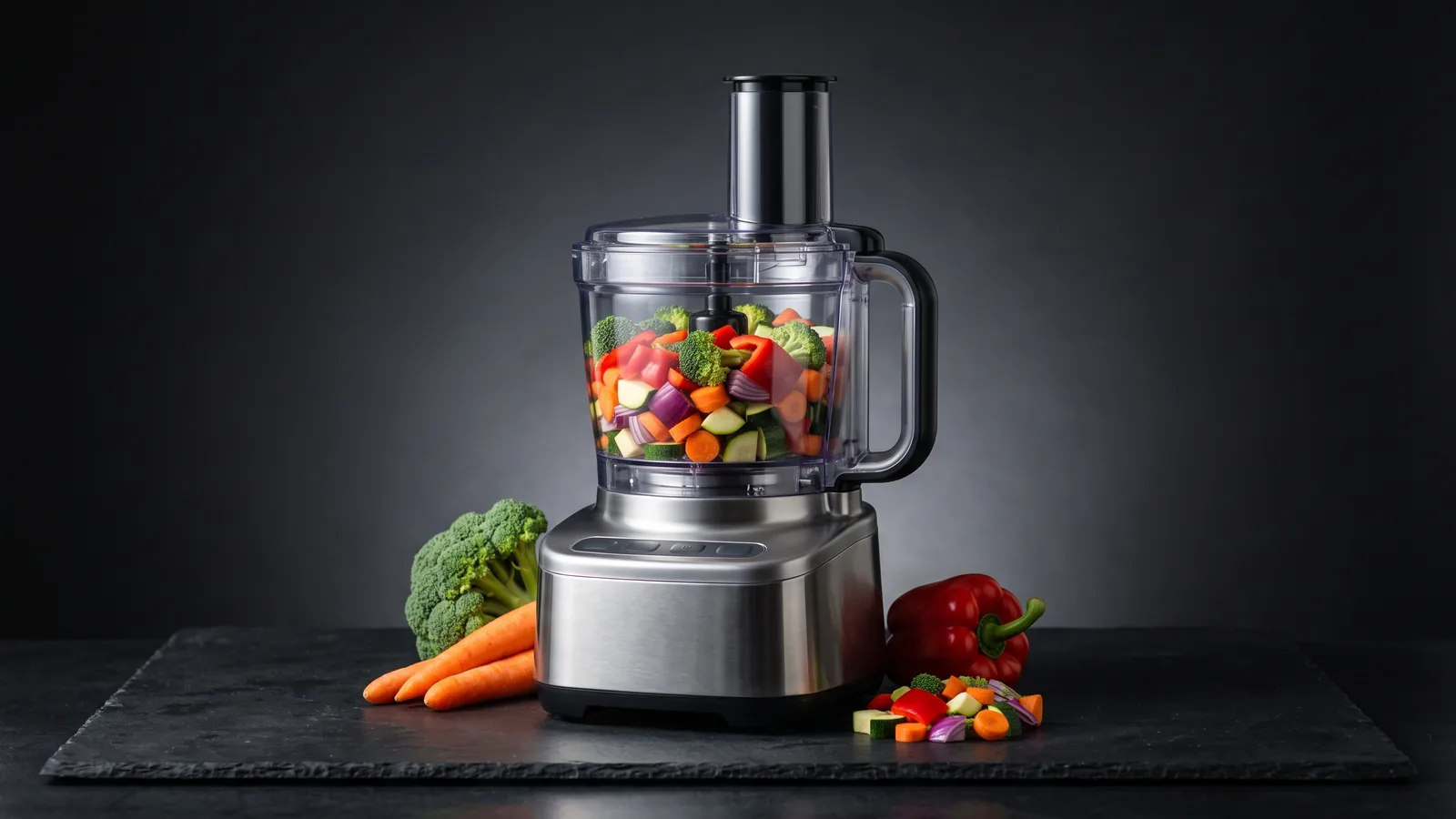
The food processor to buy for most kitchens. A 9-cup processor with a 1000-peak-watt motor and functions for chopping, slicing, purees and dough. It has the most favorable owner feedback of the full-size food processors we analyzed: praise outweighs complaints nearly three to one, led by quality, ease of use, easy cleaning, value and power. The complaints are durability, with some parts breaking, and a few units that did not work properly.
Prime Day Amazon Prime Big Deal Days is on — a good time to check the live price.
Check current price on AmazonWhat buyers praise
- Most favorable owner feedback of the full-size processors
- Owners praise quality, ease of use and easy cleaning
- Power and value are both praised
- Functions for chopping, slicing, purees and dough
What buyers flag
- Some reports of parts breaking
- A few units did not work properly
- 9 cups: smaller than the largest bowls
At a glance
- Dimensions
- 7.76"D x 9.88"W x 16.02"H
- Power
- 1000 watts
- Weight
- 7.7 pounds
- Material
- Plastic
- In the box
- 1000-Peak-Watt Motor Base, 9-Cup Precision Processor Bowl with Feed Chute Lid and Pusher, Chopping Blade
Owner evidence report
Ninja Professional Plus Food Processor, 9-Cup
What owners praise
What to watch
Themes from our analysis of verified owner reviews. Each bar is that theme's share of what owners raise, with the category average beside it for context. Noolaguide does not claim hands-on lab testing; the authority here is the accumulated experience of the people who own it.
The tasks that decide it
Every food processor chops, mixes, and purees. Price separates them on the hard jobs. So the buying question is not “how good is this machine” — it is “what is the hardest thing I will ask it to do regularly?” Match the machine to that, and the decision makes itself.
What you actually pay more for
1. Motor endurance
This is the biggest difference. Chopping is a series of short bursts any motor handles. Dough and nut butter are sustained, high-torque loads — minutes of continuous grinding — and a small motor run that way strains, overheats, and eventually burns out. Burned-out motors are the failure owners most often report after asking a budget machine to do endurance work.
A premium motor tolerates that load. If you make nut butter or knead dough, this is the single reason to spend more — see best food processor for nut butter and best food processor for dough, which are chosen specifically for endurance.
2. Build durability (where cheap machines actually fail)
The parts under the most repeated stress are the lid, the locking tabs, and the bowl — they lock and unlock and absorb vibration every single use. Budget models economize there with thinner plastic and simpler locking mechanisms, and cracked lids and worn locking tabs are among the most common failure complaints on inexpensive processors. A chunk of a premium machine’s price goes into sturdier, better-engineered versions of exactly these parts, which is why they last longer.
3. Blades and discs
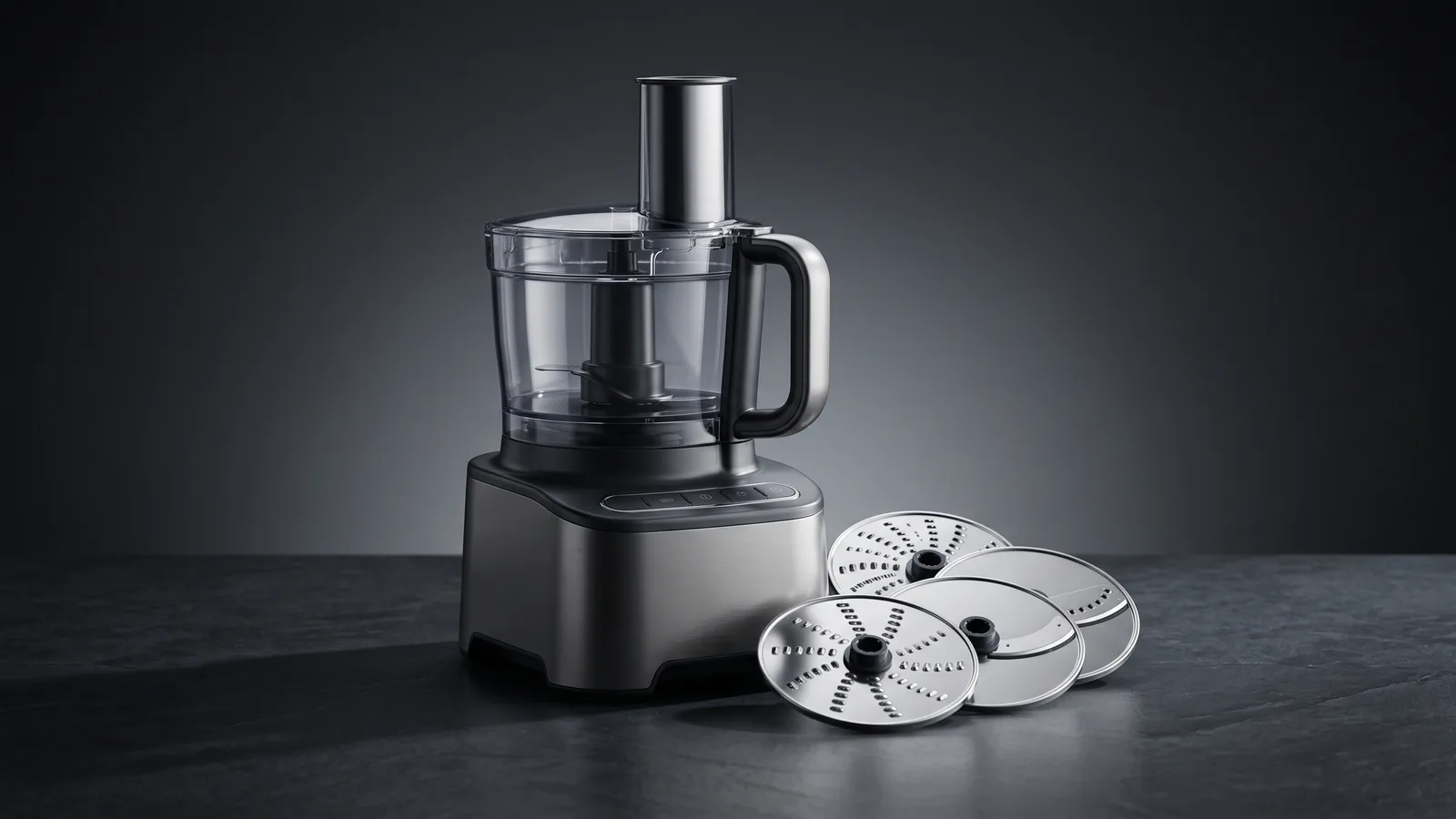
Budget processors typically ship with an S-blade and maybe one reversible disc. Premium machines add sharper blades and more of them — a dedicated slicing disc, a shredding disc, sometimes an adjustable-thickness slicer, a dough blade, and a nested mini bowl for small jobs. If you want the machine to slice and shred well (not just chop), the disc quality and selection is a real upgrade.
4. Noise, capacity range, and refinement
Premium models generally run quieter, offer a wider useful capacity range (a big bowl that still handles small amounts via a mini bowl), and feel more refined — smoother locking, better feed-tube design, cleaner pouring. None of these is essential; all of them make daily use nicer.
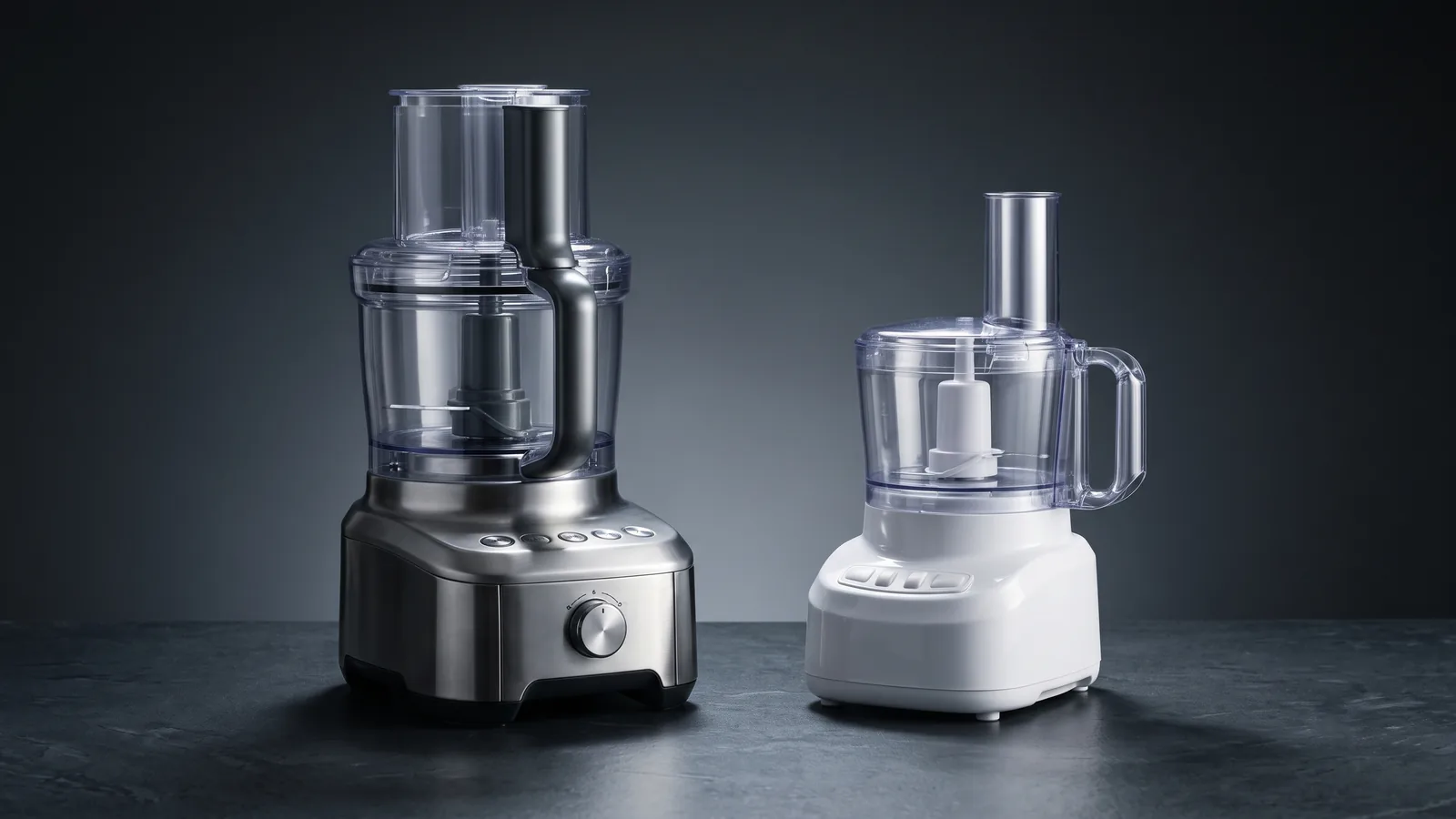
Budget vs premium, side by side
| Budget (~$40–$80) | Premium (~$150–$300) | |
|---|---|---|
| Chopping / basic prep | Good | Good |
| Dough & nut butter | Strains; motor at risk | Handles it |
| Bowl / lid durability | Failure points sooner | Sturdier, lasts longer |
| Discs & blades | S-blade + basic disc | Sharper, more discs, mini bowl |
| Noise | Louder | Quieter |
| Best for | Everyday chopping, dips, shredding | Dough, nut butter, heavy or frequent use |
When a budget food processor is enough
If your real routine is chopping vegetables, making salsa and dips, shredding cheese, and pureeing in normal home quantities, a well-chosen budget model does all of it. Buy on bowl size for your household and on a sturdy lid, and you are done.
- See the best budget food processors, and size it with what size food processor do I need.
When it is worth paying up
Spend more when your regular jobs include:
- Stiff bread or pizza dough → a strong motor and a dough blade.
- Homemade nut butter → sustained-load endurance.
- Frequent, large, or back-to-back batches → durability and a wider capacity range.
- Real slicing and shredding, not just chopping → better discs.
If that is you, start with the best food processors overall and the full guide to choosing one.
The verdict
The extra money in a food processor does not chop your onion better — it buys a machine that survives the jobs that kill cheap ones. Decide by your hardest regular task: if that is basic prep, buy budget with confidence; if it is dough or nut butter, pay for the motor and the build, because that is precisely what you are stressing.
See also: The best food processors — our ranked, data-backed picks.