The one thing price does not change: boil speed
Start here because it upends the usual assumption. A kettle’s boil speed depends on its wattage and the volume of water — not its price. Most kettles sold in the US, budget and premium alike, are 1500W, so they bring the same amount of water to a boil in roughly the same time. If “boils fast” is your only requirement, you do not need to spend more; you need to check the wattage.
Everything below is what the money does buy.
What you actually pay more for
1. Interior material (the upgrade that matters most)
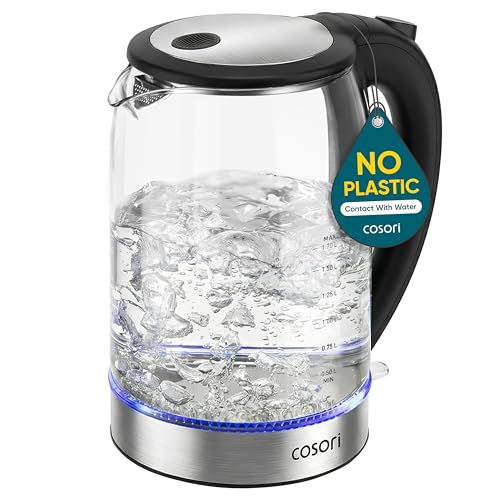
The cheapest kettles frequently have an all-plastic interior, which is the single most common source of the “plastic taste” complaint in new kettles. Step up in price and the interior becomes stainless steel (ideally 304/18-8) or glass — both taste-neutral.
The good news: you do not have to reach premium prices to escape plastic. A stainless interior appears well into the mid-budget tier. This is the one upgrade almost everyone should make, and it is cheap to make. For the full breakdown, see electric kettle materials: stainless, glass, and plastic.
2. Temperature control
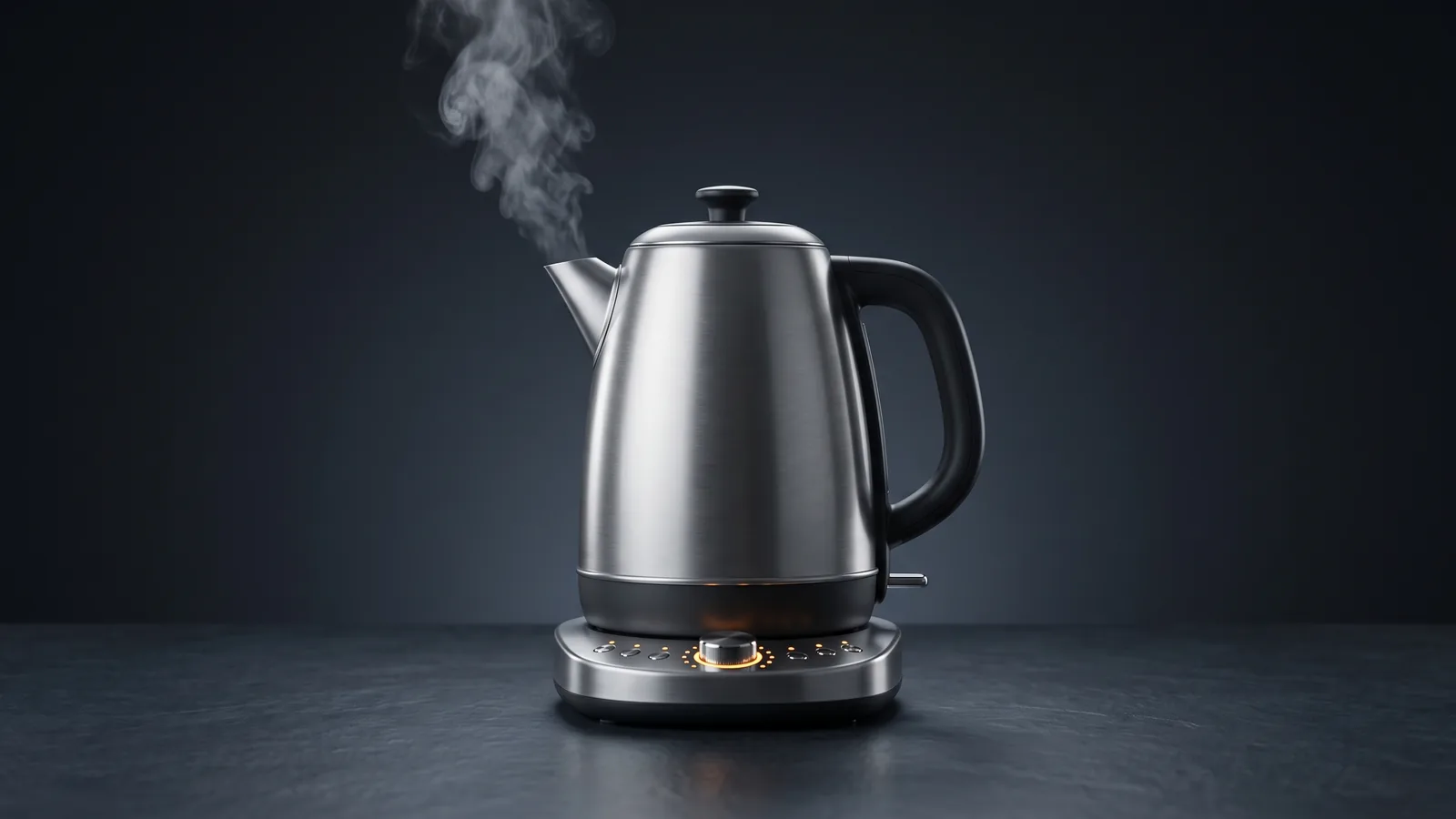
Budget kettles do one thing: boil to 212°F and shut off. Premium kettles let you set a target temperature (say 175°F for green tea or 205°F for pour-over) and, on better models, hold it for a while.
This is a real, tasteable upgrade — but only for temperature-sensitive brews. Green, white, and oolong teas turn bitter at a full boil, and pour-over coffee is dialed in below boiling. For black tea, instant coffee, French press, or just hot water, it changes nothing. See variable temperature vs single boil to decide if it is for you.
3. Build quality and longevity
More money tends to buy sturdier hinges and lids, a better-finished heating plate, a more accurate auto-shutoff, and quieter operation. Budget kettles are not disposable, but the failure points buyers report — a lid that stops latching, a cracked water gauge, an auto-shutoff that gets erratic — show up sooner on the cheapest models. A mid-tier or premium kettle is buying more years, not a different result today.
4. Spout design (gooseneck)
If you make pour-over coffee, the gooseneck spout — a narrow, curved spout for a slow, precise pour — is close to essential, and it lives almost entirely in the mid-to-premium tier. This is less “premium tax” and more a different tool for a different job. If you do not pour over, you never need it. See gooseneck vs standard spout.
Budget vs premium, side by side
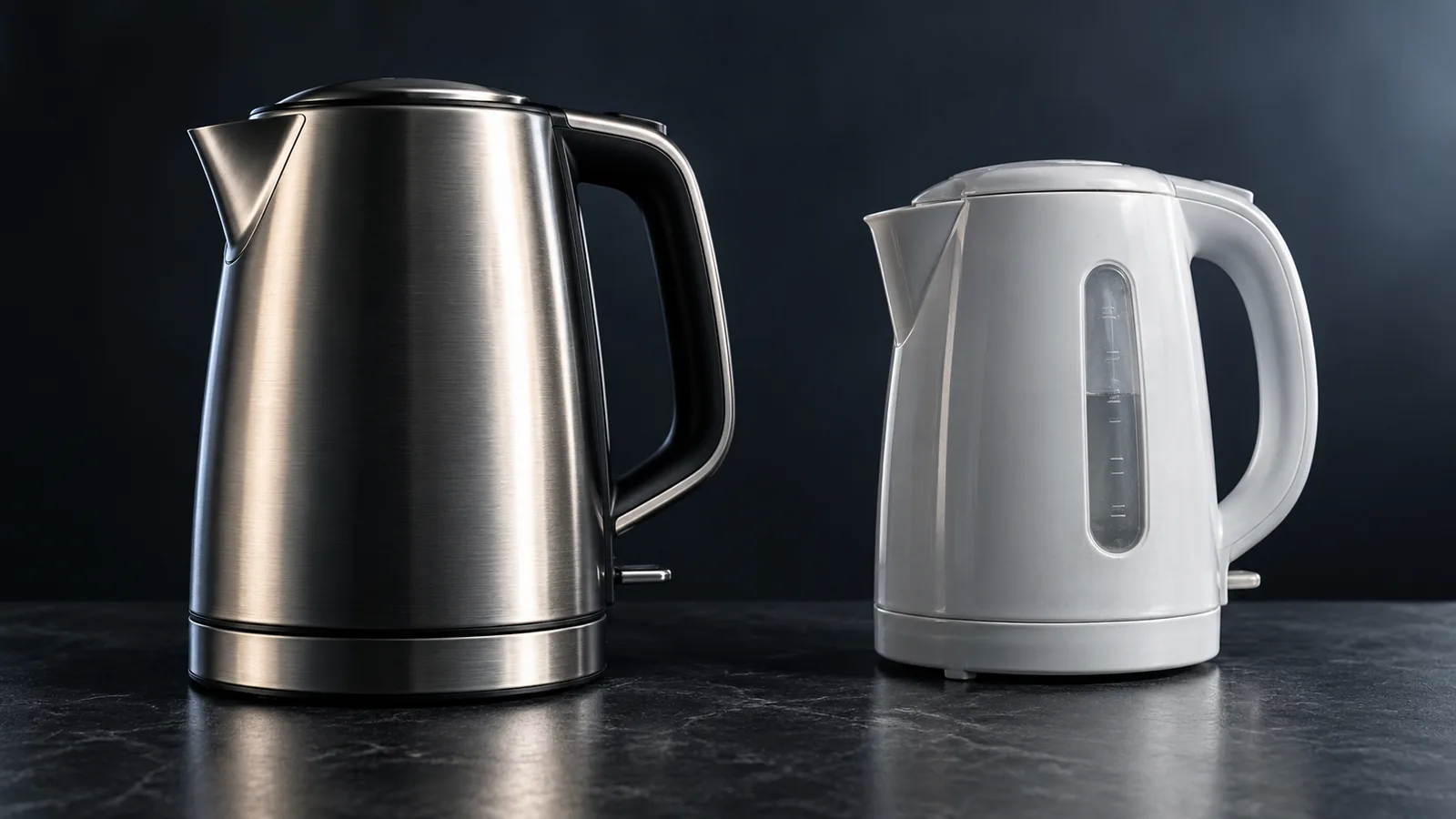
| Budget (~$20–$40) | Premium (~$80–$150) | |
|---|---|---|
| Boil speed | Same (wattage-driven) | Same (wattage-driven) |
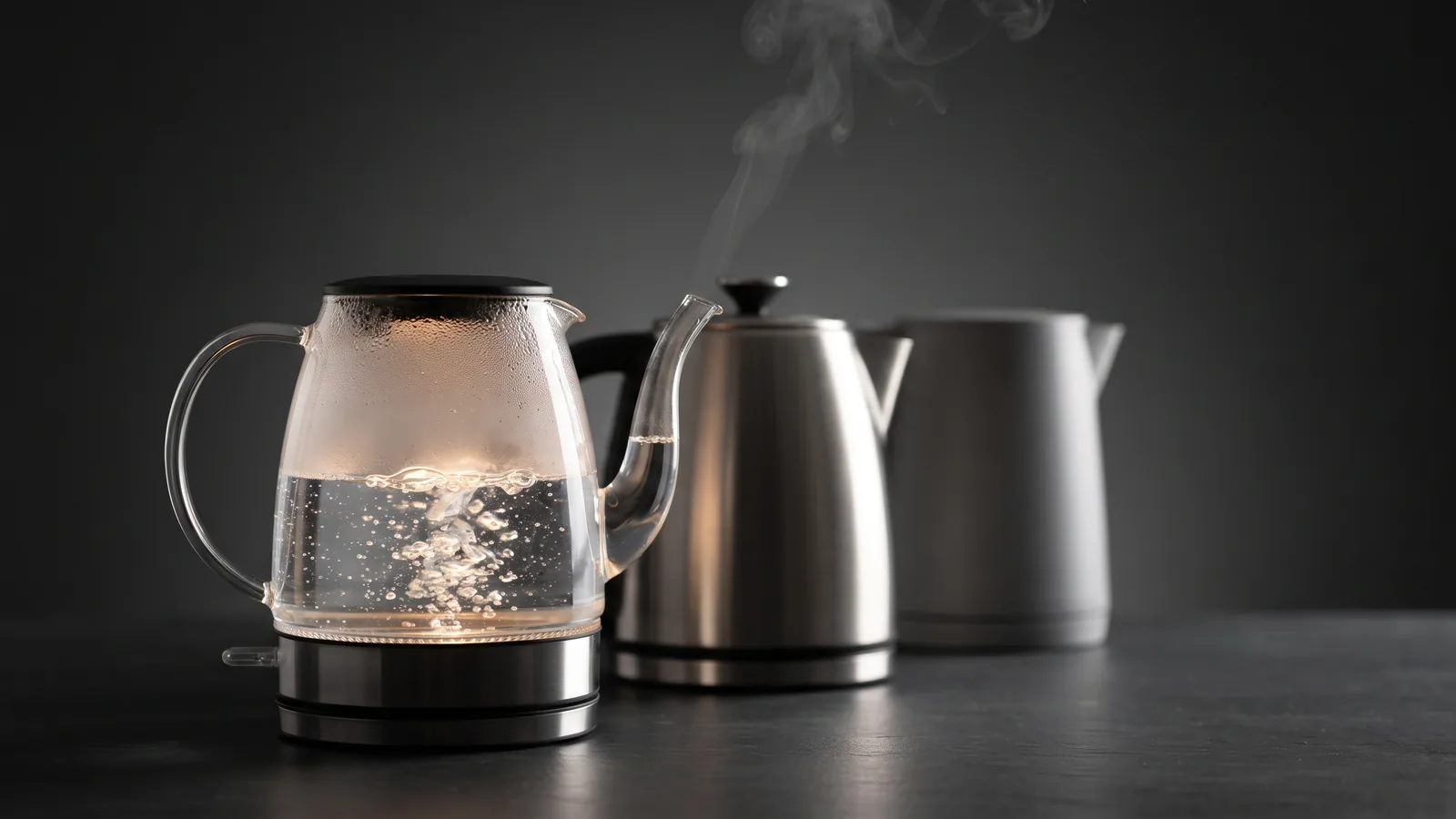
| Interior | Often plastic; stainless available mid-budget | Stainless or glass |
| Temperature control | Boil-only | Set + hold a target |
| Gooseneck spout | Rare | Common on coffee models |
| Build / longevity | Good; failure points sooner | Sturdier, quieter, lasts longer |
| Best for | Boiling water, black tea, instant drinks | Pour-over coffee, delicate teas, daily heavy use |
When the budget kettle is the smart buy
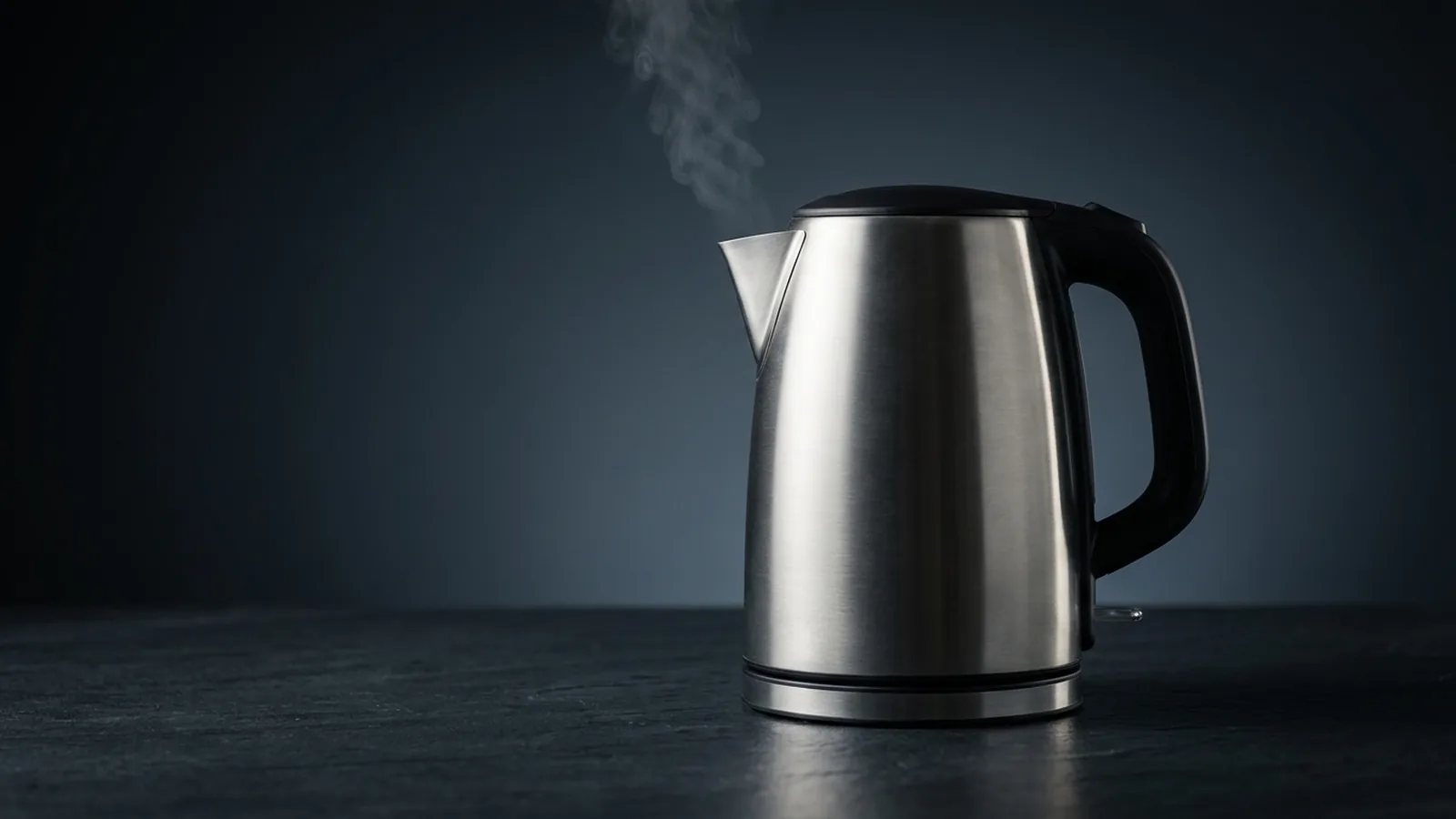
If you mainly want boiling water — instant coffee, black tea, oatmeal, blanching, cooking prep — a well-chosen budget kettle covers you completely. The one rule: pick one with a stainless steel interior to sidestep the plastic taste. A $25–$40 kettle chosen that way is the right call for most households.
- See the best budget electric kettles for stainless-interior picks that punch above their price.
When it is worth paying up
Spend more when what you drink rewards it:
- Pour-over coffee → a variable-temperature gooseneck kettle.
- Green, white, or oolong tea → variable temperature control.
- Heavy daily use → a sturdier build that lasts more years.
If that is you, start with the best electric kettles overall and the full guide to choosing one.
The verdict
Do not buy a kettle on price — buy it on your cup. The extra money is not making your water hotter or your boil faster; it is buying temperature control, a better spout, a stainless interior, and more years of quiet reliability. Match those to what you actually drink, and the “right” kettle is often cheaper than you expected.