What you need
- A dripper — V60, Chemex, Kalita Wave, or similar — and its paper filters.
- A burr grinder — pour-over depends on a uniform grind, which a blade grinder can’t give (why burr beats blade).
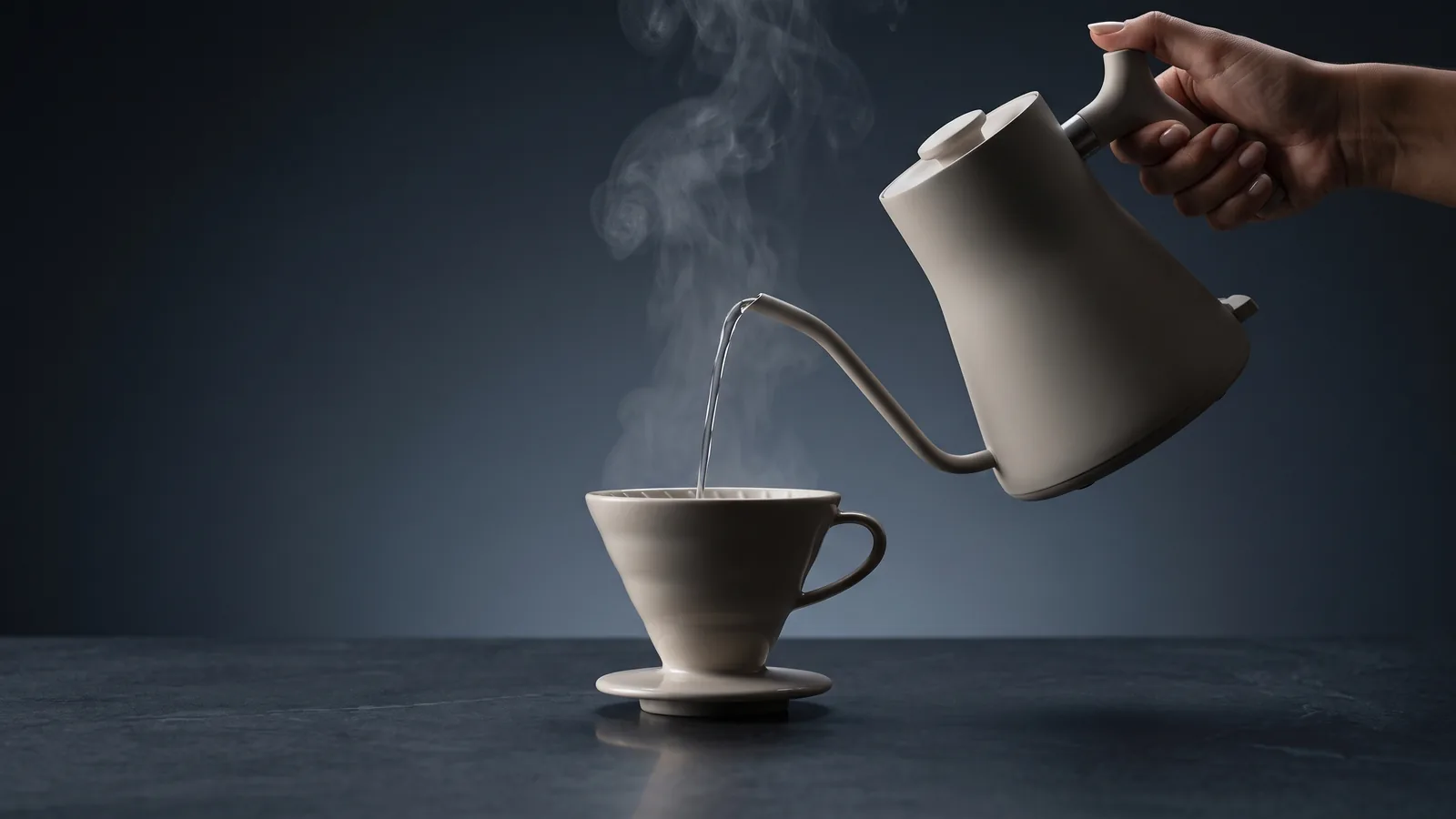
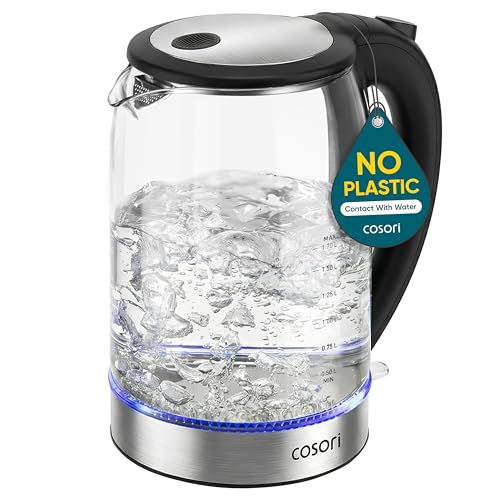
- A gooseneck kettle — for a slow, controlled pour; ideally variable-temperature (the best pour-over kettles).
- A kitchen scale — the single biggest upgrade to consistency.
- Fresh coffee and good water.
The dripper we recommend
Any cone dripper works with this method. If you are buying one, this is the dripper owner reviews favor most.

Hario V60 Ceramic Coffee Dripper, Size 02
The dripper to buy if you want to learn pour-over properly. Owner feedback in our analysis was the most favorable of the three, with praise far ahead of complaints, though on a small sample. Owners praise the quality above all. The few complaints are minor, about the feel and thickness of the ceramic. It is a simple cone: it needs paper filters and a careful pour, and a gooseneck kettle makes that much easier.
Prime Day Amazon Prime Big Deal Days is on — a good time to check the live price.
Check current price on AmazonWhat buyers praise
- Most favorable owner feedback of the three
- Owners praise the quality
- Ceramic; nothing mechanical to fail
What buyers flag
- Small owner sample in our analysis
- Needs paper filters
- Rewards a careful pour and a gooseneck kettle
At a glance
- Capacity
- 4 cups
- Dimensions
- 4.7"D x 5.5"W x 4"H
- Weight
- 13.1 ounces
- Material
- Ceramic
See all our pour-over picks, including one that does the pouring for you.
The four numbers that decide the cup
- Ratio — 1:16 to 1:17. About 60 g of coffee per liter of water; ~22 g to 360 g for one big cup. Calculate any amount here.
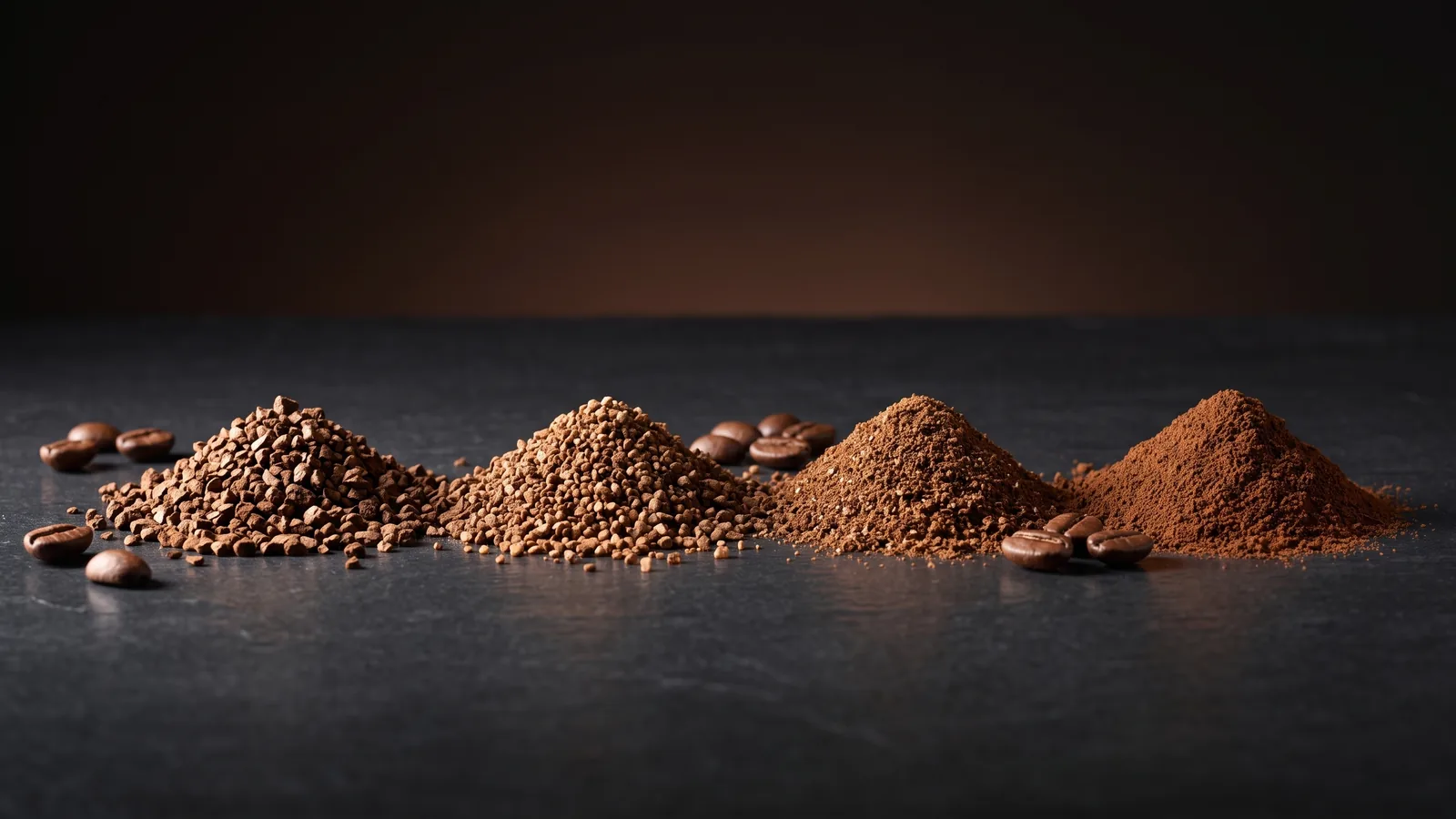
- Grind — medium, like table salt. See the grind size guide.
- Water temp — 195–205°F, just off the boil.
- Time — about 2:30–3:30 total.
Change one at a time and you can always tell what did what.
The method, step by step
- Rinse the filter. Put the paper filter in the dripper and pour hot water through it into your cup, then discard that water. This removes the papery taste and pre-heats everything.
- Add and level the grounds. Tip in your weighed coffee and shake it flat.
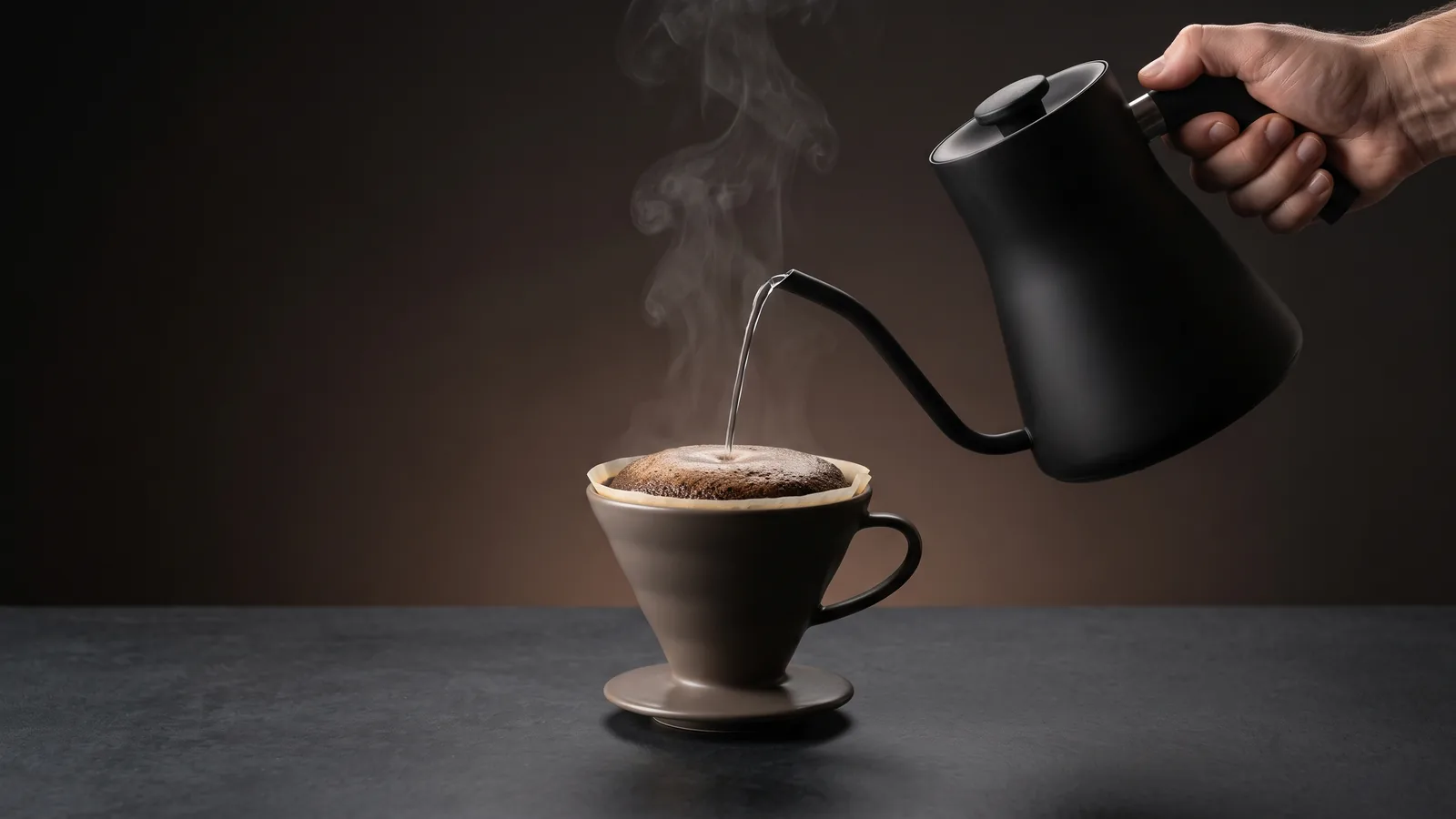
- Bloom. Start a timer and pour just enough water — about twice the coffee’s weight — to wet all the grounds. Fresh coffee will puff up and release CO2. Wait 30–45 seconds; this even, degassed bed is what lets the rest of the water extract evenly.
- Pour in stages. Pour the remaining water in slow, steady spirals from the center outward, in two or three additions, keeping the water level up but never overflowing the bed. Aim to finish pouring around 2:30.
- Draw down and serve. Let it finish dripping (total 3:00–3:30) — a very slow drawdown means the grind is too fine or clogged with fines — give the cup a gentle swirl, and drink.
Fixing a bad cup
| Problem | Cause | Fix |
|---|---|---|
| Bitter, harsh; brew stalled/slow | Grind too fine (over-extracted) | Grind coarser |
| Sour, thin, watery; brew ran fast | Grind too coarse (under-extracted) | Grind finer |
| Flat and weak | Not enough coffee, or water too cool | Lower the ratio (more coffee); use 195–205°F |
| Uneven, patchy taste | Poured too fast / channeling | Pour slower, in even spirals; bloom fully |
Adjust the grind first — it’s the biggest lever. Keep the ratio and water the same while you dial it in.
Why pour-over is worth the effort
Pour-over gives you control a drip machine doesn’t: the bloom, the pour rate, and the exact ratio and temperature. Done well it produces a cleaner, brighter, sweeter cup that shows off good beans. The trade-off is that it’s hands-on and one cup at a time — which is exactly why the four numbers above matter. For the gear, start with a good pour-over kettle and a burr grinder; for a bigger, hands-off batch instead, a drip coffee maker is the tool. And for the ratio at any size, use the calculator.