The job is temperature, and budget machines do it
As covered in how a yogurt maker works, the machine is just a warm box: it holds inoculated milk near 110°F for several hours while cultures ferment it. A budget maker with a fixed heating element does this reliably for standard dairy yogurt. So the honest starting point is that most people do not need an expensive yogurt maker. The premium exists for what the fixed-temperature budget model can’t do.
What you actually pay more for
1. Adjustable, precise temperature control
Budget makers hold one temperature (near 110°F) with no adjustment — fine for standard yogurt. Premium makers let you set and hold a precise target, with timers long enough for a full 24-hour cycle. That precision is what SCD/GAPS fermentation and many plant-based yogurts require, and it is the main thing the price buys.
2. Even heating across the batch
Cheaper jar-style makers can run hotter near the element than at the edges, so jars set unevenly. Better makers heat more evenly, so every jar (or the whole container) sets the same. Consistency across the batch is a quieter premium than temperature range, but a real one.
3. Single-container vs. individual jars
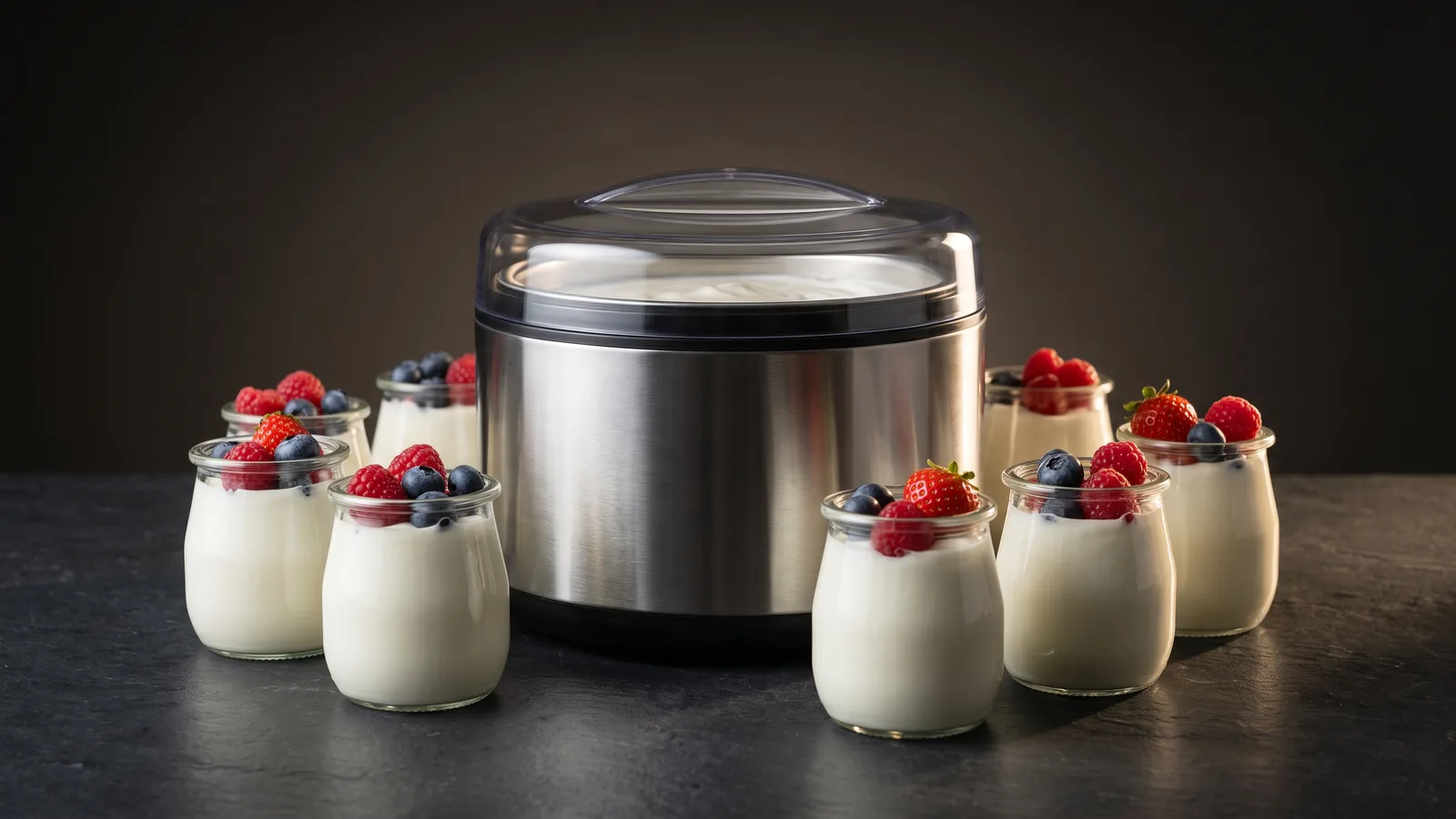
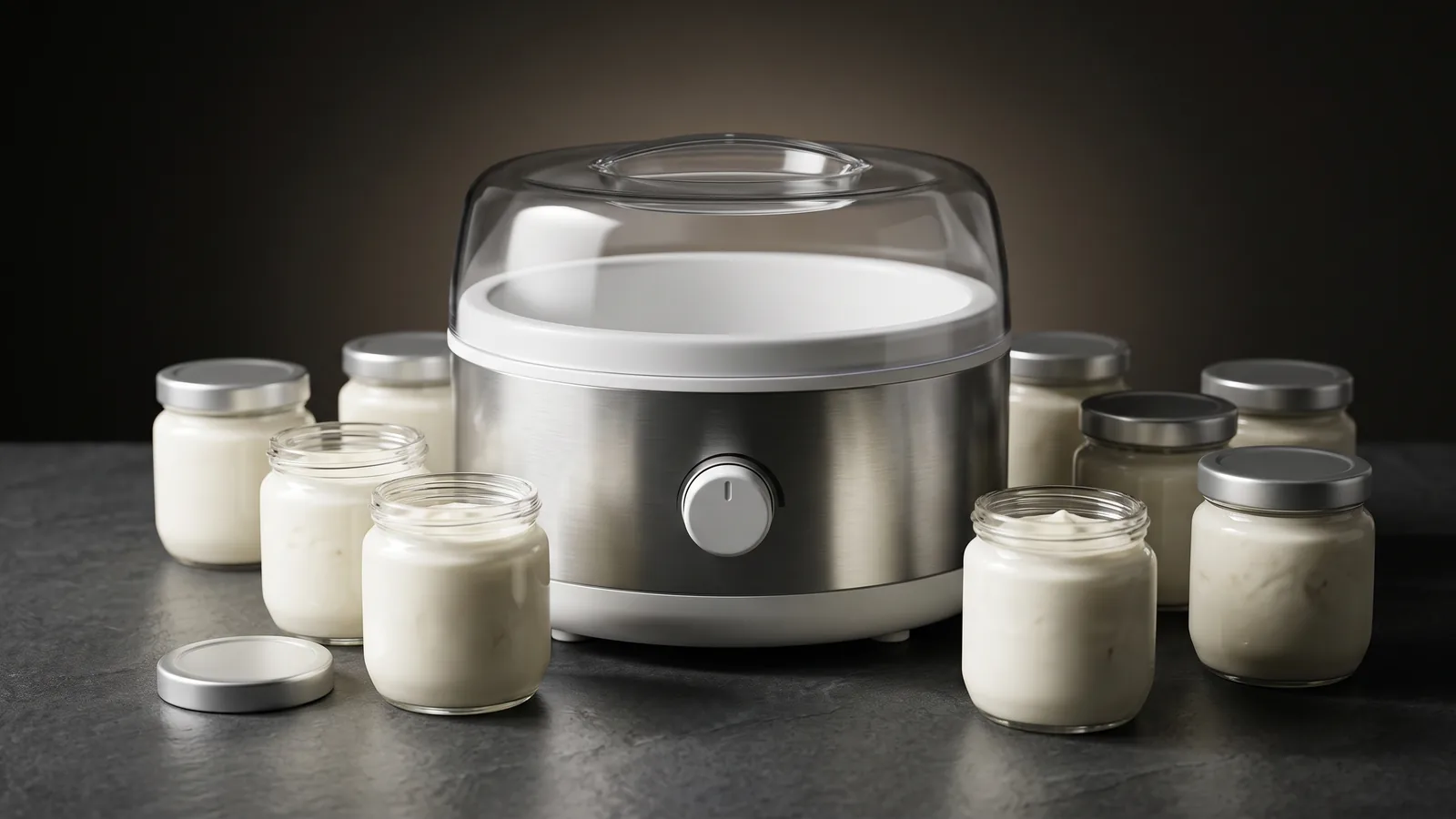
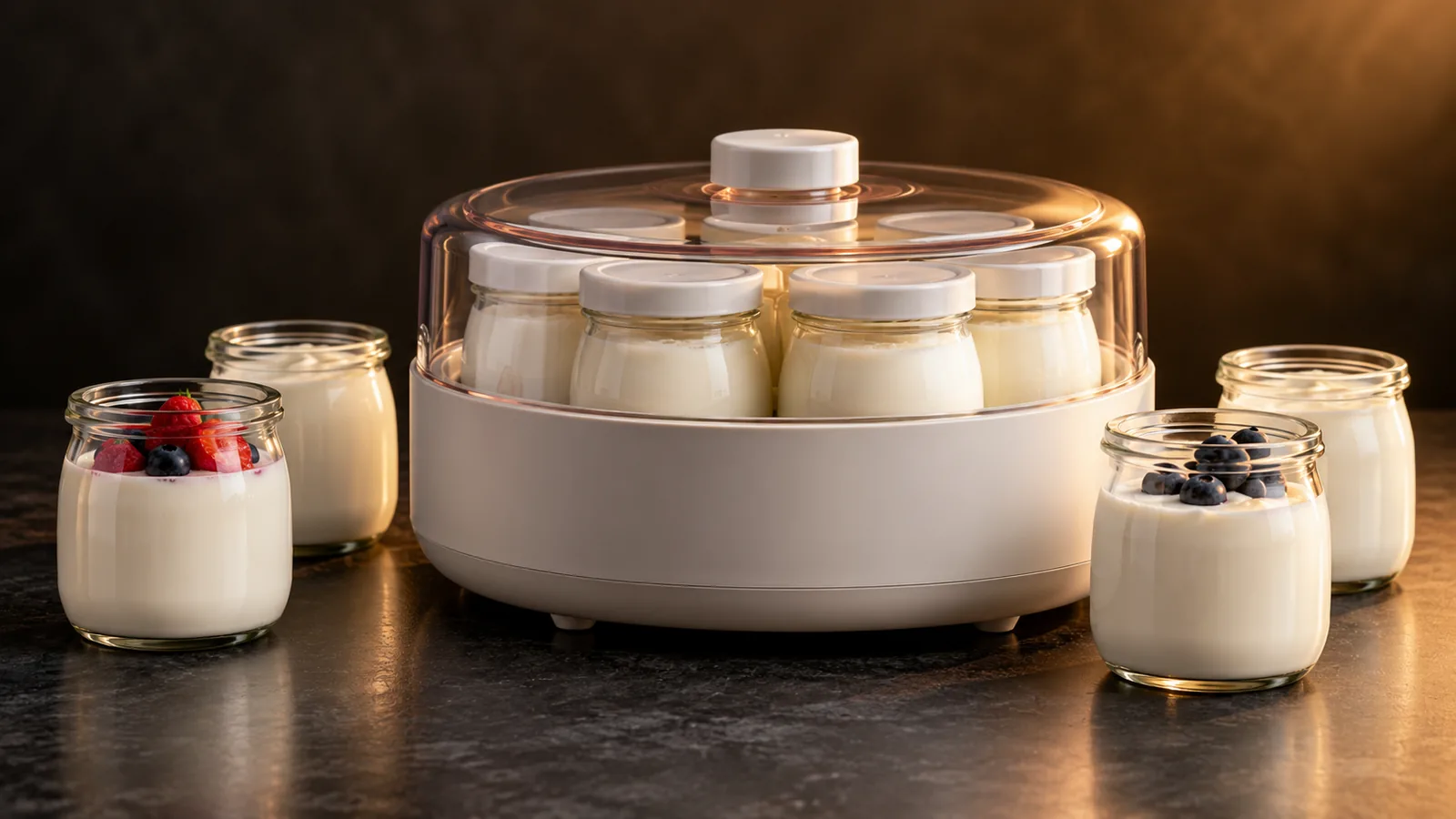
Many budget makers use small individual jars (nice for portioning and flavors). Premium makers more often use a single 1–2 quart container, which heats evenly and is far easier to strain into Greek yogurt in one go. Format is a use-case choice, not strictly better — but it matters if Greek yogurt is your goal.
4. Build and longevity
More money buys sturdier housings, better lids and seals, and clearer controls that hold up over years of long cycles. Not glamorous, but it is part of the price.
Budget vs premium, side by side
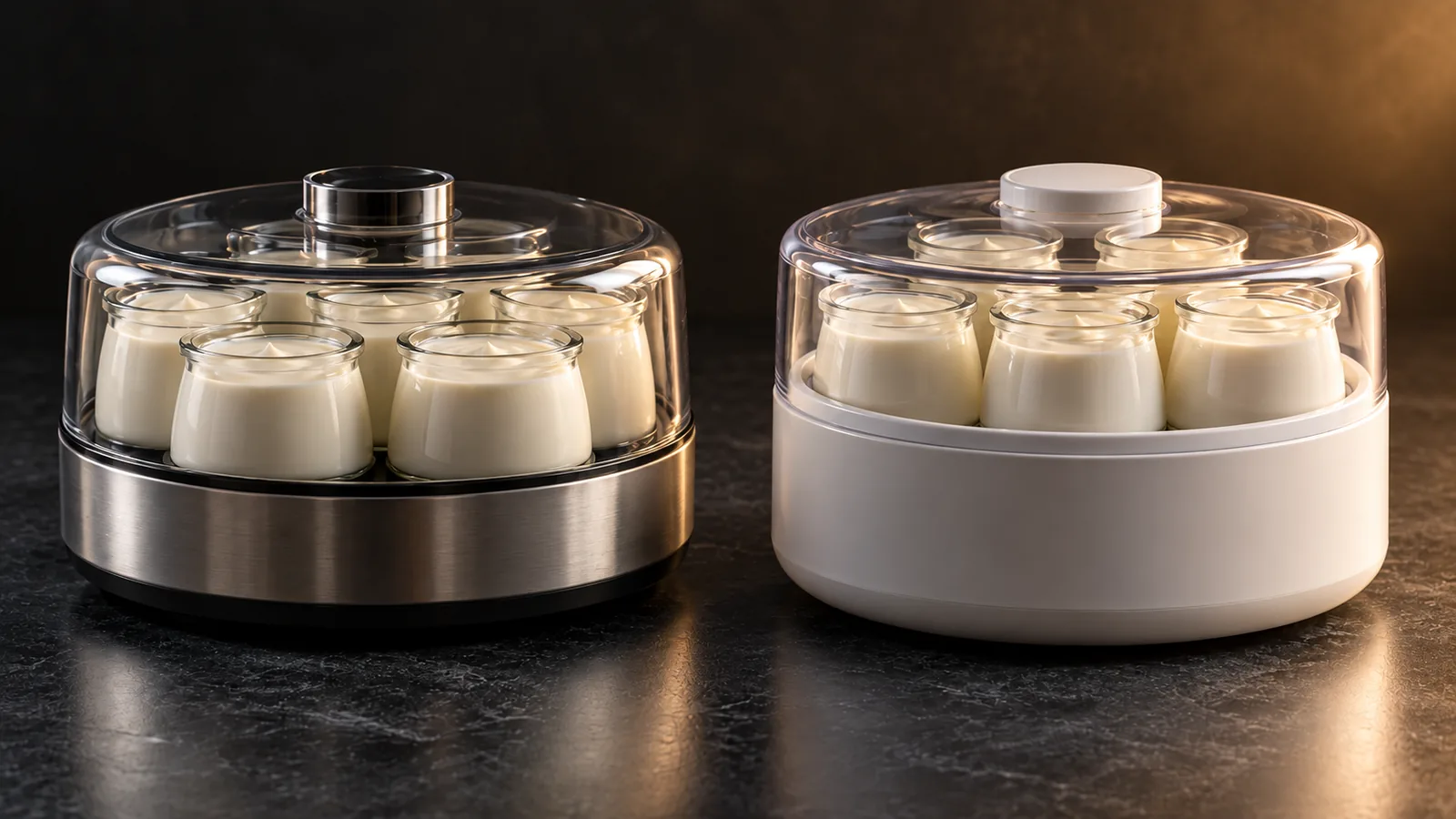
| Budget (~$25–$45) | Premium (~$80–$150) | |
|---|---|---|
| Temperature control | Fixed (~110°F) | Adjustable + precise |
| Long ferments (24h SCD) | No | Yes |
| Plant-based reliability | Hit or miss | Reliable |
| Heating evenness | Can be uneven | Even |
| Format | Individual jars | Often single container |
| Best for | Everyday dairy yogurt | SCD, plant-based, big-batch Greek |
When a budget yogurt maker is the smart buy
When you make standard dairy yogurt on a normal 6–12 hour cycle — which is most people. A budget maker holding a steady ~110°F does exactly what is needed, and the money saved is better spent on fresh starter cultures and good milk, which actually determine quality. See the best budget yogurt makers.
When it is worth paying up
- 24-hour SCD or GAPS fermentation → adjustable, precise, long-hold control.
- Plant-based yogurt → reliable temperature for trickier, thickener-dependent ferments.
- Big-batch Greek yogurt → a single container that strains in one go.
Start with the best yogurt makers and the guide to choosing one.
The verdict
For everyday yogurt, a budget maker is genuinely all you need — the machine only holds temperature, and the cheap one holds it. Pay more only when your fermentation demands precise, long, even control: SCD, plant-based, or large-batch Greek. Otherwise, put the difference into better milk and fresher cultures.