1. Size: 3, 6, or 8 quarts
Size is the decision people most often get wrong. Match the quarts to your household:
- 3 qt: one or two people, couples, small kitchens, or a second pot.
- 6 qt: the standard family size — and the size most recipes are written for. The safe default if you’re unsure.
- 8 qt: large families, batch cooking, and big cuts of meat.
Bigger isn’t automatically better: a larger cooker takes longer to come to pressure and stores less easily. Size to your normal cooking, not the biggest meal you can imagine.
2. Functions: how many do you actually need?
Most electric pressure cookers are multi-cookers — they pressure cook and also slow cook, saute, steam, and make rice or yogurt. That’s genuinely useful if you want one appliance to replace several.
But the “N-in-1” number is mostly marketing: a 9-in-1 and a 7-in-1 usually do the same core jobs, grouped differently. Focus on functions you’ll actually use — pressure cooking, plus maybe saute and slow cook — not the highest count. If an air fryer in the same machine appeals and counter space is tight, a combo model does that (with a second lid), at a higher price and bulk.
3. Inner-pot material
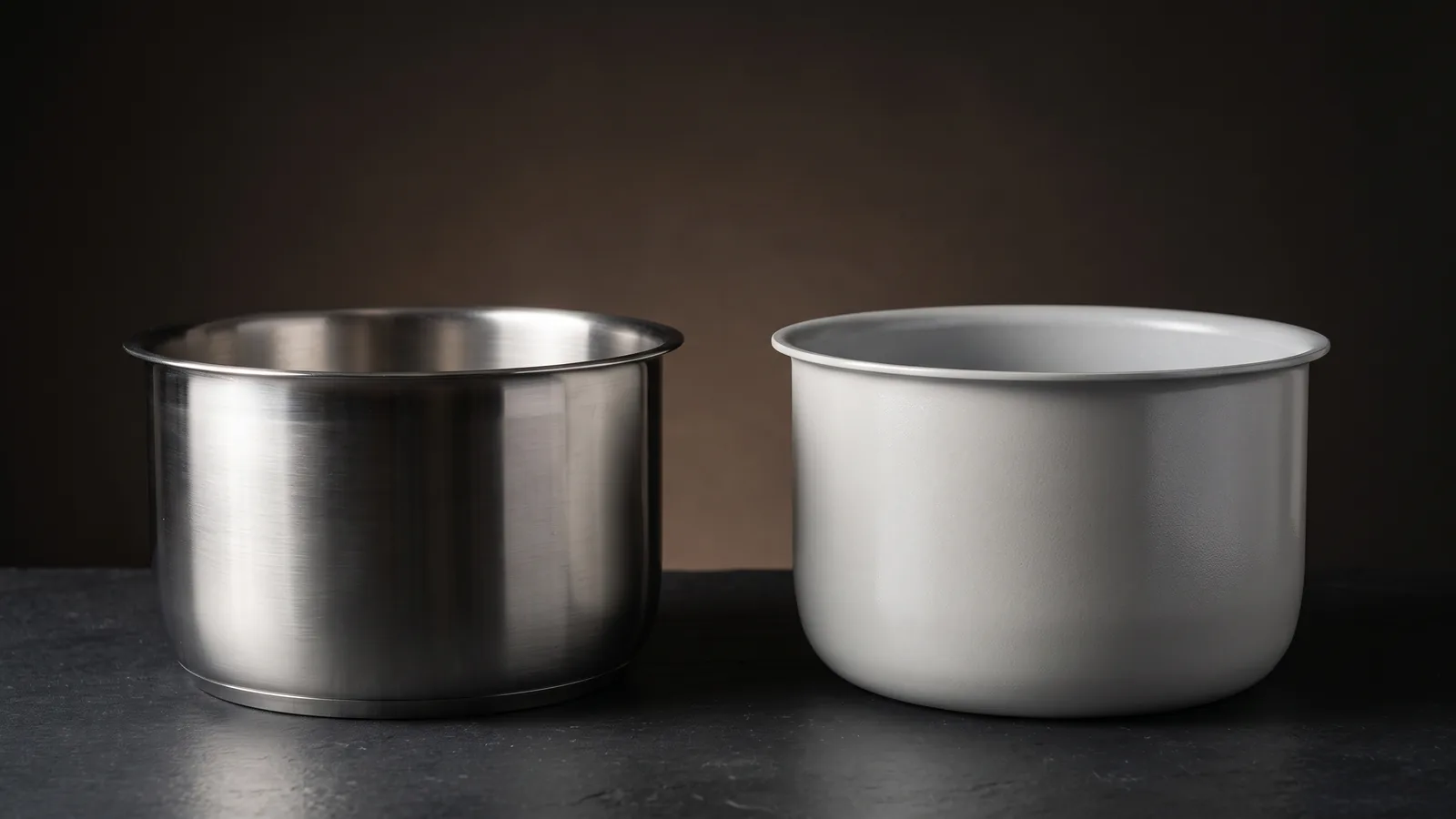
The inner pot is what your food touches. Most Instant Pots use bare stainless steel (no coating); some cookers use a ceramic coating (nonstick without PTFE) or traditional nonstick. Pick the material you’re comfortable with — the full picture is in non-toxic electric pressure cookers.
The safe default pick
For most households, a 6-quart multi-cooker with a bare stainless pot covers everything without overbuying — and it’s the overall pick in our best electric pressure cookers guide.
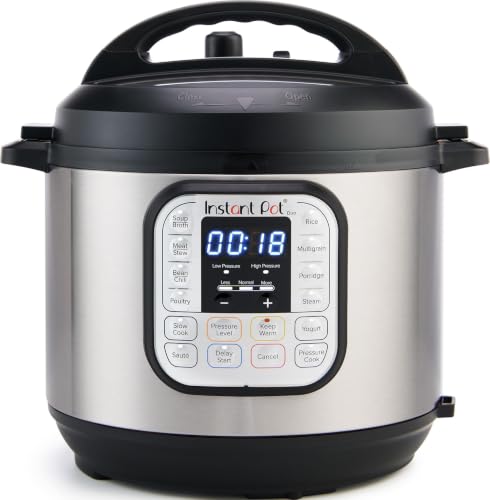
Instant Pot Duo 6-Quart 7-in-1 Multi-Cooker
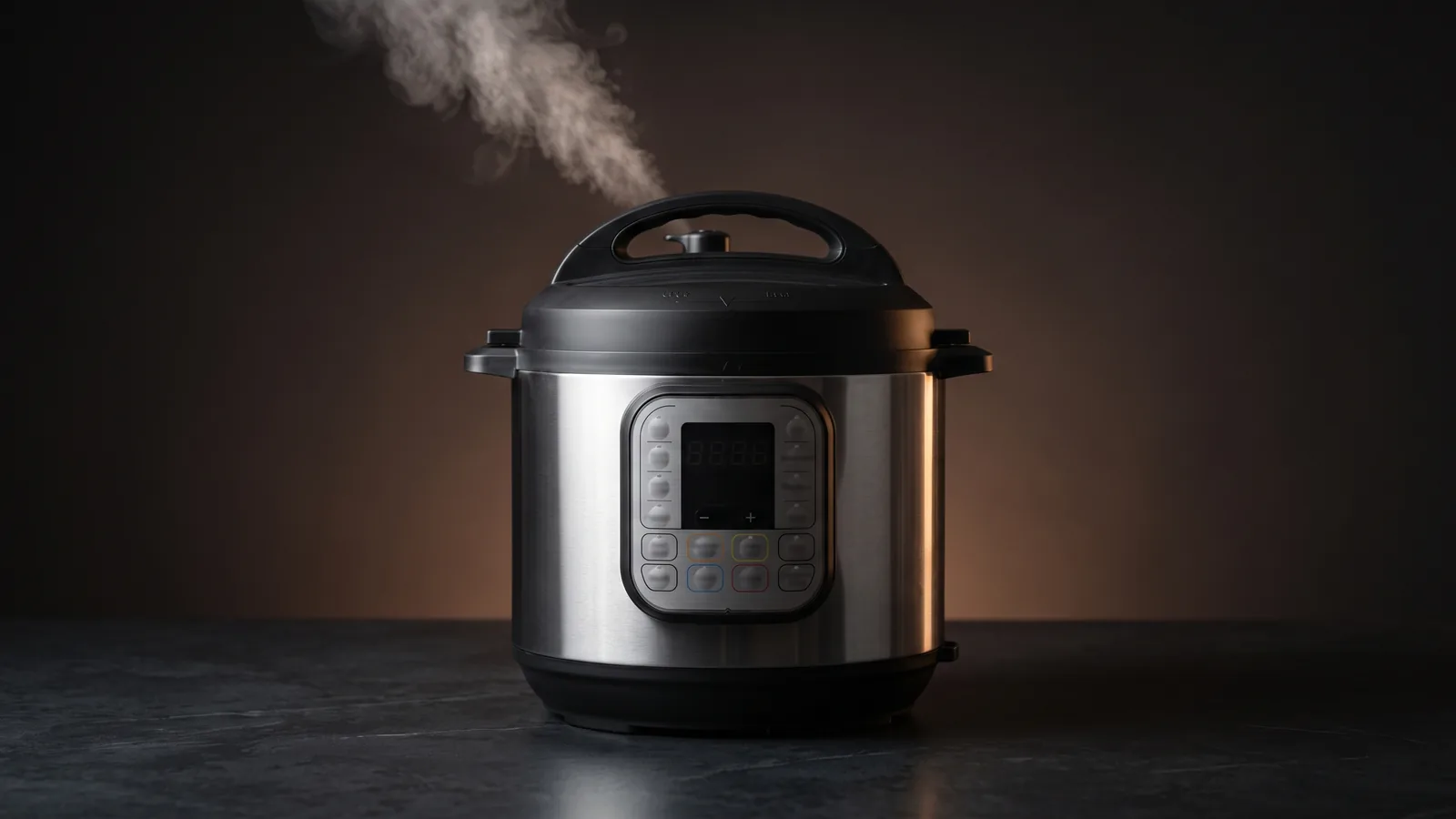
The right default for most kitchens: the 6-quart size fits how recipes are written, and it pressure-cooks, slow-cooks, sautes, steams, and makes rice and yogurt in a bare stainless-steel inner pot, on one of the largest, best-rated owner bases of any kitchen appliance. It skips the gimmicks and nails the fundamentals — the size, the functions you'll use, and a coating-free pot. Go smaller (3-quart Mini) for one or two people or larger (8-quart) for a crowd, but for most people this is the one.
Prime Day Amazon Prime Big Deal Days is on — a good time to check the live price.
Check current price on AmazonWhat buyers praise
- 6-quart standard size fits most recipes
- Core functions people actually use; uncoated stainless pot
- Enormous, well-rated owner base at a fair price
What buyers flag
- No air-fry (a combo model adds that)
- Not a canner for low-acid foods
4. The canning caveat
One thing to settle before you buy for canning: a standard electric pressure cooker is not a safe pressure canner for low-acid foods. If home canning is a goal, that’s a separate, purpose-built machine — read electric pressure cookers and canning before you assume one appliance covers both.
Features worth paying for (and not)
- Worth it: the right size, your preferred pot material, a saute function (brown in the same pot), a delay-start timer, and clear controls.
- Secondary: app connectivity, a long list of pre-sets you’ll ignore, and specialty modes you won’t use.
The bottom line
Get the size right (6 quarts for most), choose the functions you’ll truly use over the biggest count, pick your inner-pot material, and remember it’s a cooker, not a canner. Nail those four and the specific model is easy. Want to compare it with a slow cooker or the Instant Pot brand question? See Instant Pot vs pressure cooker.