Two kinds of canning — the difference is the food’s acidity
Home canning splits into two methods, and which one is safe depends entirely on what you’re preserving:
- Water-bath canning submerges jars in boiling water (212°F). It’s safe only for high-acid foods — jams, jellies, pickles, acidified tomatoes — where acidity plus boiling temperature keeps dangerous bacteria in check.
- Pressure canning uses a sealed canner to reach about 240°F under pressure. This is required for low-acid foods — vegetables, meats, beans — because their low acidity lets Clostridium botulinum spores survive ordinary boiling-water temperatures.
Match the method to the acidity, and you’re following the core safety rule of canning. Get it wrong with a low-acid food, and the risk is botulism — which is exactly why the guidance below is strict.
Why a standard multi-cooker isn’t a canner
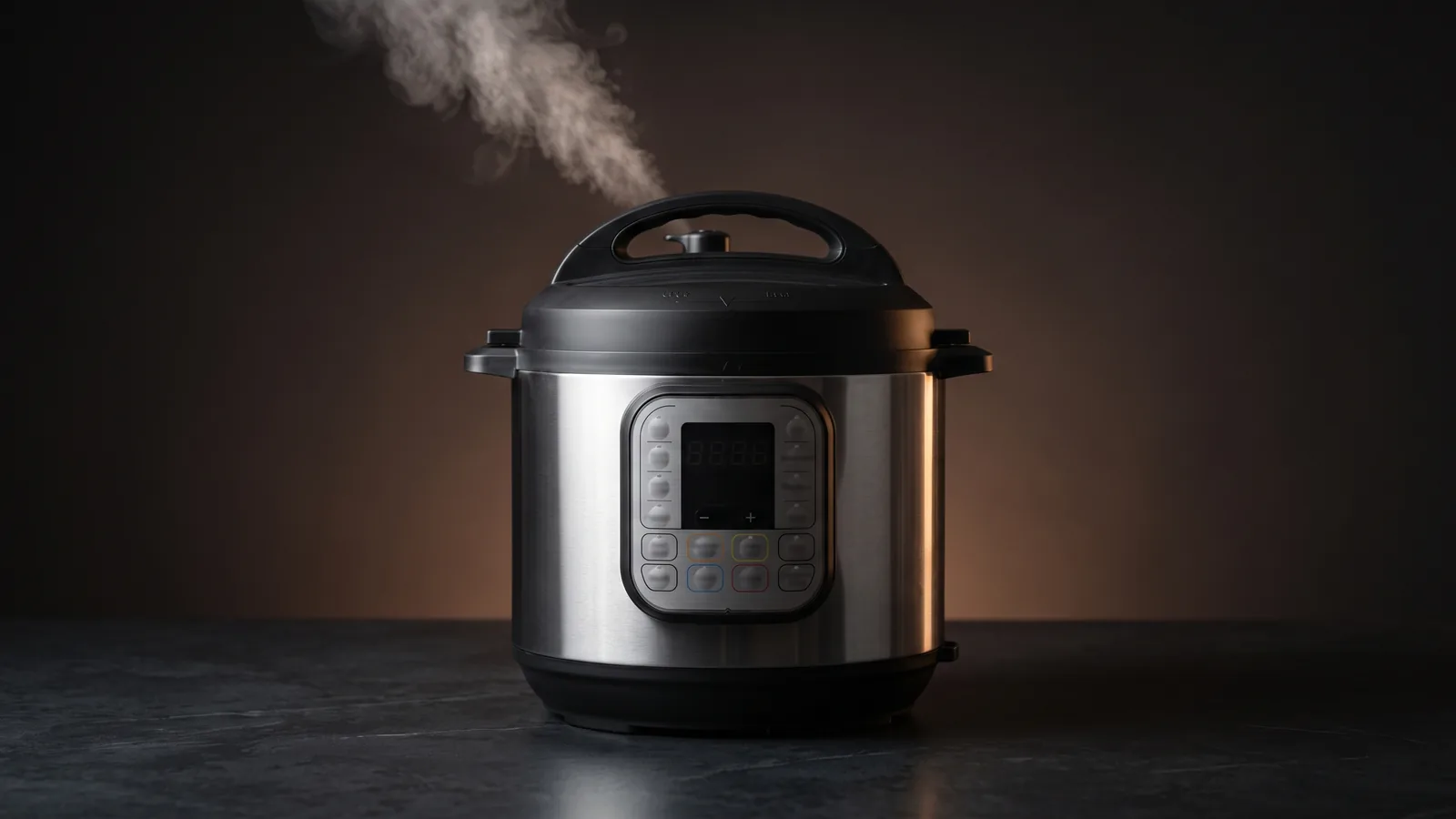
Safe pressure canning of low-acid foods depends on reaching and holding ~240°F for a verified time. A general electric pressure cooker — most Instant Pots and similar multi-cookers — isn’t tested or calibrated to guarantee that:
- Its temperature and pressure can vary batch to batch.
- It usually lacks the calibrated gauge or validated process a real canner has.
- You can’t confirm the food reached a safe temperature all the way through.
This is why USDA and the National Center for Home Food Preservation don’t recommend standard multi-cookers for pressure canning low-acid foods — and why models once marketed with a “canning” setting had that guidance walked back. The pot isn’t defective; it simply isn’t a verified canner.
What to buy if you want to can
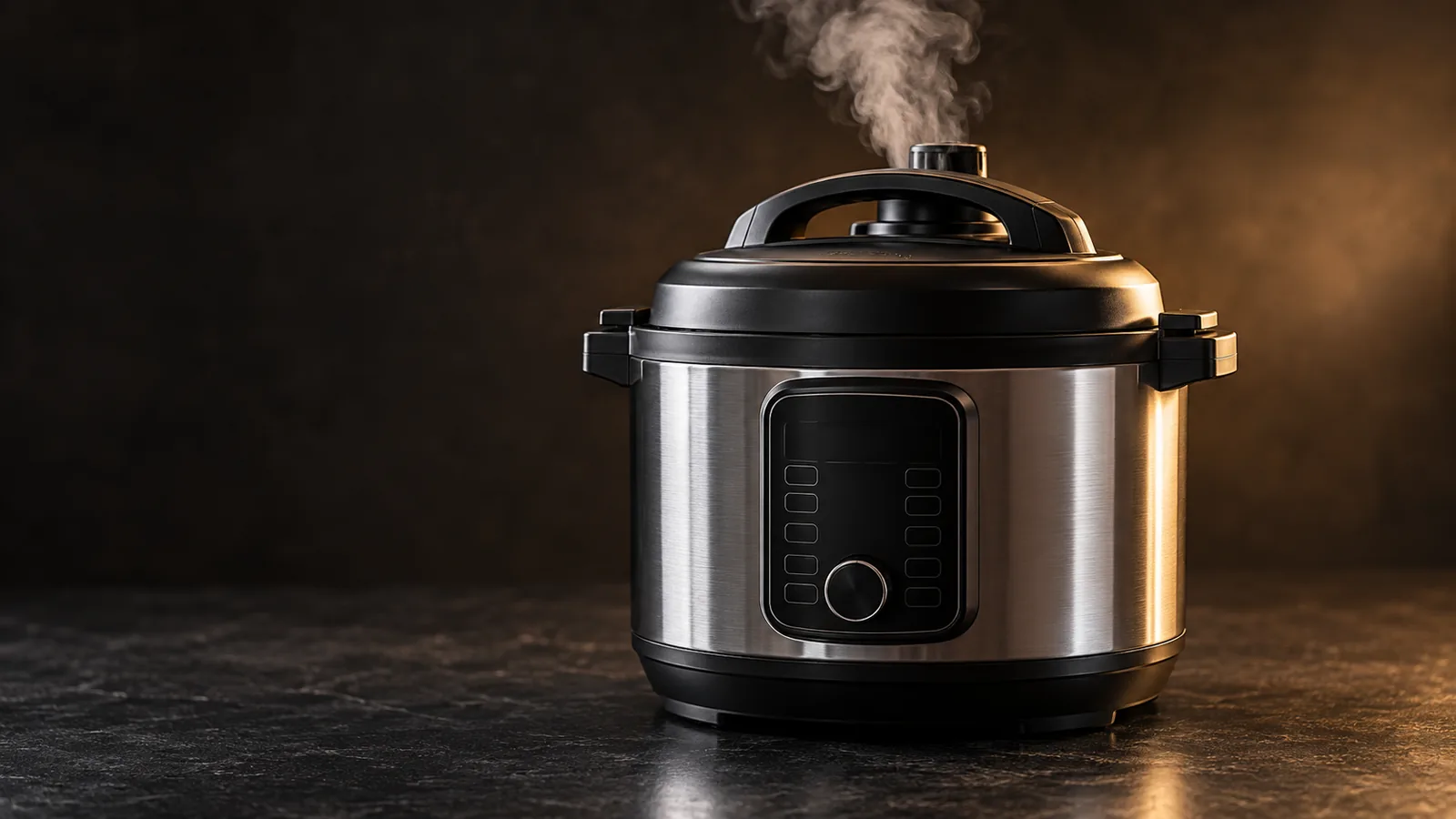
If canning is your goal, buy a machine built and validated for it — not a cooker adapted to it. You have two routes: a stovetop pressure canner (Presto, All American), or a purpose-built electric pressure canner that runs tested canning programs on the countertop. For most people who want canning without the stovetop, the electric canner is the convenient answer.
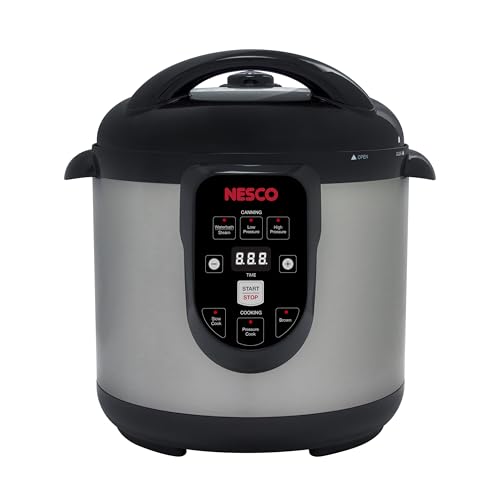
NESCO Smart Electric Pressure Canner & Cooker
If you want to pressure can without a stovetop canner, this is the category to buy from — an appliance actually built to reach and hold canning temperatures, with tested canning programs, rather than a multi-cooker adapted to the job. It handles low-acid pressure canning as well as water-bath canning and everyday cooking, and it's well-rated by owners who use it for exactly this. It costs more than a general electric pressure cooker and is bulkier, but that's the point: it's a verified canner, not a cooker with a canning button. Always follow tested, up-to-date recipes and the USDA method for your food.
Prime Day Amazon Prime Big Deal Days is on — a good time to check the live price.
Check current price on AmazonWhat buyers praise
- Purpose-built to hold canning temperature and pressure
- Does low-acid pressure canning AND water-bath canning
- Well-rated by home canners; countertop convenience
What buyers flag
- Costs more and is bulkier than a general pressure cooker
- Still requires following tested USDA canning recipes
If you only want high-acid (water-bath) canning
If you’re only canning jams, pickles, or acidified tomatoes, you don’t need a pressure canner at all — a dedicated water-bath canner, or simply a large stockpot with a rack, does the job. Some multi-cookers can hold a boiling water bath for high-acid foods, but capacity and jar fit are awkward, so a big pot is usually easier. Low-acid foods, though, always need a pressure canner — there’s no water-bath shortcut for them.
The bottom line
A standard electric pressure cooker is for cooking, not canning. Use a water-bath canner (or a stockpot) for high-acid foods, and a purpose-built pressure canner — stovetop or a validated electric canner — for low-acid foods, always following tested USDA recipes. If you just want a great everyday cooker, that’s a different machine: see the best electric pressure cookers.