What the ratio actually means
A ratio like 1:16 is one part coffee to sixteen parts water, by weight. Because 1 ml of water weighs about 1 gram, the water side doubles as a volume: 1:16 means 1 gram of coffee for every 16 ml of water. So a 500 ml cup at 1:16 needs about 31 g of coffee; a 1-liter batch needs about 62 g.
The reason to think in ratios rather than scoops is consistency. A ratio scales cleanly to any size, and it doesn’t drift the way a tablespoon does.
The golden ratio
The “golden ratio” is roughly 1:15 to 1:18 by weight — about 55–65 grams of coffee per liter. A 1:16 or 1:17 is the balanced middle most drip and pour-over recipes start from.
It’s a starting point, not a law:
- Lower the number (1:15, 1:14) → more coffee per unit of water → stronger, more intense.
- Raise the number (1:17, 1:18) → less coffee → milder, lighter.
Change one thing at a time — the ratio — and keep grind and water the same so you can taste what the change did.
Ratios by brew method
| Method | Ratio (by weight) | Per 1 liter water |
|---|---|---|
| Drip / auto | 1:16 | ~62 g coffee |
| Pour-over (V60, Chemex) | 1:16–1:17 | ~60 g coffee |
| French press | 1:12–1:15 | ~70–80 g coffee |
| AeroPress (full cup) | 1:14–1:16 | ~65 g coffee |
| Cold brew (concentrate) | 1:8 | ~125 g coffee |
| Espresso* | 1:2 (dose : yield) | measured per shot |
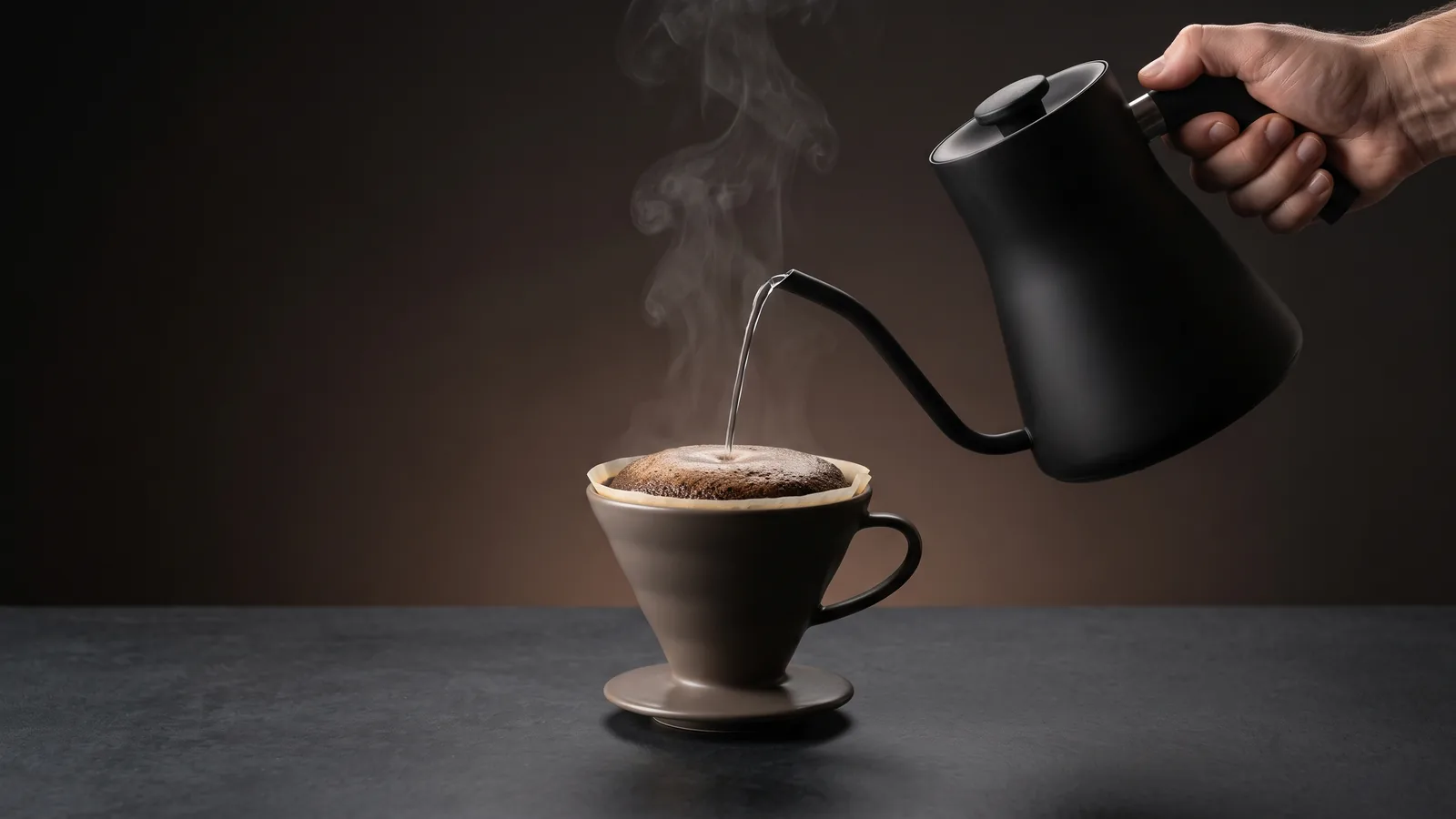
*Espresso is measured as a dose of grounds to a yield of liquid (e.g., 18 g in, 36 g out), not brewed by the pot, so it isn’t a pot ratio. See how to make pour-over and how to use a French press for method-specific technique.
Weigh it, don’t scoop it
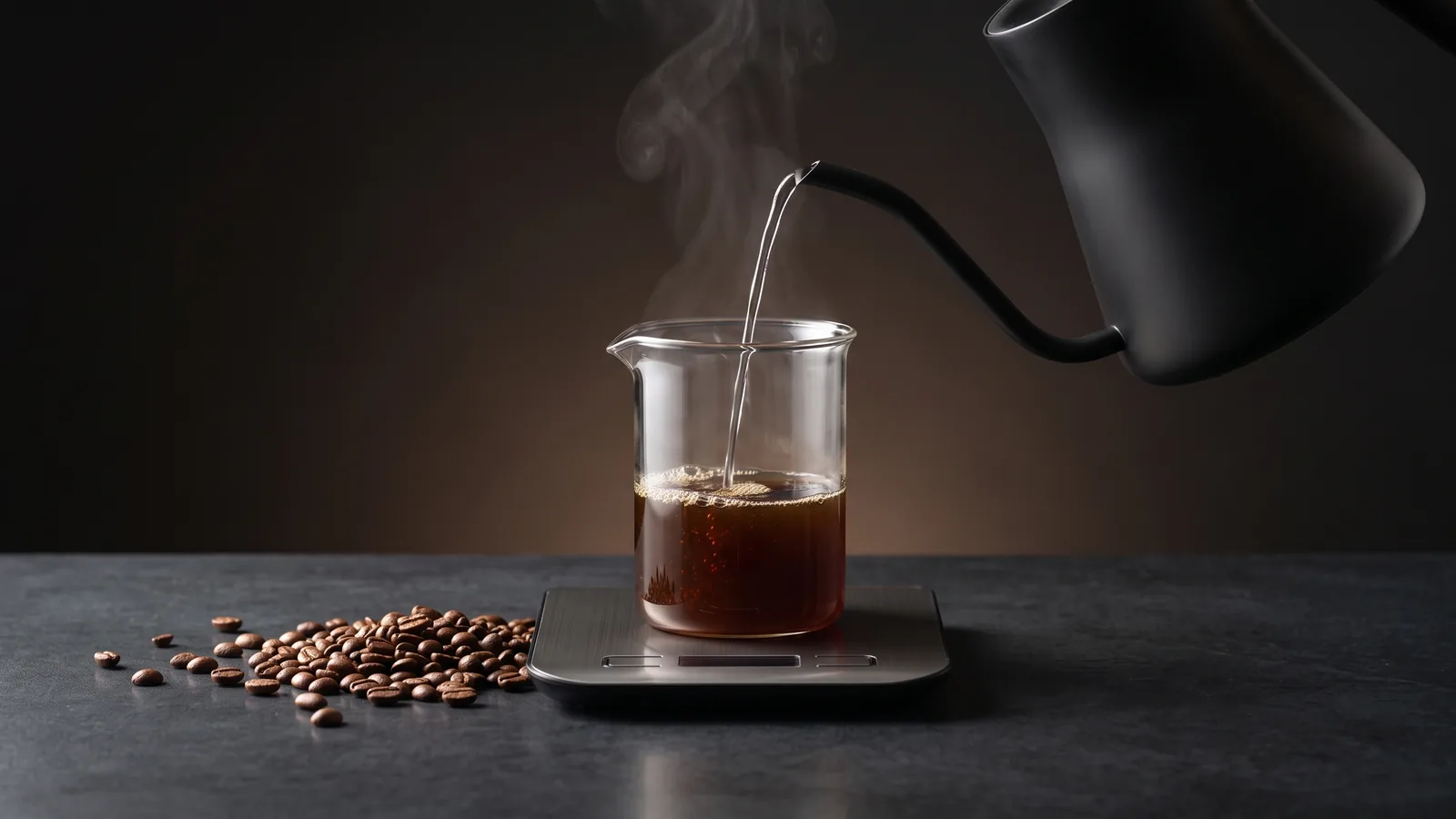
The biggest source of inconsistent home coffee is measuring by volume. A level tablespoon of ground coffee is roughly 5 grams, but that shifts with grind size, bean density, and how you scoop. A kitchen scale removes all of it: weigh the coffee, weigh the water, hit the exact ratio, get the same cup every time. It’s the cheapest upgrade in coffee.
Ratio vs. grind — don’t confuse them
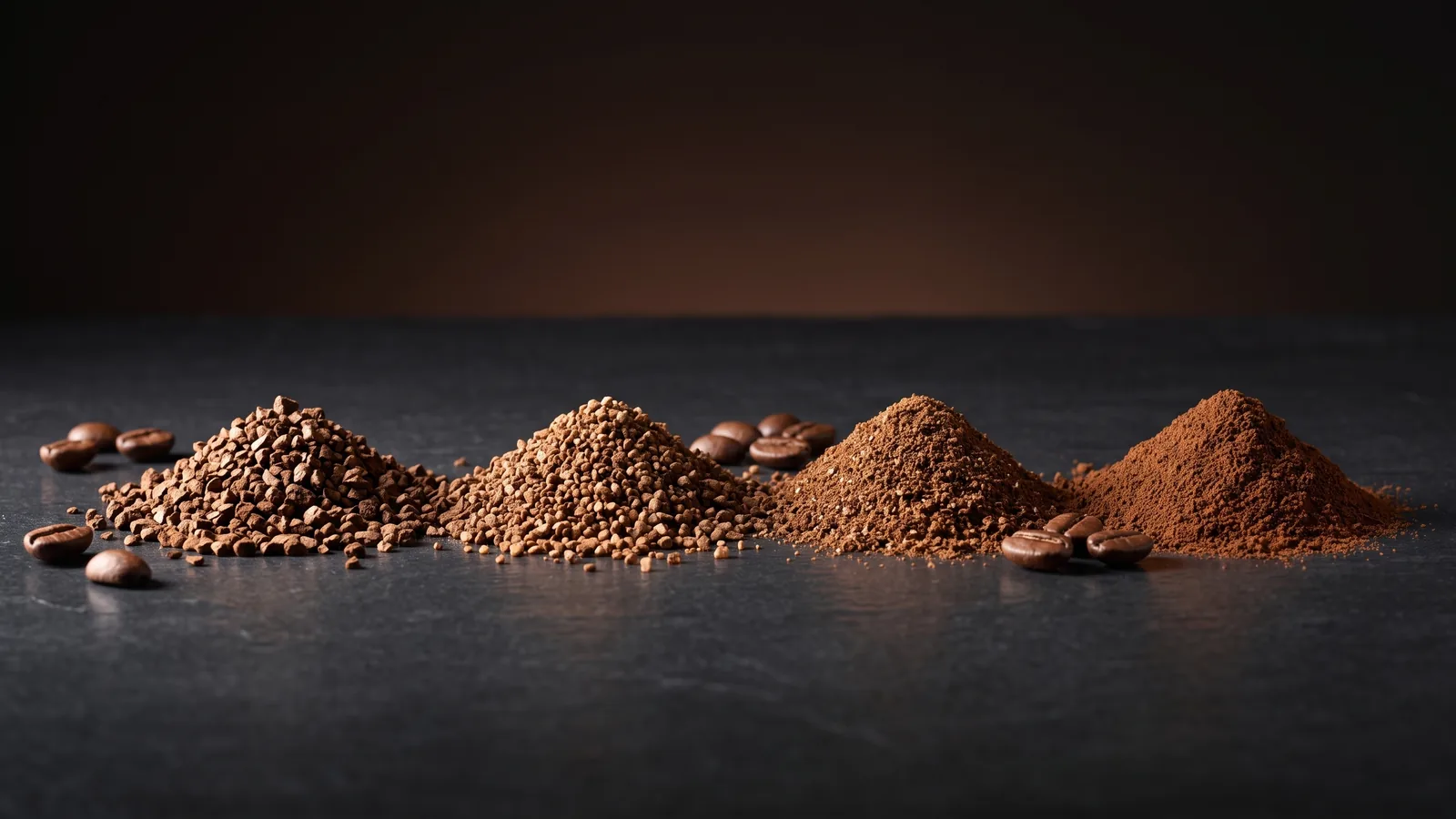
If your coffee tastes weak or too strong, that’s the ratio — adjust it. If it tastes bitter or sour at a sensible ratio, that’s usually extraction — the grind or brew time — not the amount of coffee. Sour, thin coffee is often under-extracted (grind finer); harsh, bitter coffee is often over-extracted (grind coarser). Fix the ratio for strength and the grind for balance — and an even burr grinder is what makes the grind side reliable.
Try it
Plug your water amount and method into the coffee-to-water ratio calculator — it returns the exact grams (and an approximate tablespoon count) and lets you slide toward stronger or milder.