What this report is
Noolaguide’s editors read the verified buyer reviews for the small kitchen appliances people actually buy most — across electric kettles, drip coffee makers, food processors, plant-based milk makers, and yogurt makers — and looked for the qualities that most raise and most lower owner satisfaction within each category. Read one category at a time, the findings are useful. Read across all five, a few patterns emerge that hold no matter what the appliance does. These are those patterns.
A note on honesty up front: these are directional findings, not precise statistics. We report what owners consistently reward and complain about, not invented percentages, and we do not claim hands-on lab testing. The authority here is the accumulated experience of owners, read at scale.
Finding 1: Durability is the #1 complaint everywhere — but what breaks is specific to each category
The most common complaint in every category is the same three words: it stopped working. What differs — strikingly — is how things fail:
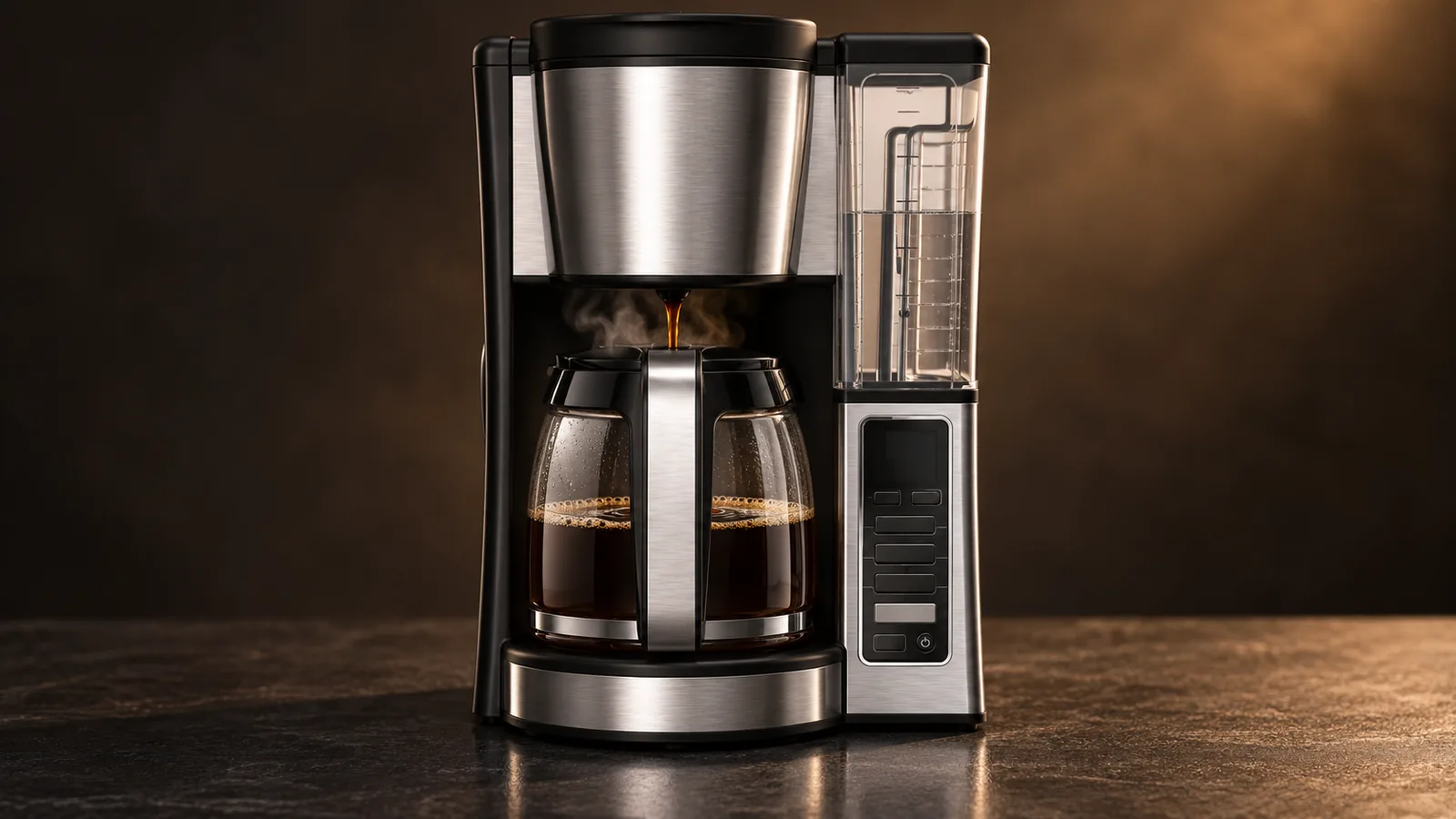
- Drip coffee makers: the carafe leaks. Even excellent machines draw drip-when-pouring complaints; the cheaper glass carafes leak from the base. It’s the category’s signature flaw.
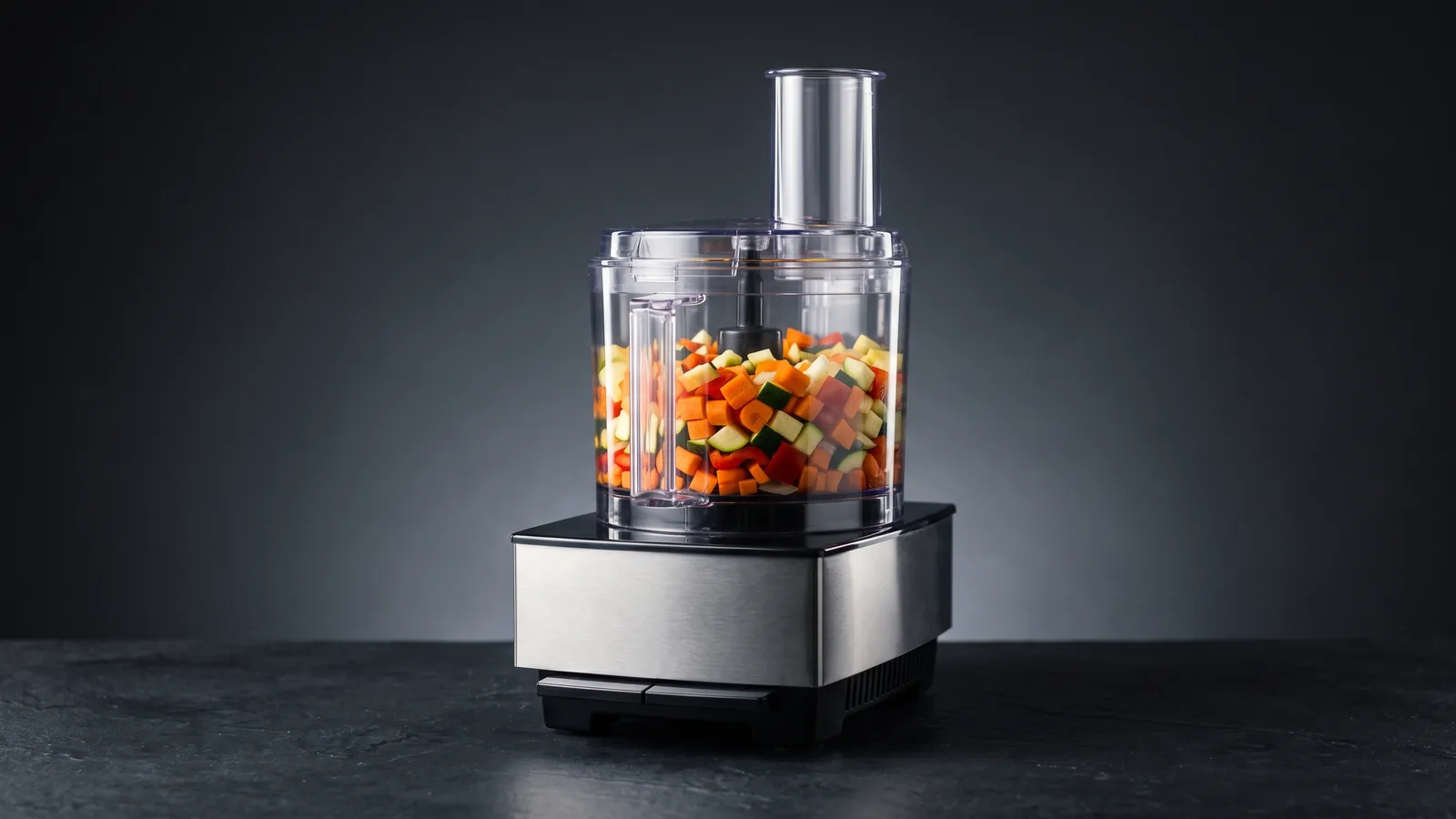
- Food processors: the parts crack. Breakage runs sharper here than anywhere else — lids crack, plastic pieces described as “flimsy” fail, and cheap choppers burn out their motors, sometimes within months.
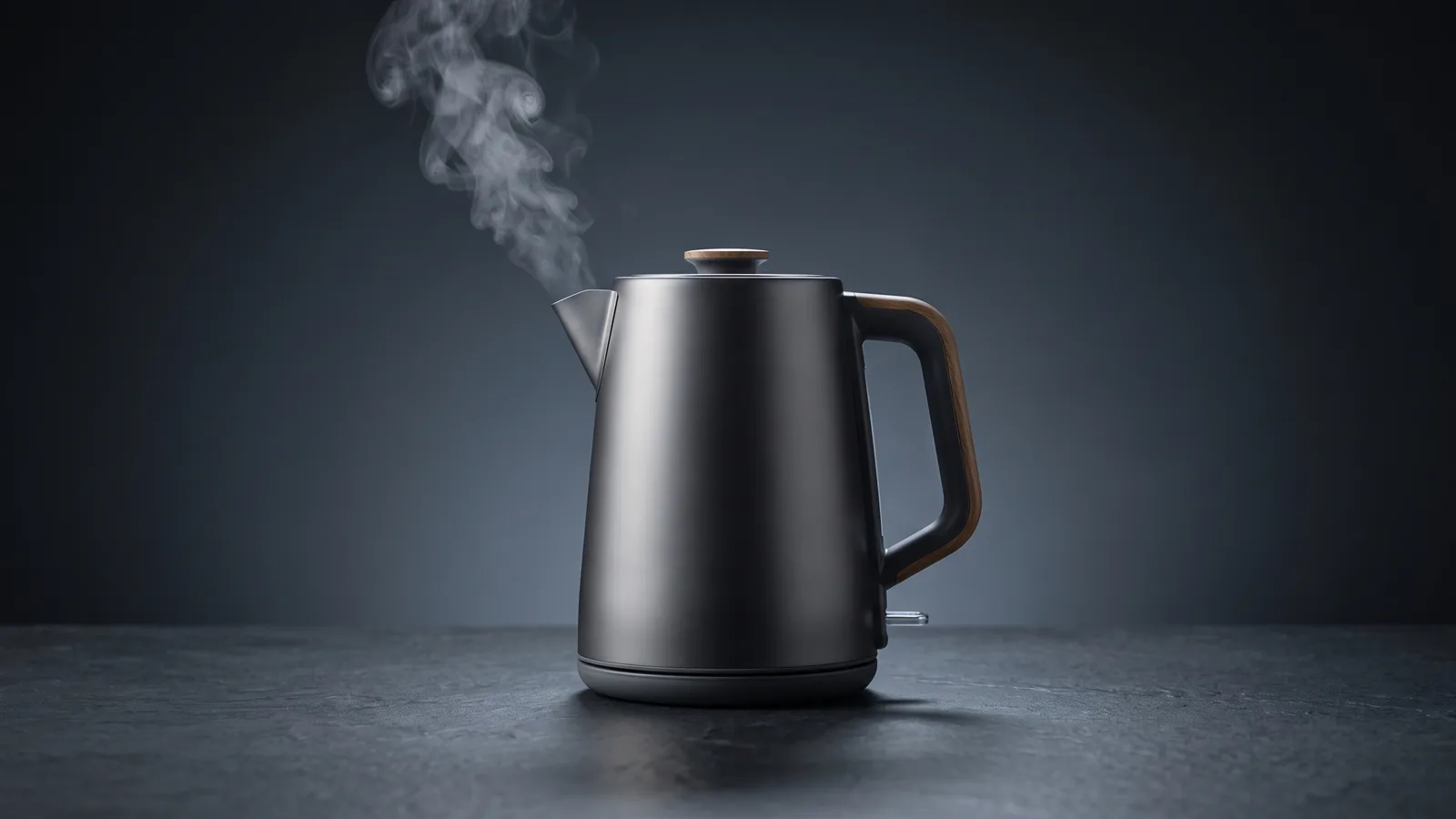
- Electric kettles: the budget ones leak. Leaking concentrates in cheap glass and gooseneck kettles; durability is a caveat across the whole category.
- Yogurt makers: the failure is invisible. Nothing physically breaks — the machine drifts off its target temperature, and the result is a runny or over-soured batch that owners blame on themselves before the machine.
- Milk makers: the cheapest ones smell. Beyond durability, the budget tier’s signature complaint is a plastic or burning smell during heated use.
The takeaway for buyers: reliability is the category-wide weak point, so the brand’s reputation matters less than you’d think. Which leads to the single most useful habit, below.
Finding 2: The features owners reward are rarely the ones marketers sell
Spec sheets advertise wattage, presets, jar counts, and program menus. The reviews reward something else almost every time:
- Kettles: owners reward temperature control above nearly everything — not heating speed or wattage. A mid-priced kettle that nails temperature out-satisfies a design-led premium one.
- Food processors: the hidden dealbreaker is ease of assembly, not power. The most powerful full-size machine is the one owners find hardest to use; the design owners actually reward is a no-twist-lock bowl that snaps together.
- Yogurt makers: temperature consistency is the only thing that matters. Jars, timers, and digital displays are secondary to whether the machine holds its target for the full incubation.
- Milk makers: easy cleaning is the axis that most moves satisfaction — and the number-one regret when it’s missing.
The takeaway for buyers: ignore the marketed extras and ask one question — which quality determines the everyday result or the everyday hassle? That’s the one the reviews say to buy for.
Finding 3: Premium often buys build or design, not a better result
Across categories, the most expensive option is frequently the one its own owners most often call overpriced:
- The priciest certified coffee makers are penalized hardest on value by their owners — “not worth it for the quality” — even as they’re praised for durability and looks. They don’t make better coffee than machines a third the price.
- A design-led premium kettle is penalized on value, quality, and durability; a mid-priced competitor matches it on the temperature control that actually affects the cup.
- A premium temperature-control kettle is penalized on value against a budget model that controls temperature just as well.
The pattern isn’t that premium is a scam — it’s that premium buys build quality, design, or longevity, which are real and worth paying for if you value them. What it rarely buys is a better everyday outcome. In several categories, the machine that out-satisfies the premium tier is a mainstream, mid-price model — or even a budget one.
Finding 4: Price and satisfaction are only loosely linked
Because the reward is in the everyday result and not the price, the highest-satisfaction pick in a category is often not the most expensive — and sometimes it’s the cheapest. In more than one category, the value standout is a budget machine that owners rate for quality and ease well above what its price would suggest. Expensive can be worth it for build and design; but “you get what you pay for” is not a reliable rule in this market. The reviews reward the result, wherever the price lands.
Finding 5: The one habit that de-risks every purchase
Put the first four findings together and the smart-buying advice is the same in every category: because early failure is the shared risk, the best habit isn’t chasing the “most reliable” brand — it’s buying from a seller with an easy return window and testing the machine hard in its first days. A unit that will fail early usually shows it early. That single habit turns the category’s main risk into a painless swap rather than a lost purchase, at every price point.
How we did this
Noolaguide’s editors read the verified buyer reviews for the products people actually purchase most in each category, and identified which qualities most raise and most lower owner satisfaction, benchmarked within that category. We do not run a lab or claim hands-on testing — our authority is the accumulated experience of the people who own these appliances, read at a scale no single person could match. Findings here are directional patterns, not precise statistics; where a category’s evidence is thin, we say so in the category guides themselves.
Explore the categories
Each pattern above plays out in detail in the category guides, each grounded in the same buyer-evidence method:
- The best electric kettles — where temperature control beats price and design
- The best drip coffee makers — where the carafe is the weak point and premium is a hard sell
- The best food processors — where ease of assembly quietly decides satisfaction
- The best yogurt makers — where a single number, temperature, decides everything
- The best plant-based milk makers — where cleanup is the make-or-break quality
For press or citation: findings may be quoted with attribution to Noolaguide. We’re glad to share more detail on the method — see our methodology.