Why the crock is the whole question
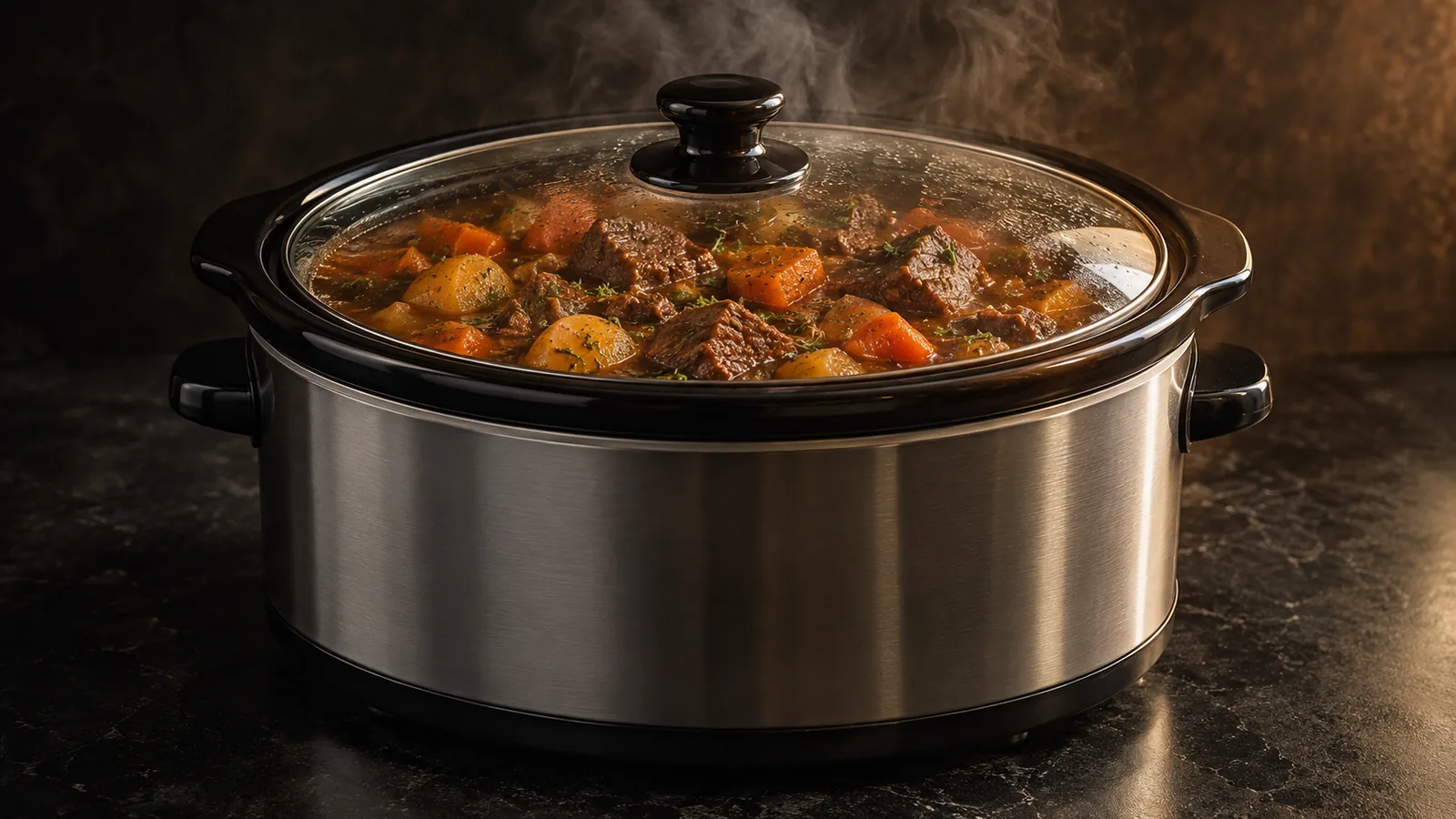
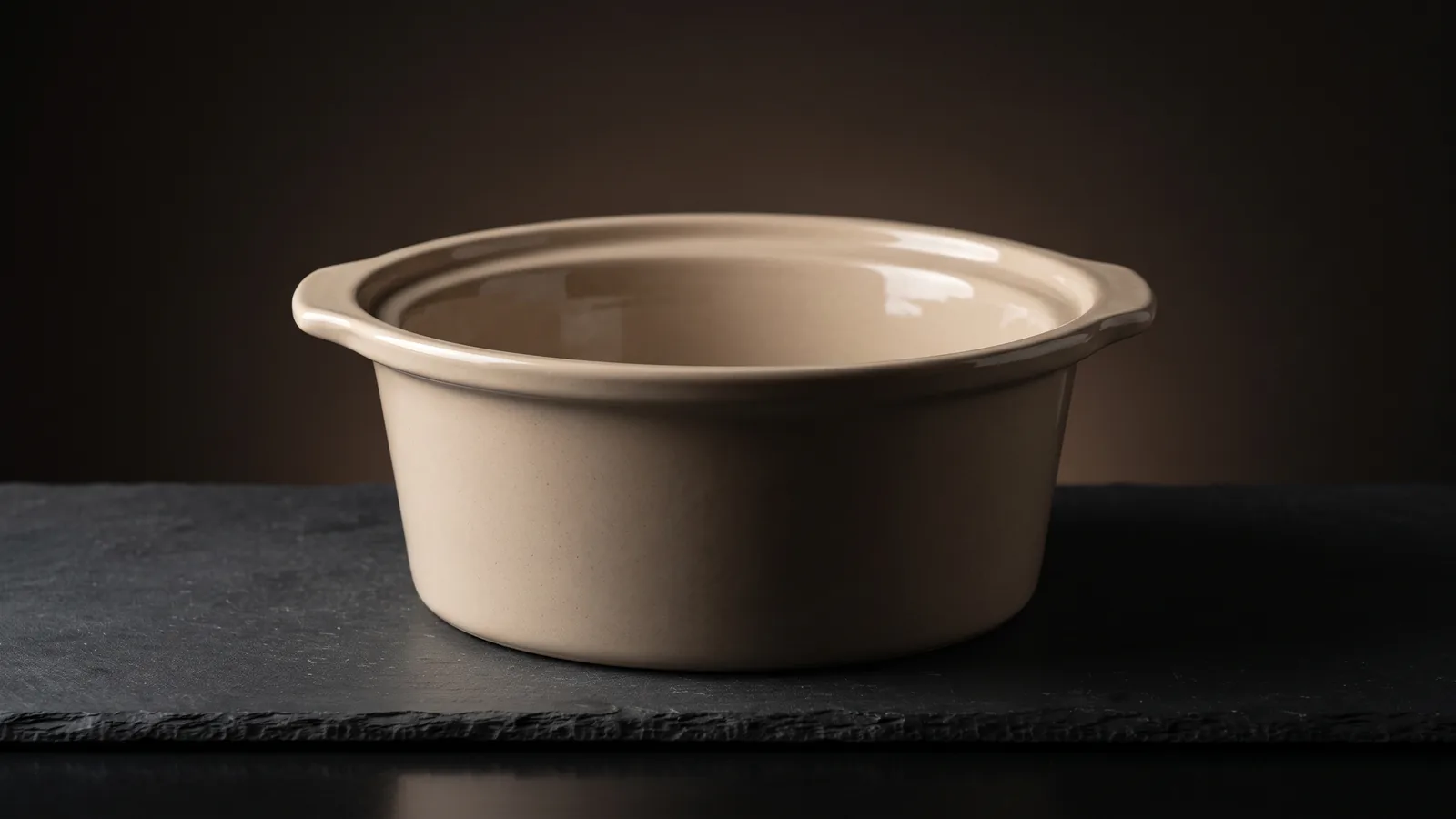
A slow cooker is a simple appliance: a heating housing, and a removable pot — the crock — that holds the food. On most cookers that crock is glazed ceramic (stoneware). The glaze is what makes it smooth, non-porous, and cleanable — and the glaze is also where the lead concern comes from, because some ceramic glazes have historically contained lead. Since the crock is the only part that touches your food, it’s the only material that matters here.
Are modern crocks lead-free?
Mostly the wrong word, but the right reassurance. In the US, ceramic cookware — including slow cooker crocks — must meet FDA limits on how much lead can leach from the glaze into food. A current crock from a major brand is made to that standard, so it’s generally considered safe to cook in.
“Lead-free” is imprecise: a glaze can contain trace lead and still test below the leachable limit. What the standard promises is not zero lead but lead below a safety threshold in normal cooking use. For most buyers with a new, reputable crock, that’s the practical bottom line.
Which slow cookers actually carry the risk
The searches are driven by real cases — but they cluster in specific places, not modern major-brand cookers:
- Vintage and antique crocks — older glazes predate current limits.
- Cheap, unbranded, or imported ceramic — not held to the same assurance.
- Decorative or hand-painted glazes — bright decorative glazes have more often tested positive.
- Chipped or worn crocks — damage through the glaze changes the picture.
If your crock is old, of unknown origin, brightly decorated, or worn through, that’s when caution is warranted.
The route that removes the question: stainless steel
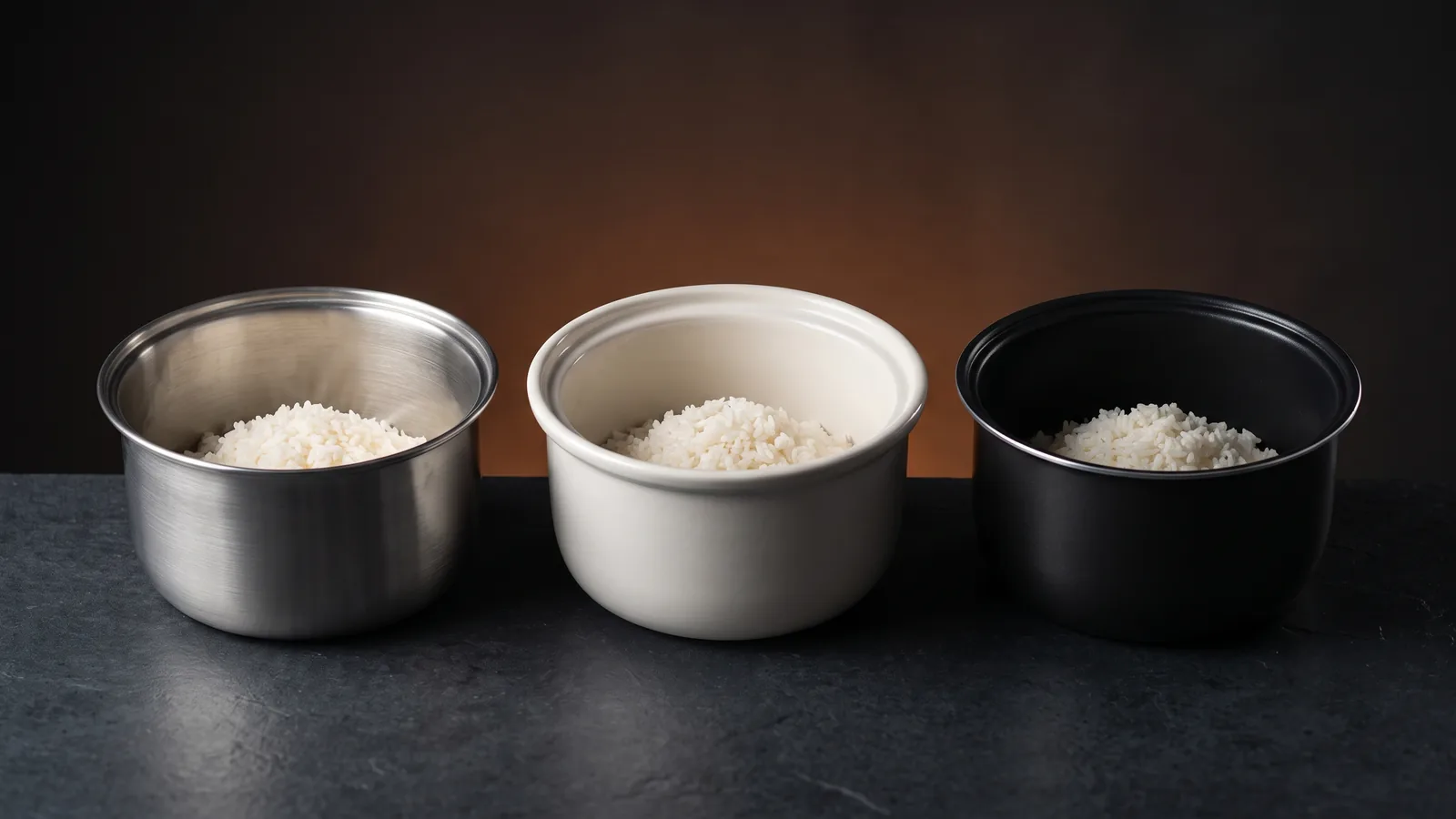
If you’d simply rather not weigh any of this, the clean answer is a pot with no glaze at all — stainless steel. And the most practical stainless-pot cooker that slow-cooks is a multi-cooker whose inner pot is 18/8 stainless. It’s the pick when a glaze-free, non-toxic pot is your deciding factor.
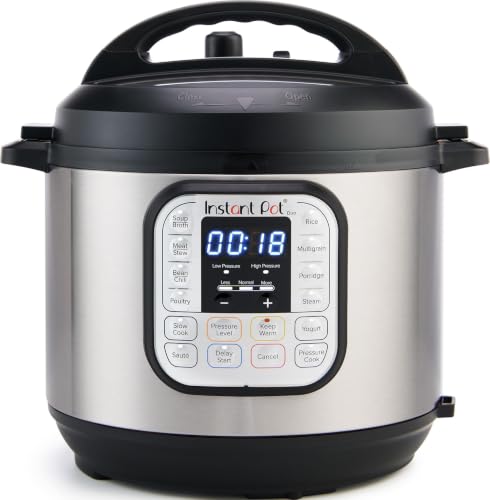
Instant Pot Duo 6-Quart Multi-Cooker (Stainless Inner Pot)
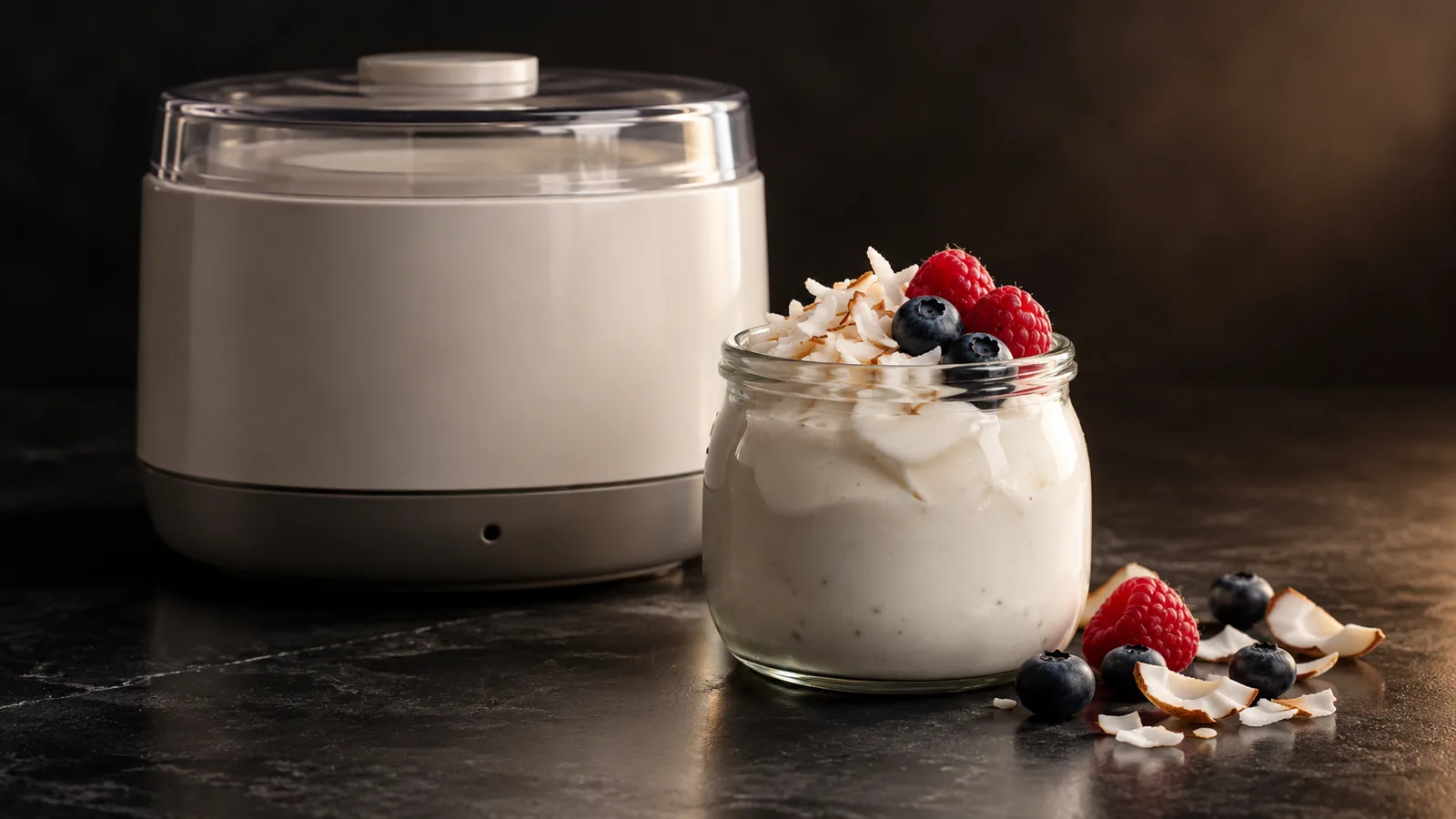
The pick that answers this article directly: its 18/8 stainless-steel inner pot has no ceramic glaze at all, so the lead-in-glaze question simply doesn't apply. Slow-cook is one of its modes, and it also pressure-cooks, sautés, steams, and makes yogurt, so it earns its counter space. It's a multi-cooker rather than a classic crock, and stainless cooks a little differently from heavy ceramic — but for buyers whose priority is a glaze-free, non-toxic pot, it's the most practical answer.
Prime Day Amazon Prime Big Deal Days is on — a good time to check the live price.
Check current price on AmazonWhat buyers praise
- 18/8 stainless pot — no glaze, sidesteps the lead question entirely
- Slow-cooks plus pressure-cooks, sautés, steams, makes yogurt
- Large, well-rated owner base
What buyers flag
- A multi-cooker, not a dedicated slow cooker
- Stainless holds heat differently than heavy ceramic; food can stick more
If you prefer a ceramic crock
You don’t have to switch to stainless — you just want to shop deliberately:
- Buy current, major-brand. New crocks from established brands are made to FDA leachable-lead limits.
- Look for tested/certified lead-free models where a maker specifically states it.
- Skip decorative glazes in favor of plain interior glazes.
- Retire old or damaged crocks from cooking use — keep vintage pieces decorative.
How the options compare
| Crock type | Lead-in-glaze question | Cooking feel | Notes |
|---|---|---|---|
| Modern major-brand ceramic | Meets FDA limits — generally safe | Classic slow-cooker heat | The default; fine for most |
| Certified lead-free ceramic | Explicitly addressed | Classic | Look for a stated certification |
| Stainless-steel insert | None — no glaze | Different; food can stick | Removes the question entirely |
| Vintage / unbranded / decorative | Uncertain — caution | Varies | Best retired from cooking use |
The honest summary: a new, reputable-brand crock is generally safe; if you want the question gone entirely, cook in stainless. Decide which of those you are, and the cooker follows — see the full lineup in best slow cookers.