Why lean ice cream normally fails
Creaminess in ice cream comes mostly from two things: fat, which coats ice crystals and keeps them small, and sugar, which lowers the freezing point so the mixture stays soft and scoopable. Low-calorie and high-protein recipes cut both — that’s the whole point — so the physics that makes ice cream creamy is working against you.
In a traditional churner (a frozen-bowl or compressor machine), the base is frozen slowly while being stirred. That works beautifully for a full-fat, sugary custard, but with a lean base there’s not enough fat and sugar to keep the crystals small, so you get a hard, icy block instead of a creamy scoop.
The trick: freeze solid, then re-churn
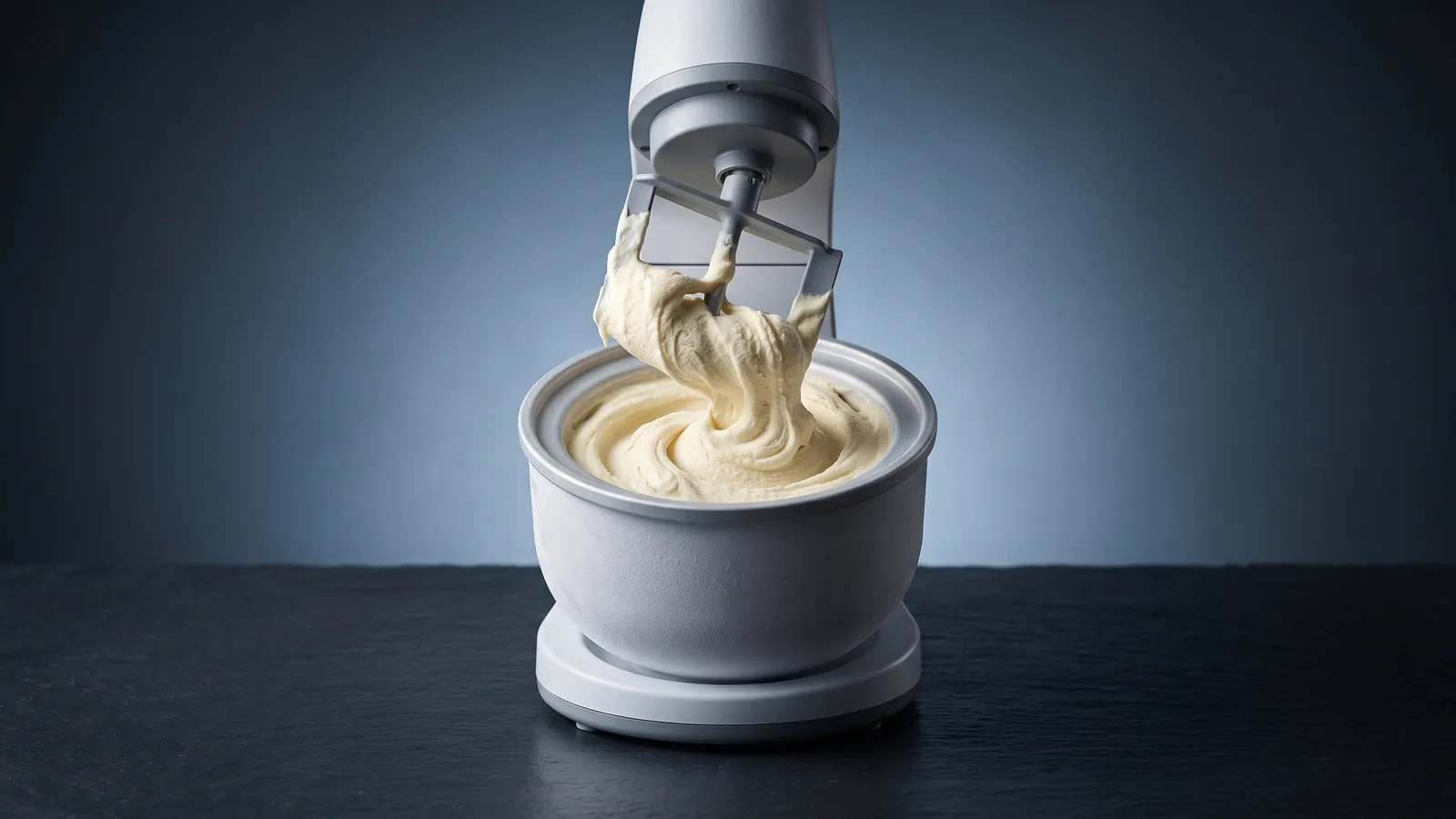
The machines that made protein ice cream a trend use a different approach. You freeze the base solid first — usually overnight, in the machine’s own pint container — and then the machine shaves and re-churns the frozen block, breaking the larger ice crystals back down mechanically into a smooth, creamy texture.
Because the creaminess now comes from mechanical processing rather than from fat and sugar, a lean, high-protein, low-sugar base can come out creamy. That’s the entire reason the “protein ice cream” movement grew up around this style of machine rather than classic churners.
The machine that does it
If protein or low-calorie ice cream is the reason you want a machine, this is the one built for it — the freeze-then-re-churn design at the center of the trend, and the top pick in our best ice cream makers roundup.
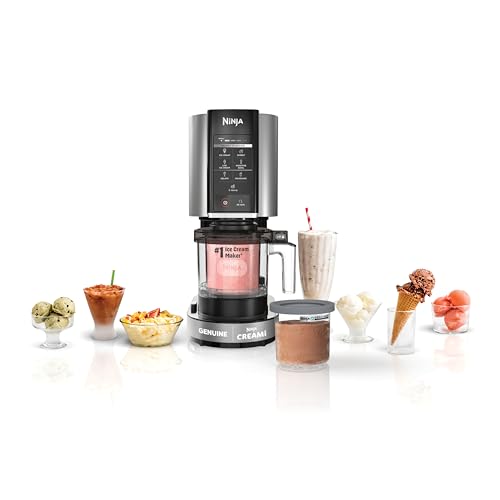
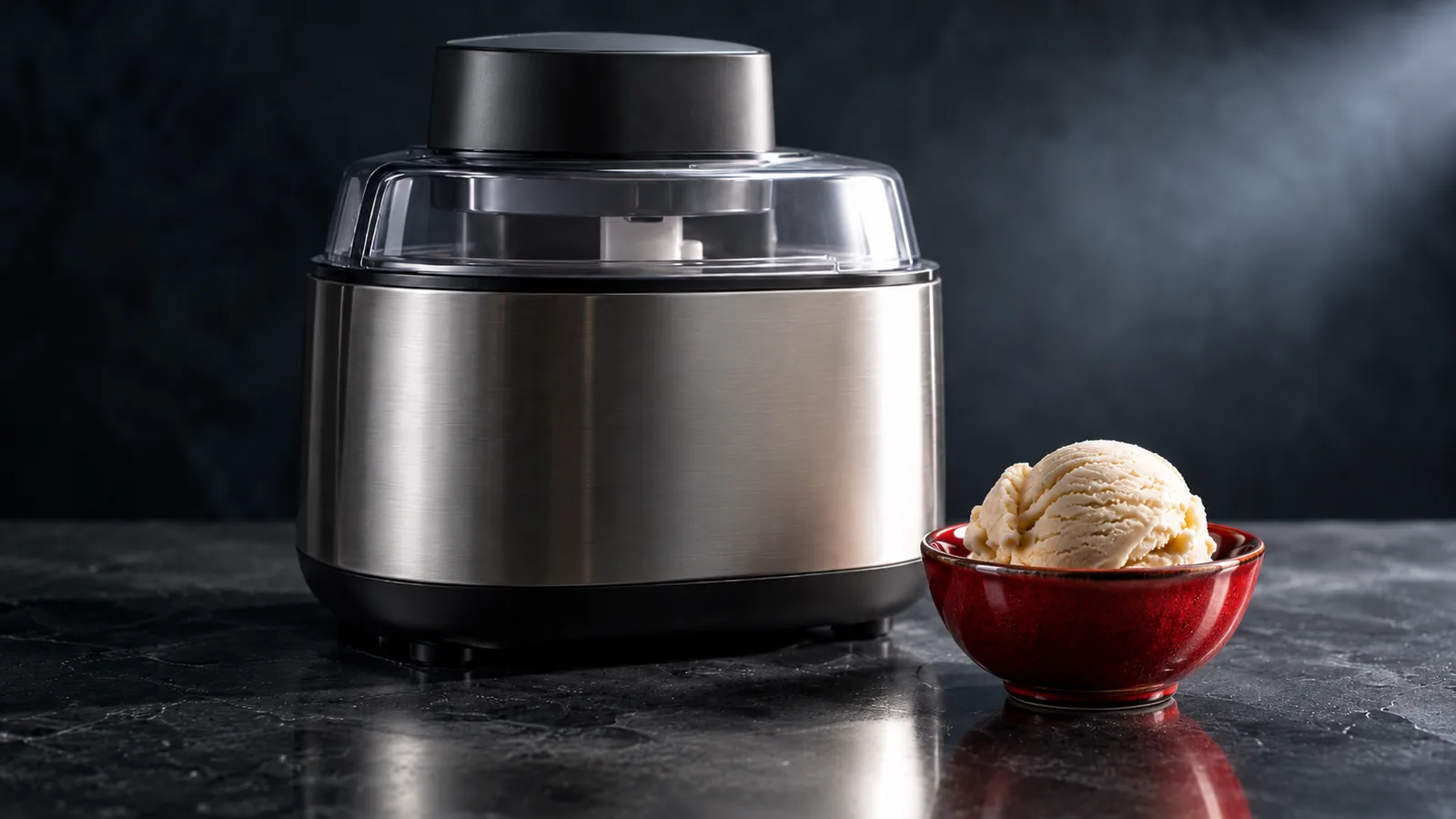
Ninja CREAMi 7-in-1 Ice Cream Maker
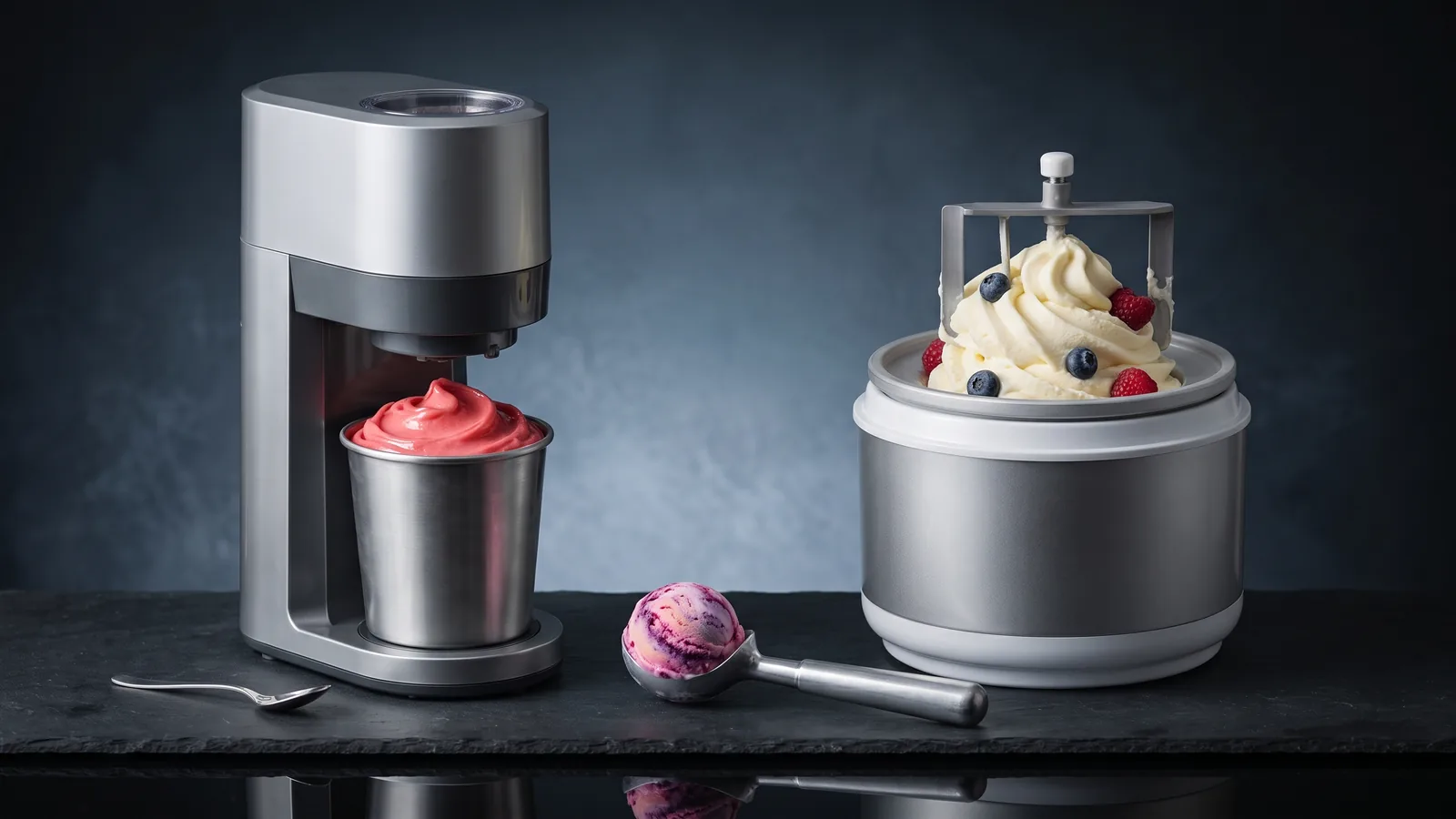
The machine the whole protein-ice-cream trend is built on. Instead of churning a liquid, it freezes the base solid and then shaves and re-churns it — so a lean, high-protein, low-sugar mix that would turn icy in a traditional churner comes out creamy. Freeze a protein or low-calorie base overnight, run it, and you get a scoopable result; it also does gelato, sorbet, and milkshakes. You pay more than a frozen-bowl maker and you plan a freeze ahead, but for healthier, made-to-spec ice cream it's the machine that actually works.
Prime Day Amazon Prime Big Deal Days is on — a good time to check the live price.
Check current price on AmazonWhat buyers praise
- Freeze-then-re-churn — makes lean, high-protein bases creamy
- You control the base: protein, sugar, dairy or plant-based
- Also gelato, sorbet, and milkshakes; large, well-rated owner base
What buyers flag
- Costs more than a frozen-bowl maker
- Freeze the base ahead (about 24 hours)
What goes in the base
The machine handles texture; you control what it’s made of. A typical base has three parts:
- A protein source — protein powder, Greek yogurt, or cottage cheese blended smooth.
- A liquid — milk, or a dairy-free milk for a plant-based version.
- A sweetener — to taste, in whatever form fits your goals.
From there people tune it: a little banana or a pinch of xanthan gum for extra creaminess, cocoa or fruit for flavor, more or less sweetener to taste. The exact recipe is yours — the point of a freeze-then-re-churn machine is that almost any reasonable frozen base comes out creamy, so you can build it around your protein, sugar, and dietary goals.
One honest caveat
Making ice cream at home gives you control, not automatic health. The machine doesn’t make a treat low-calorie — your ingredients do. Homemade protein ice cream is still a dessert, and its calorie and sugar counts depend entirely on what you put in. The real advantage is that you decide exactly what goes in, which is exactly what a made-to-spec, freeze-then-re-churn machine is good at.